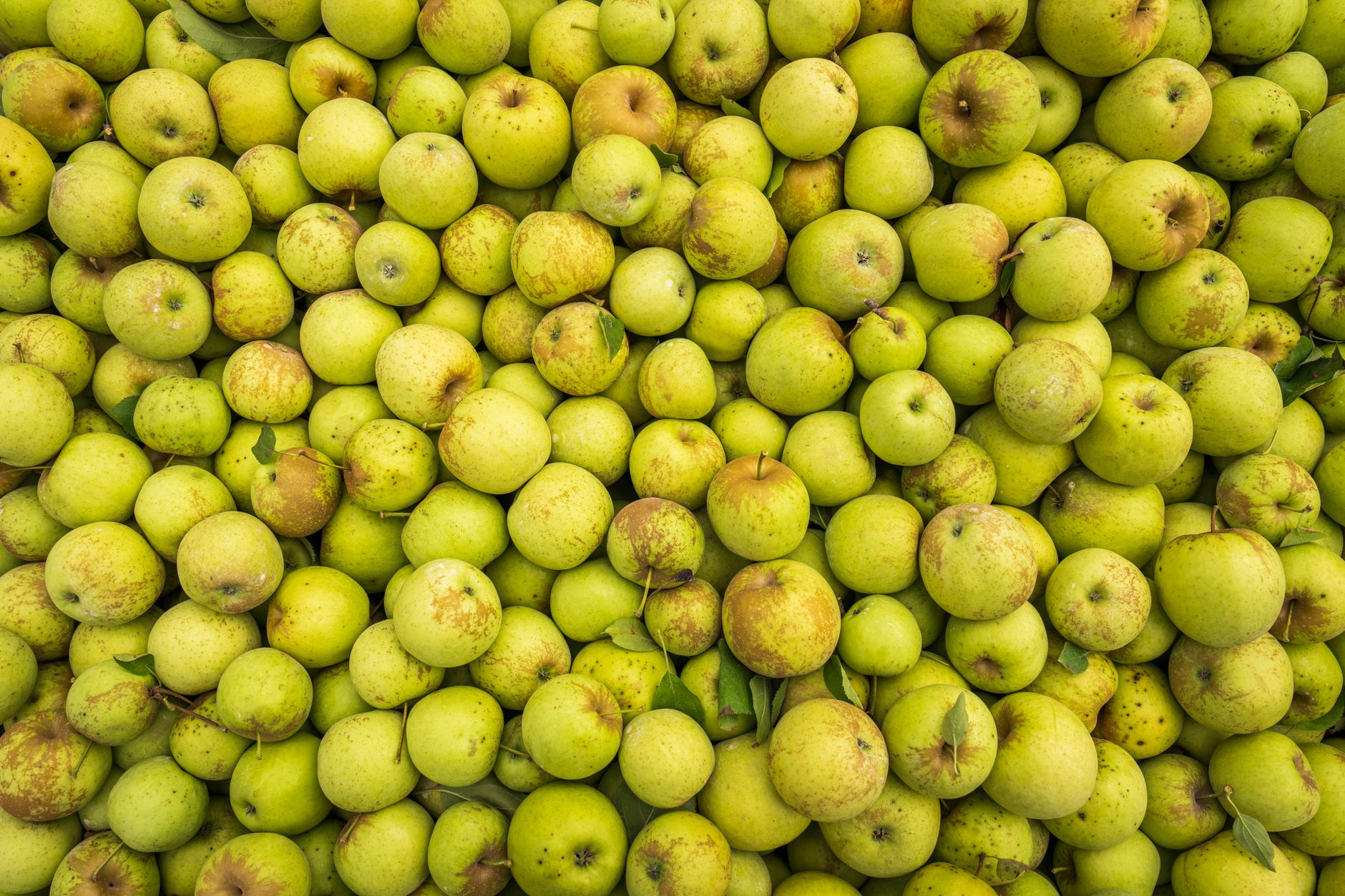
So, youve seen those tiny, colorful orbs dangling from crab apple trees and thought, Hey, can I actually eat these? Youre not alone. At first, I thought crab apples were just a cruel little fruit prank nature playedway too sour, tiny, and kinda intimidating. But as it turns out, yeah, you can eat crab apples! Theres a bit more to the story, though, because not all parts are created equal, and those puckery vibes are real.
Before you start chomping away, lets unpack what crab apple edibility really means are crab apples safe to eat, how do they taste, and whats the best way to enjoy them without turning your mouth into a sour mess? Trust me, once you get the hang of it, crab apples can be not just safe but pretty fun to experiment with.
Are Crab Apples Safe?
Lets cut right to the chase. Yes, crab apples are generally safe to eat, but there are a few things you want to keep in mind before diving fork-first into a crab apple feast.
What Parts of a Crab Apple Are Edible?
The juicy, crunchy flesh of the crab apple is okay to eat (if you can get past the shock of how sour it is). But the seeds? Well, theyre a little more complicated. Crab apple seeds contain trace amounts of amygdalinthis is a compound that can release cyanide when metabolized. Sounds scary, right? However, youd have to eat an astonishing number of seeds for it to be harmful (were talking an entire bucket full). So, no need to obsess over squeezing out every seed, but definitely dont go munching on the core like an apple champ.
Also, a heads up: never eat crab apples that have been sprayed with pesticides or other chemicals unless you wash them really well. Natures sour treats are best if theyre clean and organic!
Are There Any Risks?
Sometimes, eating crab apples raw can lead to some tummy trouble, especially if you arent used to such sour, tannin-rich fruit. Like with many wild or unfamiliar fruits, eating in moderation is your safest bet. Also, a handful of people might have mild allergic reactions, but thats pretty rare.
If youre wondering about pets or kids, crab apples are generally safe in small amounts, but seeds should definitely be avoided for their cyanide content. Its always better to play safe around the little ones.
What Does a Crab Apple Taste Like?
Now, onto the fun (or terrifying) parttaste. If youve ever tried a crab apple, you know exactly what I mean when I say its like a mini explosion of sour that hits all the taste buds at once. Its sharp, tart, and can sometimes lean toward bitter if the fruit is underripe. Some even say its kind of astringent, that dry mouth feel you get with strong tea or red wine.
But heres the secretif you let crab apples ripen fully (sometimes they hang on the tree long after regular apples fall), the sourness mellows out a bit, and fruity, complex flavors start to show up, almost like a wild apple cousin.
If you dont want to test your puckering reflex too much, cooking or processing crab apples can transform that sharpness into something quite deliciousthink sweet-tart crab apple jelly or cider. The cooking process breaks down a lot of the acids responsible for the sour punch, turning crab apples into a culinary gem.

How to Eat Crab Apples
If youre now thinking, Okay, but how the heck do I actually eat crab apples without making my mouth feel like a lemon exploded there?, here are some friendly tips on the best ways to enjoy this underestimated fruit.
Eating Raw: Tips to Survive the Sour
First off, if you want to eat them raw, pick crab apples that look ripedeep red, yellow, or sometimes greenishbut softer fruit tends to be less scream-worthy. Give them a good wash, and eat sparingly. One or two bites to test the waters!
Sometimes, removing the seeds can help with smooth eating, though its a bit tedious given their size. But hey, if you want to experiment and dive raw, its your call.
Cooking and Recipes
Cooking is where crab apples really shine. Boiling them down into a jelly or syrup softens that wild tartness and brings out tons of sweetness. If youre into fermentingor even making cidercrab apples add a unique flavor punch thats well worth trying.
Heres a quick and easy beginner recipe for crab apple jelly that you can try at home:
Simple Crab Apple Jelly
- Pick about 4 pounds of crab apples, washed and roughly chopped.
- Simmer them in 5 cups of water for about 30 minutes until soft.
- Strain the juice through a jelly bag or cheesecloth overnight.
- Add sugar (roughly equal weight as juice) and boil until it reaches jelly-setting point.
- Pour into clean jars and seal.
Simple but delicious! Spread it on toast or swirl it into yogurt for a bright flavor boost.

Ready-Made Solutions
Not in the mood to hunt crab apples or fiddle with jelly making? No problem. You might find products featuring crab apples in specialty stores or farmers markets, or even explore related handy options like Costco prepared foods that sometimes include unique seasonal preserves and condiments worth exploring.
Nutrition: Whats in a Crab Apple?
Besides that intimidating sourness, crab apples arent just a wild fruit for funthey pack real nutrients! Theyre a decent source of vitamin C, dietary fiber, and antioxidants. These little fruits help with digestion, boost immunity, and may even support heart health thanks to their polyphenol content.
On the flip side, crab apples do contain tannins and acids that, in large amounts, can cause stomach irritation. So, the old adage still applies: enjoy in moderation and listen to your body.
If you want to dive deeper into nutrient-packed foods or ways to get fresh produce effortlessly, you might want to check out advice on how to get groceries delivered. Its a real game-changer when you want fresh but dont have the time to hunt for it yourself.
Wrapping It Up: Should You Eat Crab Apples?
So, heres my takeyes, you can eat crab apples, and no, they wont poison you if youre smart about it. Theyre safe, nutritious little fruits with a bold personality, and depending on how you approach them, either a fun challenge or a sweet surprise. Its worth trying them in small amounts raw or, better yet, playing with them in the kitchen to make jellies, syrups, or even cider.
Next time you spot those bright, tart fruits on a tree, dont just walk past. Snag a couple, have a taste, and see how you like that sharp burst of flavor. And hey, if you give crab apples a chance, share your own stories or recipestrust me, Im curious too!

If you have questions or want some quirky crab apple recipe ideas, dont hesitate to ask. This often-overlooked fruit awaits its moment in your kitchen spotlight!
FAQs
Can you eat crab apples raw?
Yes, you can eat crab apples raw, but they tend to be very sour and tart. Choosing fully ripe and softer crab apples helps reduce the puckery effect. Eating in moderation is advisable to avoid stomach discomfort.
Are crab apple seeds toxic?
Crab apple seeds contain trace amounts of amygdalin, which can release cyanide if consumed in large quantities. However, you'd need to eat an enormous amount of seeds to be harmed, so avoid eating the core but seeds in small accidental amounts are generally safe.
What’s the best way to enjoy crab apples?
Cooking crab apples, such as making jelly, syrup, or cider, mellows their sourness and turns them into delicious treats. Cooking breaks down the acids, making the flavor sweeter and more palatable.
Are crab apples safe for pets and children?
In small amounts, crab apples are generally safe for pets and children, but it's important to avoid the seeds because of their cyanide content. Always supervise consumption and keep portions small to prevent any issues.
Do crab apples offer any nutritional benefits?
Yes, crab apples provide vitamin C, dietary fiber, and antioxidants. They support digestion, immunity, and heart health, but should still be eaten in moderation due to their tannins and acid content.