If youve ever glanced at a Chinese food menu and wondered about the difference between lo mein vs chow mein, youre not alone. Both dishes feature noodles tossed with veggies and sauce, but the way theyre cooked creates totally different textures and flavors. Understanding these nuances will help you pick your favorite and even recreate them at home. Lets break down what sets lo mein noodles apart from chow mein noodles and why that matters.
Understanding Chow Mein
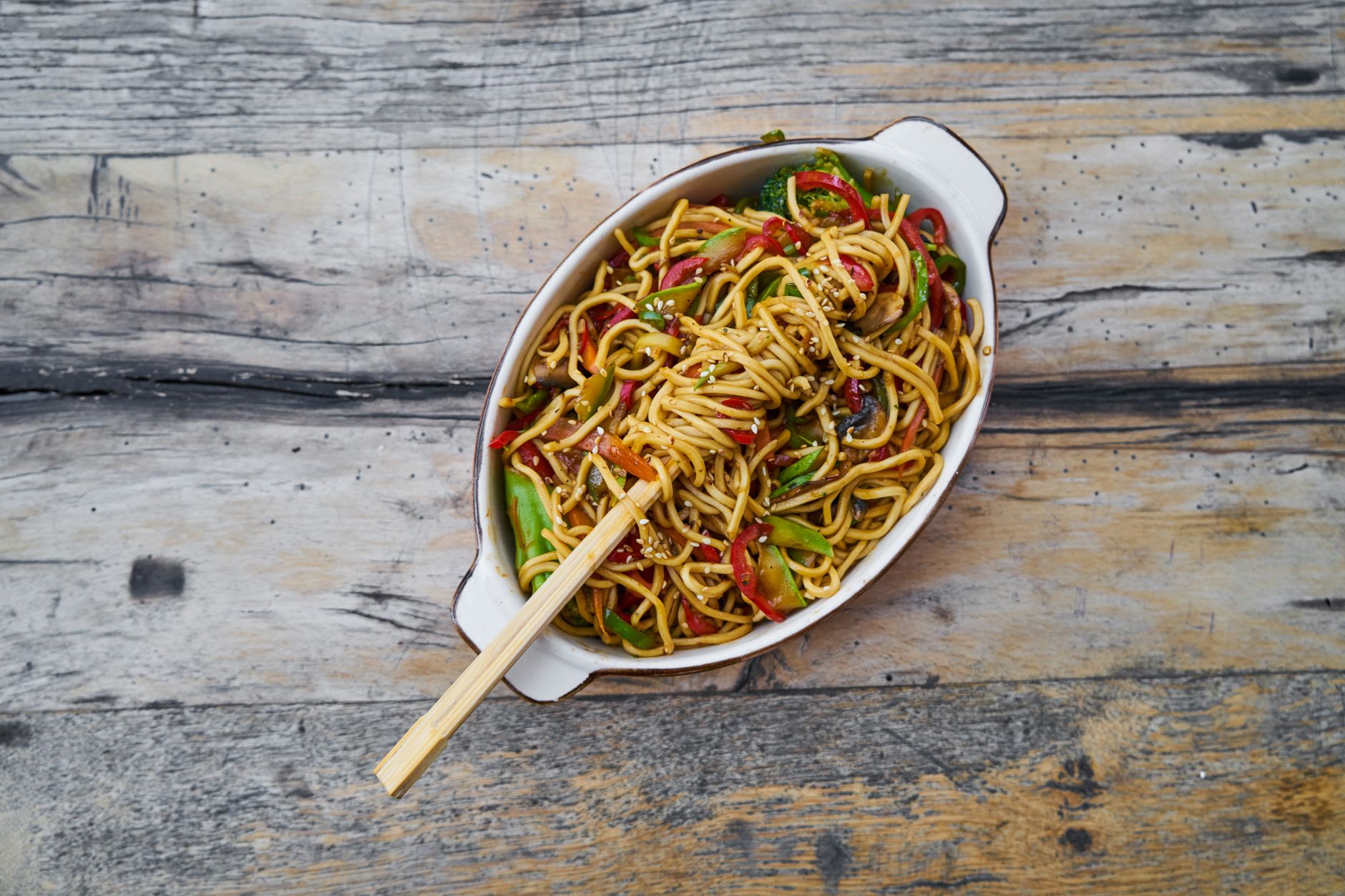
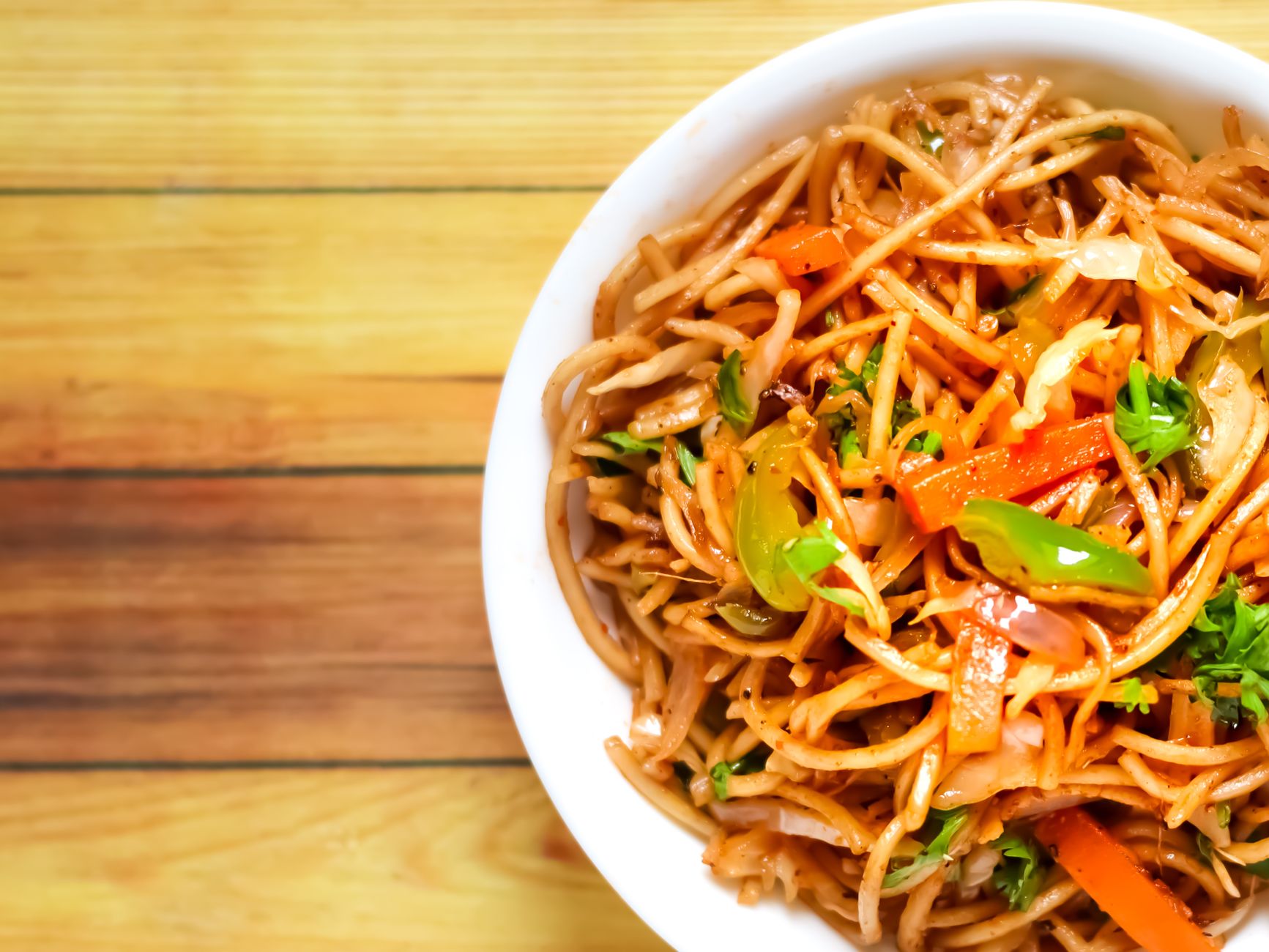
Chow mein is known for its slightly crispy texture and bold stir-fried flavors. It comes from the Cantonese words meaning stir-fried noodles, which is exactly how the dish is made. Typically cooked over high heat, chow mein noodles are fried in oil until they develop a golden, crisp exterior. The noodles and ingredients really soak up the woks smoky char, known as wok hei, enhancing the dishs savory depth.
Popular chow mein recipes often include bean sprouts, cabbage, and sliced meats or tofu, all tossed quickly in a hot wok with soy sauce and other aromatics. There are also regional variations: in some places, the noodles are fried until very crisp and served with sauce on top, while others keep them softer but still pan-fried.
What Are Chow Mein Noodles?
Chow mein noodles are typically thin, made from wheat flour and egg. They come either fresh or dried, and in most recipes, theyre par-cooked before stir-frying. When cooked right, chow mein noodles are dry and slightly firm, perfect for that crisp finish in the pan or wok.
These noodles differ greatly from lo mein noodles, which tend to be thicker and more elastic. If you want authentic chow mein noodles, try to find fresh Chinese-style egg noodles or packages labeled specifically chow mein in Asian markets. Avoid spaghetti or other pasta substitutes, as they wont provide the same texture.
How to Make Chow Mein at Home (Basic Recipe)
| Prep time | Cook time | Total time | Servings |
|---|---|---|---|
| 10 minutes | 10 minutes | 20 minutes | 2 |
- Boil 150g chow mein noodles for 2 minutes, drain and rinse under cold water.
- Heat 2 tbsp vegetable oil in a wok on high heat.
- Add 1 cup sliced vegetables (cabbage, bean sprouts, carrots) and 150g thinly sliced chicken or tofu. Stir-fry for 3-4 minutes.
- Add drained noodles and 2 tbsp soy sauce, tossing to coat.
- Spread noodles in a thin layer, let sit without stirring for 2 minutes to crisp up the bottom, then toss gently.
- Remove from heat and serve immediately.
For a vegetarian or halal twist, swap chicken for seitan or tempeh, and confirm soy sauce and other ingredients are Halal-certified. Using a certified oil brand ensures everything stays compliant with halal dietary guidelines.
What Makes Lo Mein Different?
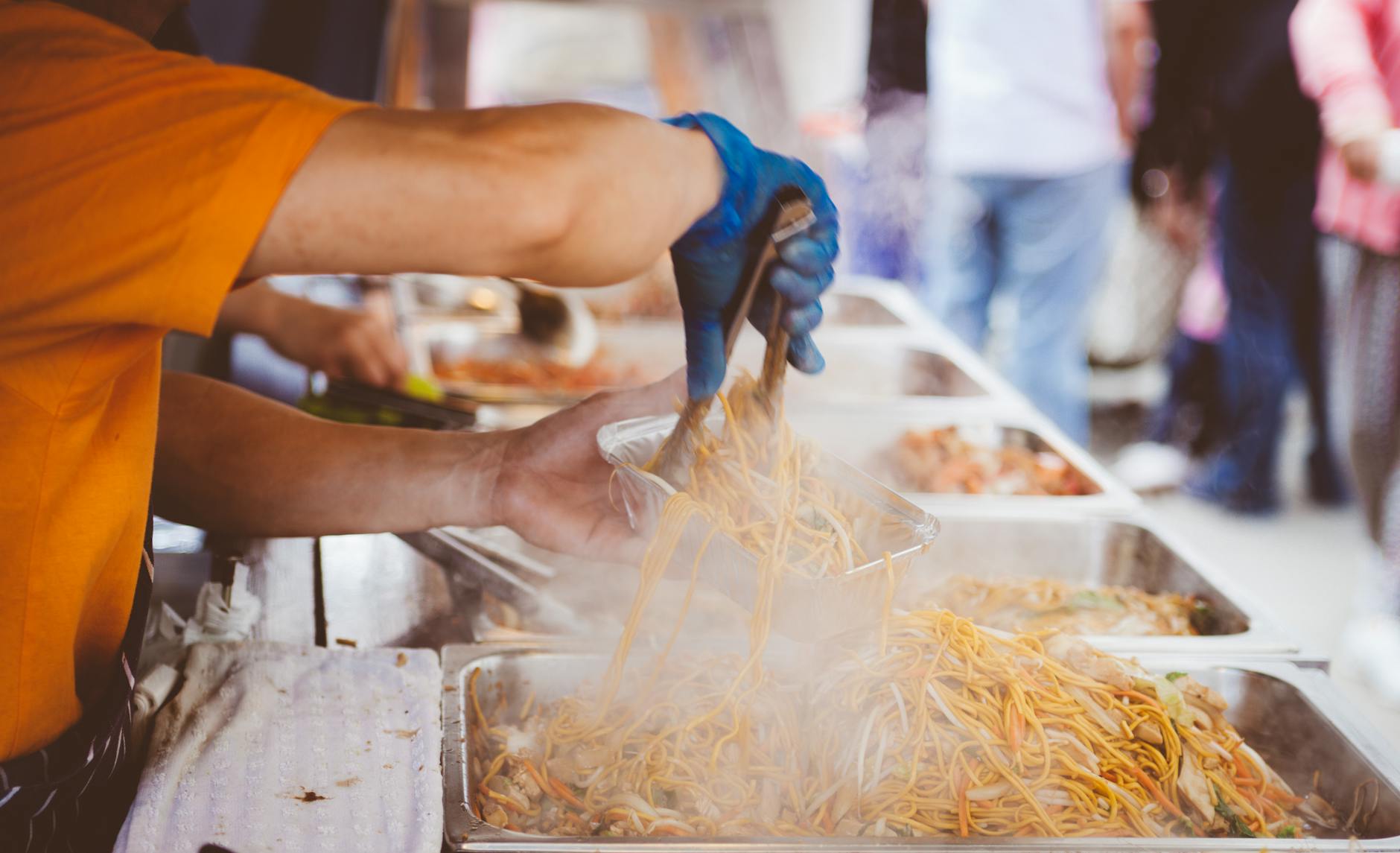
Unlike chow mein, lo mein is all about soft, tender noodles coated liberally in savory sauce. The key difference lies in the cooking method. Lo mein noodles are boiled or steamed until just tender, then tossed with stir-fried vegetables and protein. Theres no frying of the noodles themselves, so the texture remains smooth and chewy.
In many dishes, lo mein acts more like a noodle salad tossed hot with oil and sauce, making it less oily and lighter in texture than chow mein. Lo mein noodles absorb the sauce well, resulting in rich mouthfeel without crispy edges. This dish is more common in American-Chinese cuisine but closely follows traditional styles.
What Are Lo Mein Noodles?
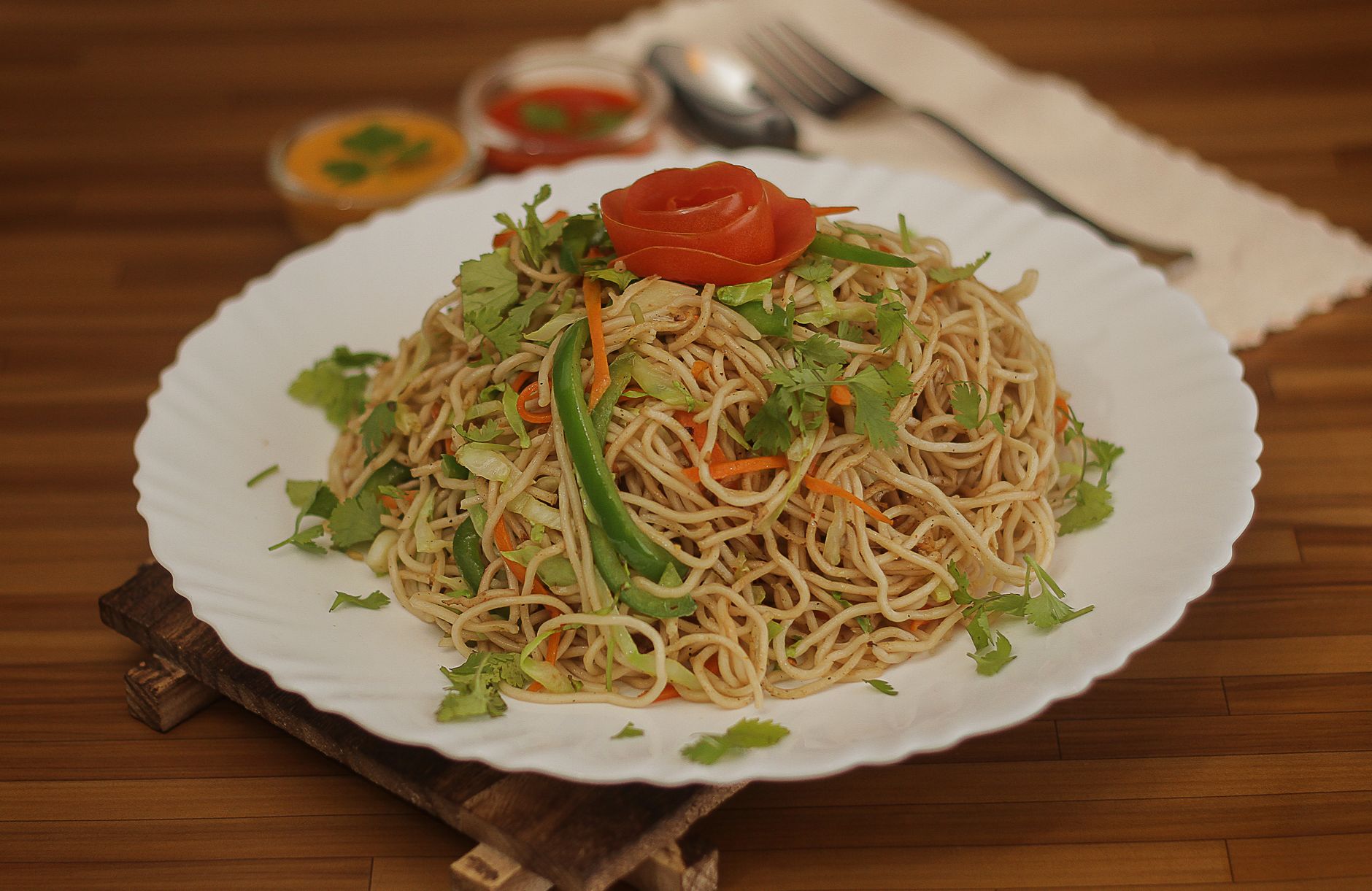
Lo mein noodles are thicker wheat noodles, egg-based like chow mein but a bit softer and more elastic. They have a rounder cross-section and hold sauces better. Boiled until just tender, theyre delicate enough to absorb flavor but firm enough not to get mushy.
Because lo mein relies on these characteristics, using chow mein noodles for lo mein or vice versa changes the texture hugely. If you find the right fresh lo mein noodles at your local Asian market, thats ideal. Otherwise, egg noodles labeled lo mein or even thick spaghetti (as a fallback) can work for homemade versions.
Simple Lo Mein Recipe to Try
| Prep time | Cook time | Total time | Servings | Calories | Diet tags |
|---|---|---|---|---|---|
| 8 minutes | 7 minutes | 15 minutes | 2 | 420 kcal | Halal, Vegetarian option |
- Boil 150g lo mein noodles for about 5-6 minutes until pliable but firm, then drain and toss with 1 tsp oil to prevent sticking.
- Heat 1 tbsp vegetable oil in a large pan over medium heat.
- Stir-fry 1 cup sliced mixed vegetables (bell peppers, snow peas, carrots) for 3 minutes.
- Add 150g halal-certified chicken strips or tofu; cook 4 minutes until done.
- Pour in 3 tbsp soy sauce, 1 tbsp oyster sauce (or mushroom sauce for vegetarian), 1 tsp sesame oil, then add noodles.
- Toss everything gently for 2 minutes over medium heat until noodles are coated and warm.
- Serve hot, garnished with chopped scallions or toasted sesame seeds.
Chow Mein Vs Lo Mein: Side-By-Side Comparison
| Feature | Chow Mein | Lo Mein |
|---|---|---|
| Noodle Type | Thin, dry, slightly firm | Thicker, soft, elastic |
| Cooking Method | Par-boiled then stir-fried until crisp | Boiled then tossed with sauce and vegetables |
| Texture | Crispy or slightly crunchy | Soft, chewy, saucy |
| Flavors | Smoky, savory, rich oil flavor | Milder, sauce-forward, balanced |
| Health Considerations | Higher oil content due to frying | Generally lighter and less oily |
Which One Should You Choose?
Your choice between chow mein vs lo mein boils down to texture preferences and dietary needs. If you want a crunchier experience with that wonderful wok sear, chow mein is your go-to. For a softer, saucier noodle that carries flavor well, lo mein hits the spot.
At halal or health-conscious eateries, check that the noodles and sauces use Halal-certified ingredients. Some restaurants may use pre-packaged noodles or sauces with non-Halal additives. For quality assurance, look for certification symbols like JAKIM, HMC, or IFANCA on packaged products.
Dont hesitate to try both styles to appreciate the unique appeal of each. You might also enjoy exploring other flavorful snacks or dishes for example, why not grab a Little caesars pizza after your stir-fry session as a fun combo dinner?
Are lo mein and chow mein noodles the same?
No, they differ in thickness, texture, and how theyre cooked. Chow mein noodles are thinner and fried until crisp, while lo mein noodles are thicker and boiled, resulting in a soft, chewy texture.
Can I use lo mein noodles for chow mein and vice versa?
Technically you can substitute in a pinch, but textures will change. Chow mein using lo mein noodles will be less crispy. Using chow mein noodles for lo mein might create a firmer noodle that doesnt absorb sauce as well.
Is one dish healthier than the other?
Lo mein generally has less oil since the noodles arent fried. Chow mein contains more oil due to stir-frying the noodles in hot oil, which increases fat content.
What sauces are traditional for lo mein vs chow mein?
Lo mein typically uses soy sauce, oyster sauce (or vegetarian mushroom sauce), and sesame oil. Chow mein favors soy sauce with a touch of sweetness and sometimes Shaoxing wine or broth for depth.
How can I make these dishes halal-friendly?
Use halal-certified protein sources like chicken, beef, or tofu, and ensure sauces and oils carry Halal certification such as from JAKIM or IFANCA.
Are there gluten-free versions of these noodles?
Traditional chow mein and lo mein noodles contain wheat and are not gluten-free. Look for specialty gluten-free alternatives made from rice or mung bean starch for those with gluten intolerance.
Can I prepare these dishes in an air fryer?
While not traditional, you can crisp chow mein noodles briefly in an air fryer. Use aluminum foil air fryer safely to prevent sticking and ensure even cooking.
Pro Tips for Perfect Noodles
- Dont overcook noodles: Both lo mein and chow mein noodles should be al dente to avoid soggy results.
- Use fresh noodles when possible: Fresh egg noodles make a noticeable difference in taste and texture.
- Dry ingredients well: For chow mein, make sure noodles are drained and patted dry before frying to get that crisp edge.
- Balance your sauce: Start with a simple soy-sesame base, then add sweetness or acidity incrementally to match your palate.
- Dont crowd the wok: Stir-frying requires high heat and space for even cooking, so work in batches for best results.
More You Might Like
Discover fun meal ideas with halal-certified convenience foods and snacks. For a satisfying cheat day, try Little caesars pizza perfect as a quick, certified halal partner to your homemade dishes.
Also, explore smart kitchen hacks with aluminum foil air fryer techniques that can help crisp up stir-fries and save cleanup time.
Conclusion
Lo mein vs chow mein comes down to texture and cooking style. Crisp-fried chow mein delivers crunch and bold flavor, while soft, saucy lo mein offers tender comfort. Both dishes can be enjoyed as part of a halal and health-conscious diet by choosing certified ingredients and mindful cooking. Next time you see these dishes on a menu or in your kitchen, try both styles to see which fits your noodle vibe best. Dont forget to share your favorites or ask questions below wed love to hear your take!
FAQs
Is Lo Mein Vs Chow Mein actually Halal — what should I check on the label?
To ensure Lo Mein and Chow Mein are halal, check for halal-certified ingredients and sauces. Look for certification marks by JAKIM, IFANCA, or HMC on packaging, and verify that any meat or protein used is halal-certified.
When is the best time to eat or drink Lo Mein Vs Chow Mein?
Lo Mein and Chow Mein are versatile dishes enjoyed at lunch or dinner. Their rich flavors and satisfying textures make them ideal for a hearty meal any time of day, especially when you want a comforting noodle dish.
How long do Lo Mein and Chow Mein noodles last after opening?
Fresh noodles should be used within 1-2 days after opening and kept refrigerated. Packaged dried noodles last longer, usually several months unopened, but once opened, store in an airtight container and use within a few weeks.
What is the main difference between chow mein and lo mein noodles?
Chow mein noodles are thin and par-cooked, then fried for a crispy texture. Lo mein noodles are thicker, boiled until tender, and tossed with sauce, resulting in a soft and chewy texture.
Where can I buy authentic halal Lo Mein and Chow Mein noodles?
You can find halal-certified Lo Mein and Chow Mein noodles at Asian grocery stores and halal markets. Online specialty retailers also offer fresh and packaged halal noodles, often labeled to indicate their certification.