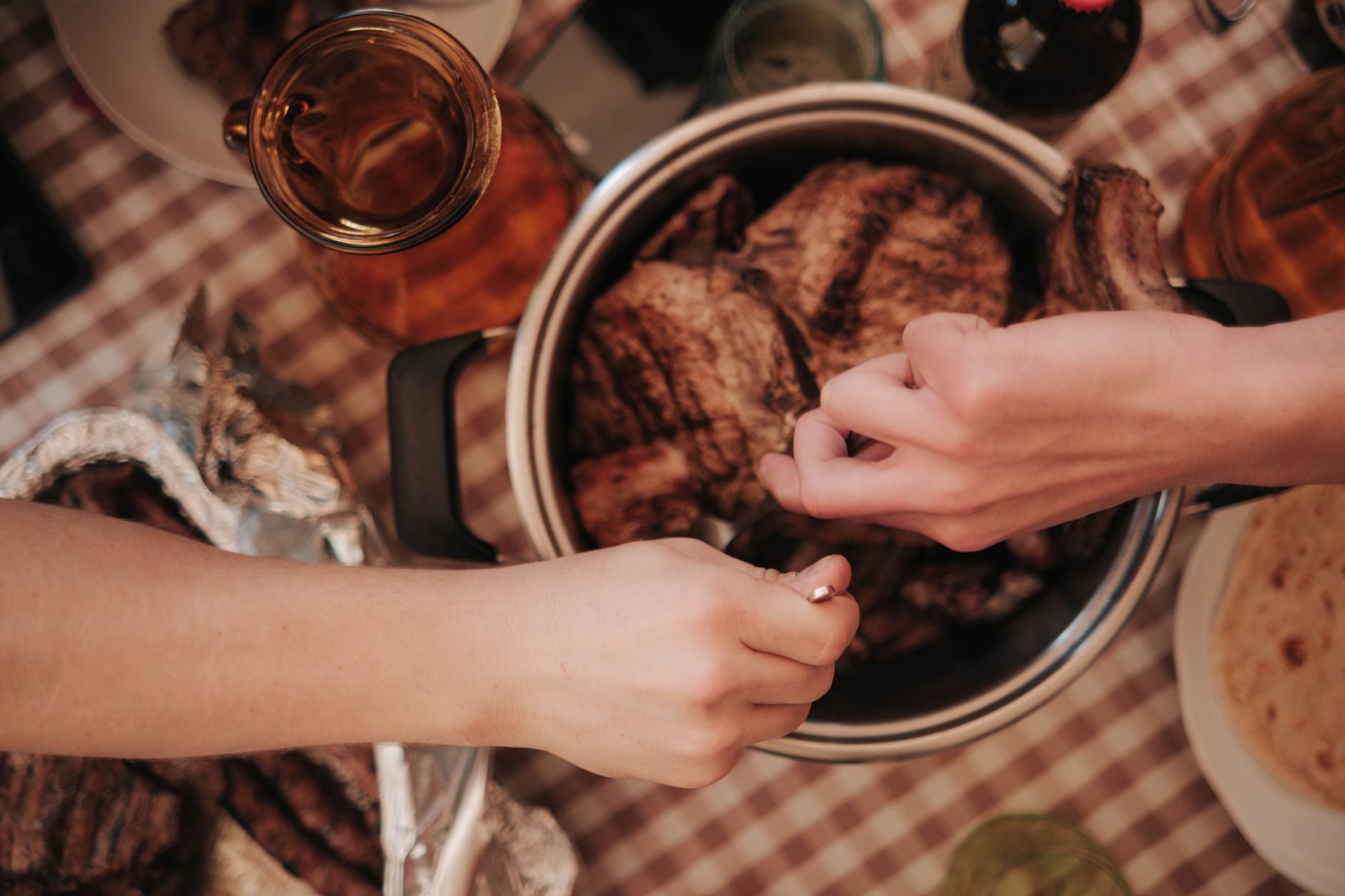
Cooking with beef tallow offers a unique way to add rich, savory flavor and a high smoke point to your meals. This traditional fat, derived from rendered beef fat, has been prized for centuries but often misunderstood in the modern kitchen. If youre curious about how to cook with beef tallow, its nutritional profile, culinary advantages, and practical uses, youre in the right place. Lets explore what makes beef tallow specialand how to use it wisely in your kitchen.
What Is Beef Tallow?
What Exactly Is Beef Tallow?
Beef tallow is the rendered fat of cattle, primarily extracted from suet or fatty cuts of beef. Rendering is a slow cooking process that melts the fat, straining out impurities to produce a clean, shelf-stable cooking fat. The result is a solid fat at room temperature with a mild, beefy aroma.
Common Uses in Cooking
Traditionally, beef tallow has been used for frying, roasting, sauting, and even baking. Its excellent for greasing pans and crisping foods thanks to its high smoke pointmaking it ideal for anything from fries to roasted vegetables. In recent years, chefs have revived its use to impart a rich depth of flavor to dishes.
Comparison to Other Cooking Fats
| Fat Type | Smoke Point (F) | Flavor Profile | Typical Cost |
|---|---|---|---|
| Beef Tallow | 400420 | Rich and beefy | Moderate |
| Olive Oil | 375410 (depending on type) | Fruity, grassy | Moderate to high |
| Butter | 300350 | Buttery, creamy | Moderate |
| Vegetable Oil | 400450 (varies widely) | Neutral | Low |
The higher smoke point of beef tallow means it holds up well to high-heat cooking without breaking down, unlike butter or some olive oils. Its flavor also enhances savory dishes more than neutral oils.
Nutrition and Health
Nutritional Benefits of Beef Tallow
Beef tallow is mostly composed of saturated and monounsaturated fats. According to the USDA FoodData Central, it contains roughly 50% saturated fat and 40% monounsaturated fat. It also provides fat-soluble vitamins like A, D, E, and K, essential for overall health. Many nutritionists note that these vitamins help with energy metabolism and nutrient absorption.
Health Risks of Cooking with Beef Tallow
Some worry about saturated fats raising cholesterol and cardiovascular risks. However, recent research points to more nuanced effects and supports moderate consumption within a balanced diet. Myths surrounding beef tallows health impact often overstate risks, while ignoring its role as a stable cooking fat compared to highly processed vegetable oils.
Using Beef Tallow Wisely
Health experts recommend moderationuse beef tallow as part of a varied fat intake including healthier unsaturated oils. Combining it with whole foods like vegetables and lean proteins supports overall cardiovascular health. Keep perspective and personalize your fat choices based on your health goals and dietary needs.
Culinary Advantages
Why Choose Beef Tallow?
Beef tallows high smoke point (up to 420F) makes it perfect for frying and searing without the risk of burning. It adds a rich, beefy depth that many chefs prize for roasted potatoes, fried chicken, or even pie crusts. The crispy textures you get from tallow-fried foods are difficult to replicate with other fats.
Chef Tips for Cooking with Beef Tallow
- Heat on medium-high around 375F for fryingenough to crisp without smoking.
- Use a neutral-flavored cut for baking, or add a splash to soups and stews for richness.
- Combine with aromatic herbs like rosemary or garlic to infuse additional flavor.
- Store small amounts in your kitchen for occasional use to keep tallow fresh.
Sensory Impact in Recipes
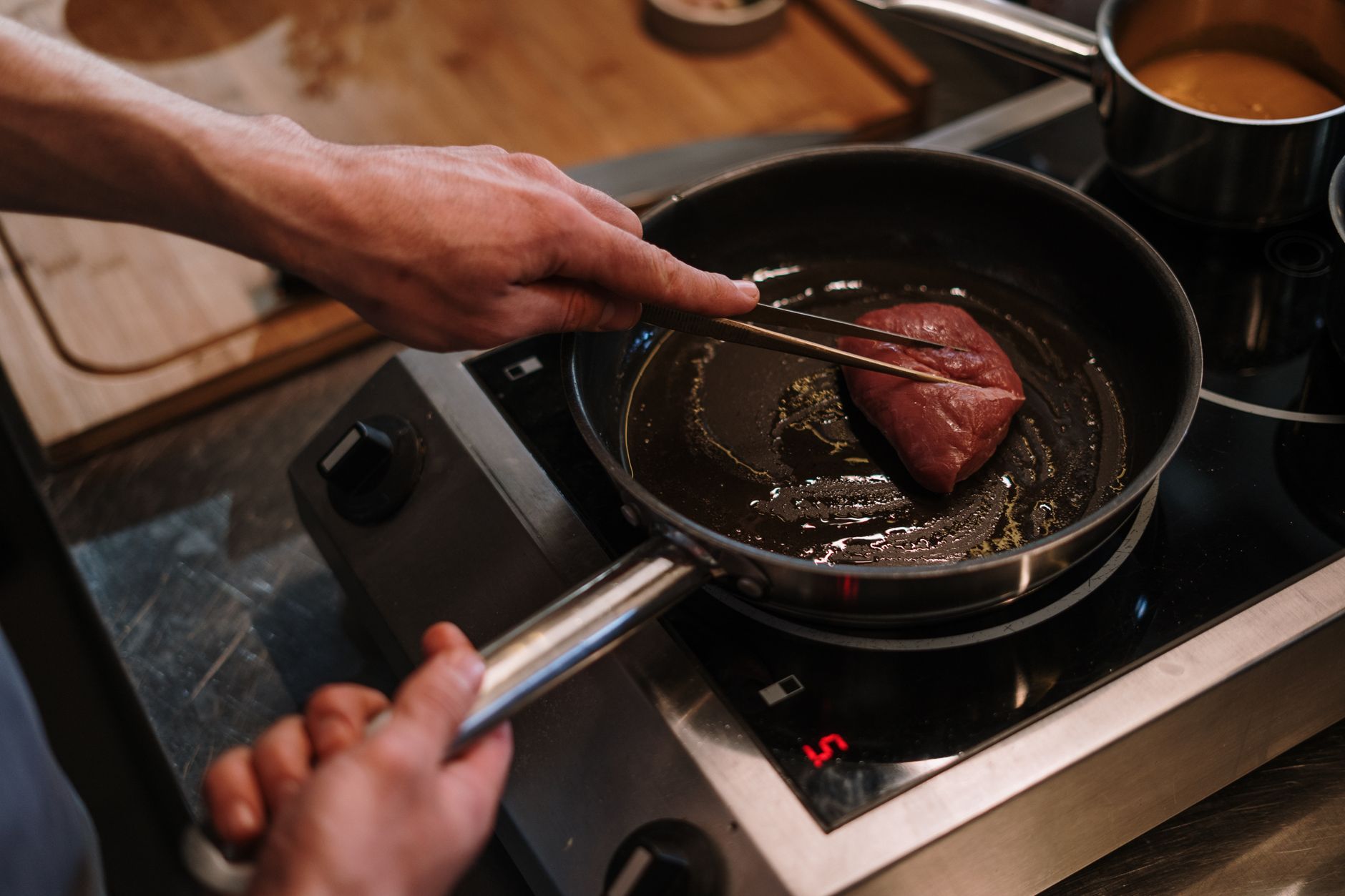
Cooking with beef tallow also influences texture. Proteins seared in tallow usually achieve a crispy, caramelized crust while staying tender inside. Vegetables get a velvety, slightly nutty finish when roasted. Many users describe the aroma as nostalgic and comfortinglike a professional kitchen or traditional family meal.
Rendering and Storage
How to Render Your Own Beef Tallow
Rendering beef tallow at home is simple and can save money while ensuring quality control.
- Step 1: Chop beef fat into small cubes or grind it.
- Step 2: Place the fat in a large heavy pot on low heat (around 200F).
- Step 3: Slowly melt fat, stirring occasionally, for 23 hours until liquid is clear.
- Step 4: Strain through a fine mesh or cheesecloth to remove solids.
- Step 5: Pour liquid tallow into clean jars and let cool to solidify.
Rendering low and slow prevents burning and preserves flavor. Use gloves when handling hot fat to avoid burns.
Storage Best Practices
Store beef tallow in airtight containers in a cool, dark place. At room temperature, it lasts 36 months; in the refrigerator, it preserves for up to 12 months. Freezing can extend shelf life to 2 years without quality loss.
How to Tell If Tallow Has Gone Bad
- Off or rancid smell distinct from usual mild beef aroma
- Discoloration or mold spots on surface
- Sticky or slimy texture instead of firm and smooth
If any of these signs appear, discard the tallow immediately.
Environmental Impact
Sustainability of Beef Tallow
Unlike many vegetable oils, beef tallow is a by-product of meat production, making it an efficient use of the whole animal. Using tallow reduces food waste and supports a nose-to-tail approach favored in sustainable cooking. However, cattle farming itself has a larger carbon footprint than plant-based oils, so balance and sourcing matter.
Traditional Fats in Sustainable Cooking
Traditional fats like beef tallow are regaining favor among chefs aiming to cook sustainably without compromising flavor. When sourced responsibly and consumed thoughtfully, tallow fits well into an eco-aware culinary lifestyle.
Choosing Your Cooking Fat
Best Fat for You?
Consider your cooking method, flavor preference, and health goals when selecting fats. Beef tallow shines in frying and roasting. Olive oil is better for dressings or medium-heat sauting. Butter adds creaminess, while vegetable oils can be useful for neutral-flavored frying.
When to Use Beef Tallow
Prefer tallow for deep-frying or dishes where you want added richness and a crisp finish. Its also great in ketogenic and paleo cooking styles that emphasize animal fats. However, combine with diverse fats to maintain balanced nutrition.
Chef Recommendations
Many culinary professionals suggest keeping at least one jar of quality rendered beef tallow in the pantry. It elevates simple dishes and can substitute for butter or oil in recipes needing intense flavor or stability at high heat.

Is Cooking with Beef Tallow Actually Halal What Should I Check?
Beef tallow must come from Halal-certified cattle slaughtered according to Islamic law to be considered Halal. Check for certification logos from trusted bodies like JAKIM, HMC, or IFANCA on packaging. Ask your supplier about traceability and slaughter methods to ensure compliance.
When Is the Best Time to Cook with Beef Tallow?
Use beef tallow when you want to fry or roast at high heat and add robust flavor. Its especially good for weekend cooking or special meals that benefit from enriched taste and texture.
Can Beef Tallow Help with a Keto or Low-Carb Diet?
Yes, beef tallow is ideal for keto and low-carb diets due to its high saturated fat content and absence of carbohydrates. It boosts energy and supports fat-adapted metabolism without raising insulin.
How Do I Know If Homemade Beef Tallow Is Safe to Use?
Safe beef tallow is clear when melted, free of strong odors, and thickens to a pale cream color once cooled. Proper rendering and storage prevent spoilage.
Does Beef Tallow Contain Allergens?
Pure beef tallow is free from common allergens like gluten, dairy, and nuts. However, always verify no additives were mixed in during manufacturing.
Is Beef Tallow Good for Baking?
Yes, beef tallow can replace butter or shortening in pie crusts and pastries to create a flakier texture and richer flavor, especially in savory baked goods.
How Should Beef Tallow Be Stored Once Opened?
Keep opened tallow in a sealed container in your refrigerator. It will keep well for up to 12 months. Always check for rancid smell before use.
Most Overlooked Mistake When Buying Beef Tallow
Many shoppers buy low-quality or mixed tallow products without clear ingredient lists. Using pure, 100% beef tallow ensures better taste and health effects. Avoid tallow blends with unknown oils, which often disappoint in flavor and quality.
Why Cheaper Versions Disappoint
Cheap tallow sometimes contains impurities or unhealthy additives that lower smoke point and create off-flavors. Investing in trusted, Halal-certified tallow improves cooking results and safety.
Expert Tip for Cooking with Beef Tallow
Try combining beef tallow with herbs and garlic during rendering for subtle infusions. This practice adds extra aroma without artificial additives, perfect for Halal-conscious cooks seeking authentic flavor.

More You Might Like
Explore our guide on Foods to eat when constipated for balanced digestion support alongside healthy fat intake.
Looking for gentle meals after dental work? Check out 25 foods to eat after wisdom teeth removala great resource for soft, nutritious choices.
Conclusion
Cooking with beef tallow offers a flavorful, versatile option for high-heat cooking and traditional recipes. With its rich texture, nutritional benefits, and high smoke point, tallow can elevate many dishes. Just remember to choose Halal-certified sources and use it in moderation. Next time youre shopping or cooking, consider reaching for beef tallow and enjoy the difference it makes. Feel free to share your experiences or questions about this classic fat in the comments below.
FAQs
Is Cooking with beef tallow actually Halal — what should I check on the label?
Beef tallow is Halal only if it comes from cattle slaughtered according to Islamic law. Look for certification marks from trusted bodies like JAKIM, HMC, or IFANCA on the packaging. Verify with your supplier about traceability and slaughter methods to ensure compliance.
What is the shelf life of beef tallow after opening?
Once opened, store beef tallow in an airtight container in the refrigerator. It typically stays fresh for up to 12 months, but always check for off smells or discoloration before use to ensure safety.
How does beef tallow differ from common cooking fats like butter or vegetable oil?
Beef tallow has a higher smoke point (around 400–420°F) compared to butter and many oils, making it better for high-heat frying. It adds a rich, beefy flavor and is more stable at heat due to its fat composition, unlike neutral vegetable oils or lower smoke point butter.
Is it safe to consume beef tallow daily?
Moderate consumption of beef tallow can be part of a balanced diet. It provides beneficial fats and fat-soluble vitamins but should be combined with unsaturated oils and diverse foods to maintain heart health and nutritional balance.
Where can I buy quality beef tallow for cooking?
Quality beef tallow is available from specialty butcher shops, health food stores, and online retailers. Choose pure, 100% rendered tallow with clear ingredient labels and Halal certification if required for best flavor and safety.