If you love Japanese food but follow a gluten-free diet, you have probably wondered: is miso soup gluten free? The short answer is yes but only if you choose the right ingredients. Traditional miso paste is made from fermented soybeans, and many varieties are naturally gluten free. However, some miso pastes contain barley or wheat, and common add-ins like soy sauce or certain dashi stocks can introduce gluten. This guide will help you navigate labels, avoid hidden pitfalls, and enjoy a safe, delicious bowl of miso soup at home or in a restaurant.
Understanding Miso Soup Ingredients and Gluten
What Is Miso and How Is It Made?
Miso is a fermented paste made by combining soybeans with a culture called koji (usually rice or barley) and salt. The mixture is aged for weeks or months, developing a rich, savoury flavour. The type of grain used determines whether the miso is gluten free. Rice miso (kome miso) and soybean miso (mame miso) are typically safe, while barley miso (mugi miso) contains gluten because barley is a gluten-containing grain.

Where Does Gluten Hide in Miso Paste?
Even miso labelled as "rice miso" can sometimes be blended with barley for colour or cost reduction. Always check the ingredient list. If you see "barley" or "mugi" anywhere, skip it. Certified gluten-free miso will clearly state that it contains no wheat, barley, or rye. For Halal-conscious buyers, look for certification seals from trusted bodies like JAKIM, HMC, or IFANCA these also ensure no cross-contamination with non-Halal ingredients.
Common Miso Soup Ingredients and Their Gluten Risk
- Miso paste: Risky if barley-based; safe if rice or soy-only and certified gluten free.
- Dashi stock: Traditional dashi uses bonito flakes and kelp (gluten free), but instant dashi often contains wheat-based flavour enhancers. Always read the packet.
- Silken tofu: Naturally gluten free.
- Seaweed (wakame): Gluten free.
- Green onions: Gluten free.
- Soy sauce or tamari: Regular soy sauce contains wheat. Use gluten-free tamari instead.
Hidden Gluten in Miso Soup What to Check
Soy Sauce, Dashi, and Other Sneaky Additions
Many restaurants add a splash of soy sauce to their miso soup base. Even a teaspoon of regular soy sauce can deliver enough gluten to cause a reaction in sensitive individuals. Similarly, instant dashi granules may include wheat starch or maltodextrin derived from wheat. When dining out, ask specifically whether the soup contains soy sauce or instant dashi. If you are preparing soup at home, replace soy sauce with tamari (which is naturally wheat-free) and use homemade dashi or a certified gluten-free dashi powder.
Reading Labels Like a Pro
In the grocery store, turn the jar or packet around and scan three things: the word "barley" or "mugi", any mention of "wheat", and the certification seal. If the product is labelled "gluten free", it must meet strict standards (below 20 ppm gluten) in most countries. For Halal compliance, look for a logo from JAKIM, HMC, or IFANCA. Some miso pastes are also certified organic, which adds another layer of quality assurance.

Cross-Contamination Risks at Restaurants and in Packaged Soups
Even if the miso paste itself is gluten free, a restaurant might use the same ladle for miso soup and noodle broth, or cook both in the same pot. For packaged instant miso soups, the broth base often contains wheat. Always choose products labelled "gluten free" and check the allergen statement for "may contain wheat". If you are highly sensitive, opt for homemade versions where you control every ingredient.
How to Choose and Make Gluten-Free Miso Soup
Best Types of Gluten Free Miso to Use
When shopping for miso, your safest choices are:
| Certification | Price Range | Common Formats | Shelf Life (unopened) | Key Allergens |
|---|---|---|---|---|
| Gluten Free (GFCO or similar) + Halal (JAKIM/HMC/IFANCA) | $6 $12 per 500g | Paste in tub, single-serve sachets | 12 18 months | Soy (if Halal certified, no alcohol) |
| Gluten Free only (no Halal seal) | $4 $8 per 500g | Paste in jar, instant miso packets | 12 18 months | Soy, sometimes wheat in instant packets |
| Conventional miso (may contain barley) | $3 $6 per 500g | Paste in tub | 12 18 months | Barley, soy, wheat (soy sauce additives) |
How to Make Your Own Gluten-Free Miso Soup
This simple recipe gives you a warm, umami-rich bowl that is both gluten free and Halal-friendly when you use certified ingredients.
| Prep time | Cook time | Total time | Servings | Calories | Diet tags |
|---|---|---|---|---|---|
| 5 minutes | 10 minutes | 15 minutes | 2 servings | 55 kcal per serving | Halal, Gluten-Free, Dairy-Free, Vegan (if using vegan dashi) |
Step-by-Step Recipe
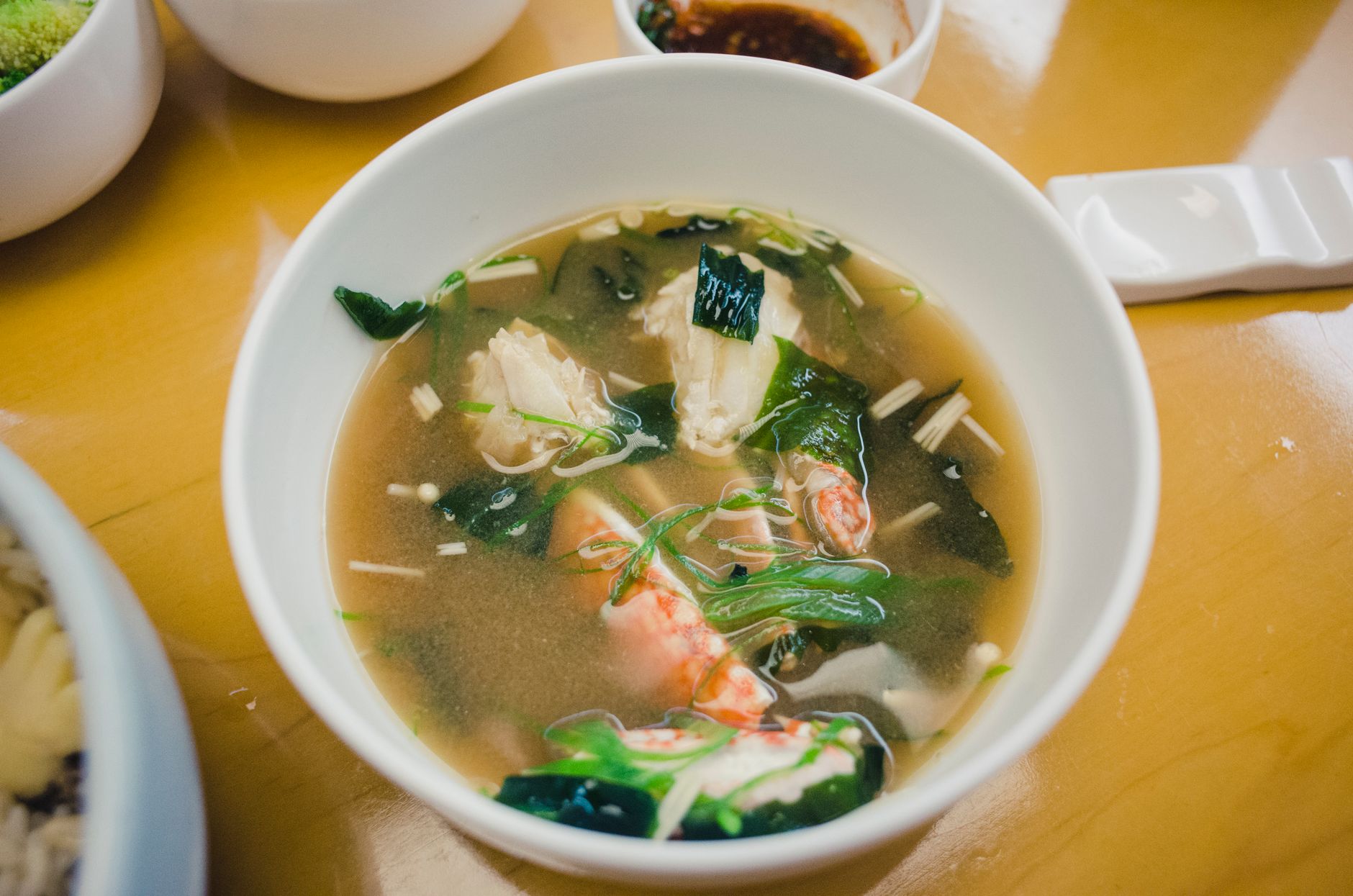
- Prepare dashi: In a small saucepan, combine 2 cups (480 ml) of water with 1 sheet of dried kombu (kelp). Bring to a gentle simmer over medium heat for 8 minutes. Remove the kombu just before the water boils.
- Add bonito (optional): If you are not vegetarian, add 5g of bonito flakes and simmer for 1 minute. Strain through a fine-mesh sieve. For a vegan version, skip the bonito and use 1 teaspoon of gluten-free dashi powder.
- Soak wakame: While the dashi simmers, soak 1 tablespoon of dried wakame seaweed in cold water for 5 minutes. Drain.
- Combine ingredients: Bring the dashi back to a gentle simmer. Add 100g of silken tofu cut into small cubes and the rehydrated wakame. Heat for 2 minutes.
- Dissolve miso: Remove the pot from heat. In a small bowl, whisk 2 tablespoons of gluten-free white or yellow miso paste with a ladleful of warm broth until smooth. Stir the miso mixture back into the pot. Never boil the soup after adding miso it kills the beneficial enzymes and alters the flavour.
- Finish and serve: Taste and adjust with a few drops of gluten-free tamari if needed. Ladle into bowls and garnish with thinly sliced green onion. Serve immediately.
Storage and Reheating
Store leftover miso soup in a sealed container in the refrigerator for up to 3 days. Reheat gently on the stovetop over low heat do not boil. Do not freeze the soup after the miso has been added, as the texture and flavour will degrade.
Why Gluten-Free Miso Soup Is Worth Adding to Your Diet
Health Benefits of Miso Soup
Miso is rich in probiotics, B vitamins, and antioxidants. Fermented foods like miso support gut health by promoting beneficial bacteria. A bowl of miso soup also delivers iodine from seaweed and calcium from tofu. When made with gluten-free ingredients, it fits easily into a balanced diet. If you are looking for other nutrient-dense options, check out our guide to healthy foods to gain weight they pair well with a light miso starter.
When to Be Cautious
People with celiac disease or severe gluten sensitivity should only consume miso soup that is certified gluten free. Even trace amounts from a shared cooking utensil can trigger symptoms. Also note that miso is high in sodium a typical serving contains around 420 mg. If you are on a low-sodium diet, use low-sodium miso paste or reduce the amount by half.
Pro Tips for Perfect Gluten-Free Miso Soup
Common Mistakes and How to Avoid Them
The most frequent error is boiling the soup after adding miso. This destroys the delicate flavour and kills the probiotics. Always remove the pot from the heat before dissolving the miso. Another mistake is using too much miso start with 1 tablespoon per cup of broth and adjust. Over-salted soup can be balanced with a splash of water or a pinch of sugar.
Expert Upgrade Adding Umami Without Gluten
For deeper umami depth without gluten, add a small piece of dried shiitake mushroom to the dashi as it simmers, then remove it. You can also stir in a teaspoon of miso paste made from chickpeas (instead of soy) for a different flavour profile. If you want a creamy texture, blend a spoonful of cooked white beans into the broth before adding the miso.
When is the best time to eat miso soup?
Miso soup is traditionally served with breakfast in Japan, but it works well as a light lunch starter or a warming dinner side. Because it is easy to digest and contains probiotics, many people enjoy it first thing in the morning to soothe the stomach. Avoid drinking it too late at night if you are sensitive to histamine from fermented foods.
Can I use red miso instead of white miso for a gluten-free version?
Yes, but red miso (aka miso) is aged longer and has a stronger, saltier flavour. As long as it is made from soybeans and rice (not barley), it is gluten free. Use about 1.5 tablespoons per 2 cups of broth instead of 2, and taste before adding more.
How do I know if a restaurant‘s miso soup is gluten free?
Ask directly: "Does your miso soup contain any soy sauce, instant dashi, or barley miso?" Many Japanese restaurants use gluten-free ingredients but are unaware of cross-contamination. If the staff cannot confirm, it is safer to skip it. Some restaurants now offer gluten-free menus that include miso soup made with tamari and certified miso.
Is instant miso soup packet gluten free?
Not usually. Most instant miso soup packets include wheat-based noodles, barley miso, or soy sauce powder. However, a few brands like Hikari or Miko make certified gluten-free instant miso soup cups. Always read the label look for the gluten-free seal and check the ingredient list for any form of wheat or barley.
Can I make miso soup without dashi?
Yes, you can use plain water or vegetable broth as a base. Without dashi, the soup will be milder but still pleasant. Boost flavour by adding a splash of gluten-free tamari or a pinch of kelp powder. For a richer broth, simmer a few dried shiitake mushrooms in water for 15 minutes before adding the miso.
What is the difference between gluten-free tamari and soy sauce?
Tamari is a Japanese soy sauce made without wheat. Traditional soy sauce includes wheat as a primary ingredient. Tamari has a thicker consistency and a slightly sweeter, richer taste. Both are high in sodium, but tamari is the safe choice for a gluten-free diet. Always check the label some cheaper tamari blends still contain wheat.
Is miso soup suitable for a Halal diet?
Miso soup can be Halal if every ingredient is Halal certified. Miso paste is typically Halal because it contains no alcohol or animal-derived enzymes, but always look for a Halal logo from JAKIM, HMC, or IFANCA. Dashi made from bonito flakes is permissible as long as the fish was slaughtered according to Islamic guidelines. For a fully Halal version, use vegan dashi or certified Halal bonito.
More You Might Like
If you enjoyed learning about gluten-free miso soup, you may also like our article on the best peanut butter brands another pantry staple that requires careful label reading for gluten and Halal compliance. And for those looking to add healthy calories to their diet, our guide to healthy foods to gain weight offers nutritious options that complement a gluten-free lifestyle.

Conclusion
So, is miso soup gluten free? Yes, absolutely as long as you use a barley-free, certified gluten-free miso paste and replace any wheat-based soy sauce with tamari. By reading labels carefully and preparing your own broth at home, you can enjoy this comforting bowl safely. Next time you shop for miso, check the certification seals and ingredient list. If you have a favourite gluten-free miso brand or a tip for ordering at restaurants, leave a comment below we would love to hear from you.
FAQs
Is miso soup gluten free actually Halal — what should I check on the label?
Miso soup can be both gluten free and Halal if you use certified ingredients. Check the miso paste label for any mention of barley (mugi) or wheat, and look for a gluten-free seal. For Halal compliance, ensure the product carries a logo from JAKIM, HMC, or IFANCA. Also confirm that the dashi stock and any added soy sauce or tamari are certified Halal and gluten free.
How long does gluten-free miso paste last after opening?
Once opened, gluten-free miso paste should be stored in the refrigerator in an airtight container. It typically stays fresh for 6 to 12 months, though the flavour may deepen over time. Always use a clean, dry spoon to avoid introducing moisture or bacteria. If you notice mold, off smells, or a change in colour, discard the paste.
What is the difference between gluten-free tamari and regular soy sauce?
Regular soy sauce is brewed with wheat, making it unsuitable for a gluten-free diet. Tamari is a Japanese soy sauce made with little or no wheat, resulting in a thicker, richer, and slightly less salty taste. Always check the label — some cheaper tamari blends still contain wheat. Certified gluten-free tamari is safe for those with celiac disease or gluten sensitivity.
Is it safe to eat miso soup every day on a gluten-free diet?
Yes, as long as you use certified gluten-free ingredients and watch your sodium intake. Miso is high in salt — about 420 mg per serving — so if you have high blood pressure or are on a low-sodium diet, use reduced-sodium miso or limit portions. For most people, daily consumption provides probiotics and nutrients without gluten concerns.
Where can I buy certified gluten-free miso paste?
You can find certified gluten-free miso paste at well-stocked grocery stores, Asian markets, and online retailers like Amazon. Look for brands such as Hikari, Miko, and South River that clearly label their products "gluten free" and may also carry Halal certification. Instant miso soup packets from these brands are also available, but always verify the label to avoid hidden wheat or barley.