Hey there glad you stopped by. If youve ever found yourself forgetting where you put your keys, zoning out during a meeting, or craving comfort food when you're stressed, youre not alone. Our brains are busy, complicated, and sometimes a little needy. The good news? What we eat can make a gentle but meaningful difference. Today Ill walk you through brain healthy foods that can sharpen focus, support memory, and lift your mood in a friendly, down-to-earth way.
Why food matters
Think of your brain as a high-performance engine. It needs the right fuel to run smoothly not just calories, but nutrients: omega-3s, antioxidants, vitamins, and minerals. These nutrients help with everything from building brain cells and protecting them against oxidative stress to regulating mood and maintaining connections between neurons. And yes, your gut and sleep matter too, but lets focus on whats on the plate for now.
Oily fish
Salmon, mackerel, sardines these are the classic brain foods for a reason. Theyre packed with omega-3 fatty acids (DHA and EPA), which are structural components of the brain and help support cell membrane health and communication between neurons. People who eat fatty fish regularly often report better memory and attention. If youre not into fish, dont worry there are alternatives like algae-based supplements.
Berries
Berries feel joyful on the tongue and generous to your brain. Blueberries, strawberries, and blackberries are full of antioxidants and flavonoids that reduce inflammation and oxidative stress two major enemies of brain health. A handful in your morning yogurt or blended into a smoothie can be a tiny, delicious act of self-care.
Leafy greens
Spinach, kale, Swiss chard these leafy greens are dense with vitamins K, C, folate, and beta-carotene. Studies show that people who eat more leafy greens tend to have slower cognitive decline as they age. I know salads can feel boring, but mix in some fruit, nuts, and a zesty dressing and suddenly its a meal you look forward to.
Nuts and seeds
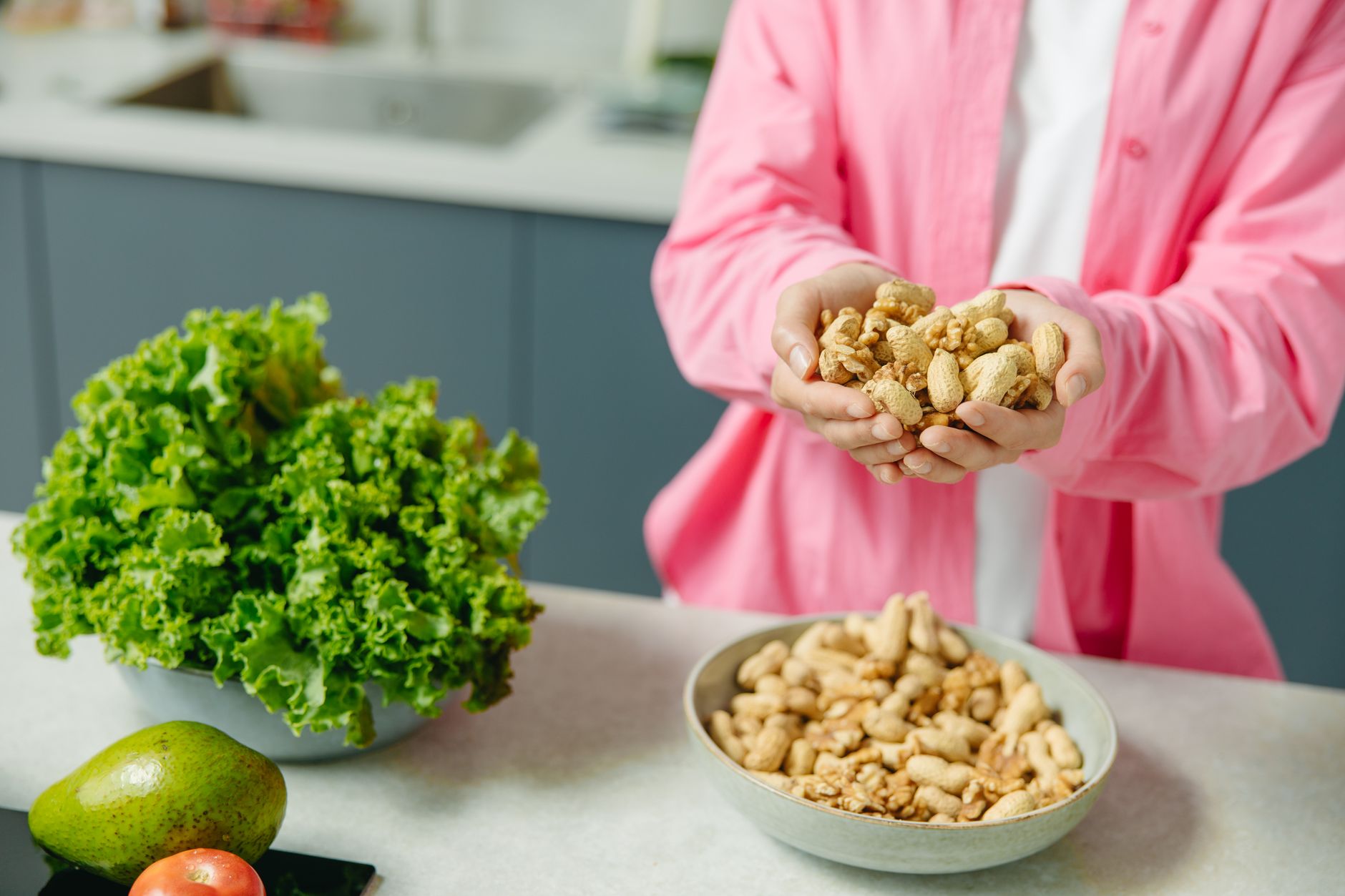
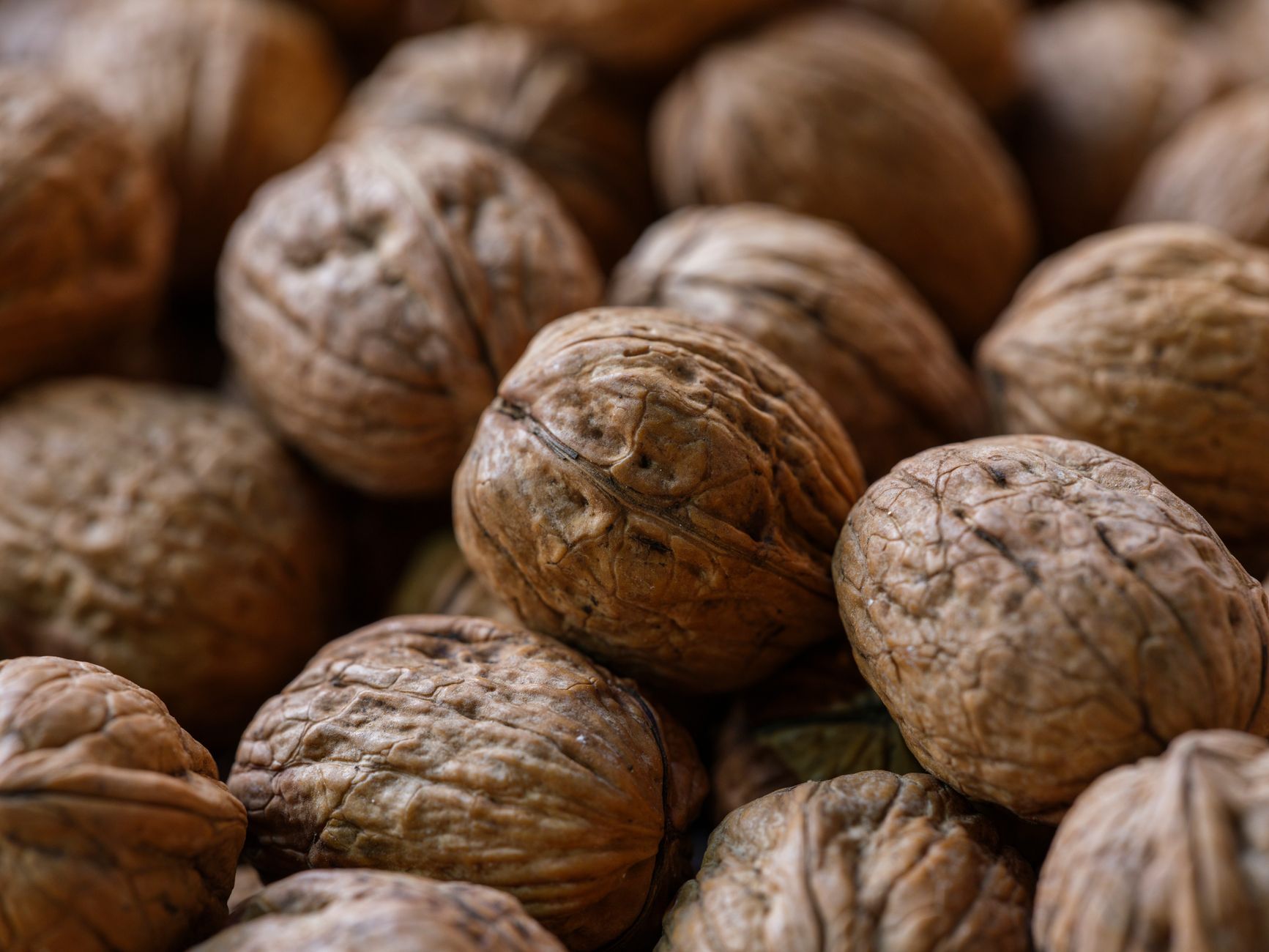
Walnuts are often called brain food theyre a great source of alpha-linolenic acid (a plant-based omega-3) and antioxidants. Pumpkin seeds deliver magnesium, iron, zinc, and copper minerals linked to mood and memory. A small handful as a snack can give your brain a steady supply of nutrients without weighing you down.
Whole grains
Complex carbohydrates from whole grains like oats, quinoa, and brown rice provide a slow, steady release of glucose the brains favorite fuel. This steady energy helps with concentration and mood stability. Swap out refined grains for whole versions where you can, and notice how your afternoon energy feels more even.
Eggs
Eggs are a humble, versatile protein source loaded with choline, which helps produce acetylcholine a neurotransmitter important for memory and learning. If youre worried about cholesterol, know that for most people, moderate egg consumption is fine and eggs offer a real nutritional bang for your buck.
Olive oil
Switching to extra virgin olive oil for your dressings and low-heat cooking is a simple move with big benefits. Its rich in healthy monounsaturated fats and polyphenols that protect the brain from inflammation and oxidative damage. Think Mediterranean-style eating its not a fad, its a pattern that supports longevity and cognitive health.
Turmeric
Curious about spices? Turmeric contains curcumin, which has anti-inflammatory and antioxidant properties and may cross the blood-brain barrier. Some research suggests curcumin supports mood and may help with memory. I love adding turmeric to soups, rice, or a warming golden milk latte when I want a soothing ritual.
Beans and legumes
Beans, lentils, and chickpeas are steady, affordable sources of protein, fiber, and B vitamins. B vitamins (like folate and B12) are essential for brain function and mood regulation. Plus, theyre incredibly versatile toss them in salads, soups, or mash them into spreads.
Dark chocolate (yes, really)
Good news for chocolate lovers: dark chocolate in moderation can be brain-friendly. It contains flavonoids, caffeine, and antioxidants that may enhance memory and slow age-related decline. Aim for 70% cocoa or higher and savor a small piece rather than mindless snacking.
Fermented foods
Your gut and brain are in constant conversation. Fermented foods yogurt, kefir, kimchi, sauerkraut, and miso contain probiotics that help support a healthy gut microbiome, which in turn influences mood and cognitive function. If you struggle with digestive issues, introducing fermented foods slowly can be helpful, but listen to your body.
How to build brain-boosting meals
Okay, so youve got a list of great ingredients. But how do you put them together in a real-world way that actually fits your life? Here are a few practical ideas:
- Breakfast: Greek yogurt with berries, a sprinkle of walnuts, and a drizzle of honey.
- Lunch: Mixed greens with roasted salmon, quinoa, chopped pumpkin seeds, and olive oil-lemon dressing.
- Snack: An apple with almond butter or a small handful of mixed nuts and dark chocolate.
- Dinner: Lentil stew with spinach and turmeric, served over brown rice or with whole-grain bread.
Small, consistent changes beat dramatic one-week overhauls every time. Try swapping refined carbs for whole grains a few times a week, adding a salad to one meal a day, or including fish twice a week. Over time, your brain and mood will thank you.
Foods to enjoy in moderation
Not everything we crave helps the brain. Highly processed foods, sugary drinks, and excessive alcohol can increase inflammation and disrupt energy and mood. That doesnt mean you must eliminate treats; it just means being intentional. Enjoy that slice of cake, but dont make it your daily habit.
Practical tips to make this easy
We all have busy lives, so here are some friendly, realistic hacks to get more brain healthy foods onto your plate:
- Batch cook grains and beans on the weekend theyre lifesavers midweek.
- Keep frozen berries and fish on hand. Frozen produce retains nutrients and is convenience-friendly.
- Prep snack bags of nuts and seeds so youre not tempted by less nourishing options.
- Experiment with one new recipe a week to keep meals exciting.
Quick note about supplements
If youre vegan, have dietary restrictions, or struggle to eat certain foods, supplements like omega-3s, vitamin D, or B12 can be useful. But heres my friendly reminder: supplements should complement a balanced diet, not replace it. Check with a healthcare provider before starting anything new especially if youre on meds or have health conditions.
Want to dive deeper into protein-rich options?
Protein plays a big role in brain healthit's essential for neurotransmitter production and maintaining muscle, which helps overall mobility and wellbeing. If you're looking for specific protein-focused resources, you might enjoy reading about Foods high in protein and low in calories for practical meal ideas and snack swaps.
Final thoughts small changes, big kindness
Feeding your brain isnt about perfection. Its about making small, sustainable choices that add up choosing a handful of berries over a muffin sometimes, picking olive oil instead of margarine, adding a salad or a serving of leafy greens a few times a week. These little acts of kindness toward yourself can change the way you think, feel, and live.
Curious to try a brain-boosting week? Start with one swap: maybe add spinach to your omelet, toss a handful of walnuts on your salad, or swap white rice for quinoa a few nights. Notice how your energy and focus shift and if you want to share what works for you, Id love to hear it. What brain healthy food are you most excited to try?
FAQs
What are brain-healthy foods?
Brain-healthy foods are nutrient-packed choices like oily fish, leafy greens, berries, nuts, whole grains, and fermented foods that support focus, memory, and mood.
Do omega-3 fats really help memory and mood?
Yes. Omega-3s (DHA and EPA) are structural components of the brain and support neuron communication, which can aid memory and attention.
How often should I eat leafy greens for cognitive benefits?
Include leafy greens several times a week; their vitamins, folate, and antioxidants are linked to slower cognitive decline and better brain health.
Can I get brain-healthy benefits from non-fish sources?
Absolutely. Algae-based omega-3s, walnuts, chia/flax seeds, and fermented foods support brain health and gut-brain communication.
Are supplements necessary for brain health?
Supplements can help with gaps, but they should complement—not replace—a balanced diet. Consult a healthcare professional before adding supplements.