If youve ever wondered about the difference between soju and sake, youre not alone. Both beverages are popular East Asian alcoholic drinks, but they vary widely in taste, alcohol content, and cultural roots. Whether youre curious about what makes soju different from sake or keen to find a Halal-certified choice for your consumption, this guide will walk you through clear, trustworthy facts and helpful tips to understand these drinks better.
What Are Soju and Sake?
What Is Soju?
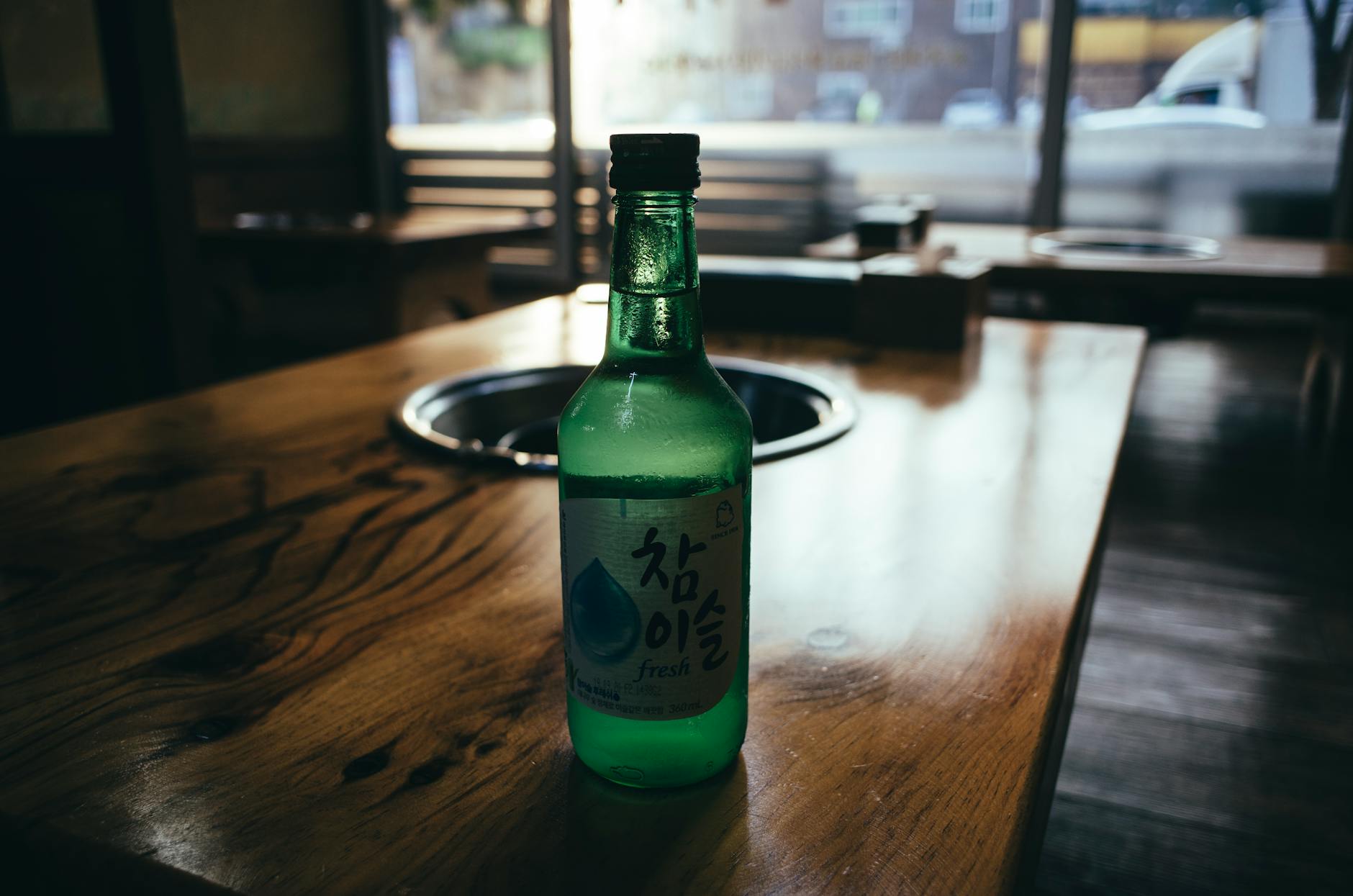
Soju is a distilled alcoholic beverage originally from Korea, made primarily from grains like rice, barley, or wheat, though modern versions can also contain sweet potatoes or tapioca. Traditional soju production involves distillation, giving it a higher alcohol content than many fermented drinks. Typically, soju ranges from 16% to 25% ABV (alcohol by volume), making it smoother and milder than harsher liquors.
Many soju brands offer a clear, slightly sweet profile with a neutral flavor, making it versatile for mixing or drinking neat. Variations include flavored types like peach, citrus, and apple, often enjoyed chilled.
What Is Sake?
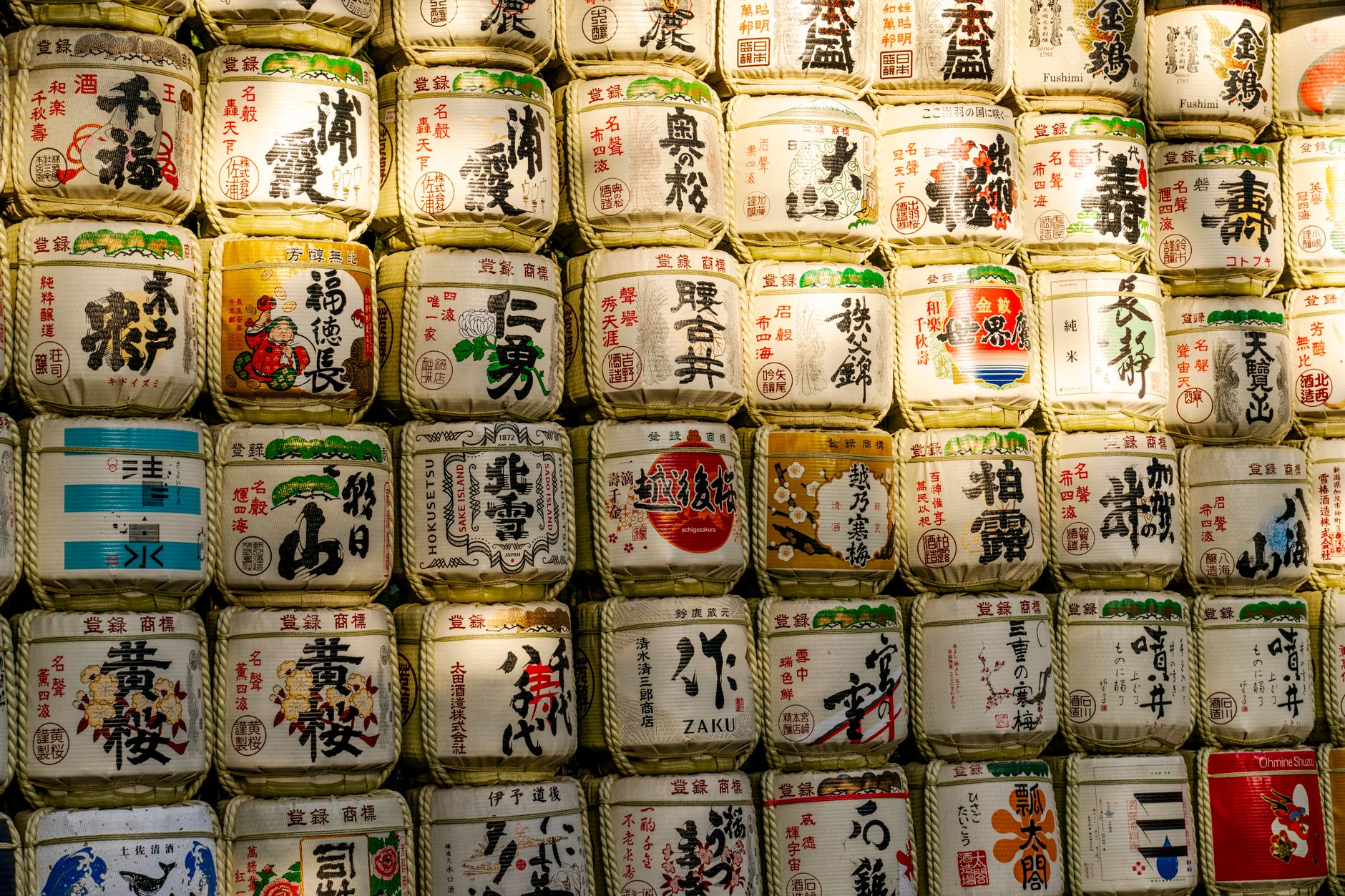
Sake is a Japanese alcoholic beverage made by fermenting polished rice. Unlike soju, sake is brewed, similar to beer or wine, using special koji mold to convert starch into sugars that yeast then ferments into alcohol. Its alcohol content typically sits around 13% to 16% ABV.
Sake offers a broad range of flavor profiles, from dry and sharp to fruity and aromatic. Some varieties have subtle umami notes, making them well-suited for pairing with delicate Japanese cuisine.
Sakes production has deep cultural significance in Japan, often associated with rituals and ceremonies.
Taste Comparison
Whats the Taste Difference Between Sake and Soju?
When comparing sake vs soju taste, soju generally offers a clean, crisp, slightly sweet flavor with minimal aftertaste. Its smooth and easily drinkable, especially for those new to alcohol. Sake, on the other hand, can be more complex and aromatic, with flavors ranging from light and fruity to rich and nutty, depending on the rice polishing ratio and brewing methods.
The delicate flavor of sake pairs exceptionally well with sushi, sashimi, and light dishes. Sojus neutral sweetness complements spicier Korean foods like kimchi and grilled meats.
Which Is Easier to Drink for Beginners?
Soju is generally considered easier to drink for many beginners due to its lower alcohol content and non-intimidating smoothness. Its subtle sweetness masks harsher notes found in other spirits. Sake may range from very mild to rather sharp, depending on the style, which might require some getting used to.
Alcohol Content and Serving
How Does the Alcohol Content of Soju Compare to Sake?
Soju typically contains 16% to 25% alcohol by volume, making it a stronger drink than sake, which ranges from 13% to 16% ABV. This higher alcohol content in soju results from its distillation process versus sake‘s fermentation.
Understanding alcohol levels is important for enjoying these beverages responsibly. For example, a standard 50ml serving of soju packs more alcohol than the same volume of sake.
Common Serving and Drinking Customs
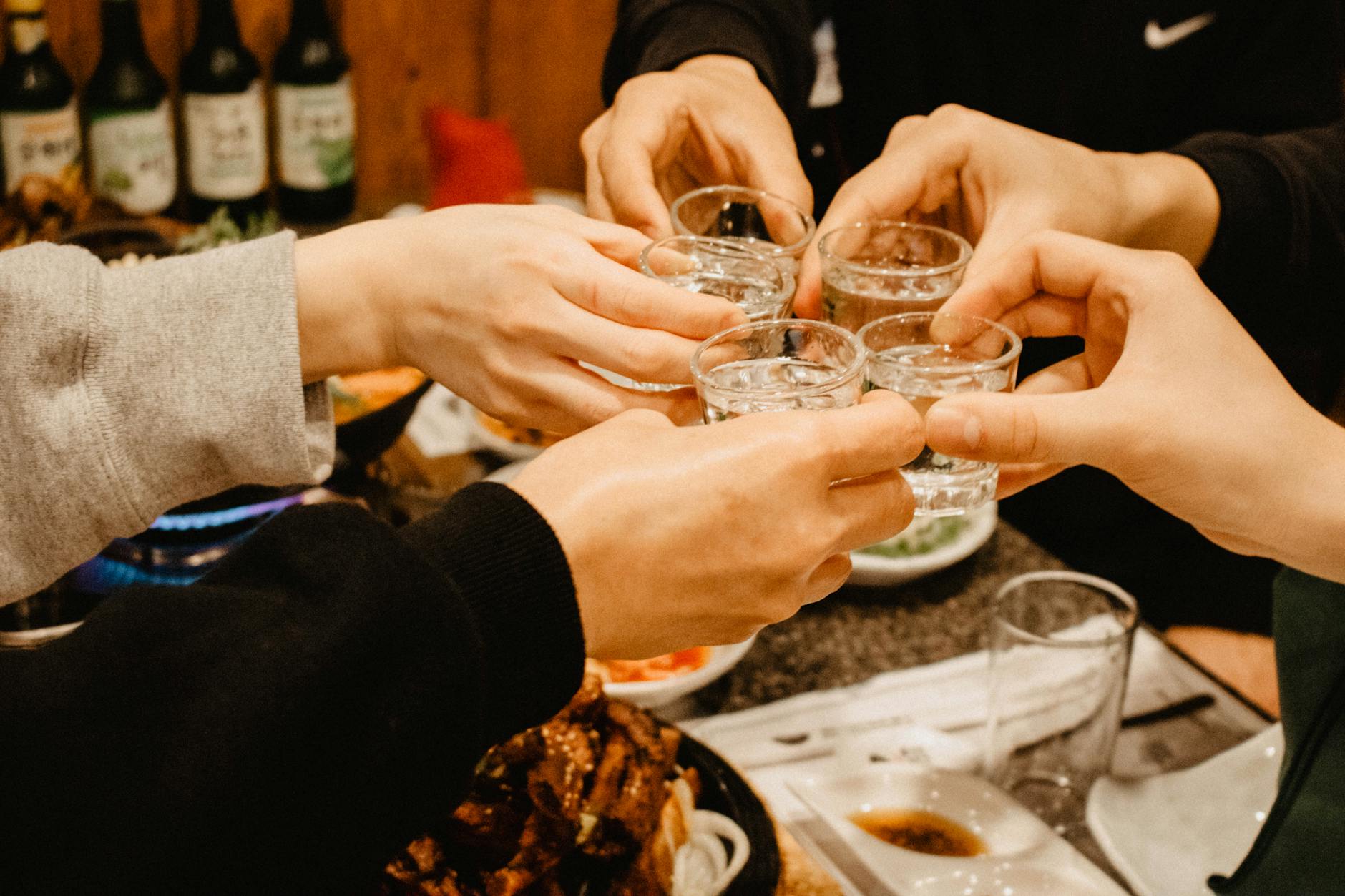
Both drinks have unique cultural serving traditions. In Korea, soju is often served in small shot glasses, poured by a companion, emphasizing respect and camaraderie. It is common to drink soju alongside grilled meats and side dishes in a social setting.
In Japan, sake is traditionally served warm or cold in small ceramic cups called ochoko or wooden boxes called masu. Sake drinking often accompanies quieter meals or ceremonial contexts.

Origins and Culture
Where Do Soju and Sake Come From?
Soju originated in Korea more than 700 years ago, influenced by Middle Eastern distillation techniques introduced during the Goryeo dynasty. Its production evolved around local grains and ingredients, reflecting Koreas agricultural heritage.
Sake dates back over a thousand years in Japan. Its brewing was refined by Buddhist monks and has been intertwined with Shinto rituals and celebrations for centuries. Geography shaped sake‘s profile, with colder regions producing more delicate styles and warmer areas favoring robust flavors.
Cultural and Culinary Traditions
Soju is deeply embedded in Korean social life, from casual meals with friends to formal events. It symbolizes bonding and respect, and often accompanies hearty, spicy foods.
Sakes role transcends dining; it is part of religious ceremonies like weddings and seasonal festivals. Culinary pairing is considered an art, with many chefs selecting specific sake types to elevate their dishes.
Benefits and Risks
Health Considerations of Moderate Consumption
Both soju and sake should be enjoyed in moderation to avoid health risks associated with alcohol. According to the USDA FoodData Central, sake contains roughly 134 calories per 100ml with minimal fat or sugar, while soju varies but is generally similar in calorie content.
Sake contains some amino acids and antioxidants from rice fermentation, while sojus distillation process yields a cleaner spirit with fewer impurities.
Which Suits Your Lifestyle?
If you prefer a lower ABV and sweeter flavor, soju fits well in social and casual settings. Sake suits those interested in traditional brewing details and richer flavor experiences. Both offer Halal-certified options, though its essential to check labels carefully for alcohol sourcing and additives.
Look for certifications like JAKIM or IFANCA on bottled products to ensure compliance with Halal standards.
Quick Reference: Soju vs Sake Buying Guide
| Certification | Price Range | Common Formats | Shelf Life | Key Allergens |
|---|---|---|---|---|
| JAKIM, IFANCA (for Halal soju/sake) | $5$30 per bottle | Bottles (375ml, 500ml, 750ml) | Unopened: 23 years; Opened: Consume within 7 days | Gluten (varies by brand), Rice (sake) |
How to Choose Halal-Certified Soju or Sake
Since both beverages involve alcohol, some Muslims avoid them. However, Halal-certified versions of soju and sake exist where fermentation and distillation processes meet strict Islamic guidelines.
Always look for certification logos from trusted bodies like JAKIM or the Halal Monitoring Committee (HMC). Check the ingredients for additives such as gelatin or flavorings that may not be Halal.
This ensures your drink is both delicious and aligns with your dietary values.
For more about Halal beverages and drinks options, check out our detailed coverage on Starbucks drinks that meet health and religious standards.
Is Soju Gluten-Free?
Many traditional soju brands are gluten-free since they use rice or sweet potatoes. However, some modern versions use barley or wheat, containing gluten. Always check the label if gluten sensitivity is a concern.
What Food Pairs Well With Soju and Sake?
Soju complements spicy Korean dishes, barbecue, and pickled vegetables. Its mild sweetness balances heat and salt.
Sake pairs beautifully with sushi, tempura, grilled fish, and light noodles. The umami in sake enhances seafood flavors.
Exploring food pairings can elevate your drinking experience and help you appreciate each drink‘s unique taste.
How Should You Serve Soju and Sake?
Serve soju chilled in shot glasses or small tumblers. For a refreshing twist, try mixing it with tonic water or fruit juices.
Sake is versatileenjoy it warm (around 104F - 113F) during colder months or chilled (around 41F - 50F) for a lighter taste in summer.
How Long Do Soju and Sake Last After Opening?
Once opened, both beverages should be consumed within a week for the best flavor. Store them tightly sealed in a cool, dark place or refrigerated to slow oxidation.
Can Soju or Sake Be Used in Cooking?
Yes. Both are common in East Asian cooking. Soju can enhance marinades and sauces, while sake is frequently added to broths and glazes to add depth and reduce strong odors in seafood or meat.
How Is Soju Distilled Compared to Other Spirits?
Sojus distillation is usually a single-pass method, producing a clean, mild spirit without the heavy flavor of multi-distilled liquors like whiskey. This lower intensity suits those preferring gentle flavors.
Can Sake Be Carbonated?
Some specialty sakes are lightly carbonated, giving a sparkling effect. These varieties are usually sweet and popular with younger drinkers or as cocktail bases.
Does Soju Have Any Health Benefits?
Moderate soju consumption reportedly aids digestion and relaxes muscles, but excessive drinking nullifies benefits. Its lower sugar content compared to cocktails could be preferable for calorie-conscious individuals.
Pro Tips for Selecting Quality Soju and Sake
- Avoid cheap soju brands that may contain additives or lower-quality alcohol they can taste harsh and cause worse hangovers.
- For sake, look for rice polishing ratios; a lower number (e.g., 50%) means a more refined, delicate flavor.
- Try tasting smaller bottles before committing to larger purchases this helps you spot your preferred styles.
- Keep an eye on Halal certification logos, and dont assume all East Asian alcoholic beverages meet these standards.
- For a richer experience, try pairing your drink with authentic dishes or explore recipes pairing sake, such as those found in our Macchiato vs cappuccino article that discusses beverage pairings in depth.
More You Might Like
- Discover popular Starbucks drinks that are healthy and Halal-certified for your daily caffeine cravings.
- Explore coffee culture contrasts in our detailed Macchiato vs cappuccino guide to refine your tasting skills.
Conclusion
Soju vs sake offers a fascinating glimpse into two distinct East Asian beverages. From their origins and cultural roles to taste and alcohol content, both have unique qualities worth exploring. Next time you shop, check the label carefully for Halal certification and ingredients. Whether you choose the smooth sweetness of soju or the delicate aroma of sake, enjoy your drink responsibly and appreciate the rich traditions behind each sip.
FAQs
Is soju vs sake actually Halal — what should I check on the label?
Halal-certified soju and sake do exist but require careful label checking. Look for trusted certification logos such as JAKIM or IFANCA and confirm there are no non-Halal additives like gelatin or non-permissible flavorings.
How long do soju and sake last after opening?
Once opened, both soju and sake should ideally be consumed within seven days. Store bottles tightly sealed in a cool, dark place or refrigerate to preserve flavor and reduce oxidation.
What are the main differences between soju and other common spirits?
Soju is a distilled Korean spirit with a mild, slightly sweet flavor and lower intensity compared to harsher liquors like whiskey. It generally has less heavy flavor and smoother drinkability.
Is it safe to consume soju or sake daily?
Moderate consumption is key. Both drinks contain alcohol and should be enjoyed responsibly to avoid health risks. Excessive daily drinking may cause adverse effects regardless of type.
Where can I buy quality soju or sake with Halal certification?
Look for certified products in specialty Asian grocery stores, online marketplaces, or halal food outlets. Always verify certification labels and check ingredients before purchase.