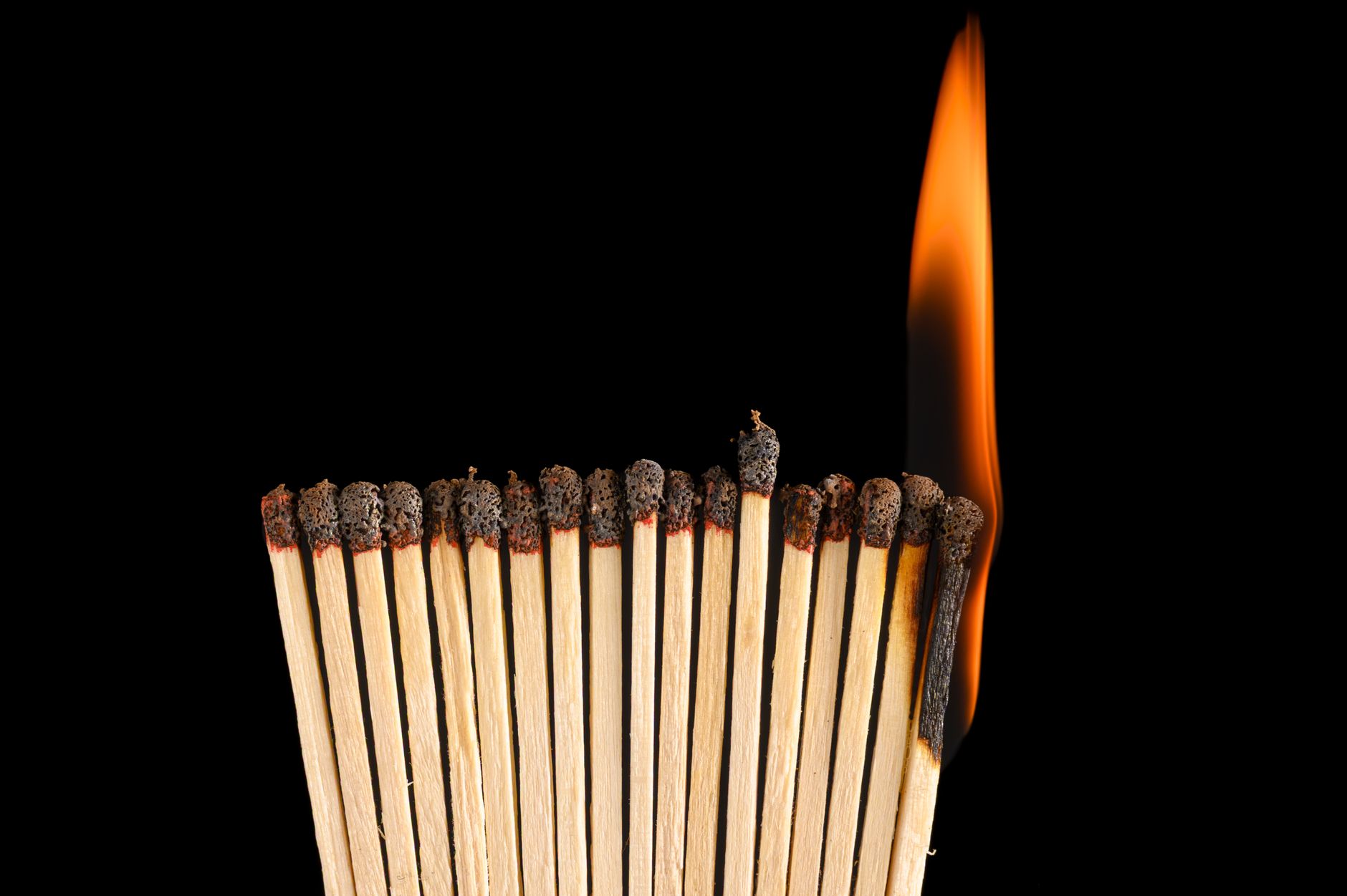
Ever wonder if eating burned toast poses a health risk? While a slightly charred slice might seem harmless, theres been plenty of talk about the burned toast risk, especially linked to cancer concerns. Burned toast contains acrylamide, a chemical formed during high-heat cooking. But how risky is it really? Understanding what happens when bread burns can help you enjoy your breakfast safely while keeping your health in check.
Understanding Acrylamide Formation
What Is Acrylamide and How Does It Form in Burned Toast?
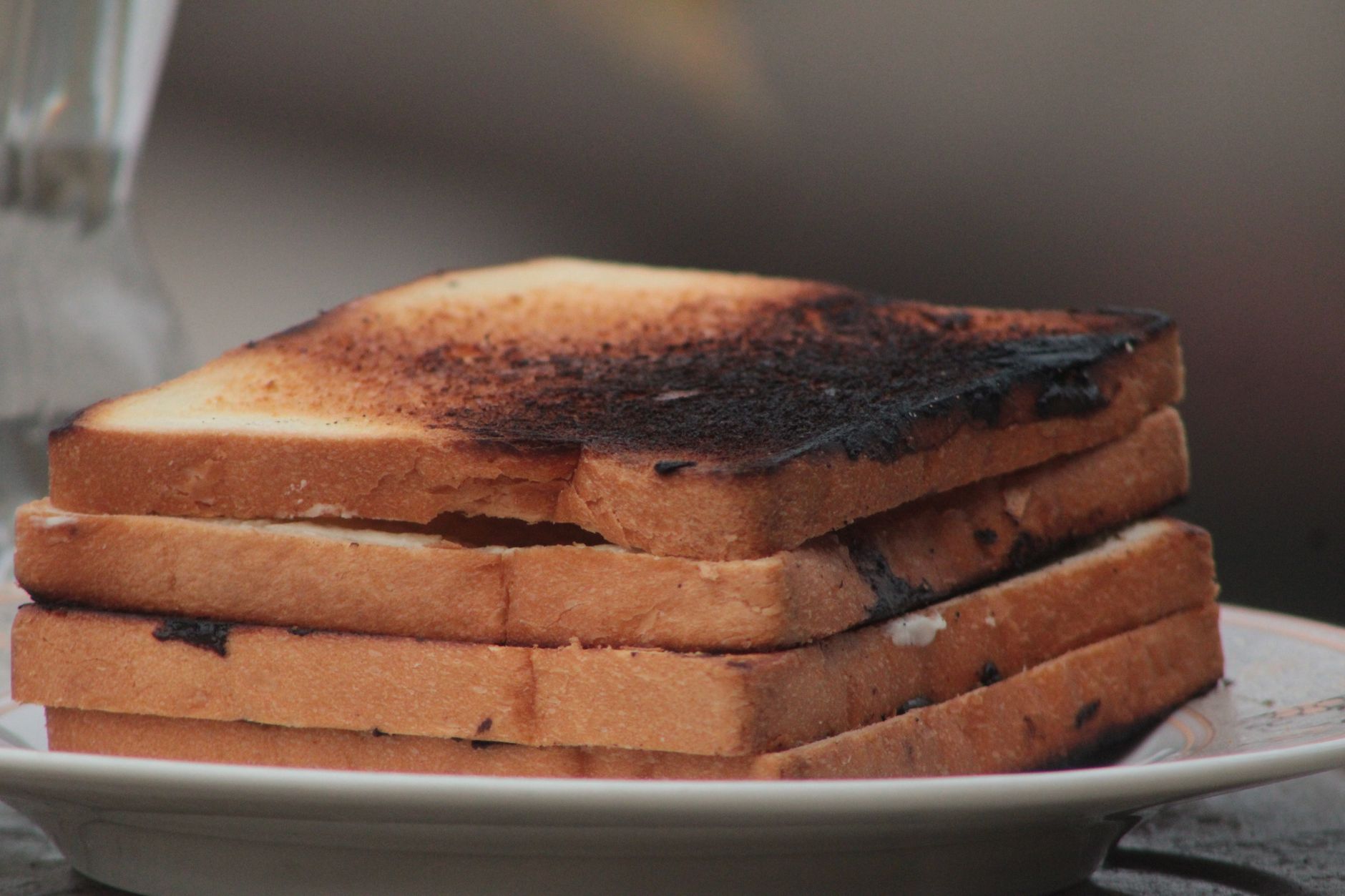
Acrylamide is a compound created when starchy foods like bread are cooked at high temperatures, especially above 120C (248F). This process, called the Maillard reaction, happens when sugars and amino acids interact during toasting or frying. In bread, the risk increases as the toast darkens or begins to char.
Scientific studies highlight acrylamide as a potential carcinogen, meaning it might contribute to cancer development over long-term exposure. However, the amounts in food vary widely depending on cooking time, temperature, and the bread type baked or toasted.
Typical Acrylamide Levels in Burned Bread
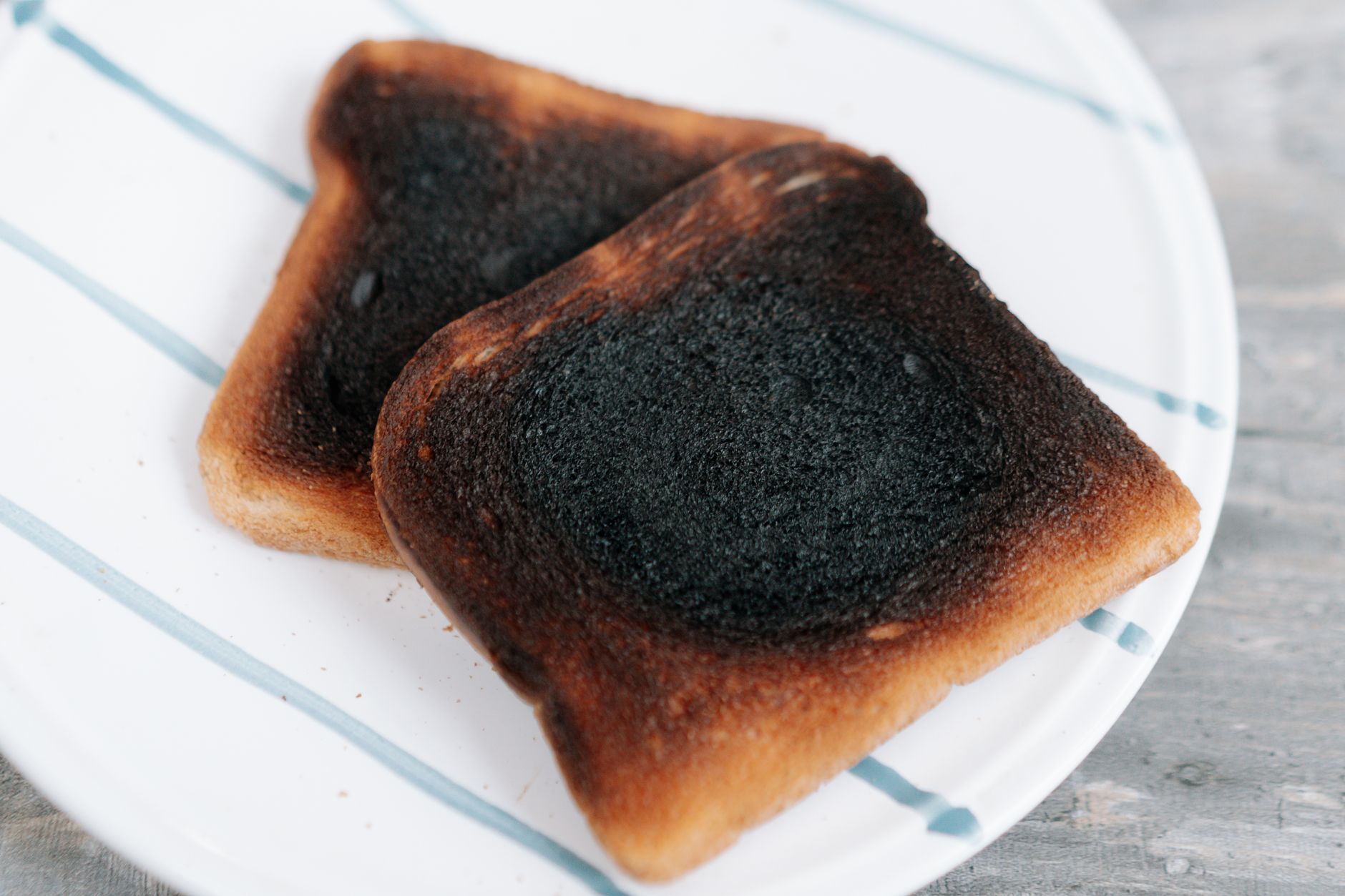
The acrylamide content can range significantly. Lightly toasted bread contains around 30-60 micrograms per kilogram, while heavily burned toast may have levels exceeding 300 micrograms per kilogram. White bread and whole grain bread differ slightly because whole grains often contain more free amino acids involved in acrylamide formation.
Food safety authorities like the European Food Safety Authority (EFSA) report that acrylamide levels spike the darker and more burnt food becomes. Thats why pale golden toast is generally safer than blackened bread.
Comparison Table: Acrylamide Levels in Common Burned Foods
| Food Item | Acrylamide Range (g/kg) |
|---|---|
| Lightly toasted white bread | 3060 |
| Dark toasted white bread | 150300 |
| Burned toast (blackened) | 300+ |
| Potato chips | 3001000 |
| French fries | 250600 |
| Roasted coffee beans | 100500 |
This table helps you see burned toast isnt uniquely dangerous but shares risks with many commonly consumed foods cooked at high heat.
Cancer Risks of Burned Food
Is Eating Burned Food Linked to Cancer?
Multiple epidemiological studies have looked at the burned toast risk relating to cancer. Some lab results indicate that acrylamide causes mutations in animal cells, but human research remains inconclusive. Cancer organizations classify acrylamide as a probable carcinogen based on animal data but emphasize that typical human exposure through diet is much lower.
Still, the World Health Organization (WHO) and other health bodies advise minimizing intake of heavily burned or charred foods, especially for children, pregnant women, and sensitive groups.
Recommendations from Cancer Organizations
The U.S. Food and Drug Administration (FDA) and EFSA recommend cooking foods until golden yellow, avoiding over-toasting or burning, and limiting fried or charred snacks. Leading cancer foundations suggest balanced diets with plenty of fruits and vegetables to counterbalance occasional acrylamide exposure. Reducing acrylamide intake is a precaution, not a strict ban.
Population Studies on Burned Toast Habits
Studies of populations with high consumption of burned or fried foods sometimes show modest increases in certain cancer types, but confounding factorslike smoking or occupational exposuresoften cloud results. While the data suggest caution, no definitive cause-effect link has been confirmed for burned toast specifically.
For more on food safety and choices, exploring options at Corner bakery cafe salt lake city can provide info about safe, high-quality bread products that minimize risk.
Other Health Effects
Additional Risks Beyond Cancer
Burned toast may not just be about acrylamide. Charred food contains other compounds that can irritate digestion or cause inflammation in sensitive individuals. Eating lots of burnt toast might lead to minor stomach discomfort or worsen acid reflux symptoms for some people.
However, moderate consumption rarely causes immediate health problems. Most people find burned toast bitter and unpleasant long before it becomes risky.
Does Burning Affect Nutrient Content?
Toasting bread lightly can enhance texture and flavor without nutrient loss. Burnt toast, however, loses some B vitamins and antioxidants, which degrade under excessive heat. This reduces the nutritional value slightly, but bread remains primarily a source of carbohydrates and fiber unless heavily charred.
Whole grain breads tend to retain more nutrients despite toasting than refined varieties, making them a wiser choice for health-conscious consumers.

Reducing Burned Toast Risk
Practical Tips to Avoid Burning Your Toast
- Set your toaster to medium or light settings, avoiding the highest settings that blacken bread quickly.
- Use a timer when using a toaster oven or conventional oven. Most breads toast well at 3-5 minutes at 160180C (320356F).
- Choose breads that brown evenly, such as light white or whole wheat slices without added sugars that burn faster.
- Stay nearby while toasting to check the color rather than relying only on time.
If you do burn your toast slightly, scraping off blackened parts with a clean knife helps reduce exposure to acrylamide. It‘s better to discard heavily blackened slices altogether.
Better Alternatives for Crispy Bread
You can achieve crispiness without burning by trying other cooking methods. For example, using an air fryer at 160C for around 4 minutes creates nicely toasted bread with less risk of burning.
Baking slices in the oven at 170C for 68 minutes also helps. Some prefer crisp flatbreads or crackers as snacks instead. For safe bakery sources emphasizing minimal burnout risk, check out options like Corner bakery burbank, which offers freshly baked breads with quality control and clear Halal certifications.
How to Store Bread for Better Toasts
Keep bread fresh in a sealed container or bread box at room temperature for up to 5 days. Avoid refrigeration, which dries bread and makes it toast unevenly. For longer storage, freeze tightly wrapped bread; it keeps well for 1 to 3 months with minimal quality loss.
Choosing Halal-Certified Bread Brands
When buying bread, look for trusted Halal certifications from bodies like JAKIM, HMC, or IFANCA on packaging. These ensure not just permissible ingredients but also good processing standards that often result in cleaner flavor and safer products. Quality breads tend to toast more evenly and predictably.
Common Toasting Mistakes
Avoid toasting bread directly from frozen without defrosting as it can cause uneven browning or burning. Also, breads with high sugar content toast much faster and risk charring. Experiment with different slices to find what suits your toaster best.
Frequently Asked Questions
Can Eating Little Burned Toast Cause Cancer?
Eating a small amount of burned toast now and then is unlikely to cause cancer. The burned toast risk comes from long-term, frequent exposure to acrylamide, not occasional bites. Balancing your diet with fresh whole foods lessens any potential harm over time.
How Often Is Too Often for Burned Bread?
Regularly eating heavily burned or charred toastseveral times a week or dailycould increase your long-term health risks. Moderation is key. Aim for golden brown toast and avoid blackened slices to keep acrylamide intake low.
Are Some Breads Safer to Toast Than Others?
Whole grain breads tend to form slightly more acrylamide due to their amino acid content, but they offer more nutrients. White breads brown faster and can burn unevenly if not watched carefully. Choosing breads with consistent density and lower sugars helps reduce burning risk.
Does Bread Type Affect Acrylamide Levels?
Yes. Bread types vary in acrylamide formation depending on ingredients and processing. Whole wheat and rye breads often have higher levels than white bread due to natural amino acid and sugar content. Still, proper toasting time matters more than bread type alone.
Is It Safe to Eat Toast with Small Black Spots?
You can scrape off small black spots from toast to reduce acrylamide. However, if large portions are burnt or the taste is very bitter, its better to avoid eating those parts.
Does Butter or Jam Affect Burn Risk?
Applying butter or jam before toasting can cause sugars to caramelize faster, leading to increased burning risk. Toast first, then add spreads to enjoy without extra charring.
How Do I Know if Bread Is Halal Certified?
Look for clear Halal certification logos on packaging from authorities like JAKIM, HMC, or IFANCA. These guarantees help you avoid non-Halal ingredients and ensure trusted production processes.
More You Might Like
Discover quality bakery experiences with the Corner bakery cafe salt lake city, offering a range of fresh and Halal-certified breads perfect for safe toasting.
For convenient, delicious options, the Corner bakery burbank location provides artisan breads with clear quality standards and full Halal compliance.
Conclusion
Burned toast risk mainly stems from acrylamide, a chemical produced when bread chars under high heat. Occasional consumption of slightly burnt toast is unlikely to harm you, but frequent eating of heavily burned slices should be avoided. Choosing the right bread, using moderate toaster settings, and removing charred parts keeps your toast tasty and safer. Next time you shop for your bread, check for Halal certification to enjoy wholesome, trusted productsand if youre unsure, feel free to share your toast stories or questions below!
FAQs
Is burned toast risk actually Halal — what should I check on the label?
Burned toast risk itself doesn’t affect whether bread is Halal. To ensure your bread is Halal, look for certifications from authorities like JAKIM, HMC, or IFANCA on the packaging. These confirm the bread meets Halal ingredient and processing standards.
How long can toasted bread be stored before it loses quality?
Fresh bread stored at room temperature in a sealed container or bread box stays good for about 5 days. Freezing can extend quality up to 1 to 3 months. Toasted bread is best eaten soon after toasting for taste and texture.
How does burned toast compare to other burned foods in acrylamide levels?
Burned toast contains acrylamide similar to other high-heat cooked foods like potato chips or french fries. Acrylamide levels increase with darker charring, making over-toasted bread comparable in risk to many fried snacks.
Is it safe to eat burned toast daily or often?
Eating heavily burned toast frequently may raise long-term health risks due to acrylamide exposure. Occasional consumption of lightly toasted bread is generally safe. Aim to toast bread to a golden color, avoiding blackened parts.
Where can I buy quality breads that minimize burned toast risk?
Look for bakeries offering consistent, well-controlled baking processes and Halal-certified breads. Options like Corner Bakery locations provide artisan breads with reliable quality and minimal burn risk.