So, youre standing in your kitchen, ready to whip up something zestymaybe a tangy salad dressing, a refreshing cocktail, or that perfect lime pie. And then the big question hits: how much juice can you actually get from a single lime? Honestly, its one of those things youd think is straightforward, but turns out its a bit messier than just one lime equals X tablespoons.
Heres the quick scoop before we dig deeper: an average lime usually yields around 2 tablespoons (or 1 fluid ounce) of juice. Yep, just about that, sometimes even less. If youve ever bought a bunch of limes thinking youd get way more juice, youre not alone. Lets talk about why that happens, how to squeeze every drop out like a pro, and why knowing the lime juice amount really can save your recipesand your wallet.
What Influences Lime Juice Amount?
If you want to get right down to it, the lime juice yield from a single fruit depends on a few surprisingly sneaky factors. No two limes are created equal, and your results are going to vary depending on what you buy and how you juice.
How Much Lime Juice Does One Lime Actually Produce?
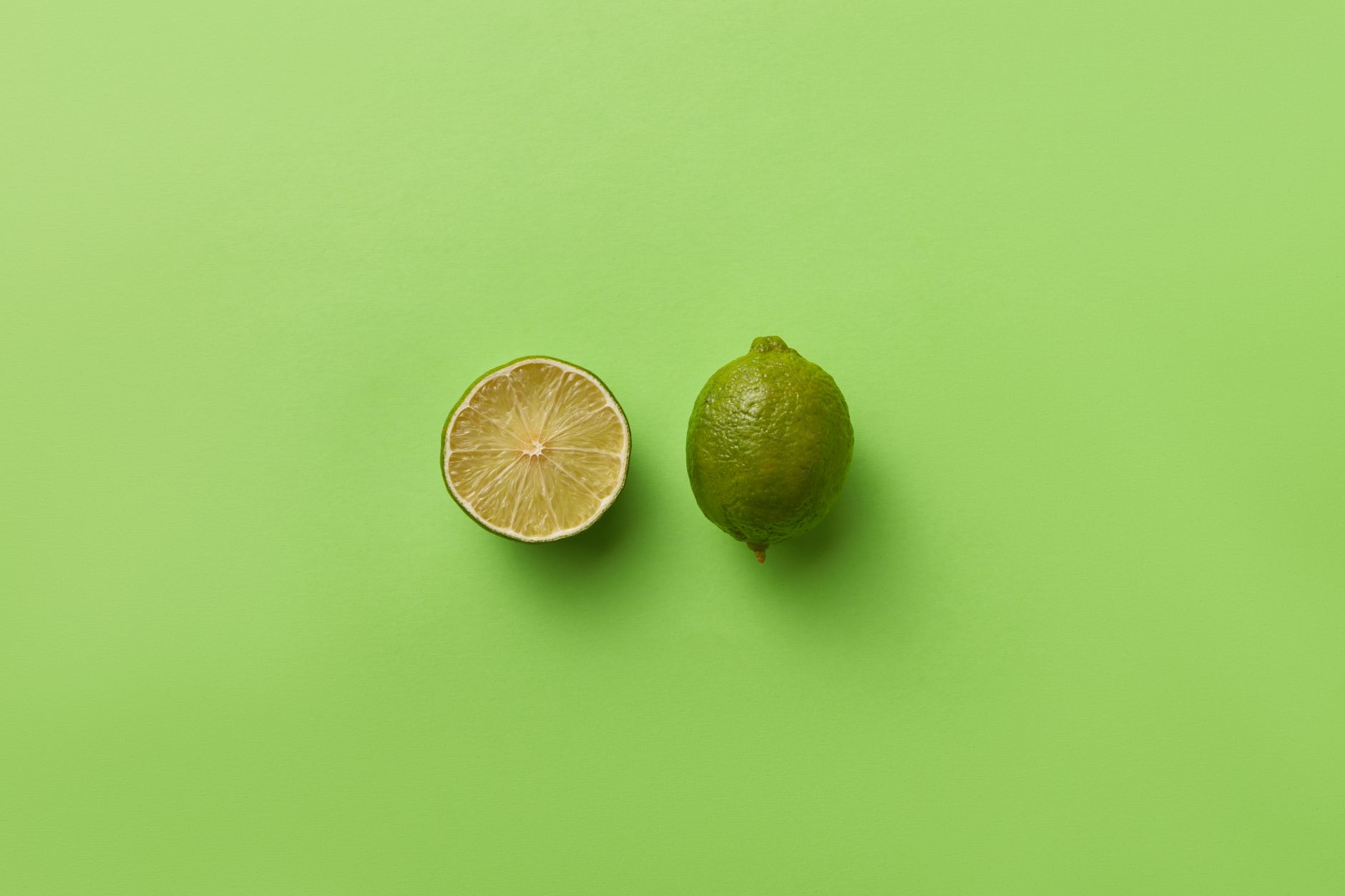
On average, one lime gives you about 2 tablespoons (thats 1 ounce) of juice. Some limes, especially larger Persian limes, might squeeze out closer to 3 tablespoons, while smaller Key limes usually give less, maybe 1 tablespoon or so.
Think of it this way: imagine each lime as a little citrus water balloonthe size, ripeness, and even how thirsty its been (yes, fruit gets thirsty) will affect how much juice you get. So, while two tablespoons is a good rule of thumb, dont be shocked if your lime behaves differently.
What Makes One Lime Juicier Than Another?
Heres where it gets interesting. Several factors play roles in the final juice content:
- Ripeness: Riper limes tend to be juicier. If your lime is hard, chances are it will yield less juice. Giving it a gentle squeeze before buying can help.
- Variety: Persian limes, those bright green supermarket favorites, are generally juicier than Key limes, which are smaller and more tart.
- Storage conditions: Limes stored at room temperature usually hold more juice than those kept in the fridge for a long time because cold can dry them out.
- Juicing technique: This one surprises manyhow you juice can change the output. A trusty handheld squeezer might not extract as much as an electric press or a manual reamer with a good twist.
Honestly, sometimes Ive had limes that felt like little spongesso dry and stubbornand others that gushed like they were on a mission. Usually, warming a lime in your hands or rolling it gently on the counter before juicing helps loosen things up. Give it a try, seriously!
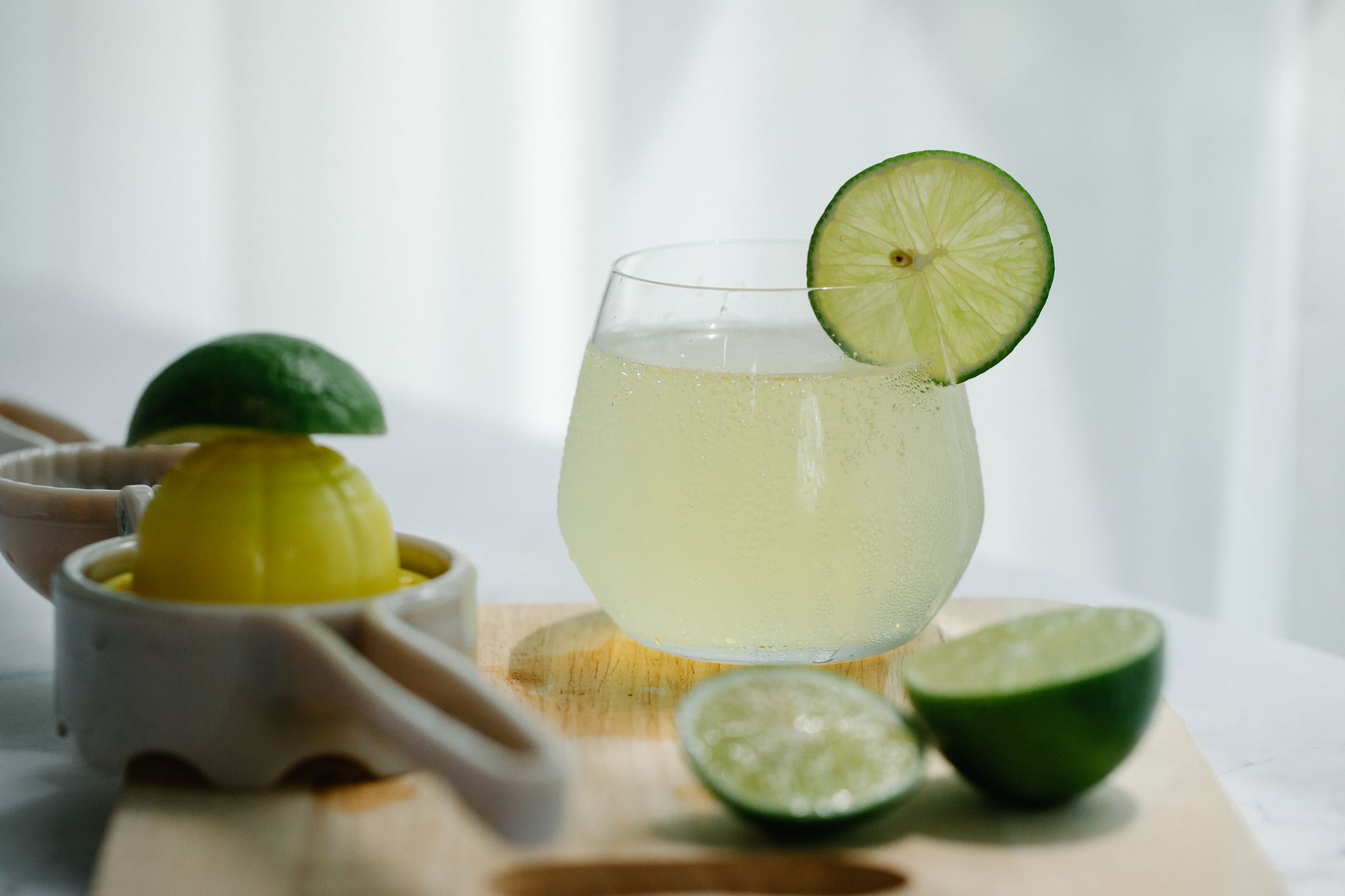
Lime Juice Yield Comparison
| Lime Variety | Average Size | Juice Yield (Tablespoons) | Juice Yield (Fluid Ounces) |
|---|---|---|---|
| Persian Lime | Medium to Large | 2 - 3 | 1 - 1.5 |
| Key Lime | Small | 1 - 1.5 | 0.5 - 0.75 |
| Bearss Lime | Medium | 2 | 1 |
Figuring Out Lime Juice for Recipes
Now, that leads us straight to the million-dollar question: how much lime juice per fruit do you actually need for your recipes? Because, lets face it, recipes often say things like juice of 1 lime or 3 tablespoons lime juice, and its not always clear how to properly translate that at the grocery store or in the kitchen.
How Many Tablespoons Are in One Lime?
The simplest rule is to use 2 tablespoons as your baseline for one average lime. This helps when adjusting recipes, especially if youre making cocktails or salad dressings where precise acidity matters.
But if your lime is small or stubborn, dont be afraid to grab an extra one or two. Its way better to have a bit more lime juice on hand than to fall short mid-mix.
Fresh vs Bottled Lime Juice: Whats the Difference?
Heres the deal: fresh lime juice brings better flavor, brightness, and that vibrant zing your taste buds crave. Bottled lime juice? Its okay for emergency swaps, but usually, its less fresh, with preservatives and sometimes added salt or sugar. If you want to get the best flavorespecially in cocktails or guacamolefresh is the way to go.
By the way, if youre curious about other beverages and how they stack up nutritionally or taste-wise, you might find this breakdown on Dr Pepper nutrition label or comparisons with different juice drinks pretty eye-opening.
Getting The Most Juice Out of Your Limes
Heres my favorite little trick, from one lime lover to another:
- Roll it! Place your lime on the counter and gently press it down with your palm, rolling it back and forth. This breaks down some internal membranes and loosens juices.
- Microwave for 1015 seconds. Yes, really. Warm limes tend to yield more juice because the oils and liquids loosen up.
- Cut lengthwise, not crosswise. Slicing into halves (top to bottom) exposes more juice pockets than slicing into disks.
- Use the right toola manual reamer or citrus press helps get more juice than hand squeezing.
Trust me, these little steps make a big difference, especially when youre trying to nail that perfect lime tartness.

Why Knowing the Right Lime Juice Amount Matters
It might sound like a small thing, but knowing exactly how much lime juice youre working with isnt just for the prosits for anyone whos ever felt frustrated when a recipe turns out too sour, too bland, or just flat.
The Bright Benefits of Proper Lime Juice Amount
Lime juice isnt just flavor. It packs a punch of vitamin C, antioxidants, and can even help boost your digestion and metabolism. Plus, the level of acidity in lime juice plays a key role in how ingredients like fish or dairy behave, especially in raw or marinated dishes.
Getting the lime juice amount just right means your food tastes balancedtangy where it should be, but never overpowering or unbalanced. Think of it as the perfect note in your culinary symphony.
Watch Out: Too Much or Too Little Juice Can Ruin the Dish
When you use too much lime juice, it can be overpoweringturning a mellow dressing into a puckery punch in the teeth, or making your cocktail downright sour. Too little, on the other hand, leaves everything limp and missing that magic zing.
For example, in creamy dishes or cocktails with dairy, too much acidity can make the mixture curdle, which is just plain messy. Its happened to me more than once, and let me tell you, a ruined batch of key lime pie filling is heartbreaking.
Finding the Best Limes for Juicing
Alright, so you might be wondering, How do I pick the juiciest limes in the store? Youre not alone! Heres a quick guide to help you choose like a pro:
- Look for limes with smooth, glossy skin. Wrinkly or dull skin usually means the lime is dried out and tough.
- Pick limes that feel heavy for their size. Heavier limes tend to have more juice. If it feels light, it might be more like a lemon trying to be a lime.
- Give it a gentle squeeze. The lime should be firm but have a slight give. If its rock hard, its probably not juicy yet.
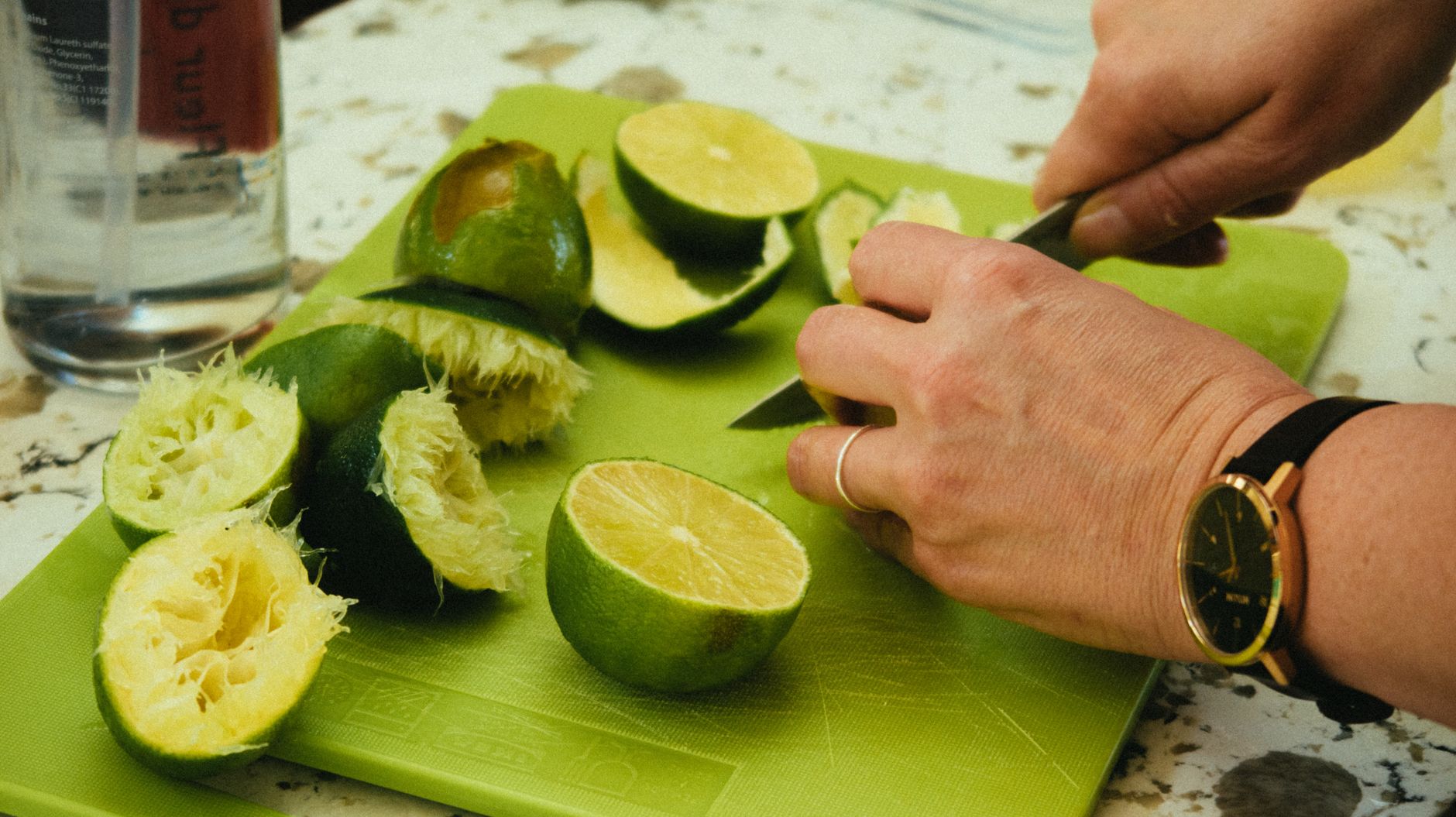
And if you want a quick visual reminder, try this out next time youre at the store and see how much juice you get from your chosen limes. Soon, youll be a juicing ninja in no time.
Wrap-Up
So, weve unraveled the mystery of the lime juice amount: a typical lime yields about 2 tablespoons of juice, but that number wiggles depending on size, type, ripeness, and how well you juice it.
Armed with tips on picking the best limes, juicing smarter, and estimating juice for recipes, youre set to stop guessing and start crafting food and drinks that genuinely impress. Whether youre shaking up margaritas, dressing salads, or brightening up a dessert, understanding how much lime juice per fruit you actually get means less waste and more flavor.
Give it a try next time youre standing by the sink with several limes and a juicer. Notice the differences, experiment a little, and as alwaysdont be shy to share your juicing hacks or questions. After all, learning together makes this kitchen journey way more fun.
Happy squeezing!
FAQs
How much juice does one average lime produce?
On average, one lime yields about 2 tablespoons (1 fluid ounce) of juice, but this can vary depending on the lime’s size and variety.
Does the type of lime affect the juice amount?
Yes, Persian limes generally provide more juice (2 to 3 tablespoons) compared to smaller Key limes, which usually yield around 1 to 1.5 tablespoons.
What’s the best way to get more juice from a lime?
Rolling the lime before juicing, warming it slightly, cutting lengthwise, and using a manual reamer or citrus press can help extract the maximum juice.
Can storing limes in the fridge affect their juice content?
Yes, limes stored at room temperature tend to retain more juice, while long refrigeration can dry them out and reduce juice yield.
Is fresh lime juice better than bottled lime juice?
Fresh lime juice offers brighter flavor and fewer additives, making it preferable for taste and quality over bottled lime juice.