You might think ginger ale is a simple, refreshing sodabut Canada Dry has stirred up more than just bubbles. The brand has faced a variety of legal troubles, mainly revolving around whats actually inside the bottle versus what its marketing claims. These disputes, especially about the ginger content and branding, have made Canada Dry a hotspot for lawsuits and consumer debates. So, whats really going on behind the scenes of this iconic soda?
Main Legal Issues
Why Has Canada Dry Faced Lawsuits Over Its Ingredients?
The heart of Canada Drys legal struggles lies in the question: Does it really contain real ginger? Several lawsuits have accused the brand of misleading consumers by implying that their ginger ale includes a significant amount of genuine ginger root, when in fact the product contains little to no real ginger. Consumers and advocacy groups claimed this was deceptive advertising.
Scientific tests have supported these claims to some extent. An independent analysis of Canada Dry found that the ginger ale contained synthetic flavors and small traces of ginger oil, but not the substantial ginger content that customers might expect. Brands like Canada Dry generally rely on artificial flavorings known as ginger flavor rather than fresh ginger juice or extracts if you look at the ingredient list carefully.
This kind of dispute highlights how ingredient transparency can quickly turn into a legal issue when marketing messages dont align closely with the actual formulation. Regulatory bodies like the FDA require beverages to disclose their ingredients, but the terminology used in advertising can be a gray area, leading to consumer confusion.
How Has Canada Drys Name Become a Legal Hotspot?
Besides ingredients, the Canada Dry name itself has been subject to scrutiny. Some critics point out that the brand name suggests a Canadian origin or a certain quality standard that the soda doesnt necessarily meet today, as its manufactured and distributed internationally under various agreements. This has led to trademark disputes in certain regions and allegations of consumer confusion regarding the products source.
While trademark laws generally protect brand names, the question arises if names like Canada Dry mislead consumers about authenticity, especially when paired with marketing language hinting at natural or traditional recipes. These debates have occasionally cropped up in court cases and regulatory reviews.
What Other Soda Legal Cases Are Similar?
Canada Dry isnt alone in facing these beverage legal challenges. Other major brands have been sued over ingredient labeling or advertising claims. For example, lawsuits over natural claims or sugar content have become common in the soda industry.
This kind of scrutiny is part of a wider push for honest marketing across all consumables. Consumers increasingly want clean-label products with traceable, transparent ingredients. Canada Drys case fits into a larger context of soda brands adjusting to modern standards without alienating long-time buyers.
Ingredient Dispute Truths
Is Canada Dry Made from Real Ginger?
Looking closely, Canada Drys ingredient list typically includes carbonated water, high-fructose corn syrup (or sugar), citric acid, sodium benzoate (a preservative), natural flavors, and sometimes caramel color. The term natural flavors on the label often encompasses oils or extracts derived from ginger, but not fresh ginger juice.
Third-party beverage experts explain this means Canada Dry uses flavoring compounds to mimic ginger rather than actual fresh ginger root. These natural flavors meet beverage industry standards, but the final product doesnt deliver the pungent bite of fresh ginger. The beverage is made to taste mild and sweet with a hint of spice, appealing to a broad market.
Brands selling specialty ginger ales often highlight real ginger juice or natural ginger extract explicitly on the label. Canada Drys more general description can mislead consumers who arent label-savvy or who interpret ginger ale as containing fresh ginger.

What Does Ginger Ale Really Mean Legally?
Legally, ginger ale refers to a flavored soda beverage with a distinct ginger taste, but regulations do not mandate a specific amount of fresh ginger. The FDAs beverage labeling rules focus on truthful ingredient lists rather than forcing products to contain actual fresh ingredients matching the implied flavor name.
This means a soda can be labeled ginger ale even if its ginger flavor comes mainly from synthetic or natural flavor compounds rather than fresh ginger juice. However, companies should avoid claims that would mislead consumers about the presence or quantity of real ginger.
How Have Consumer Expectations Clashed With Marketing Claims?
Many consumers expect that Canada Drys mellow ginger ale will have a real ginger component because of the name and traditional imagery. When ingredient lists or third-party analyses suggest otherwise, it can feel like a betrayal of trust, triggering complaints or lawsuits.
Marketing campaigns that highlight crafted from natural flavors or signature blend add to that confusion. Consumers unfamiliar with beverage manufacturing might see these phrases as implying fresh ginger, not just synthesized flavor oils.
This gap between expectation and reality has made Canada Drys legal troubles a cautionary tale for beverage brands worldwide.
Brand Impact and Consumers
How Have These Controversies Affected Canada Drys Reputation?
Legal challenges around the authenticity of Canada Drys ginger content have certainly impacted brand trust in some circles. However, the company remains a leader in the ginger ale market because many consumers prioritize taste, price, availability, and nostalgia over ingredient purity.
Industry surveys show that while some consumers feel misled, many continue to see Canada Dry as a reliable, enjoyable choice. The brands efforts to maintain consistency in flavor and wide distribution help balance out negative headlines. Transparency and efforts to clarify labeling are key to restoring brand image over time.
What Should Consumers Know About Drinking Canada Dry?
If you enjoy Canada Dry, understanding whats really in the bottle can help you make informed choices. While it doesnt contain significant fresh ginger, it offers a mild ginger flavor thanks to natural flavor compounds. Its a sweetened soda, generally containing around 35 grams of sugar per 12-ounce serving, so moderation is advised for health reasons.
For Halal-conscious consumers, Canada Drys standard recipes generally align with Halal standards, but you should look for trusted certification logos from bodies like JAKIM, HMC, or IFANCA on packaging to ensure compliance, especially if local formulations vary.
The brand also sells ginger ales in sugar-free or zero-calorie versions, catering to those watching sugar intake. Always check the label for ingredient and Halal certification details to be sure.
Lessons For Beverage Brands
How Can Brands Avoid Legal Troubles?
Transparency matters. Clear, honest ingredient labeling and marketing that reflects whats actually in the product can prevent costly legal battles. If the flavor comes from natural extracts instead of fresh juice, that should be clearly communicated.
Regulatory compliance with local standards is essential, as is responsiveness to consumer concerns. Brands that listen to feedback and clarify ambiguous claims build trust and avoid negative attention. Ingredient traceability, certification, and regular consistency checks are practical steps companies can take.
Examples of Successful Brands
Some beverage brands highlight their natural, fresh ingredients explicitly, such as those using actual ginger juice or root infusions, and leverage certifications to appeal to health-conscious consumers. These brands often share their sourcing stories and invite customers behind the scenes, enhancing trust.
For example, niche craft ginger ales emphasize made with 20% fresh ginger juice or small-batch brewed, and regularly seek Halal certification to serve diverse markets. Such clarity often wins consumer loyalty even in competitive sectors.
Champagne vs prosecco offers an interesting look at how beverages differentiate themselves through names and traditions, helping avoid confusion like some faced by Canada Dry.
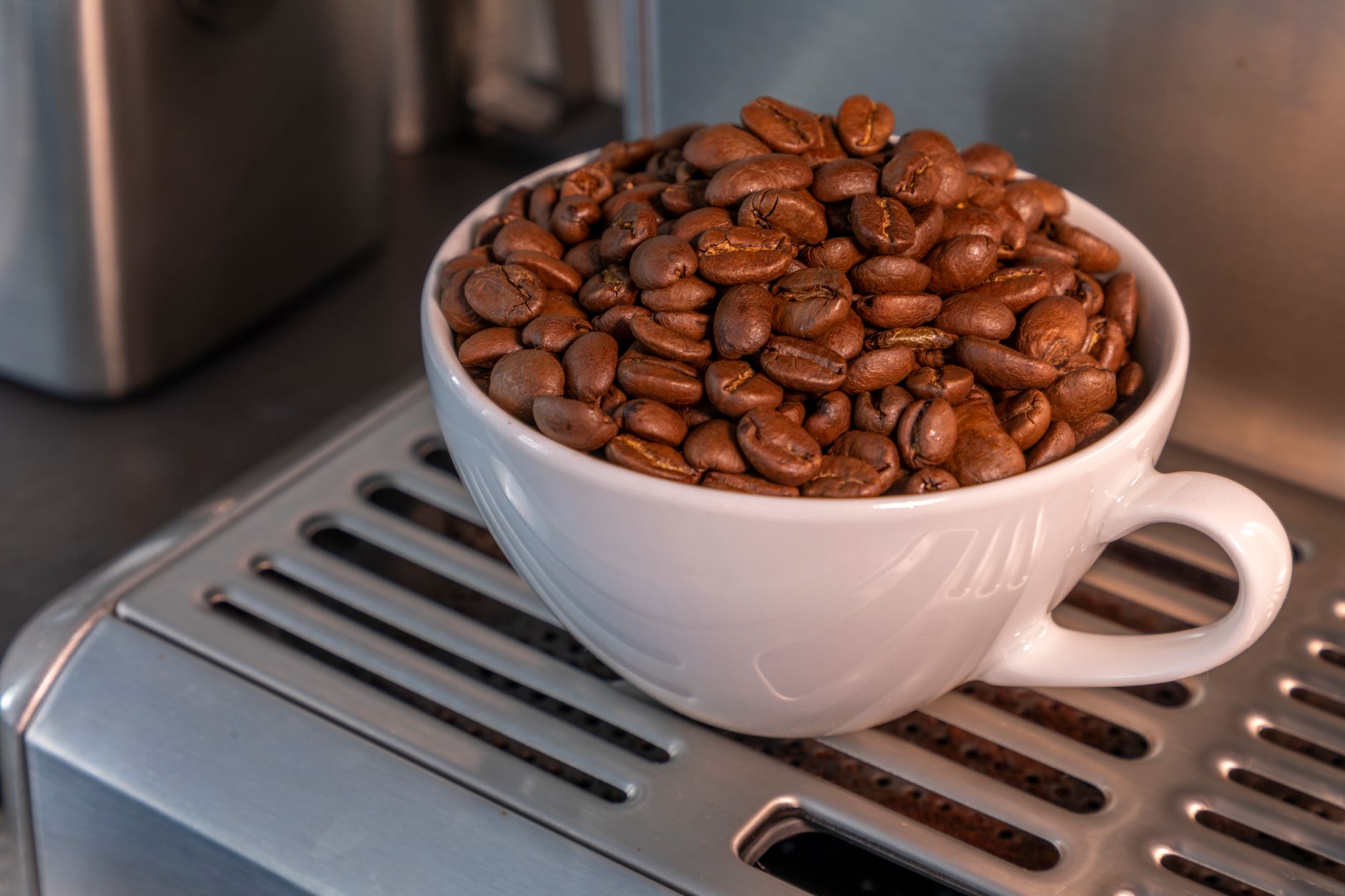
Similarly, understanding the quality and sourcing of Espresso beans can teach brands how storytelling and transparency elevate trust and market success.
What to Look for When Buying Ginger Ale
| Certification | Price Range | Common Formats | Shelf Life | Key Allergens |
|---|---|---|---|---|
| JAKIM, HMC (varies by region) | $1 - $3 per 12 oz bottle | Can, Bottle, 2L Plastic | 9-12 months unopened | Usually none, check preservatives |
When choosing ginger ale, consider these signals: check for Halal certification if required, compare sugar content (aim for less than 40g per serving for healthier options), and verify if natural flavors specify ginger extract or fresh ginger. Beware of misleading claims like ginger-infused without detail.
Most Overlooked Buying Mistake
Many buyers skip reading ingredient labels or certification logos, leading to surprises in flavor or compliance. For health and Halal-conscious shoppers, always verify the label and certification prior to purchase.
Why Cheap Versions Disappoint
Budget ginger ales often cut corners with artificial flavors and high sugar content, offering a sweeter but less authentic taste. Investing a bit more can guarantee better quality and clearer labeling.
Expert Tip
Pair ginger ale with fresh lime or mint to enhance flavor naturally if you prefer mild ginger taste. Also, store bottles in a cool, dark place to maintain carbonation and flavor.
When Does Canada Dry Taste Best?
Chilled, fresh out of the fridge, Canada Dry delivers the smoothest flavor and fizz. Serve within 2-3 days after opening for best carbonation and taste.
Is Canada Dry Actually HalalWhat Should I Check?
Canada Drys ingredients generally comply with Halal standards, but formulas can differ by country. Look for certification logos from JAKIM, HMC, or IFANCA on packaging. Avoid versions with alcohol-based flavorings or non-Halal preservatives.
Does Canada Dry Contain Allergens?
Canada Dry ginger ale usually contains no common allergens like nuts, dairy, or gluten. However, check labels for preservatives or coloring agents if you have sensitivities.
How Much Sugar Is In Canada Dry Ginger Ale?
A 12-ounce can typically contains around 35-37 grams of sugar, which is about 8-9 teaspoons. Sugar-free options are available for those monitoring intake.
Can I Use Canada Dry For Cocktails?
Yes, its mild ginger flavor and carbonation make it a popular mixer. Just be aware that sugar content adds sweetness, so adjust other ingredients accordingly.
What Are The Differences Between Ginger Ale Brands?
Differences often lie in sweetness level, ginger flavor intensity, ingredient sources, and certification. Reading labels and trying small bottles can help you find the best match.
How Should I Store Canada Dry After Opening?
Seal bottles tightly and refrigerate immediately. Consume within 2-3 days for optimal fizz and taste. Avoid temperature fluctuations to prolong shelf life.
More You Might Like
If you enjoy exploring beverage nuances, our article on Champagne vs prosecco explains subtle differences in sparkling drinks. For those who love coffee, our guide on Espresso beans dives into selection tips and flavor profiles.
Conclusion
Canada Dry legal troubles mainly come down to ingredient and marketing claims, especially around its real ginger content. While these issues highlight the importance of clear labeling, Canada Dry remains a popular choice for many. Next time you pick up ginger ale, check the label to see what exactly is inside your bottle, and feel free to share your thoughts or experiences with ginger ales in the comments below.
FAQs
Is Canada Dry legal troubles actually Halal — what should I check on the label?
Canada Dry ingredients generally comply with Halal standards, but recipes may vary by country. Look for Halal certification logos from bodies like JAKIM, HMC, or IFANCA on packaging to ensure compliance, and avoid versions containing alcohol-based flavorings or non-Halal preservatives.
What is the shelf life of Canada Dry after opening?
After opening, Canada Dry ginger ale should be sealed tightly and refrigerated. Consume within 2-3 days to maintain the best carbonation and flavor quality.
How does Canada Dry differ from other ginger ale brands?
Canada Dry often uses natural flavor compounds rather than fresh ginger juice, resulting in a milder ginger taste. Other brands may use higher fresh ginger content or specialty ingredients, impacting flavor intensity and labeling transparency.
Is it safe to drink Canada Dry daily given its sugar content?
Canada Dry contains about 35-37 grams of sugar per 12-ounce serving. Drinking it in moderation is advised, especially if monitoring sugar intake for health reasons. Sugar-free versions are also available.
Where can I buy authentic Canada Dry ginger ale?
Canada Dry is widely available in supermarkets, convenience stores, and online retailers. For Halal assurance, check the packaging for certification logos and buy from trusted sellers to avoid counterfeit or non-compliant versions.