When you grab a bottle of whiskey off the shelf, do you ever wonder what "bottled-in-bond whiskey" means? This label signals more than just a fancy nameits a legal promise of quality and authenticity. Bottled-in-bond whiskey guarantees a certain standard that impacts flavor, aging, and overall trustworthiness, making it a compelling choice for both collectors and casual sippers alike.
Whether you‘re new to whiskey or looking to deepen your knowledge, understanding bottled-in-bond whiskey can help you select better bottles. It stands apart because of strict government regulations, ensuring the spirit inside meets time-tested standards.
Whiskey Standards Explained
What is Bottled-in-Bond Whiskey?
Bottled-in-bond whiskey refers to a special category of American whiskey regulated by the Bottled-in-Bond Act of 1897. This act requires the whiskey to be the product of one distillation season, by one distiller, at a single distillery. To earn the bottled-in-bond label, the spirit must be aged at least four years in a federally bonded warehouse and bottled at exactly 100 proof (50% alcohol by volume). These rules create a transparent guarantee of quality and origin for consumers.
The bottling date and distillery must also appear on the label. This legal standard allows drinkers to trust that what they are buying is consistent and authentic.
How Does Bottled-In-Bond Differ From Other Whiskeys?
Compared to other American whiskeys, bottled-in-bond whiskey carries more stringent rules. For example, to be labeled straight whiskey, aging must be at least two years but bottled-in-bond requires double that time. Also, not all whiskeys are bonded and supervised under federal oversight, which helps prevent blending or dilution without clear disclosure. This oversight means bottled-in-bond whiskeys tend to have more consistent flavor profiles and reliable quality.
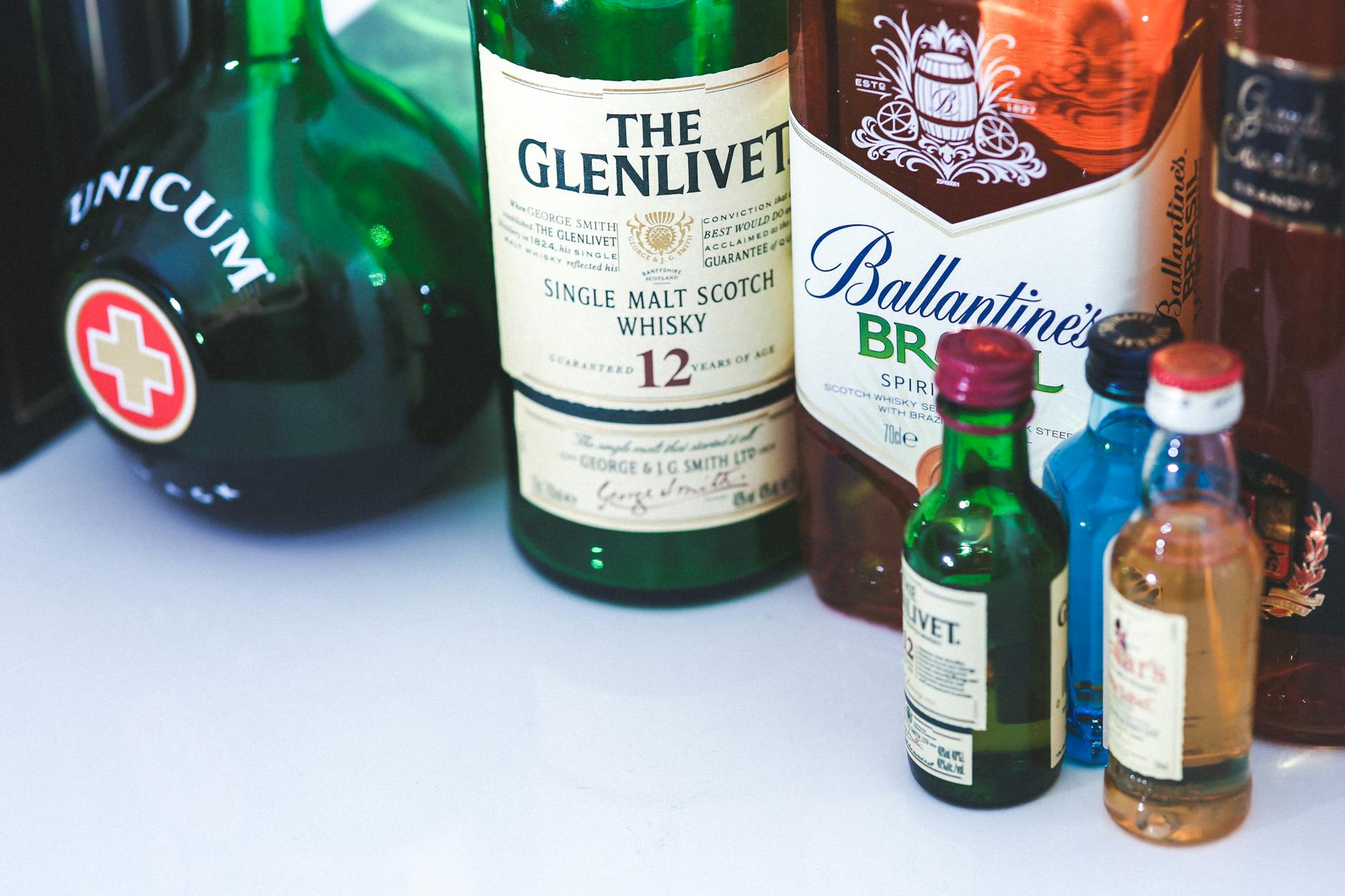
Quick Table: Bottled-in-Bond vs Other Whiskey Types
| Aspect | Bottled-in-Bond Whiskey | Straight Whiskey | Blended Whiskey |
|---|---|---|---|
| Minimum Aging | 4 years | 2 years | Varies, often less than 4 years |
| Alcohol Proof | Exactly 100 proof (50% ABV) | At least 80 proof (40% ABV) | Varies, often 80-86 proof |
| Distillation Seasons | One season, one distiller, one distillery | Multiple seasons allowed | Blended from various sources |
| Labeling | Must include distillery, bottling date, bonded warehouse | Less restrictive | Often less transparent |
Aging & Flavor Impact
What Are the Whiskey Aging Process Rules for Bottled-in-Bond?
At least four years of aging in a federally bonded warehouse is required for bottled-in-bond whiskey. These warehouses are government-supervised sites that ensure the whiskey isnt tampered with during maturation. The whiskey must also be bottled at precisely 100 proof, which preserves its character and depth. This regulated aging provides a dependable period during which the whiskey develops complex flavors and smoothness not achievable in younger spirits.
How Does Aging Impact Flavor and Quality?
The increased aging time allows the whiskey to interact with the charred oak barrels, mellowing harsh alcohol notes and introducing nuanced flavors like vanilla, caramel, and spice. According to master distillers, this controlled environment leads to a velvety mouthfeel and a balanced finish. For example, brands offering bottled-in-bond expressions often highlight richer flavor profiles compared to their standard releases.
Legal Protections
What Are the Key Bonded Whiskey Laws Every Enthusiast Should Know?
The Bottled-in-Bond Act was enacted to protect consumers from misleading claims and substandard products. The main rules include:
- Spirit must be distilled in one season by one distiller
- Matured at least 4 years in federally bonded warehouses
- Bottled at 100 proof (50% ABV)
- Label must disclose distillation and bottling details
This legal framework ensures transparency and quality control, which are especially valuable today when whiskey producers use varied blending and aging techniques.
How Do These Laws Protect Consumers?
These laws give buyers peace of mind. Knowing the whiskey is bottled-in-bond confirms it hasnt been mixed with younger or unknown components, and the proof is fixed to preserve character. The federal supervision reduces risk of fraud or mislabeling. For health-conscious consumers, this traceability allows better product knowledge before purchase.
Benefits and Drawbacks
What Are the Advantages of Bottled-in-Bond Whiskey?
Bottled-in-bond whiskeys offer consistent quality and reliable flavor, making them excellent value for the price. The legal guarantees also make it easier for collectors to understand what theyre buying. Many enthusiasts praise the stronger 100 proof level for bringing out bold, sharp flavors without overwhelming heat. Some also appreciate the whiskeys historical significance as a hallmark of US distilling tradition.
Are There Any Drawbacks or Considerations?
Because bottled-in-bond whiskey must meet strict rules, it sometimes limits flavor experimentation. Younger or blended whiskeys might offer a wider range of profiles, which appeal to those who seek novelty. Additionally, the higher proof might not suit all palates, especially if you prefer milder spirits. Bottled-in-bond expressions can be slightly pricier than entry-level bottles due to the aging and legal costs.
Market Trends & Brands
How Popular Is Bottled-In-Bond Whiskey Now?
Interest in bottled-in-bond whiskeys has resurged recently, fueled by the craft whiskey movement and consumer demand for authenticity. Many boutique distilleries proudly display the bonded label to highlight their commitment to tradition. This trend aligns well with the growing market for transparent, quality spirits. Some fans of Mexican drinks and other imported liquors even use bottled-in-bond choices as their American whiskey benchmark.
Recommended Bottled-In-Bond Whiskey Brands to Try
- Old Forester 100 Proof Bottled-in-Bond Rich vanilla and spice with classic caramel notes.
- Colonel E.H. Taylor Bourbon Highly regarded for its smooth, layered taste and balanced oakiness.
- Stitzel-Weller Bottled-in-Bond Offers a bold, full-bodied profile with deep fruit undertones.
- Yellowstone Select Accessible and flavorful, featuring toasted oak and sweet caramel.
These are great starting points if you want to experience bottled-in-bond whiskeys known for their consistent quality and traceability.

Tips for Buying and Tasting Bottled-In-Bond Whiskey
- Check the label carefully. Make sure it states "bottled-in-bond," includes the distillery, and shows the bottling date.
- Start with established brands. Several widely available options give a reliable preview before exploring smaller producers.
- Taste neat or with a splash of water. Diluting just a bit can open up flavors while taming the 100 proof strength.
- Store properly. Keep bottles upright in a cool, dark place to preserve flavor.
- Consider your palate. Bottled-in-bond whiskey tends to be bolder, so newcomers might want to start slow.
Your Bottled-In-Bond Buyers Checklist
| Certification | Price Range | Common Formats | Shelf Life | Key Allergens |
|---|---|---|---|---|
| Federal Bottled-in-Bond Label | $30$60 per 750ml bottle | Standard 750ml glass bottles | Unopened: indefinite; opened: 12 years if stored properly | Contains grains (corn, rye, barley) |
Is bottled-in-bond whiskey actually Halal what should I check?
Most whiskeys, including bottled-in-bond, are technically not Halal because alcohol consumption is prohibited in Islamic dietary laws. However, Halal-focused consumers should look for certification bodies such as JAKIM (Malaysia), HMC (Halal Monitoring Committee UK), or IFANCA (North America) on labels if purchasing whiskey-related products or flavored beverages purported to be Halal. For traditional distilled whiskey, these certifications are rarely found, so many Muslims avoid consuming it based on their faith‘s guidelines.
How do I read a bottled-in-bond whiskey label?
Look for the words bottled-in-bond prominently on the label. Also check for the distillers name, proof (should be 100 proof), aging duration (minimum 4 years), and bottling date. Avoid claims like "aged less than 4 years" or ambiguous branding without these details, which may indicate the product doesnt meet bonded standards.
Can bottled-in-bond whiskey be aged longer than 4 years?
Yes, many bottled-in-bond whiskeys exceed the 4-year minimum, sometimes aging for 6 to 8 years or more. The label will typically specify the actual age, so you can choose based on maturity preferences.
Is bottled-in-bond whiskey stronger than regular whiskey?
It is bottled at exactly 100 proof, which is stronger than most standard whiskeys usually bottled around 8090 proof. This higher proof helps preserve bold flavor but may pack more heat on the palate.
Are there flavored bottled-in-bond whiskey options?
Flavored whiskeys generally do not qualify for bottled-in-bond status since additives and flavorings break federal definitions. Bottled-in-bond spirits are pure whiskeys that meet strict aging and bottling laws.
What‘s the best way to taste bottled-in-bond whiskey?
Try it neat or add a small splash of water to open up the aromas. Use a tulip-shaped glass to concentrate the nose and sip slowly to appreciate the layered flavors, including vanilla, spice, and oak.
How should I store bottled-in-bond whiskey?
Store the bottle upright in a cool, dark place, away from heat and sunlight. Once opened, consume within 12 years for optimal taste as oxidation can dull flavor.
Expert Buying Tips
One common mistake buyers make is choosing cheaper bottled-in-bond whiskeys without verifying the authenticity of the label. Some products may carry misleading branding but dont meet true legal standards. Always confirm the bottling information and proof to avoid disappointment. Another tip: dont overlook well-known brands initiallythey provide a consistent baseline to understand this category‘s characteristics.
Expert distillers recommend allowing the whiskey to breathe for 1015 minutes before tasting to unlock its full profile. You might also experiment with different glassware to enhance aroma perception.
More You Might Like
Explore the refreshing world of Sierra mist evolution for crisp, Halal-certified beverage choices. Or check out our detailed dive into popular Mexican drinks that pair well with various meals for a flavorful, halal-friendly experience.
Conclusion
Bottled-in-bond whiskey represents a unique blend of history, government regulation, and quality assurance. It promises aged, consistent, and robust spirits that showcase the best of American whiskey craftsmanship. Next time you shop for whiskey, consider this label carefullyyou may discover new favorites or appreciate every sip with more confidence. If youve tried bottled-in-bond whiskeys or have questions, feel free to share your thoughts below.
FAQs
Is Bottled-in-bond whiskey actually Halal — what should I check on the label?
Most bottled-in-bond whiskeys are not Halal as alcohol is forbidden in Islamic dietary laws. Look for Halal certifications like JAKIM, HMC, or IFANCA if seeking Halal-approved drinks. Traditional bottled-in-bond whiskeys rarely have these certifications, so many Muslims avoid consuming them.
What is the shelf life of bottled-in-bond whiskey after opening?
Once opened, bottled-in-bond whiskey can maintain good quality for up to 12 years if stored upright in a cool, dark place away from heat and sunlight. Over time, oxidation can dull the flavor, so it’s best to consume within this period for optimal taste.
How does bottled-in-bond whiskey differ from straight whiskey?
Bottled-in-bond whiskey must be aged at least four years, bottled at exactly 100 proof, and made by one distiller in one season at one distillery. Straight whiskey requires a minimum of two years aging and less strict bottling rules, making bottled-in-bond a stricter and more consistent category.
Is it safe to drink bottled-in-bond whiskey daily?
While bottled-in-bond whiskey is of high quality, regular alcohol consumption should be moderate to avoid health risks. The higher 100 proof strength means it’s stronger than many whiskeys, so it’s wise to sip responsibly and consider personal health conditions.
Where can I buy genuine bottled-in-bond whiskey?
Genuine bottled-in-bond whiskeys are available at liquor stores, specialty beverage shops, and reputable online retailers. Always check the label for the bonded certification, bottling date, distillery name, and 100 proof designation to ensure authenticity.