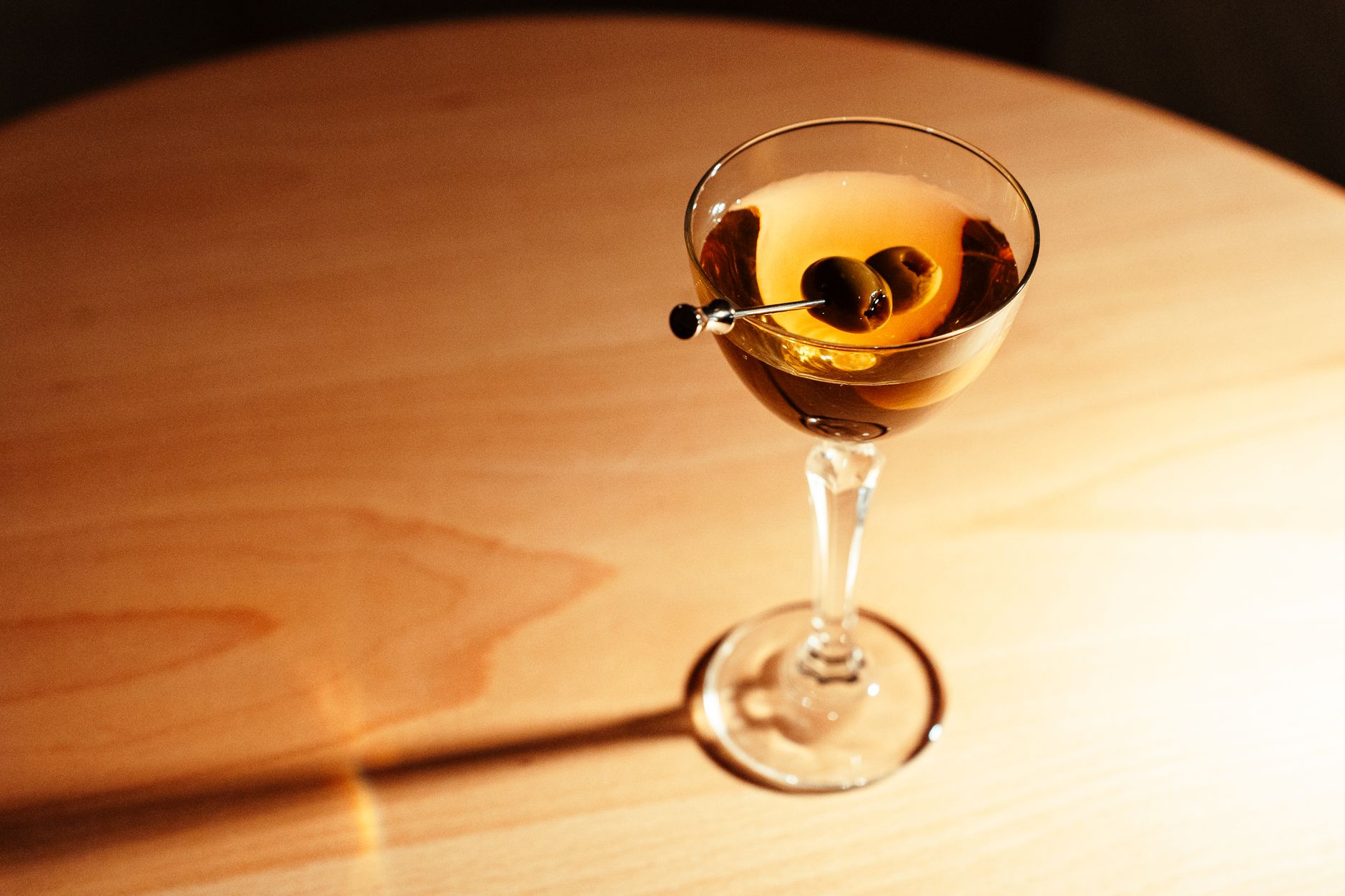
Ever wondered why some drinks are served before dinner and others after? Aperitifs and digestifs might seem similar at a glance, but they play very different roles in your dining experience. Aperitifs are light, often bitter or aromatic drinks enjoyed before a meal to stimulate your appetite. Digestifs, on the other hand, are richer, stronger drinks sipped after eating to help with digestion and to close the meal on a comforting note. Understanding the world of aperitifs vs digestifs can boost your appreciation for these classic drink traditionsand maybe even inspire your next gathering.
Aperitif Basics
The aperitif definition is simple: its a drink served before a meal designed to awaken your senses and whet your appetite. This practice has roots in European dining customs, where the right aperitif sets the tone for whats ahead.
Aperitifs are often dry, lightly flavored, and mildly bitter, encouraging saliva production and priming your palate. Think of them as a refreshing "wake-up call" for your taste buds. Theyre generally lower in alcohol than digestifs and emphasize crispness or aromatic complexity rather than heaviness.
Across cultures, aperture customs vary but share this common goal: to prepare the body and mind for food and, quite naturally, good company. Sommeliers and mixologists highlight how aperitifs can create anticipation and invite conversationtransforming opening moments into something special.
What Are the Most Popular Types of Aperitifs?
Common aperitifs come from wide-ranging ingredients and styles. Some staples include:
- Vermouth: Fortified wine infused with herbs and botanicals. Dry vermouth is classic in many aperitif cocktails.
- Campari: Bright red, bitter-sweet liqueur made from herbs, fruits, and alcohol, famous in the Negroni.
- Dry Sherry: Particularly Fino or Manzanilla styles, they are light and nutty, ideal for a subtle start.
- Lillet: French aperitif wine blended with citrus liqueurs and herbs, offering floral and fruity notes.
- Pastis: An anise-flavored spirit popular in southern France, diluted with water for a cloudy, refreshing drink.
Each offers a distinct flavor profile, from herbal bitterness to citrus brightness, perfect for pairing with light appetizers or snacks.
How Do Aperitifs Differ from Cocktails?
| Aspect | Aperitif | Cocktail |
|---|---|---|
| Purpose | Stimulate appetite before eating | Varies widely: refreshment, celebration, or mixology art |
| Typical Alcohol Content | Lower to moderate (usually 11-20%) | Varies broadly from light to strong |
| Flavor Profile | Dry, bitter, herbal, or citrusy | Can be sweet, sour, bitter, smoky, etc. |
| Serving Time | Before meals | Anytime |
| Examples | Vermouth, Campari, dry sherry | Margarita, Mojito, Old Fashioned |
While many aperitifs appear in cocktails (like a Negroni with Campari and vermouth), not every cocktail functions as an aperitif. The timing and flavor purpose distinguish them clearly.
Digestif Basics
Digestif meaning is straightforward: a drink served after a meal to aid digestion and provide a relaxing finish. Digestifs tend to be richer, sweeter, and often stronger in alcohol than aperitifs, aiming to soothe your stomach and reflect on the meal just enjoyed.
Some digestif drinks offer more than tastetraditional recipes incorporate herbs or spices believed to help settle the stomach or encourage digestion. Scientific research on these benefits is mixed, but the ritual remains deeply rooted in social and culinary culture worldwide.
Enjoying a digestif often means savoring slower-paced momentsgiving your palate a chance to unwind. Any occasion can become more memorable with the right after-dinner drink in hand.
What Kinds of Drinks Qualify as Digestifs?
Digestifs vary greatly. Here are a few classic types commonly enjoyed:
- Brandy & Cognac: Distilled grape spirits, smooth and warming, often aged to develop rich aromas.
- Calvados: Apple brandy from Normandy, France, with fruity complexity.
- Herbal Liqueurs: Examples include Fernet-Branca, Amaro, or Chartreuse, rich in bitters and herbs.
- Bitters: High-alcohol botanicals designed to stimulate digestion.
- Sweet fortified wines: Such as tawny port or rich sherries.
These drinks usually aim for smoothness and depth, encouraging slow sips over conversation or reflection.
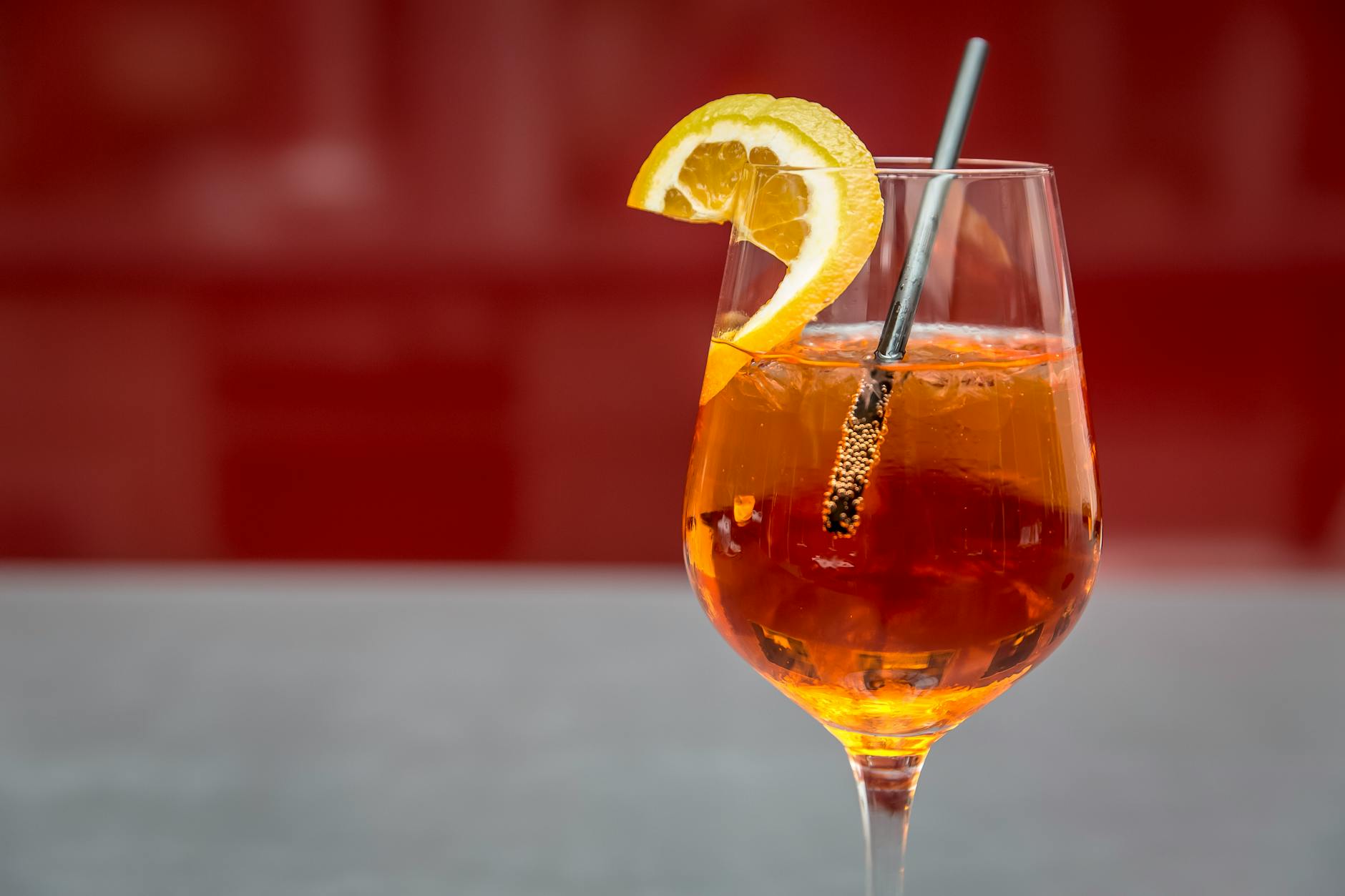
How Do Digestifs Benefit Digestion?
Many digestifs trace their roots to herbal traditions believed to improve digestion. Bitters like those in Fernet-Branca contain herbs purported to stimulate gastric juices. According to some studies, moderate alcohol may aid digestion by increasing stomach acid, though excess can irritate.
Herbal ingredients such as gentian, anise, and fennel have been used for centuries to calm upset stomachs. However, remember that digestive aid is often more about ritual and relaxation than a proven medical treatment.
Enjoy a digestif slowly and responsiblythis will do far more for your comfort than rushing through it.
Key Differences
Understanding the key distinctions between aperitifs and digestifs makes a world of difference next time you host or enjoy a meal. Heres a quick comparison table summarizing the major contrasts:
| Aspect | Aperitif | Digestif |
|---|---|---|
| When Served | Before a meal | After a meal |
| Purpose | Stimulate appetite | Aid digestion and relaxation |
| Typical Flavors | Dry, bitter, light, aromatic | Rich, sweet, bitter, herbal |
| Alcohol Strength | Generally lighter (11-20%) | Stronger, often 20-40% or more |
| Common Examples | Vermouth, Campari, Lillet | Brandy, Cognac, Amaro |
Each type has its distinct role in elevating your meal, from sparking hunger to soothing fullness.
Can a Drink Be Both?
Curiously, the line between aperitifs and digestifs sometimes blurs. For instance, vermouth may be served chilled before a meal or sipped after, depending on culture and preference. Some fortified wines like sherry or port find themselves in both camps.
Regional differences also shape how these drinks are served. In Italy, a light amaro might close a meal, while in France, a similar herbal aperitif could kick off the evening. Tradition, taste, and mood all influence the perfect choice.
Finding your favorite approach means experimenting and noting what feels best for your own enjoyment.
Origins and Culture
Aperitifs and digestifs both have fascinating histories rooted in European dining rituals but with global resonance. Aperitifs come from the Latin word aperire, meaning to open, reflecting their role in opening an appetite.
Digestifs derive from digestivus, meaning aiding digestion. Historically, these drinks were medicinal or ceremonial, gradually integrating into social dining culture.
In France, aperitifs like pastis or Lillet are a proud midday tradition, while in Italy, aperitivo hours invite lively socializing with light bites. Digestifs like Cognac and Grappa have storied legacies shared around cozy tables worldwide.
The cultural allure remains strongboth types offer a way to punctuate meals thoughtfully, turning food into an experience.
Tips to Enjoy Both Well
Wondering how to bring aperitifs and digestifs into your meals? Here are some easy pointers:
- Pair Aperitifs with Light Bites: Small olives, nuts, or mild cheeses complement the fresh, herbal notes.
- Choose Digestifs to Match Your Meal: Rich or fatty dinners pair well with brandy or herbal liqueurs to balance flavors.
- Respect Temperature and Glassware: Serve chilled aperitifs in small wine or rocks glasses; offer digestifs at room temperature in snifters or tulip-shaped glasses.
- Take Your Time: Savor both slowlyrushing dilutes enjoyment.
These simple steps turn a drink into a ritual and a meal into a memory.
If you love exploring beverages with health in mind, you might enjoy our guides on Detox drinks or exotic Sobe drinks for refreshing alternatives throughout your day.
Is Aperitifs vs Digestifs Actually Halal What Should I Check?
When choosing aperitifs or digestifs that are Halal certified, look for trusted logos from certification bodies like JAKIM, HMC, or IFANCA on packaging. Some alcoholic beverages may not meet Halal requirements due to ethanol content, so opt for Halal-certified alternatives or non-alcoholic versions crafted for flavor. Always check ingredient lists for animal-derived additives and cross-contamination warnings.
When Is the Best Time to Drink Aperitifs or Digestifs?
Aperitifs are best enjoyed 15 to 30 minutes before your meal to stimulate appetite. Digestifs should be savored after eating once you have finished your meal, offering slow relaxation and aiding digestion. Avoid rushing either to maximize benefits and pleasure.
Are Aperitifs or Digestifs Healthier?
Moderation is key. Aperitifs tend to be lower in alcohol and calories, making them lighter options. Digestifs are usually stronger, and while some herbal varieties may promote digestion, no alcoholic drink should be relied on for health benefits. Always drink responsibly.
Can Non-Alcoholic Versions Serve as Aperitifs or Digestifs?
Yes! Non-alcoholic aperitifs and digestifs are increasingly popular. Ingredients like bitter herbs, citrus, spices, and botanicals replicate classic flavors without alcohol. These are excellent choices for those seeking Halal-friendly or health-conscious options.
How Do Serving Temperatures Affect These Drinks?
Aperitifs are commonly served chilled or with ice to enhance freshness and bitterness. Digestifs are often served neat or slightly warmed to release aromatic compounds. Proper temperature deepens flavor enjoyment.
Do All Cultures Enjoy Aperitifs and Digestifs?
While most European cuisines embrace these traditions, many cultures have their own versions of pre- and post-meal drinks. For example, Middle Eastern meals may include herbal teas or coffee as a digestif. Always consider local customs.
What Should I Avoid When Pairing These Drinks?
Avoid overpowering aperitifs with heavy, spicy foods that may suppress their delicate flavors. Conversely, strong digestifs may clash with sweet desserts. Balance is important for harmony at the table.
Pro Tips for Choosing Aperitifs and Digestifs
The most overlooked buying mistake is ignoring Halal certification for those needing it; always verify trustworthy credentials to avoid surprises. Cheap versions often compromise on flavor complexity and ingredient transparencyselect reputable brands instead. Expert sommeliers suggest trying herbal aperitifs or bitters with less sugar to appreciate subtle botanical elements.
For digestifs, an expert tip is to let them breathe at room temperature for 510 minutes before serving. This releases aromas and softens sharp alcohol edges, enhancing smoothness.
More You Might Like
Discover the refreshing benefits of detox drinks designed to cleanse and energize naturally.
Explore a variety of flavorful Sobe drinks with bold tropical twists that suit any time of day.
Try pairing your meal with Halal-certified gourmet snacks to perfectly complement aperitif or digestif drinks and enhance your culinary journey.
Wrap-Up
The world of aperitifs vs digestifs offers more than just drink optionsits about rituals that elevate your meal from ordinary to memorable. Aperitifs invite appetite and excitement, while digestifs calm and comfort after a good feast. Next time you shop or entertain, take a moment to notice the label, the serving style, and the story behind each sip. You might just find a new favorite to enjoy and share.
FAQs
Is Aperitifs vs Digestifs actually Halal — what should I check on the label?
To ensure an aperitif or digestif is Halal, look for certification logos like JAKIM, HMC, or IFANCA. Check ingredient lists for alcohol content and animal-derived additives. Opt for certified Halal versions or non-alcoholic alternatives made with botanical flavors.
When is the best time to drink aperitifs or digestifs?
Aperitifs should be enjoyed 15 to 30 minutes before a meal to stimulate appetite, while digestifs are best savored after eating to aid digestion and promote relaxation. Taking time to enjoy these drinks enhances their effect.
What is the typical shelf life of aperitifs and digestifs after opening?
Most aperitifs and digestifs can last several weeks to months after opening if stored properly in a cool, dark place with a tight seal. Fortified wines may last 1–2 weeks, while spirits like brandy or herbal liqueurs can keep longer.
How do aperitifs and digestifs differ from regular cocktails?
Aperitifs are designed to stimulate appetite before meals and are usually dry and lightly flavored. Digestifs are richer and often stronger, meant to aid digestion after meals. Cocktails vary widely in purpose, flavor, and serving time, without a set role like aperitifs or digestifs.
Where can I buy quality aperitifs and digestifs, especially Halal options?
Quality aperitifs and digestifs can be found at specialty liquor stores, online retailers, and stores with international selections. For Halal options, look for certified brands at Muslim-focused markets or trusted online Halal beverage suppliers.