Gesha coffee is unlike any other specialty bean you might have tried. Known for its distinct flavor and exotic aroma, this coffee has become a prized favorite among connoisseurs worldwide. But what exactly makes Gesha coffee so specialand why does it carry such a premium price? If you‘ve ever been curious about this rare brew, youre in the right place. Lets explore its unique qualities, origins, and how to make sure you get the genuine article when buying.
Why Is Gesha Coffee So Expensive?
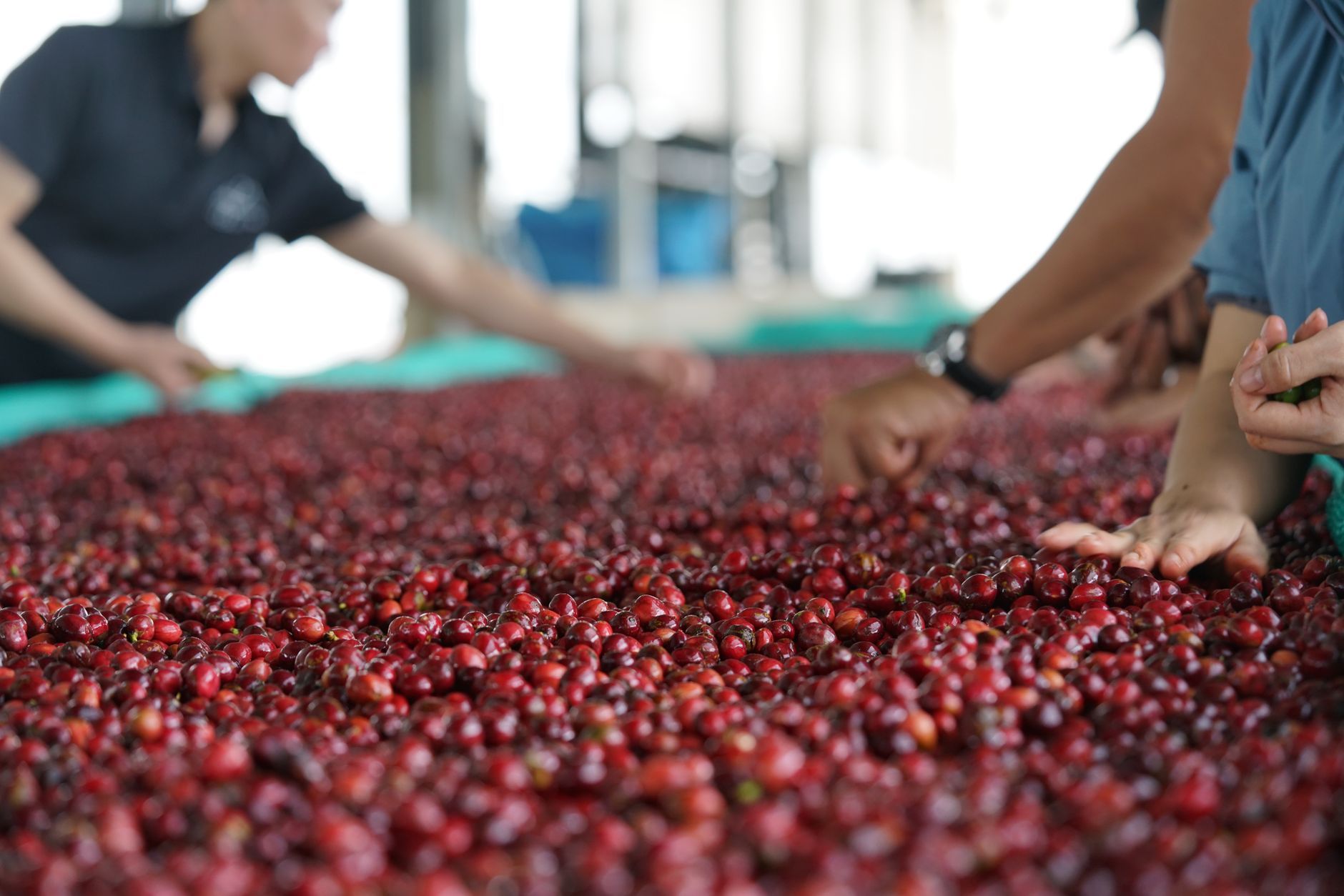
The price tag on Gesha coffee often raises eyebrows. Several factors contribute to its exclusivity and cost. Firstly, the Gesha variety is raregrown in limited regions and in small quantities. The farming process is meticulous, requiring precise conditions at high altitudes and careful hand-picking of ripe cherries. All these efforts ensure a premium-quality bean but also increase production costs.
Experts in the coffee industry highlight that the flavor complexity of Gesha beans sets them apart. Coffee roaster Sarah Peterson remarked, The unique floral and jasmine notes, often layered with tropical fruit hints, come from genetics and terroir working in harmony. This rarity fuels high demand, driving prices upward. Notably, Gesha coffee often fetches impressively high sums at auctions; one record-breaking sale topped $1,000 per pound.
What Makes Gesha Coffee Flavor Unique?
Gesha coffee delivers a bright, nuanced flavor profile rarely matched by other specialty varieties. It often combines floral sweetness with delicate citrus and bergamot notes, finishing with a clean, tea-like body. This intricate balance creates a complex sensory experience, appealing to those seeking a refined cup rather than a typical bitter roast.
Comparing it to beans like Bourbon or Sidamo shines a light on its uniqueness. While Bourbon offers a round, chocolatey sweetness and Sidamo a fruity brightness, Geshas floral and jasmine aroma make it stand out. The concept of terroirthe influence of soil, climate, and altitudeplays a key role. Gesha thrives at elevations of 1,500 to 2,200 meters, where cooler temperatures and mineral-rich soil enhance bean development.

How Is Gesha Coffee Grown and Processed?
Gesha coffee cultivation is a labor of love, requiring exact conditions. Grown predominantly in Ethiopia and select farms in Central America, the plant flourishes at high altitudes with cool days and misty nights. Farmers hand-pick only the ripe cherries to maintain quality, often employing traditional wet-processing methods to enhance clarity and brightness in the bean.
The wet process involves removing pulp from the cherries and fermenting the beans in water tanks for 12 to 48 hours, which affects the final flavor and cleanliness. Afterward, beans are sun-dried on raised beds, protected from contamination. Some growers in Panamas famed Boquete region have even incorporated organic and sustainable practices, aligning well with health-conscious coffee lovers seeking traceability and clean-label products.
The Gesha Coffee Controversy: Whats the Story Behind the Name?
Interestingly, a lot of confusion surrounds Gesha coffees name. Originally, the coffee variety was called Geisha after the Gesha village in Ethiopia where it was discovered. However, when Panamanian farms began cultivating it, the spelling Gesha became commonsome claim for trademark reasons, others cite easier pronunciation.
This mix-up has sparked trademark disputes and consumer confusion. Some sellers label their coffee as Gesha while others stick to Geisha, but both might come from different regions or differ in quality and authenticity. This naming debate impacts brand value and pricing, with genuine Ethiopian Gesha often eclipsing Panamanian Geisha coffees in price and prestige.
For farmers, the controversy affects their market reachcertain trademarks limit who can legally use the name, complicating labeling and marketing. Buyers get caught in the middle, unsure which product offers real value. Industry experts recommend focusing on origin details and certifications over just the name itself.
Why Does the Naming Controversy Matter?
The difference in name affects pricing, authenticity, and consumer trust. As brand recognition grows, trademark owners may restrict the use of Geisha, pushing other growers to adopt Gesha. This impacts growers income and limits consumer choice.
Ethically, buyers should consider how their purchase supports sustainable farming and fair trade. To avoid confusion, check for transparent traceability on labels and reputable certifications. For Halal coffee consumers, verifying Halal certification by bodies like JAKIM or IFANCA can further assure product compliance and quality.
How to Identify and Buy Authentic Gesha Coffee
Finding genuine Gesha coffee can be tricky but knowing what to look for protects your investment. Here are practical tips:
- Check the origin: Authentic Gesha comes from Ethiopia or well-known Panamanian farms. Specific region or farm names on the label are good signs.
- Look for certifications: Specialty coffee certifications like Organic USDA or Rainforest Alliance are useful. For Halal consumers, look for Halal certification logos like JAKIM or HMC on the package.
- Beware of price extremes: Genuine Gesha typically costs $30$70 per 250g bag. Significantly cheaper versions may be blends or mislabeled beans.
- Choose reputable roasters or sellers: Trusted specialty coffee shops or online roasters with transparency about sourcing are safer bets.
| Certification | Price Range | Common Formats | Shelf Life | Key Allergens |
|---|---|---|---|---|
| USDA Organic, JAKIM Halal | $30 - $70 (per 250g) | Whole bean, ground | 6-12 months sealed, 2-3 weeks opened | None (single-origin coffee) |
What Are the Best Brewing Methods for Gesha Coffee?
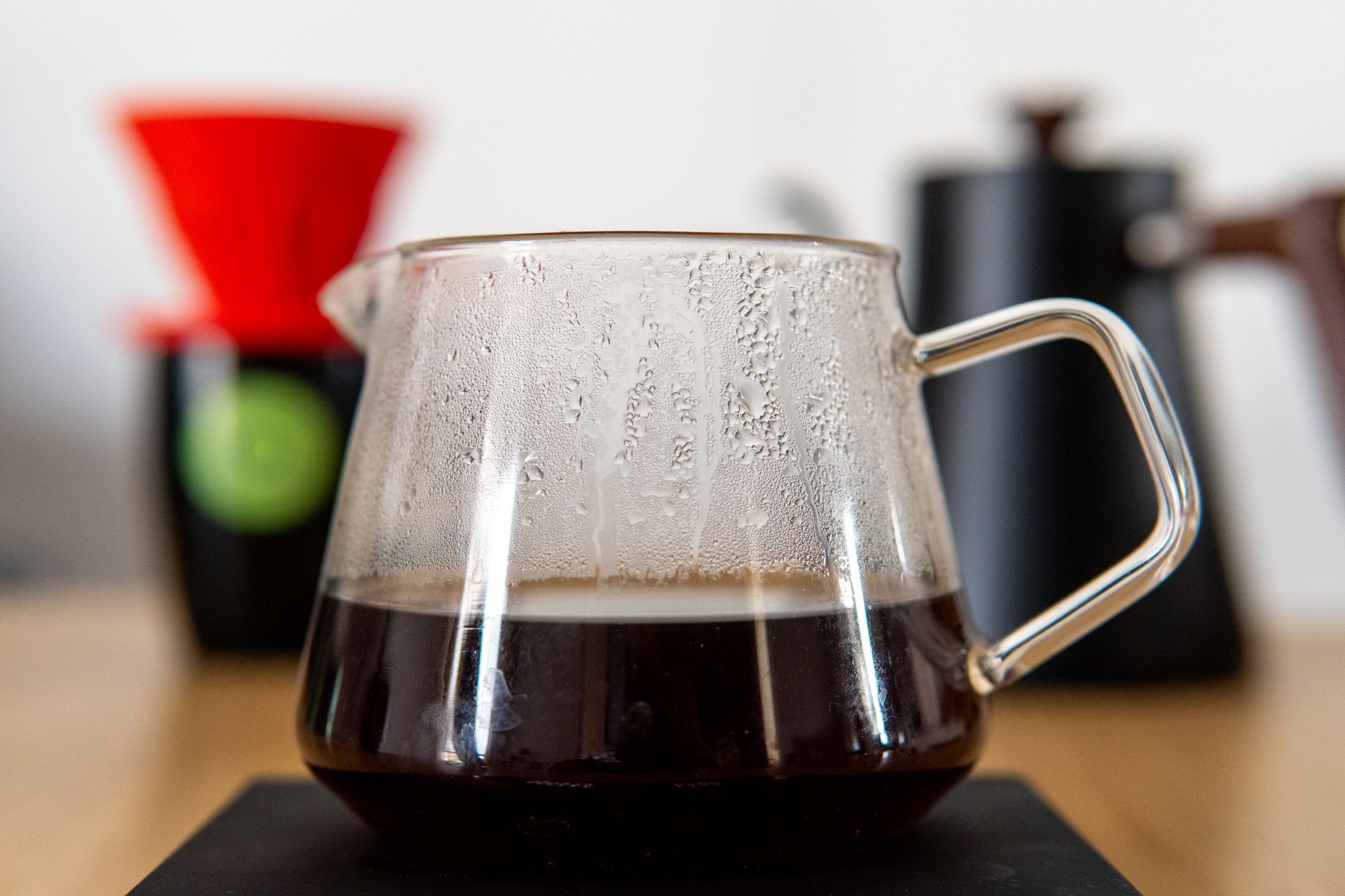
To unlock Gesha coffee‘s delicate floral and fruit notes, brewing method matters. Pour-over with a V60 or Chemex is idealit highlights clarity and aroma beautifully. Use a medium grind setting with water temperature around 92C (198F). Brew time should be 2.5 to 3.5 minutes for best extraction.
AeroPress is also popular among enthusiasts for its ability to produce a clean cup with bright acidity. For beginners, keep the coffee-to-water ratio at 1:15, adjusting to taste.
Try to avoid overly dark roasts, which mask the subtle flavors that make Gesha special. Lighter roasts preserve its signature jasmine and citrus character.
Is Gesha Coffee Worth the Price?
Whether Gesha coffee justifies its high cost depends on what you value most. If you appreciate a bright, intricately flavored cup that doubles as a sensory adventure, its absolutely worth trying. Many coffee lovers describe it as a revelation, enjoying its refined and floral qualities unmatched by other coffees.
On the other hand, if you prefer bold, heavier-bodied brews or dont mind a simpler coffee flavor, the price premium might seem steep. Also, exclusive supply means availability is limited, making it less practical for everyday coffee drinkers.
Baristas and enthusiasts alike often view Gesha as a special occasion coffeeperfect for gifting or treating yourself when you want something unique. As with any specialty product, informed buying helps you avoid disappointment.

Is Gesha coffee actually Halal what should I check?
Pure coffee beans, including Gesha coffee, are naturally Halal as long as they are not processed with alcohol-based flavorings or cross-contaminated with Haram substances. To ensure authenticity, check for certification logos from bodies like JAKIM, HMC, or IFANCA on the packaging. These certify the entire supply chain meets Halal standards, reassuring health-conscious consumers.
How do I store Gesha coffee to maintain freshness?
Keep Gesha coffee in an airtight container, away from sunlight and moisture. Whole beans stay fresh for about 612 months unopened. Once opened, use within 2 to 3 weeks for optimal flavor. Avoid refrigeration as this can cause condensation and degrade beans.
Can I use Gesha coffee in cold brew?
Yes, but note that Geshas delicate fruity and floral notes may become muted in cold brew. If you prefer bright, aromatic qualities, hot brew methods like pour-over work best. Cold brew extracts more sweetness and body but can mask some of Geshas unique flavors.
Does brewing Gesha coffee require special equipment?
No special equipment is needed, but precision matters. Using tools like a scale, a gooseneck kettle, and a quality grinder helps highlight flavors. Pour-over setups such as the V60 or Chemex are ideal, but AeroPress and even high-quality automatic brewers can work well with proper settings.
What role does altitude play in Gesha coffee‘s taste?
Altitude influences bean maturation and flavor complexity. Gesha thrives between 1,500 and 2,200 meters above sea level. Cooler temperatures slow cherry ripening, allowing sugars and acids to develop fully. This results in brighter acidity, floral notes, and a cleaner cup profile typical of Gesha coffee.
Is Gesha coffee more sustainable than regular coffee?
Sustainability depends on farming practices rather than variety alone. Many Gesha producers adopt organic, shade-grown, and fair-trade certifications, promoting environmental care and fair wages. Choosing certified Gesha coffee supports sustainable agriculture compared to generic, mass-produced beans.
Where can I buy authentic Gesha coffee online?
Look for specialty coffee roasters that clearly state origin and certifications. Reputable sellers also provide detailed tasting notes and roasting dates. Avoid bargain deals with vague labeling. Trusted farms and roasters from Ethiopia or Panama are your best sources for authentic Gesha.
Pro Tips for Buying Gesha Coffee
Many buyers make the mistake of opting for cheaper Gesha labels without verifying origin or roast date. That often leads to stale or blended beans that disappoint in flavor. Always check the roast date and buy whole beans to grind fresh at home.
Experts recommend starting with a light to medium roast to preserve Gesha‘s unique profile. Also, pairing your Gesha coffee experience with complementary treats enhances appreciationtry a mild, Halal-certified pastry or light dairy alternative.
If you enjoy exploring refined flavors in your drinks, consider exploring sweet white wine for a complementary taste journey, or refreshing yourself with detox drinks after your coffee session.
More You Might Like
Curious about other specialty coffees? Discover our guide on identifying authentic Arabica coffee beans and learn how to brew the perfect espresso at home with minimal equipment. For Halal-friendly snacks to pair with your coffee, explore our range of certified healthy options.
Conclusion
Gesha coffee remains one of the most sought-after specialty beans, prized for its exquisite floral aroma and complex flavors. While its price may be high, the sensory experience and exclusivity often justify the cost. Next time you shop for coffee, check the label closely and consider trying some authentic Gesha for your next brewing adventure. Share your experience or questions belowwed love to hear your take on this fascinating coffee variety.
FAQs
Is Gesha coffee actually Halal — what should I check on the label?
Pure Gesha coffee beans are naturally Halal unless processed with Haram additives. Check for certification logos from authorities like JAKIM, HMC, or IFANCA on the packaging to confirm the coffee meets Halal standards.
What is the shelf life of Gesha coffee after opening?
Once opened, Gesha coffee is best consumed within 2 to 3 weeks for optimal freshness. Store beans in an airtight container away from sunlight and moisture to maintain flavor quality.
How does Gesha coffee differ from common varieties like Bourbon or Sidamo?
Gesha coffee features unique floral, jasmine, and citrus notes with a tea-like body, unlike Bourbon's chocolatey sweetness or Sidamo's fruity brightness. Its high-altitude terroir contributes to this distinct flavor complexity.
Is it safe to drink Gesha coffee daily?
Yes, Gesha coffee can be enjoyed daily like other specialty coffees. Its unique flavor profile doesn't affect safety; however, as with all coffee, moderate consumption is recommended to avoid caffeine-related side effects.
Where can I buy authentic Gesha coffee online?
Buy from specialty coffee roasters that specify origin and certifications. Trusted sellers from Ethiopia or Panama with transparent sourcing and recent roast dates are ideal for authentic Gesha coffee.