Alright, listen upif youve ever stared down at a sad, cold steak in your fridge and wondered, How on earth do I bring this beauty back to life without turning it into a dry, chewy disaster?youre definitely not alone. Yeah, reheating cooked steak is kinda tricky, but the good news is, there is a best way to reheat steak that keeps it juicy, tender, and downright tasty.
So lets ditch the guesswork and the leftover steak guilt. Whether youre craving that perfect medium rare vibe from yesterday or just trying to avoid tossing out perfectly good food, this guides got you. Ill walk you through the best steak reheating methods, leftover steak tips, and some cool ideas to use that steak if you want to mix things up.
Why Steak Reheating Matters
You might be thinking, Isnt reheating steak just reheating steak? But nah, its way more than microwaving and hoping for the best. The way you reheat leftover steak can seriously make or break the whole experience. Done right, it saves you time, money, and keeps that luxurious mouthfeel intact. Done wrong? Man, youre in for a dry, rubbery chew-fest.
Benefits of Reheating Steak Correctly
First off, when you master reheating cooked steak, you get to enjoy juicy, flavorful slices that didnt have to start from scratch. Think of it as giving that steak a second chance to shine on your plate. Plus, youre fighting food wastewhich is a win for your wallet and the planet.
Risks of Poor Reheating
Overheating or rushing the process is a real steak killer. If you blast your steak too hot or too fast, say goodbye to that melt-in-your-mouth tenderness. And yeah, there are food safety concerns if you dont heat it properlylike uneven temperatures where bacteria can hang out.
Expert Insights
Food safety experts recommend heating steak to an internal temperature of 165F when reheating leftovers to keep things safe without overcooking it. Honestly, understanding the science behind this stuff can save you some disappointment.
The Best Ways to Reheat Leftover Steak
When it comes to steak reheating methods, not all are created equal. Some are kitchen saviors; others... well, theyre best avoided. Lets break down your options, from slow and controlled to quick and easy.
Oven Method: Low and Slow Wins
If youve got a bit of time and want to keep that steak close to its original moment of glory, the oven is your best buddy. This method reheats your steak evenly, preserving moisture without turning it into a hockey puck.
Step-by-step:
- Preheat your oven to around 250F (120C).
- Place your steak on a wire rack over a baking sheet so the heat circulates evenly.
- Heat for about 20-30 minutes, depending on thickness. Use a meat thermometer to hit 110-130F (medium rare to medium).
- Once warmed through, give it a quick sear in a hot pan with a bit of butter or oil (1 minute per side) to bring back a crisp crust.
This controlled, gentle heat keeps your steak juicy and tenderno scorched edges or dry patches here.
Stovetop Method: Fast and Flavorful
Sometimes you want your steak reheated now, not in 30 minutes. The stovetop method saves the day if you keep an eye on it.
How to do it right:
- Bring the steak to room temperature first (15-20 minutes out of the fridge).
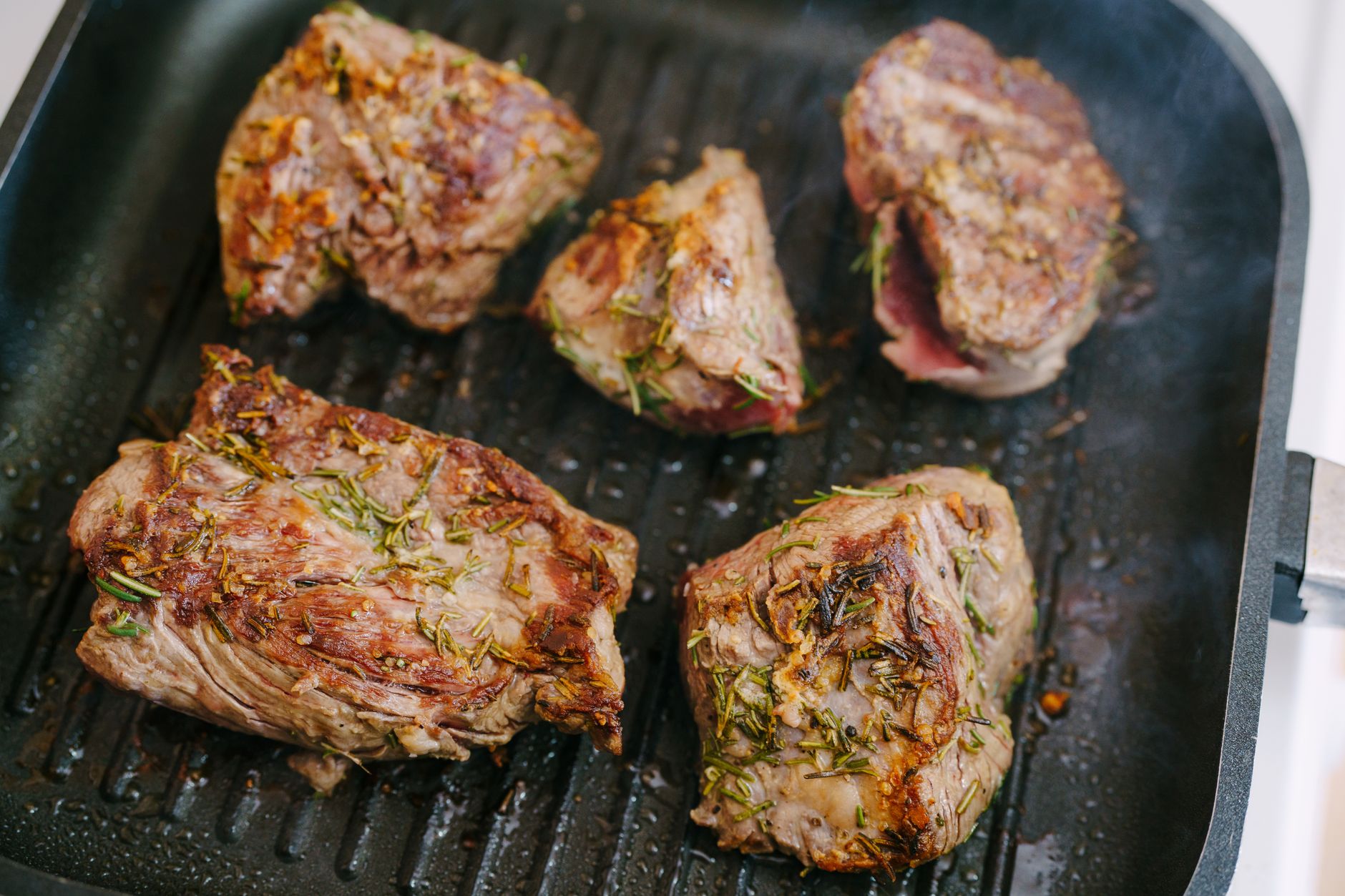
- Warm a skillet over low to medium heat and add a little butter or oil.
- Slowly heat the steak, flipping every minute or so, until warmed through.
- If youre feeling fancy, throw in some garlic or rosemary for a quick flavor boost.
Just watch the heat! Too high and youll dry out the steak faster than you can say rare.

Sous Vide Method: Precision Heat Like a Pro
If you own a sous vide cooker, congrats! Youre basically a steak wizard. This method gently warms your steak by sealing it in a vacuum bag and immersing it in water at a precise temperatureno overcooking, just juicy steak magic.
How to sous vide leftover steak:
- Set water bath to 130F for medium-rare.
- Seal your steak (vacuum seal or heavy-duty ziplock) tightly.
- Immerse the steak for about 45 minutes, maybe up to an hour.
- Finish with a quick sear in a hot pan for that beloved crust.
This method nails the texture every time and is surprisingly simple once you get the hang of it.
Microwave Method: Quick Fixes (With Caution)
Okay, full disclosure: microwaving steak is not the best way to reheat steak if you want to savor the texture, but hey, life gets busy. Its your fast lane if done with care.
Pro tips:
- Slice steak into thinner pieces to heat more evenly.
- Place steak on a microwave-safe plate and cover loosely with a damp paper towel.
- Use medium or low power, heating in 30-second bursts, flipping the steak as you go.
- Stop when its warm but not steaming hot inside.
Its not going to be gourmet, but better than cold steak, right?
| Method | Time Required | Texture Retention | Equipment Needed | Pros | Cons |
|---|---|---|---|---|---|
| Oven | 20-30 mins | High | Oven, wire rack | Even heating, retains juiciness | Time-consuming |
| Stovetop | 5-10 mins | Moderate-High | Skillet | Fast, flavor-enhanced | Needs attention to avoid drying out |
| Sous Vide | 45-60 mins | Very High | Sous vide cooker | Perfect texture, consistent | Requires extra equipment |
| Microwave | 1-3 mins | Low-Moderate | Microwave | Fastest, convenient | May dry or unevenly heat steak |
Important Leftover Steak Tips
Prep Before Reheating
Before you jump into reheating, always bring your steak to room temperature. Cold steak right from the fridge into a hot pan or oven spells uneven heating and dry patches. Also, covering your steak loosely with foil or a lid traps steam, helping the meat stay moist.
Dont Overdo It
Reheating cooked steak multiple times? Big no-no. Each reheating cycle breaks down the meat fibers more, leaving your steak tough and unappetizing. Plus, food safety gets tricky if youre not careful. So, heat it only once, eat it, enjoy it, and stop.
Storage Safety
Keep your leftover steak stored in airtight containers or wrapped tightly with plastic wrap. Store in the fridge for up to 3-4 days or freeze for up to 3 months to maintain quality. Use within these times to avoid off flavors or any sketchy bacteria growth.
Creative Uses for Leftover Steak
Not just about reheating steak slices on a platesometimes, switching things up is the way to go. Got some steak but tired of the same old? Heres a few ideas to turn your leftovers into exciting new meals.
Simple Leftover Steak Recipes
- Steak Salad: Toss sliced steak with fresh greens, cherry tomatoes, avocado, and a tangy vinaigrette.
- Steak Sandwich: Stack warm steak slices with caramelized onions, melted cheese, and your fave bread.
- Stir-fry: Slice thin, toss with peppers, soy sauce, and garlic for a quick Asian-inspired meal.
Want to boost the flavor even more? Experiment with sauces like chimichurri, horseradish cream, or peppercorn saucethesell lift the steak and keep your tastebuds entertained.

Stretching Steak Meals
If your leftover steak leans a bit dry or overcooked, no worries! Chop it finely and fold it into scrambled eggs, tacos, or hearty pasta dishes. It adds protein without spotlighting texture issues.
By the way, if youre curious about balancing your diet with nutrient-rich choices, you might enjoy checking out these best foods and how they can complement your meals. And if gut health is something you care about, this guide on the best foods for gut health could be right up your alley.
Wrapping It Up
Look, reheating leftover steak isnt rocket sciencebut it does take a bit of TLC if you want it to taste as good as the first time. Whether youre the oven slow-and-steady type, a stovetop quick-fix fan, or a sous vide wizard (lucky you), theres a method for every mood and kitchen setup.
Remember: the key is gentle heat and love for the meat. Avoid overheating, dont reheat repeatedly, and always store your steak properly before reheating. And heyif reheating really isnt your thing, turn your steak into something new with a salad, sandwich, or stir-fry. Leftover steak deserves to keep shining.
So, whats your go-to way to bring leftover steak back from the fridge abyss? Share your tips or questionsIm all ears and happy to chat more about this juicy topic!
FAQs
What is the best way to reheat leftover steak without drying it out?
The best way is the oven method: gently reheat at around 250°F on a wire rack to maintain moisture, followed by a quick sear to restore the crust.
Can I use a microwave to reheat leftover steak?
You can, but it requires caution. Slice the steak thin, cover it with a damp paper towel, and heat at medium or low power in short bursts to avoid drying out or uneven heating.
Is it safe to reheat steak multiple times?
It's not recommended to reheat steak more than once, as repeated reheating can make it tough and increase the risk of food safety issues.
How should I store leftover steak before reheating?
Store leftover steak in airtight containers or wrapped tightly in plastic wrap, keeping it refrigerated for up to 3-4 days or frozen for up to 3 months for best quality.
What internal temperature should leftover steak reach when reheated?
Food safety experts recommend reheating leftover steak to an internal temperature of 165°F to ensure it is safe to eat without overcooking.