If you've heard the buzz about "jelly roll weight loss" and found yourself curious, skeptical, or a little overwhelmedyou're not alone. That phrase can sound quirky, even playful, but it often points to a very real concern: stubborn belly fat that sits like a little roll across the midsection. I get itI've stared into mirrors, tugged at waistbands, and wondered whether certain diets or quick fixes were worth trying. So lets walk through this together in a clear, compassionate way.
Whats It Mean?
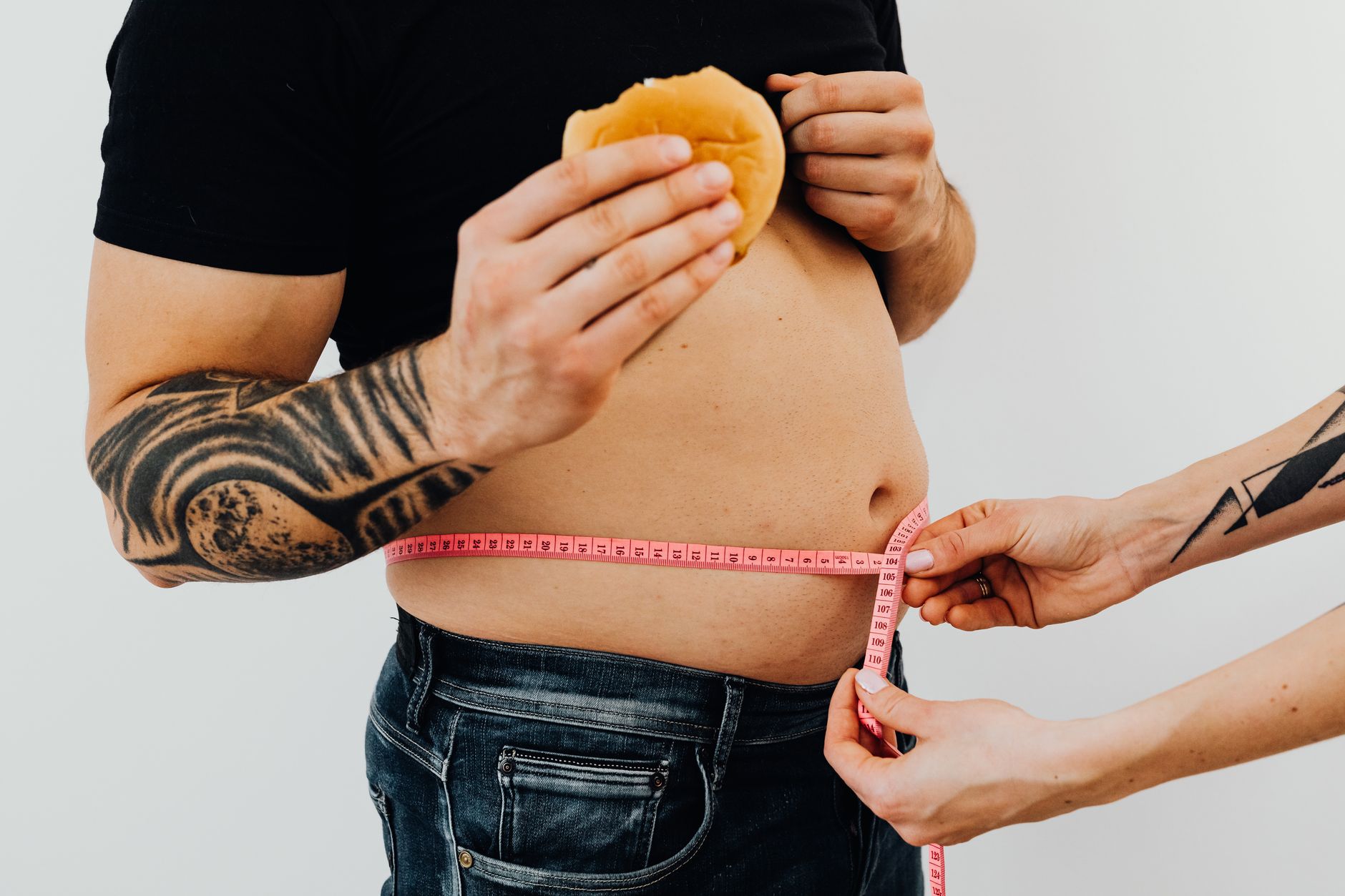
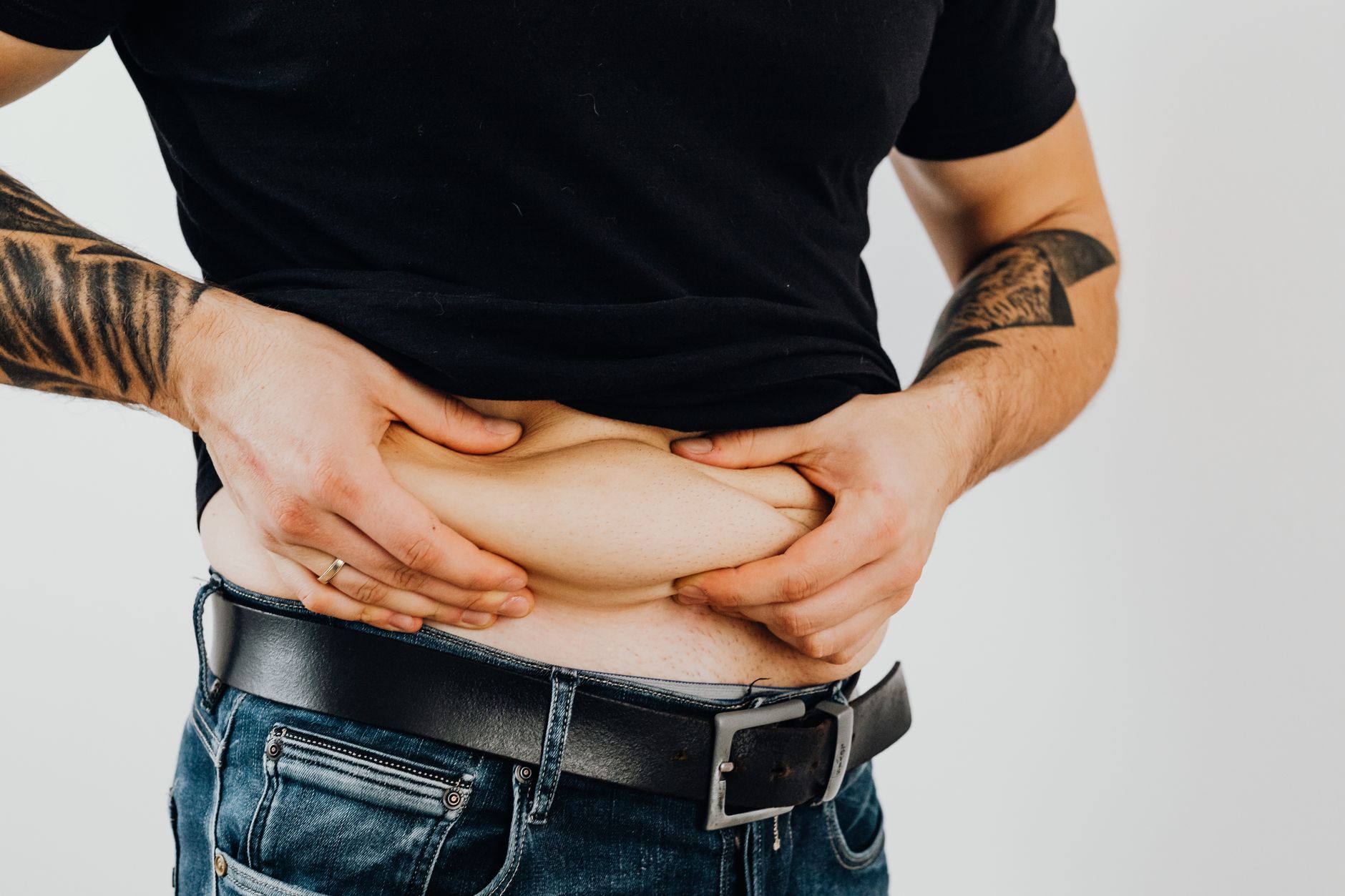
When people say jelly roll, theyre usually describing a soft, horizontal fold of fat that sits above the hips or along the lower belly. Its common after weight gain, pregnancy, or as part of natural aging. You might feel frustrated by itlike you've done the right things but that roll refuses to budge. Ive been there emotionally; its discouraging. The good news? You can improve body composition and health without extreme measures, and you dont have to hate your body in the process.
Why It Happens
Understanding the "why" helps us respond more kindly and effectively. Here are the usual culprits:
- Fat distribution: Genetics play a big part in where your body stores fat. For lots of people, the midsection is a favorite spot.
- Hormones: Cortisol (stress hormone), insulin, and sex hormones like estrogen and testosterone influence fat storage. Stress, poor sleep, and hormonal shifts can make a big difference.
- Lifestyle: Sedentary habits, calorie-rich diets, and alcohol can all contribute to that soft roll.
- Age and metabolism: As we get older, muscle mass can decline and metabolism slows, making it easier to gain fat.
So yes, the jelly roll is often a mix of biology and behavior. Thats not an excuseits context. With realistic, sustainable steps, you can see meaningful change.
Realistic Strategies That Work
I could promise you overnight transformations (tempting, right?), but sustainable results are built with patience, consistency, and strategies you can actually keep up with. Heres what to focus on:
Move Smarter
You dont have to live at the gym. Instead, try a mix of strength training and movement you enjoy. Strength training helps preserve or build muscle so your body burns more calories at rest. Aim for two or three sessions a weekbodyweight exercises like squats, push-ups, and lunges are a great start.
Cardio helps too: brisk walking, cycling, swimmingpick something you like so it sticks. Even short, frequent walks after meals can improve insulin sensitivity and help with belly fat over time. Small, consistent steps beat occasional intense efforts every time.
Rethink Your Plate
Eating to reduce belly fat isnt about extreme restriction; its about better choices that you can maintain. Focus on whole foods: vegetables, lean proteins, whole grains, legumes, nuts, and healthy fats like olive oil and avocado.
- Include protein with each mealthis supports muscle and keeps you fuller longer.
- Swap refined carbs and sugary drinks for whole grains and water or unsweetened beverages.
- Be mindful of portion sizes but avoid obsessive tracking unless it helps you feel in control, not anxious.
If you love a treat (and who doesnt?), plan for it. Deprivation often backfires. A balanced, forgiving approach usually wins.
Sleep and Stress: The Quiet Contributors
Stress and poor sleep are sneaky. High cortisol from chronic stress can encourage fat storage around the belly. Lack of sleep also impacts hunger hormones, often increasing appetite and cravingsespecially for high-carb foods.
Small, calming habits can help: a consistent sleep schedule, 30 minutes of calming activity before bed (reading, stretching, gentle breathing), and mini stress-breaks during the day. These arent fancy fixes, but they work in the background.
Mind the Alcohol
Alcohol can be a major factor in developing a jelly roll. Its calorie-dense and can lower inhibitions around food. If you love an evening drink, try reducing frequency or choosing lower-calorie options. You might notice your waistline and energy improve quickly.
Practical Exercises to Tone the Midsection
While spot reduction isnt realdoing a thousand crunches wont melt belly fatstrengthening the core improves posture, tone, and how clothing fits. Here are gentle, effective moves to include in a balanced routine:
- Planks (3060 seconds, build gradually)
- Dead bugs (great for deep core muscle engagement)
- Glute bridges (hips, core, and posterior chainall helpful)
- Russian twists (with or without weight, for rotational strength)
- Farmer carries (walk while holding weights; excellent functional strength)
Mix these into your strength days; consistency beats intensity. Two to three short core sessions a week is plenty.
Body Image and Self-Kindness
Lets pause on something important: the emotional side of weight loss. Your worth isnt tied to a number on the scale or how tight a waistband feels. That jelly roll doesnt define you, even if it bugs you. Being kind to yourselfcelebrating small wins, forgiving setbackshelps sustain long-term change far better than harsh self-criticism.
One practical step: set process goals rather than just outcome goals. For example, Ill go for a 30-minute walk three times this week is kinder and more achievable than lose 10 pounds this month. Process-focused goals build momentum and confidence.
When to Seek Extra Help
Sometimes that stubborn fat is linked to medical or hormonal issuesthyroid imbalances, polycystic ovary syndrome (PCOS), or medications that cause weight gain. If youve made consistent lifestyle changes and still see no progress, its wise to talk with a healthcare provider. A good clinician will check for underlying causes and help you build a plan that fits your life.
Real-Life Tips That Make a Difference
Here are quick, friendly hacks Ive found useful (and have worked for friends too):
- Replace one sugary beverage a day with sparkling water and fresh fruit slices.
- Prep simple meals on weekends so weekday evenings arent a scramble to choose healthy options.
- Use a resistance bandcheap, portable, and great for quick strength sessions.
- Track sleep for a week and look for patternssometimes small bedtime shifts help a ton.
- Celebrate non-scale victories: better breath control during workouts, more energy, looser clothing.
What to Expectand What Not to Expect
Be realistic. You might notice changes in energy and mood within a couple of weeks. Visible reductions in belly fat take longerthink months, not days. Thats okay. Bodies change gradually, and sustainable changes happen when habits become part of your life.
If youre tempted by quick fixesdetox teas, aggressive cleanses, or restrictive dietsapproach with caution. They often promise fast results but rarely hold up long-term, and they can harm your metabolism or mental health.
Final Thoughts: Youve Got This (And Youre Not Alone)
Trying to reduce a jelly roll can feel personal and sometimes frustrating, but its also an opportunity to create healthier, more joyful routines. Aim for changes you can keepmovements you enjoy, food you like, sleep that refreshes you, and kindness toward yourself when progress slows.
If you take anything away from this, let it be this: steady, sustainable habits beat dramatic temporary measures. Be curious, not critical. Adjust as you learn, and celebrate the small wins along the way. Whats one small change you could try this weekan extra walk, a protein-rich breakfast, or ten more minutes of sleep? Try it out, and see how you feel. If you want, share what worked for youI'd love to hear your story.
FAQs
What does jelly roll weight loss mean?
It refers to reducing belly fat and improving body composition, focusing on sustainable changes rather than quick fixes.
Can you spot-target belly fat with exercises?
No. Spot reduction isn’t real. Aim for overall fat loss through regular strength training, cardio, and healthy eating.
What daily habits help with jelly roll weight loss?
Protein with meals, whole foods, consistent movement, adequate sleep, stress management, and moderating alcohol can make a difference.
Is it okay to have treats or cheat meals?
Yes, with planning and moderation. A forgiving approach helps maintain long-term consistency without deprivation.
When to seek professional help?
If progress stalls despite consistent healthy habits or you have hormonal/medical concerns, consult a clinician for guidance.