Hey friend ever notice how everything seems to start in your gut? Mood swings, energy dips, skin flare-ups, even the quality of your sleep can trace back to that quiet, microbial metropolis living inside you. If you've been wondering which foods actually help, and which ones might be silently sabotaging your comfort, you're in the right place. Lets chat about the best foods for gut health in a way thats easy to follow, warm, and actually useful.
Why Gut Health Matters
Think of your gut as an ecosystem a bustling city of bacteria, yeasts, and other microbes. When they're happy and diverse, your digestion hums along, your immune system gets support, and your mood may improve. When things go out of balance, you might experience bloating, irregularity, or that nagging tiredness we all dread.
So, the goal is simple: feed the good microbes and help them thrive. Thats where the best foods for gut health come in.
Fermented Favorites
Fermented foods are like probiotic care packages. They contain live cultures that can gently boost the friendly bacteria in your gut. Here are some crowd-pleasers:
- Yogurt Look for "live and active cultures" on the label. Plain, low-sugar varieties are best because excess sugar feeds the wrong microbes.
- Kefir A tangy, drinkable cousin of yogurt. It's especially great if you want probiotics in a sipable form.
- Sauerkraut and kimchi Fermented cabbage brings crunch, tang, and probiotics. Just watch for added sugar or preservatives.
- Tempeh and miso These soy-based fermenteds are not only probiotic-friendly but also protein-rich.
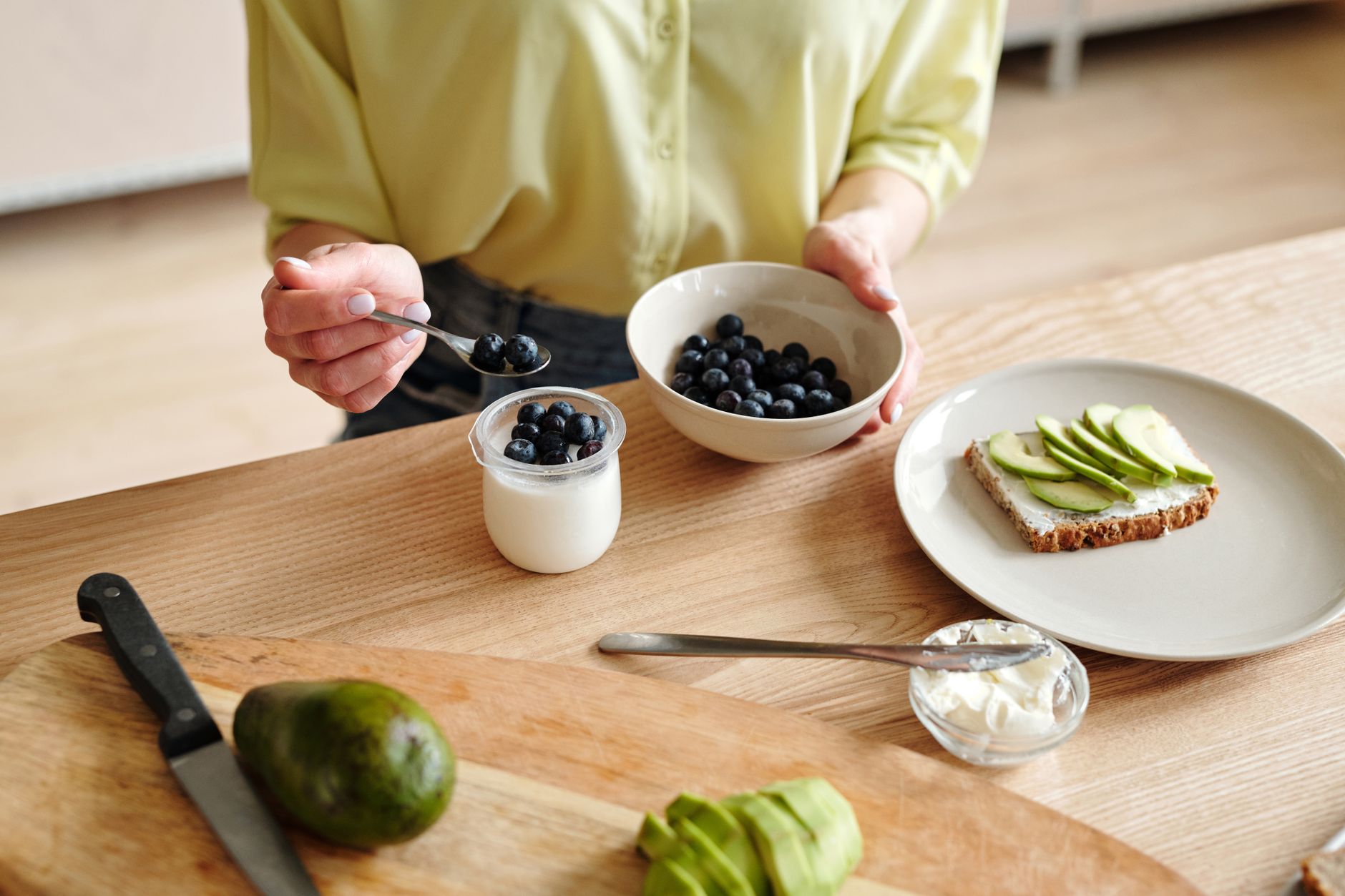
These foods are small, mighty additions to meals a spoonful of kimchi with rice, a splash of kefir in smoothies, or a dollop of yogurt on top of fruit.
Prebiotic Powerhouses
If probiotics are the seeds, prebiotics are the fertilizer. Prebiotics are fibers that travel through your digestive tract and feed beneficial bacteria. Without them, even the best probiotic cant settle in well.
- Garlic and onions Flavorful and prebiotic-rich. Toss them into sauts or roast them for a mellow sweetness.
- Bananas Especially slightly green ones, which contain resistant starch a great prebiotic.
- Asparagus, leeks, and chicory root Lovely in salads, roasted, or blended into soups.
- Oats Try overnight oats for a gut-friendly breakfast.
Simple swaps make a difference: add an extra clove of garlic to your sauce, or try a banana in your morning smoothie. Over time, your gut bacteria will thank you.
Fiber-Rich Foods
Fiber is the backbone of gut health. It helps keep things moving, provides food for microbes, and can help reduce inflammation. Here are some of the best sources:
- Legumes Lentils, chickpeas, and beans are packed with fiber and plant protein. If beans make you gassy, introduce them slowly and try rinsing canned varieties.
- Whole grains Brown rice, barley, quinoa, and oats provide both soluble and insoluble fiber.
- Nuts and seeds Chia seeds, flaxseeds, almonds, and walnuts add crunch and fiber, plus healthy fats.
- Fruits and vegetables Aim for colorful plates: berries, apples, leafy greens, and cruciferous veggies are all excellent choices.
Pro tip: mixing different types of fiber (soluble and insoluble) helps create a diverse microbiome. Variety truly matters.
Healthy Fats and Gentle Proteins
Not all fats are created equal. Omega-3 fatty acids and monounsaturated fats support a healthy gut lining and reduce inflammation.
- Fatty fish Salmon, mackerel, and sardines offer omega-3s and are easy to bake or grill.
- Olive oil and avocados Smooth, satisfying, and versatile for dressings or drizzles.
- Lean proteins Chicken, turkey, tofu, and tempeh are gentle on digestion and help with repair.
If you're curious about high-protein plant options or ways to balance protein with calories and carbs, you might enjoy exploring resources like this helpful page on Vegetarian foods high in protein. These ideas can make it easier to pair protein with gut-supporting foods.
Foods to Limit (But Not Always Eliminate)
Lifes about balance, not deprivation. While many foods can be enjoyed in moderation, some deserve special attention:
- Highly processed foods These often contain additives, emulsifiers, and excess sugar that can disturb your microbiome.
- Artificial sweeteners Some studies suggest they may affect gut bacteria and glucose responses.
- Excessive alcohol Regular heavy drinking can inflame the gut lining and change microbial balance.
Rather than strict rules, think of these as gentle nudges: keep them occasional treats instead of daily staples.
Simple Daily Habits That Help
Good food choices are crucial, but how you eat matters, too. Here are some habits that nudge your gut toward happy territory:
- Eat slowly Chewing well begins digestion and reduces bloating.
- Stay hydrated Water helps fiber do its job and keeps things moving.
- Mix it up A diverse diet supports a diverse microbiome.
- Include fermented foods Even small servings daily can help maintain balance.
Think of these as tiny rituals that add up like flossing for your insides.
Easy Meal Ideas to Start Today
Alright, lets get practical. Here are a few quick, gut-friendly meal ideas that dont feel like health food punishment:
- Breakfast: Overnight oats with kefir, chia seeds, and berries. Sweet, creamy, and easy to prep!
- Lunch: Lentil salad with roasted veggies, pumpkin seeds, and a lemon-olive oil dressing.
- Snack: Apple slices with almond butter and a sprinkle of cinnamon.
- Dinner: Grilled salmon, quinoa, and a side of roasted asparagus with garlic.
Small, consistent changes often outlast dramatic diets. Pick one idea and try it for a week you might be surprised how much better you feel.
When to Seek Professional Help
Theres a lot you can do with food, but sometimes symptoms need extra help. If you have persistent pain, severe bloating, unexplained weight loss, or changes in bowel habits, check in with a healthcare professional. They can test for conditions like IBS, food intolerances, or other issues that need targeted care.
Also, if youre thinking about taking high-dose probiotics or making big dietary changes (especially for children, pregnant people, or those with chronic conditions), its wise to consult a registered dietitian or doctor.
Final Thoughts: Small Steps, Big Impact
Improving your gut health doesnt require a perfect diet. Its about consistent, friendly habits: adding fermented foods, prioritizing fiber and prebiotics, choosing healthy fats, and limiting the processed stuff. Think of it as gardening plant a seed (probiotics), nourish it (prebiotics and fiber), and patiently tend it over time.
Whats one small change you can try this week? Maybe a spoonful of sauerkraut with dinner, or swapping out a sugary snack for a handful of walnuts. If you're curious about protein-packed, healthy choices that pair well with gut-friendly meals, check out this Foods high in protein low in fat resource for ideas that wont weigh you down.
If you have any questions, or want a customized meal idea based on your tastes, Id love to help consider me your friendly gut-cheerleader. Share what you try and how it goes; I genuinely enjoy hearing success stories (and the occasional wobble we all have them!).
To better gut days ahead cheers to feeling lighter, brighter, and more comfortable.
FAQs
What foods are best for gut health?
Fermented foods like yogurt with live cultures, kefir, sauerkraut, kimchi, miso, and tempeh help support gut bacteria.
What are prebiotics and why are they important?
Prebiotics are fibers that feed good bacteria, found in garlic, onions, bananas, oats, asparagus, and chicory root.
How can I increase fiber without causing bloating?
Introduce legumes slowly, rinse canned varieties, and mix soluble and insoluble fibers to support a diverse microbiome.
Are probiotics better from food or supplements?
Food-based probiotics provide natural gut support; supplements can help in some cases under professional guidance.
What daily habits support gut health?
Eat slowly, stay hydrated, diversify fiber sources, and include fermented foods daily.