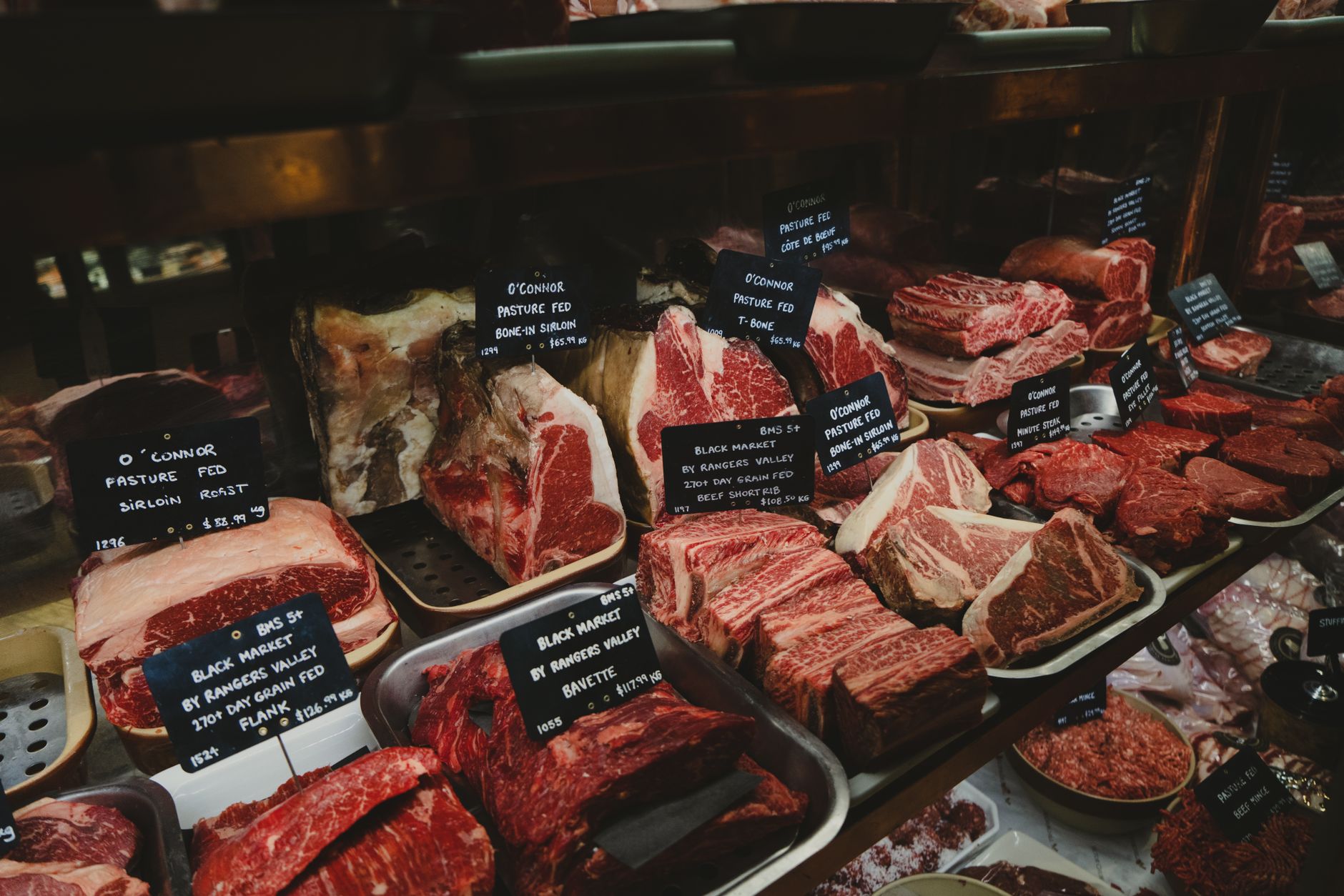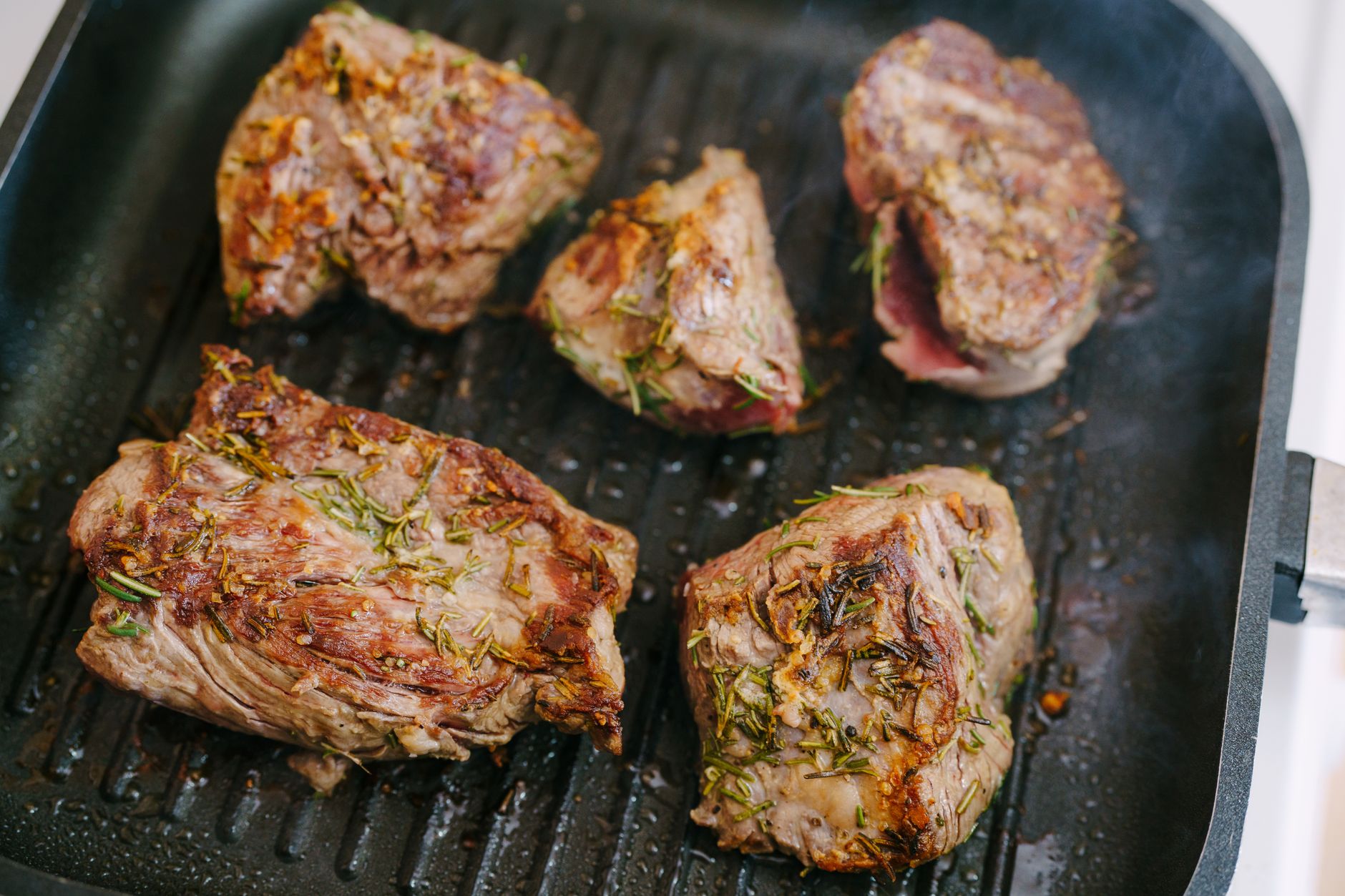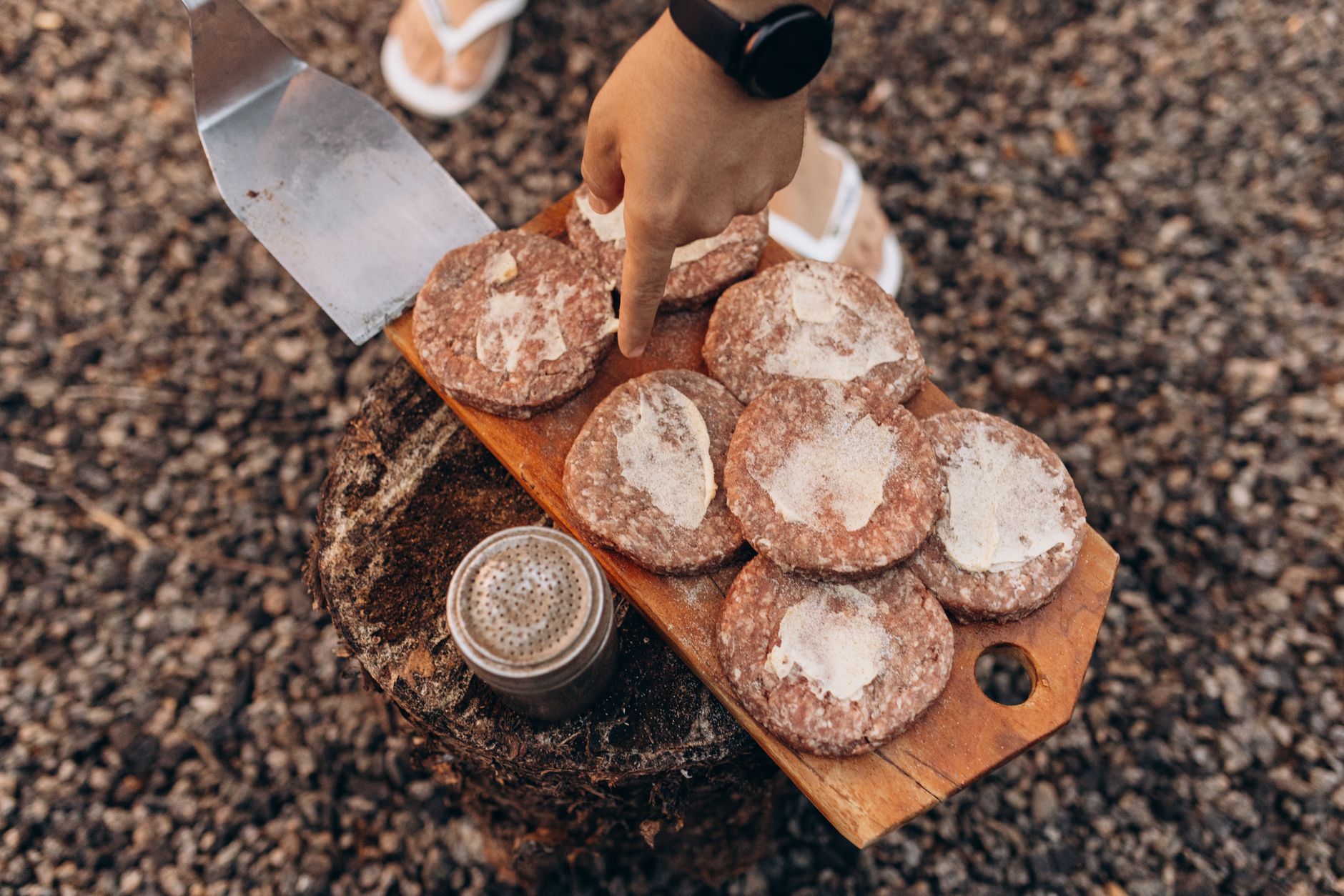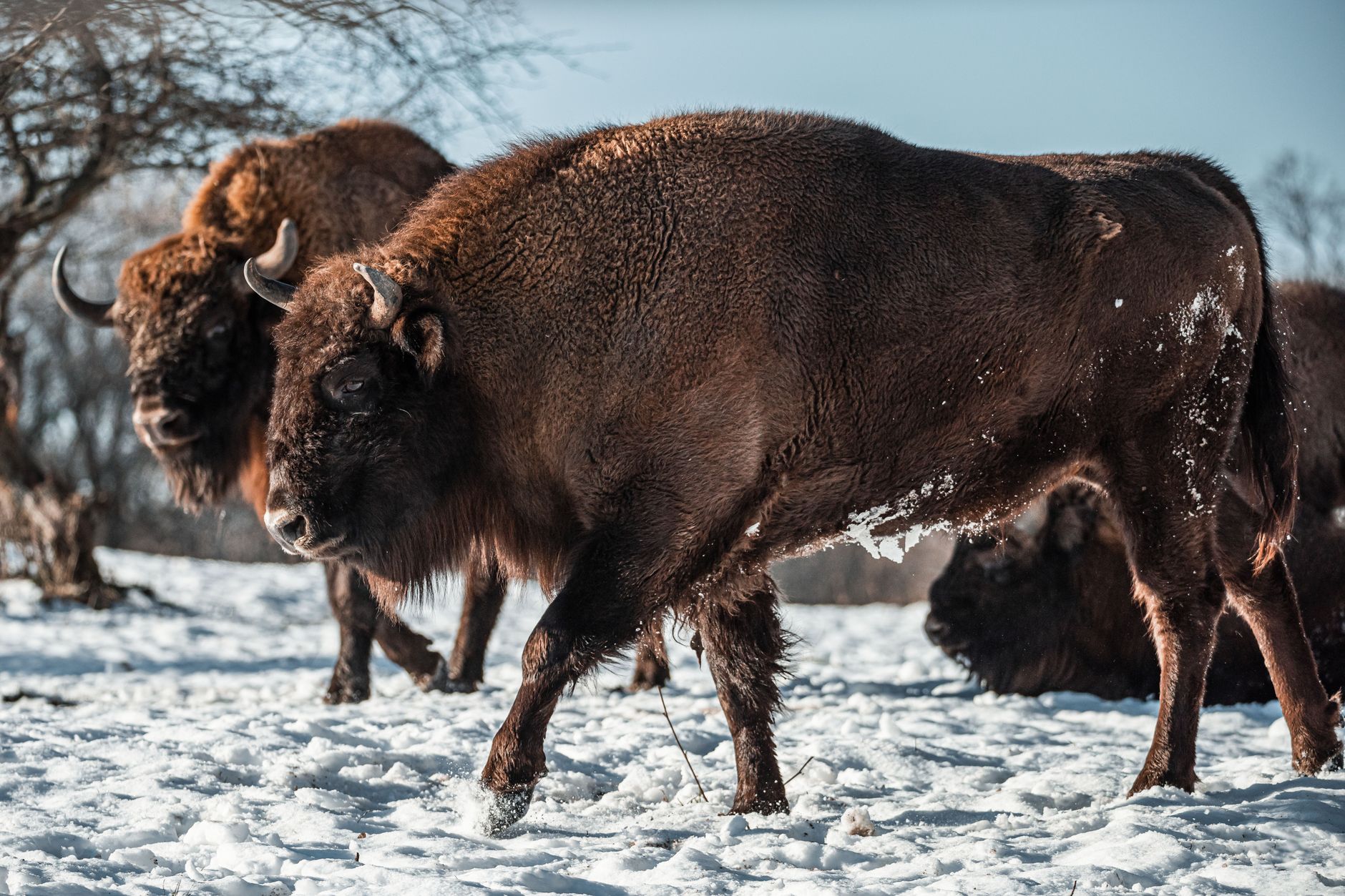
Choosing between ground beef vs bison can feel tricky if you‘re trying to balance flavor, nutrition, and health. Both meats offer tasty, protein-packed options, but ground bison is leaner, cooks faster, and brings a slightly different flavor profile to the table. Ground beef is a classic choice, familiar and versatile, often more affordable and easier to find. Which one suits your taste and lifestyle? Let‘s break down these two meats from nutrition to cooking and beyond.
Nutritional Differences
What are the key nutritional benefits of ground bison compared to ground beef?
When comparing ground beef vs bison, nutrition is usually top of mind. Lean ground bison generally contains more protein and less fat than regular ground beef, making it an appealing option if youre watching calories or fat intake. According to the USDA FoodData Central, a 4-ounce (113g) serving of cooked lean ground bison has approximately 24 grams of protein and only 8 grams of total fat. In contrast, 80% lean ground beef of the same size offers about 21 grams of protein but comes with closer to 17 grams of total fat.
Bison is also richer in iron and zinc, two minerals important for energy and immune function. The iron in bison is heme iron, which is readily absorbed by your body. Cholesterol levels in both meats are similar, usually ranging between 70-80 mg per serving, but the lower fat content in bison often benefits heart health by reducing saturated fat intake.
| Nutrition | Ground Beef (80% lean) | Lean Ground Bison |
|---|---|---|
| Protein (g) | 21 | 24 |
| Total Fat (g) | 17 | 8 |
| Saturated Fat (g) | 7 | 3 |
| Iron (mg) | 2.2 | 3.2 |
| Calories | 290 | 180 |
| Cholesterol (mg) | 75 | 73 |
Flavor and Cooking
How does bison taste compared to beef?
If youve never tried ground bison, you might wonder how it compares flavor-wise. Bison has a richer, slightly sweeter taste with a hint of natural earthiness or gamey notes that are mild and not overwhelming. It can be described as cleaner and deeper than beef, without that fatty heaviness some cuts of beef have.
Many chefs say ground bison offers a tender yet robust flavor that pairs well with bold spices and herbs. If you enjoy the hearty taste of beef but want something a bit more distinct, bison is a great way to change things up.
How should you cook ground bison for best results?
Since bison is leaner, it cooks faster than ground beef and dries out easily if overcooked. To get the best texture and juiciness, cook bison on medium heat for about 6-8 minutes, stirring occasionally. Keep the internal temperature around 160F (71C) to ensure its safely cooked but still tender.
Adding a splash of oil, broth, or a moisture-rich ingredient like onions or tomatoes can help prevent dryness. Season generously with salt, pepper, garlic powder, and herbs to complement its natural flavors. Avoid cooking bison at very high heat or for too long, as it will become tough.
If you want to experiment, ground bison works beautifully in burgers, meatballs, chili, or tacosjust like beef.

Recipe ideas that work well with ground bison or beef
- Bison Burgers: Simple ground bison patties seasoned with salt, pepper, and smoked paprika grilled to medium.
- Spicy Beef Tacos: Ground beef sauted with chili powder, cumin, and onions for quick weeknight tacos.
- Hearty Chili: Mix ground beef or bison with beans, tomato sauce, and chili spices for a warming stew.
- Meatballs: Combine with breadcrumbs, egg, parsley, and Parmesan for tender bison or beef meatballs.
Health Benefits and Risks
What are the health benefits of lean ground bison?
Choosing lean ground bison can be part of a heart-healthy diet thanks to its lower saturated fat content and ample protein. Protein supports muscle growth and repair, while minerals like iron and zinc promote energy metabolism and immunity. Bison is also a good source of Vitamin B12, important for brain health and red blood cell formation.
Nutritionists often recommend lean bison as a clean, nutrient-dense red meat alternative, especially if youre managing weight or cholesterol. Its omega-3 fatty acid profile is better than many beef options, especially if sourced from grass-fed bison, which is more aligned with natural, wholesome nutrition.
Are there any risks or downsides to choosing bison over beef?
The main downsides include cost and availability. Ground bison tends to be pricier and not as widely stocked in stores compared to beef. Since bison farming is smaller scale, prices reflect that.
Another consideration is sourcing. Make sure you buy Halal-certified bison if religious dietary laws matter to you. Look for trusted certification bodies like JAKIM or IFANCA to confirm the meat meets Halal standards.
Also, because bison can be quite lean, it may not satisfy those who prefer fattier cuts or richer mouthfeel. Cooking it incorrectly may easily lead to dry, tough dishes, so cooking care is important.
Environmental and Ethical Perspectives
Is ground bison more sustainable or ethical than beef?
Bison are often raised on grasslands with minimal environmental disruption. Compared to cattle, bison farming generally uses less land and water and produces fewer methane emissions per pound of meat. Bison historically roamed wild in North America and were part of ecosystems maintaining grassland health.
Because bison are typically grass-fed and raised more naturally, their meat can come with an ethical edge over conventionally grain-fed cattle raised in large feedlots. However, sustainability depends heavily on farming practices, so looking for pasture-raised and ethically sourced labels matters.

How to choose quality, ethically sourced ground meat
- Look for Halal certification logos such as JAKIM, HMC, or IFANCA on packaging.
- Choose meat labeled as grass-fed or pasture-raised for better animal welfare and environmental impact.
- Buy from local farmers or trusted specialty markets when possible for freshness and transparency.
- Check packaging dates and opt for meat with a visible, clear label displaying cut, fat content, and expiry.
Cost and Availability
How does the price of ground bison compare with ground beef?
Ground bison usually sells for 1.5 to 2 times the price of regular ground beef. For example, while ground beef may go for $4 to $7 per pound, lean ground bison often costs between $10 to $14 per pound. The higher price reflects limited supply and more labor-intensive farming.
If you want to try bison but are budget-conscious, consider buying smaller portions or using it blended with ground beef, which maintains flavor while reducing cost.
Where can you find lean ground bison?
Ground bison is commonly available at specialty butchers, health food stores, and some supermarket chains with an expanded meat selection. Many online retailers sell Halal-certified lean ground bison that can be shipped frozen directly to your door.
For those who want convenient access to other meats or cooking tips, check out our guide on Thaw chicken safely to master meat prep techniques in your kitchen. Also, if youre curious about flavorful meat options, discover more about Pastor meat for a spice-packed meal idea.
Is ground beef actually Halal what should I check?
Ground beef can be Halal if slaughtered and processed following Islamic dietary laws. Look for certification logos from reputable bodies such as JAKIM, HMC, or IFANCA on the packaging. The label should clearly state Halal and sometimes includes batch numbers or QR codes for traceability. Avoid any ground beef labeled as non-Halal or without certification to stay compliant.
When is the best time to eat ground beef or bison?
Both ground beef and bison are versatile enough for any meal. Ground bisons lean profile makes it excellent for lighter lunches or dinners where you want nutrition without heaviness. Ground beef works well any time, especially in recipes needing richer fat content, like burgers or meat sauces. Pair either with whole grains and veggies for balanced meals.
Can I use ground bison if Im watching my cholesterol?
Yes. Lean ground bison typically has lower saturated fat than beef, which can help manage cholesterol levels. However, keep portions moderate and cook with heart-healthy methods like grilling or baking rather than frying in butter or oil.
How should I store ground bison or beef at home?
Raw ground beef or bison lasts 12 days in the fridge at 40F (4C) when sealed tightly. For longer storage, freeze it in airtight packaging, where it keeps for up to 34 months without significant loss of quality. Always thaw frozen meat safely in the fridge, as explained in our Thaw chicken safely guide.
Is it tricky to substitute ground bison for beef in recipes?
Not at all. Ground bison can replace ground beef in nearly any recipe one-to-one, but remember to cook it faster and add a bit of moisture or fat to prevent dryness. Seasoning might also be slightly adjusted to balance its unique flavor nuances.
What certification ensures ground bison or beef is Halal and healthy?
Trusted certification bodies for Halal meat include JAKIM (Malaysia), HMC (Halal Monitoring Committee in the UK), and IFANCA (USA). These organizations ensure the meat meets Islamic law and hygiene standards. Additionally, look for labels indicating lean cuts and no artificial additives to confirm health-conscious choices.
Buying Tips
One of the most overlooked mistakes is ignoring the Halal certification or buying meat without clear sourcing. Cheap ground meat sometimes hides fillers or lower standards. Always choose meat with visible certifications and transparent labels.
Experts suggest blending a little beef with bison when trying it for the first time, as bisons low fat can surprise new cooks.
Buying from trusted local sources often guarantees fresher, better-tasting meat and supports ethical farming practices.
More You Might Like
Try reading our tips on how to Thaw chicken safely to improve your overall meat prep skills at home.
If you enjoy exploring flavorful meats, our post about Pastor meat offers delicious ideas and cooking methods.

Conclusion
Both ground beef vs bison bring unique benefits to your kitchen and plate. Ground bison stands out for its leaner nutrition and distinctive flavor, while beef remains a versatile, budget-friendly staple. Consider your cooking style, taste preferences, and budget when choosing. Next time you shop, check the labels for Halal certification and quality signs to make informed, health-conscious choices. Feel free to share your favorite recipes or experiences with either meat in the comments below.
FAQs
Is ground beef vs bison actually Halal — what should I check on the label?
Both ground beef and bison can be Halal if slaughtered and processed according to Islamic dietary laws. Check for certification logos from trusted bodies like JAKIM, HMC, or IFANCA. The label should clearly state "Halal" and may include batch numbers or QR codes to verify authenticity.
When is the best time to eat ground beef or bison?
Ground bison is ideal for lighter meals due to its lean profile, perfect for lunches or dinners. Ground beef suits any meal, especially recipes needing richer fat content, like burgers or meat sauces. Pair either with whole grains and vegetables for balanced nutrition.
How long does ground beef or bison last after opening?
Raw ground beef or bison can be stored in the refrigerator at 40°F (4°C) for up to 12 days when properly sealed. For longer storage, freeze in airtight packaging for up to 3-4 months while maintaining quality.
What is the main nutritional difference between ground beef and bison?
Ground bison is leaner, with more protein and less total and saturated fat compared to ground beef. It also contains higher levels of iron and zinc, making it a nutrient-dense choice if you want to reduce fat intake while maintaining protein.
Where can I buy lean ground bison and ground beef with Halal certification?
Halal-certified ground beef and bison can be found at specialty butchers, health food stores, and some supermarkets with expanded selections. Many online retailers also offer certified Halal meats shipped frozen to your door.