Bacon cuts vary widely, and understanding these differences can elevate your cooking and flavor experience. Whether you choose thin, thick, or center-cut bacon impacts texture, cooking time, and even health considerations. This guide breaks down everything you need to know about bacon cuts, helping you pick the right slice every time.
Understanding Bacon Cuts
What Defines Thin vs. Thick Bacon?
The distinction between thin and thick bacon primarily lies in the slice thickness. Thin bacon usually measures about 1/16 of an inch (1.6 mm), while thick-cut ranges from 1/8 inch (3.2 mm) up to 1/4 inch (6.4 mm). This simple difference changes how the bacon cooks and tastes drastically.
Thin bacon crisps up quickly, producing a crunchy bite and releasing rendered fat fast. Thick bacon, however, takes longer to render its fat, yielding a juicier, meatier texture with more chew. The balance between fat and lean meat also alters how the flavors developthicker slices often offer a richer, more savory experience because they retain moisture better during cooking.
According to food science, fat renders from bacon between 120150C (250300F), and thinner slices reach this temperature faster. This means a delicate balance: cook thin bacon too long, and it becomes brittle; cook thick bacon too short, and it stays fatty and under-cooked.
What Is Center-Cut Bacon and Why Is It Special?
Center-cut bacon comes from the middle portion of the pork belly, where the lean meat-to-fat ratio is higher. Its usually leaner and less fatty compared to regular cuts but retains some fat for flavor and tenderness. This cut appeals to those looking to reduce grease but still enjoy bacons mouthwatering taste.
Center-cut bacon is a favorite among chefs for salads, sandwiches, and dishes where greasy fat isnt ideal. It provides a clean, balanced flavor with a firmer texture. Because of its lean profile, its also a healthier option for anyone mindful of fat intake while enjoying indulgent food.
What Are the Different Types of Bacon Cuts Available?
Beyond thin, thick, and center-cut, other popular bacon styles include slab bacon and pancetta. Slab bacon is sold as a whole, unsliced pork belly, allowing you to cut to personal thickness preferences. Pancetta, an Italian cousin, is salt-cured and often rolled, offering a distinct flavor profile.
| Type | Typical Thickness | Fat Content | Best Use |
|---|---|---|---|
| Thin Cut | 1/16 inch (1.6 mm) | Moderate | Quick frying, crispy bacon bits |
| Thick Cut | 1/8 to 1/4 inch (3.26.4 mm) | Higher fat | Grilling, baking, hearty sandwiches |
| Center-Cut | Varies; leaner strip | Lower fat | Healthier dishes, salads, leaner meals |
| Slab Bacon | Uncut pork belly | Variable | Custom slicing, specialty dishes |
| Pancetta | Rolled, thin slices | Moderate | Italian cuisine, pasta, flavoring |
Explore the meat market for Halal-certified pork alternatives, and remember that Halal options prioritize certified and trustworthy sources ensuring quality and compliance.
Choosing The Right Bacon Cut
Matching Bacon Cuts to Cooking Methods
Picking your bacon cut depends largely on how you plan to cook it:
- Thin bacon cooks quickly over medium-high heat in a skillet or microwave. Its fast fat release makes it ideal for crispy toppings or breakfast sides.
- Thick bacon shines when baked in the oven at 190C (375F) for 1520 minutes or grilled carefully, allowing fat to render slowly, preserving juiciness and chew.
- Center-cut bacon suits dishes needing less grease, such as salads or leaner breakfasts. Cooking on medium heat prevents drying it out.
The cooking method not only affects taste but also your kitchens cleanup. Thicker slices tend to splatter less once fat has rendered, making for a cleaner cooking experience.
Flavor Profiles: How Cut Affects Taste and Texture
Fat content is central to bacons flavor. Thicker cuts hold onto more fat and connective tissues, infusing each bite with a velvety richness. Thin slices may seem sharper and saltier due to greater surface area exposure during curing and smoking.
Choosing a cut is about balancing taste and texture preferences. If you want bacon spicy and snap-crisp, thin is your go-to. Thicker bacon satisfies those craving a tender, meaty bite. Center-cut manages to straddle both worlds with moderate fat and firmness, offering versatility in recipes and plate presentation.
Health Considerations of Bacon Cuts
While bacon is a delicious indulgence, fat and sodium content vary by cut and brand, which influences health choices. Center-cut bacon typically contains 2030% less fat and fewer calories than standard thick or thin cuts. For example, a 28g serving of center-cut bacon may have around 80 calories and 7 grams of fat, compared to 110 calories and 10 grams in thicker cuts, as per USDA FoodData Central.
Health-conscious eaters should look for certified Halal bacon products with lower sodium and without added preservatives. Halal certification bodies like JAKIM or IFANCA ensure the product complies with dietary laws and cleanliness standards, which can indirectly impact food quality and safety.
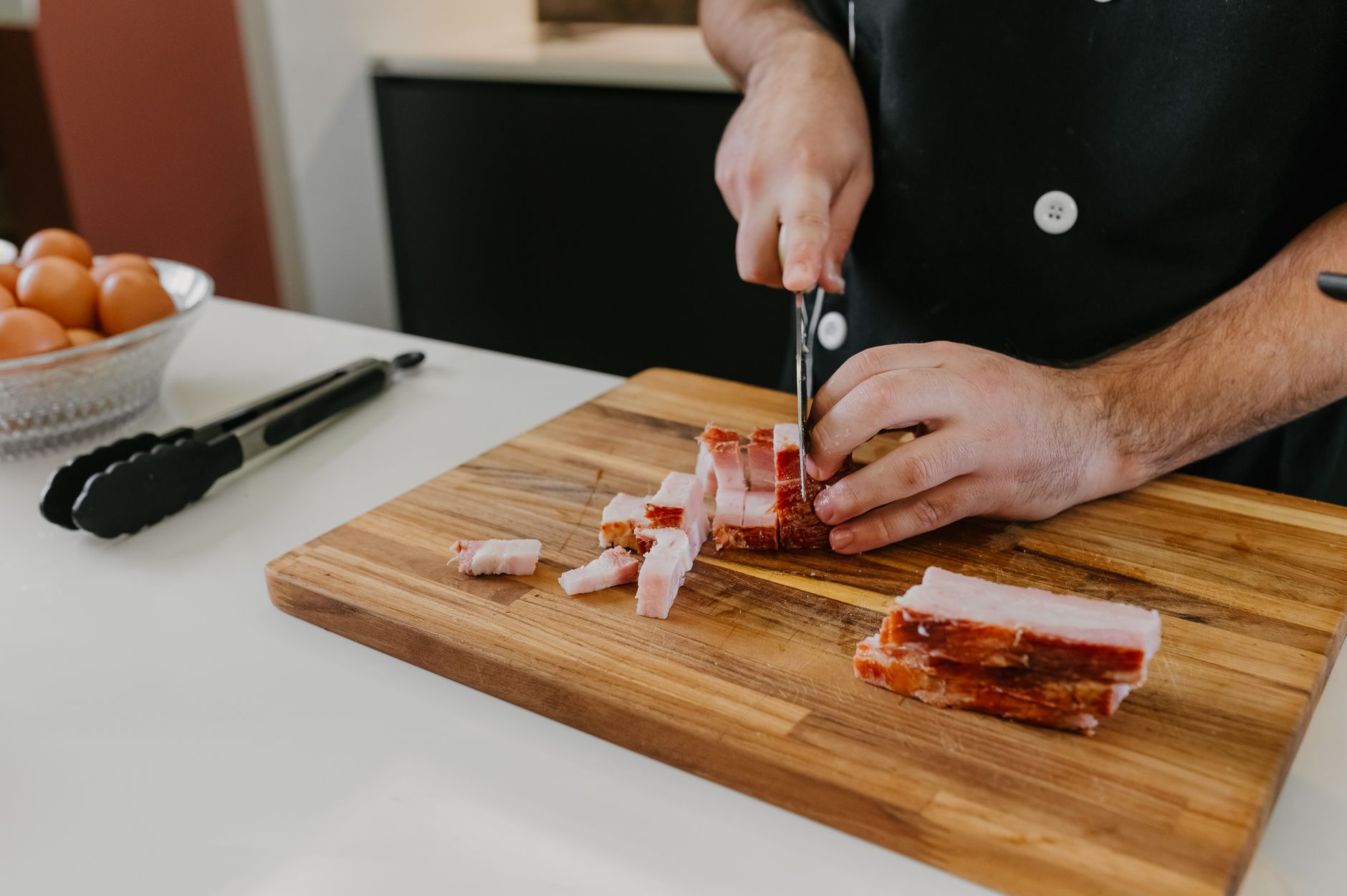
Cooking Tips For Every Bacon Cut
Cooking Thin Bacon Without Burning
To get thin bacon crispy without burning, cook on medium heat for 45 minutes per side in a non-stick pan. Avoid high heatit browns fat too fast, leaving lean meat undercooked. Flip frequently to ensure even cooking. Drain cooked strips on paper towels to reduce excess grease.
Getting Thick Bacon Crispy But Tender
Preheat your oven to 190C (375F). Place thick-cut bacon strips on a baking sheet lined with parchment paper, spaced apart. Bake for 1520 minutes, flipping halfway for maximum crispness evenly without drying. This slow and steady approach melts fat thoroughly and keeps the meat tender.
Making The Most Of Center-Cut Bacon
Center-cut bacon cooks best on medium-low heat to avoid toughness. Saut for about 68 minutes total, flipping once. Its lean profile means it dries quicker, so watch carefully. Consider recipes like grilled bacon-wrapped chicken or salads to showcase the lean texture without overpowering greasiness.

Substituting Bacon Cuts in Recipes
You can substitute bacon cuts, but adjust cooking times accordingly. Swap thick for thin by reducing frying time by half. Replacing center-cut with thick bacon might require removing excess fat after cooking to keep dishes balanced. These small changes help maintain texture and flavor without spoiling the dish.
Is Bacon Cuts Actually Halal What Should I Check?
Bacon derived from pork is not Halal and should be avoided by those following Halal dietary laws. Look carefully for product labeling specifying the sourcesome brands offer beef bacon or turkey bacon alternatives certified Halal by bodies like JAKIM, HMC, or IFANCA. Check for clear Halal logos on packaging, ingredient transparency, and vendor reliability, especially in the meat market.
When Is The Best Time To Eat Bacon?
Bacon is versatile and can be enjoyed any time but shines most at breakfast or brunch. Its rich, savory taste pairs perfectly with eggs, pancakes, and fresh vegetables. Cooking bacon in your morning routine adds protein and an indulgent aroma that kickstarts the day beautifully.
What Causes Bacon to Cook Unevenly?
Uneven bacon cooking often results from inconsistent slice thickness or pan crowding. Fat pools on one side, cooking faster than leaner parts. Use even-cut slices and avoid overcrowding the pan to ensure each strip fries uniformly.
How Should Bacon Be Stored For Freshness?
Keep unopened bacon refrigerated at 04C. Once opened, store in an airtight container or resealable bag. Proper storage keeps it fresh for 57 days; freezing extends shelf life up to 1 month without significant quality loss.
Can I Cook Bacon Without Oil?
Yes, because bacon renders ample fat during cooking, adding oil is unnecessary. Start cooking on medium heat to slowly release fat and avoid sticking. This method also keeps bacon tender and flavorful.
Is Thick-Cut Bacon Better For Sandwiches?
Thick-cut bacons meaty texture and juiciness make it ideal for sandwiches. It adds chew and substance, standing out even with robust sandwich fillings. Thin bacon tends to crumble or become too crisp in handheld sandwiches.
What Makes Center-Cut Bacon Leaner?
The center belly portion has less fatty layers than the ends. This anatomical positioning means center-cut bacon naturally contains more muscle meat and less subcutaneous fat, giving it the leaner profile prized in healthy diets.
Does Bacon Type Affect Cooking Smell?
Yes. Thicker cuts tend to emit a richer, smokier aroma for longer due to higher fat and moisture content. Thin bacon smells stronger and sharper but dissipates faster when cooking.
Buying Tips For Bacon Cuts
One common buying mistake is choosing bacon solely by price. Cheaper versions often contain fillers, additives, or lower-quality meat, negatively impacting flavor and health. Look for clear Halal certification logos, minimal ingredients, and recognizable curing agentslike sea salt and natural smoke flavor.
Experts recommend buying from trusted sources with transparent supply chains. Quality bacon shows well-marbled fat layers, uniform slice thickness, and bright, fresh color. If fat appears overly yellow or slices are uneven, it may indicate age or poor handling.
More You Might Like
Explore how different products transform culinary experience with our guide on the best hot dogs for Halal-friendly snacks. Or learn more about sourcing Halal meat at your local meat market to ensure freshness and compliance.

Conclusion
Understanding bacon cuts helps you choose the ideal slice for flavor, texture, and cooking style. Thin bacon crisps quickly and adds crunch, thick bacon delivers juicy richness, and center-cut offers a leaner, healthier option. Next time you shop or cook, consider these factors and experiment to find your favorite. Dont forget to verify Halal certification to enjoy quality and peace of mind.
FAQs
Is Bacon cuts actually Halal — what should I check on the label?
Bacon from pork is not Halal and should be avoided if following Halal dietary laws. Look for certification logos from recognized bodies like JAKIM, IFANCA, or HMC, and verify the product source—such as beef or turkey bacon labeled Halal—before purchase.
How long does bacon last after opening?
Once opened, bacon should be stored in an airtight container or resealable bag and refrigerated. It stays fresh for about 5 to 7 days. Freezing can extend its shelf life up to one month without major quality loss.
What is the difference between thick-cut and center-cut bacon?
Thick-cut bacon slices are thicker with higher fat content, offering a juicy, meaty texture. Center-cut bacon is taken from the leaner middle belly portion, featuring less fat and a firmer texture, making it a healthier choice.
Is it safe to eat bacon every day?
Bacon is tasty but high in fat and sodium, so daily consumption is not recommended for most diets. Opting for leaner cuts like center-cut and Halal-certified versions with lower sodium can be better for occasional enjoyment while maintaining health.
Where can I buy quality Halal bacon cuts?
Quality Halal bacon cuts are usually found at trusted Halal specialty meat markets or verified online suppliers. Always check for clear Halal certification and transparent supply chain information to ensure compliance and freshness.