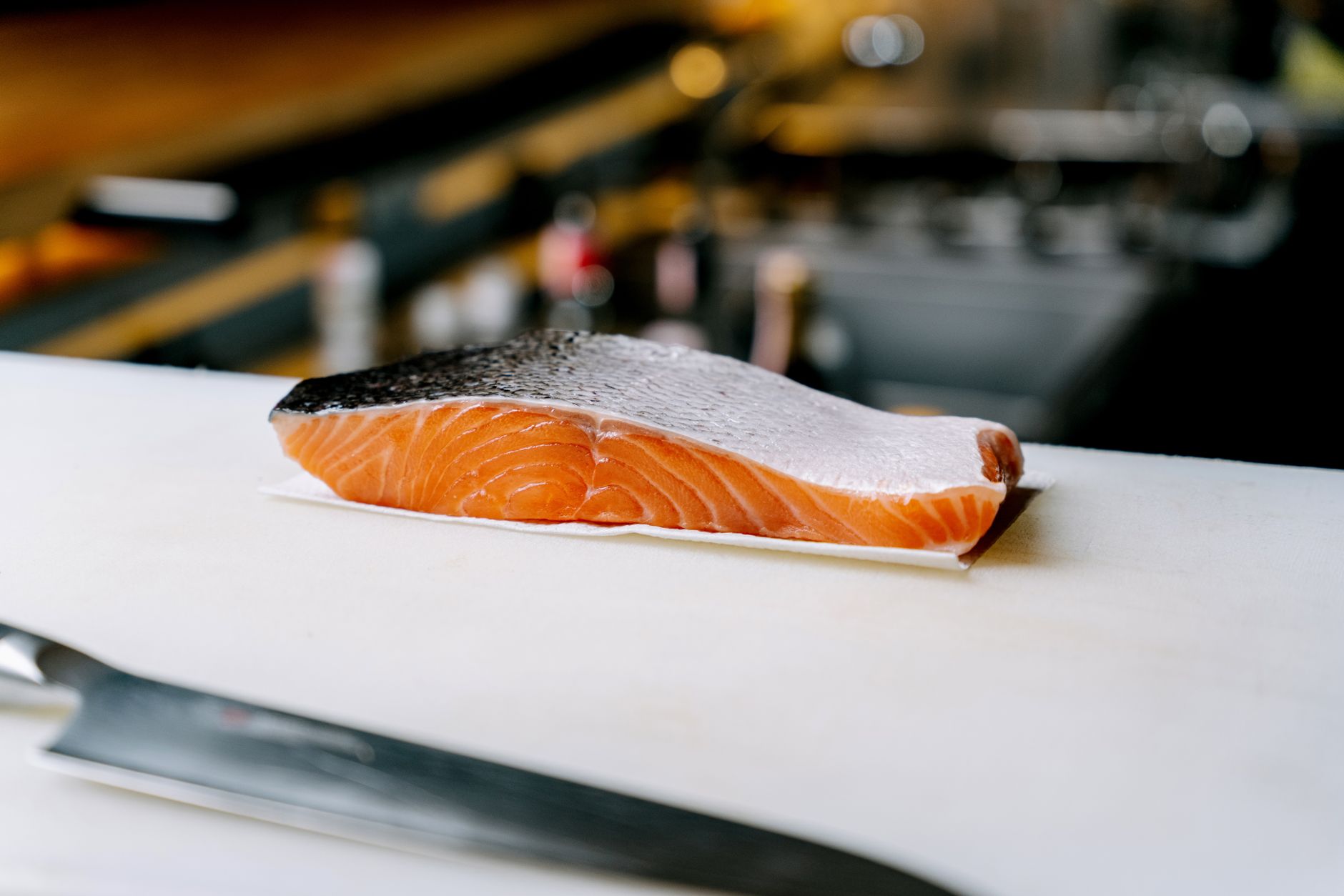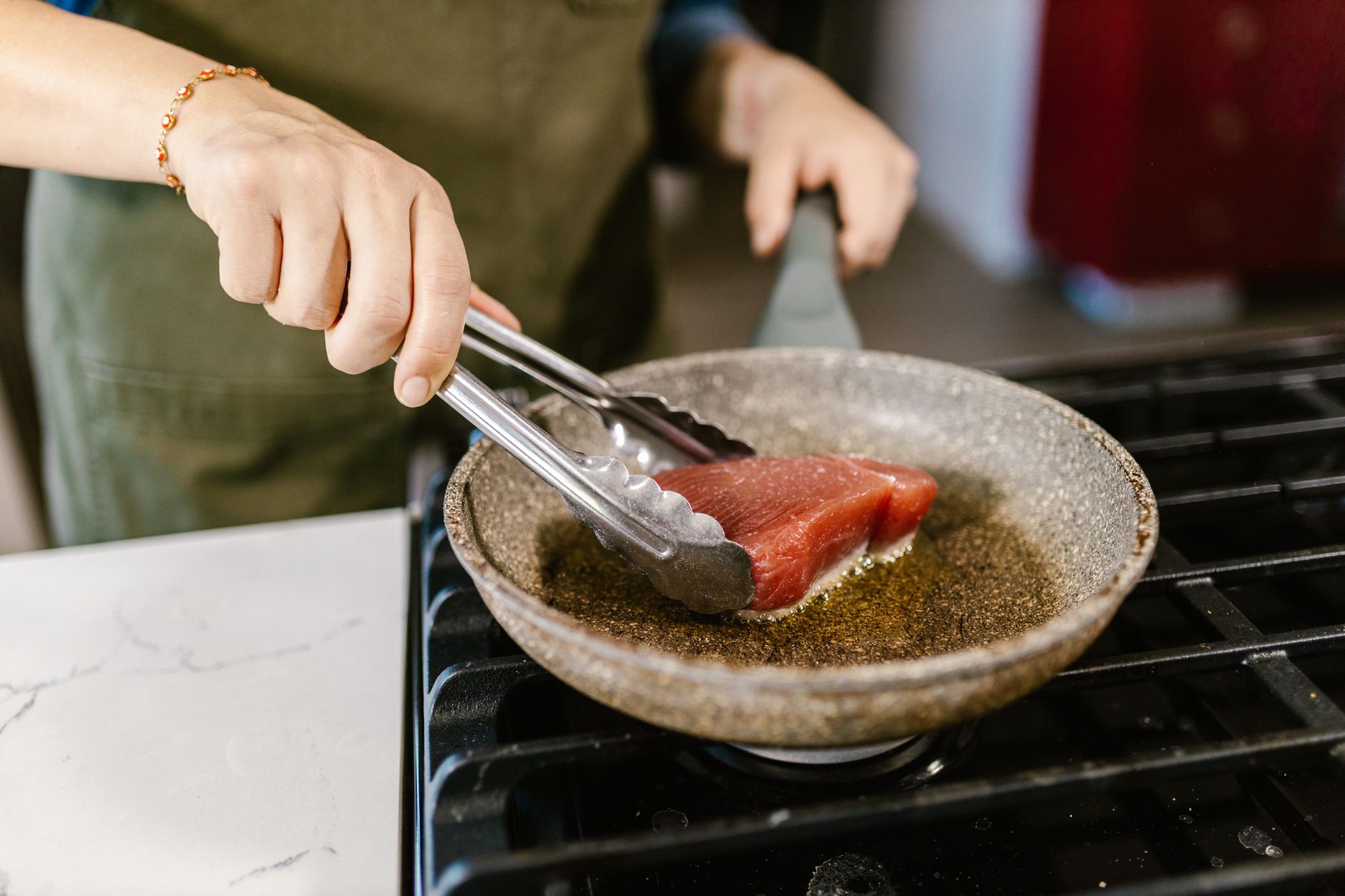
Searing tuna steaks might seem straightforward at first. Just heat a pan, add butter or oil, and cook the fish. But the truth is, choosing the right fat can make a big difference in flavor, texture, and even health. When it comes to searing tuna steaks, understanding smoke points and cooking behavior is key. Generally, oil performs better for searing because it withstands higher heat without burning, while butter adds tempting richness but burns quickly. Lets explore why oil usually wins, how to get buttery flavor without the bitterness, and the best ways to nail that perfect sear every time.
Oil Benefits for Searing
Why Oil Outperforms Butter for Searing Tuna Steaks
Smoke point is the temperature at which fats start to break down and smoke, leaving a burnt flavor behind. Oils with high smoke points tolerate searing temperatures much better than butter, which can burn quickly and spoil the delicate taste of tuna steaks. For searing, you often need heat around 400F (204C) or more. Butters smoke point is roughly 350F (175C), making it vulnerable to burning during searing.
Oils such as avocado, grapeseed, and refined olive oil offer much higher smoke points avocado oil can withstand up to 520F (270C), grapeseed around 420F (215C), and refined olive oil about 465F (240C). These oils stay stable longer on the hot pan surface, giving a clean, even sear without bitter aftertaste.
Chefs often recommend using a neutral high smoke point oil to get that crisp crust on tuna while preserving its tender, juicy interior. This elevates the flavor naturally without the risk of burnt fat overpowering the fish. According to culinary experts at the Culinary Institute of America, choosing the right fat for searing is essential for both flavor and texture.
Butters Role in Searing Tuna
What Happens When Using Butter to Sear Tuna?
Butters charm lies in its rich flavor and creamy mouthfeel. But its low smoke point can cause it to burn rapidly, creating a bitter, acrid taste that masks the natural sweetness of tuna steaks. If the pan gets too hot, youll see browned milk solids that indicate burnt butter. This bitter residue can cling to the fishs surface, ruining the delicate taste.
However, butter isnt off limits. When used carefully, it shines best when added toward the end of cooking or for low-temperature finishes, imparting luscious flavor without burning. For example, after youve seared tuna in oil, adding a knob of butter with garlic and thyme to baste the steaks intensifies flavor without the risk of scorched butter.
Many home cooks share stories of butter burning mid-sear, turning a perfect meal into a disappointment, so timing and heat control are critical if you prefer butters taste.
Smoke Point Comparison: Butter vs. Oils
| Fat Type | Approximate Smoke Point | Flavor Profile | Best Use Case |
|---|---|---|---|
| Butter | ~350F (175C) | Rich, creamy | Low temp, finishing |
| Avocado Oil | ~520F (270C) | Neutral | High heat searing |
| Grapeseed Oil | ~420F (215C) | Light, neutral | High heat searing |
| Refined Olive Oil | ~465F (240C) | Mild fruitiness | Medium-high heat searing |
Getting Butter Flavor Without Burning
Combining Butter Taste and Proper Searing
Can you have the buttery richness without the risk of burning? Yes, with a simple technique. Start searing tuna steaks in a high smoke point oil like avocado or grapeseed oil to create a clean crust. After flipping, lower the heat and add a small amount of butter along with aromatics like garlic, thyme, or rosemary. Baste the tuna gently for 3060 seconds before removing the steaks from the pan.
This method gives you the best of both worlds the stable sear from oil and the luxurious butter flavor from basting. Adding butter only at the end avoids prolonged exposure to high heat, preventing bitterness and burnt notes.
Step-by-Step Guide to Searing Tuna Steaks
| Prep Time | Cook Time | Total Time | Servings | Calories | Diet Tags |
|---|---|---|---|---|---|
| 10 minutes | 6 minutes | 16 minutes | 2 | 220 per serving | Halal, Gluten-Free, Low Carb |
- Choose your oil: Select avocado or grapeseed oil for a neutral flavor and high smoke point.
- Prepare the tuna: Pat the steaks dry with paper towels to remove excess moisture. Season generously with salt, pepper, and optional spices like smoked paprika or cumin.
- Heat the pan: Use a heavy skillet or cast iron pan. Heat over medium-high until a drop of water sizzles instantly.
- Add oil: Pour in enough oil to lightly coat the pan surface and let it heat for 30 seconds.
- Sear first side: Place the tuna steak carefully in the pan. Cook on medium-high for 1.52 minutes without moving.
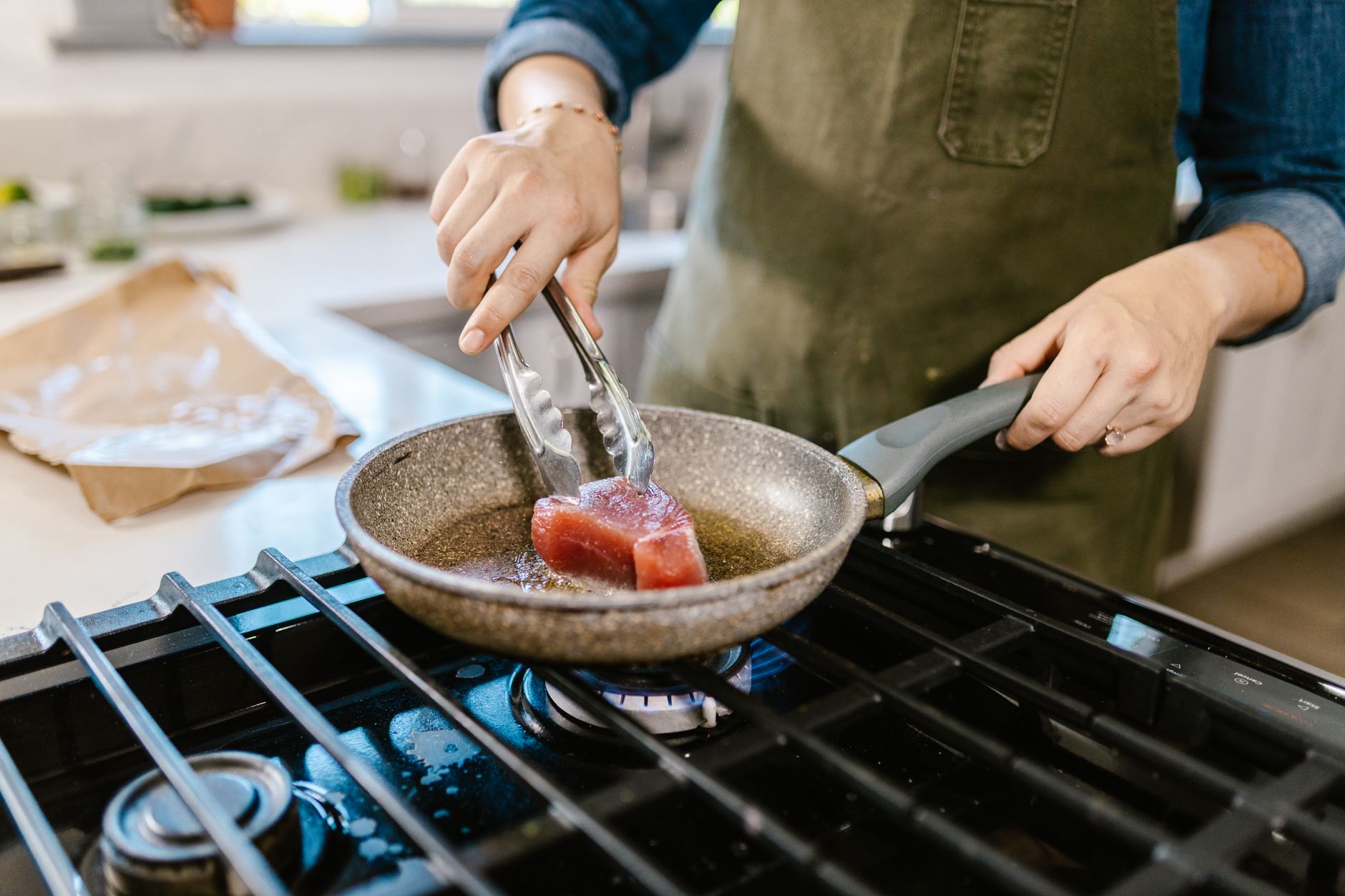
- Flip and add butter: Turn the steaks over, reduce heat to medium-low, and add a tablespoon of butter plus a smashed garlic clove and sprig of thyme.
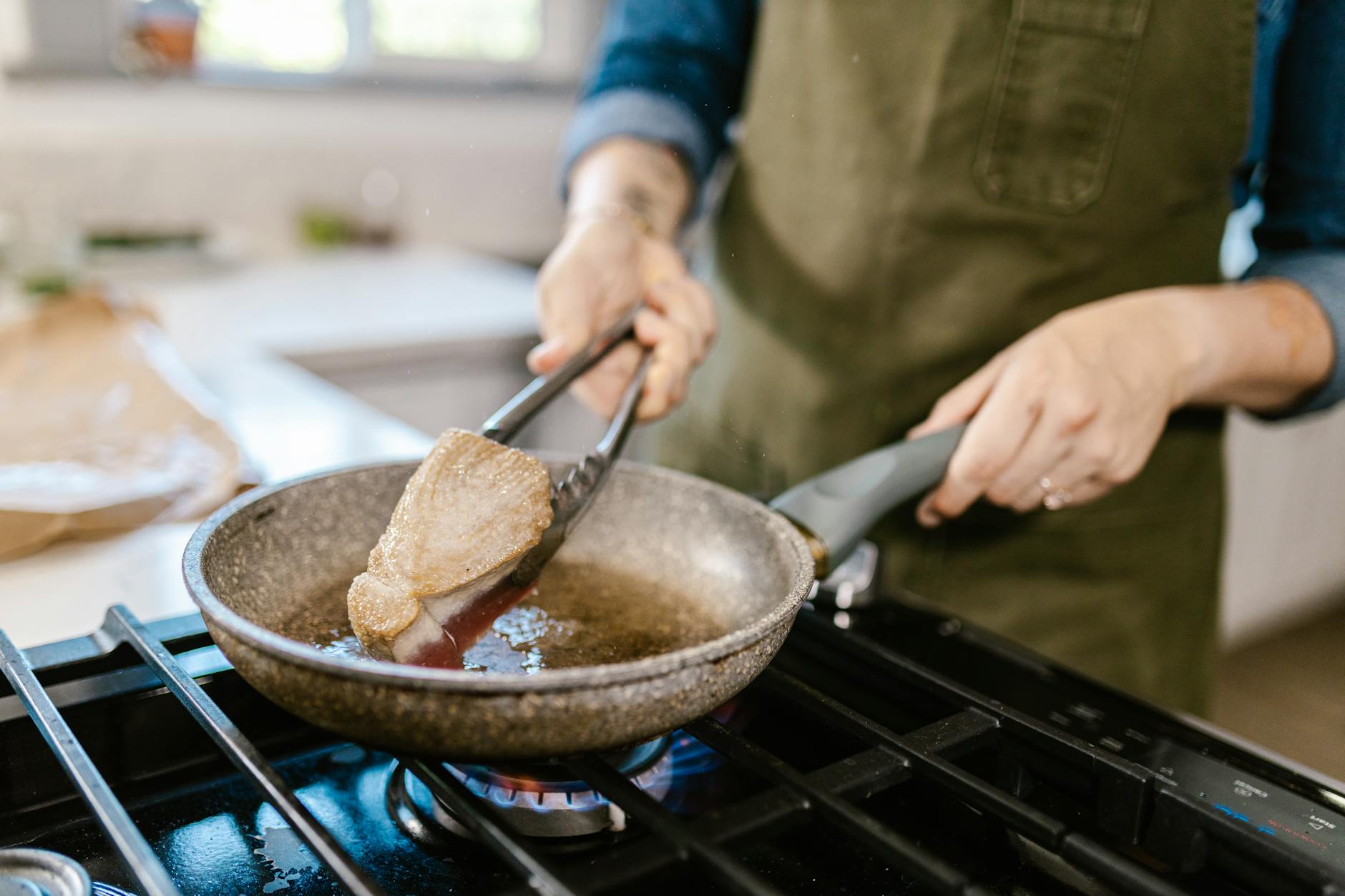
- Baste: Tilt the pan and spoon melted butter over the fish repeatedly for about 45 seconds.
- Remove and rest: Take tuna steaks off the pan and let rest for 2 minutes before slicing.
Remember, tuna steaks are best served rare or medium-rareovercooking dries them out. Typically, a 1-inch thick steak sears perfectly with about 34 minutes total cooking time.
Expert Advice and Health
Culinary Experts on Searing Fats
Seasoned chefs and culinary institutions consistently highlight oils role for consistent searing results. Chef Michael Solomonov emphasizes that using a high smoke point oil ensures the fish sears, not steams, locking in juices and flavor. Food scientist Harold McGee points out how butter is best for flavoring, not initial searing, due to its milk solids burning easily under high heat.
This balance between flavor layering and technique helps cooks achieve professional-quality tuna steaks at home with confidence.
Health Impact: Butter vs. Oil for Searing
From a health perspective, many high smoke point oils like avocado and grapeseed provide heart-healthy monounsaturated fats and antioxidants with lower saturated fat content than butter. According to the USDA FoodData Central, avocado oil contains about 70% monounsaturated fats compared to butters approximately 51% saturated fats.
For Halal-conscious consumers, ensuring that butter or oils are certified Halal by trusted bodies such as JAKIM or the Halal Monitoring Committee (HMC) is essential. Choosing Halal-certified oils and dairy products ensures the meal meets religious dietary laws without compromising health or quality.
Thickness & Timing Tips
The thickness of your tuna steak influences cooking times significantly. For steaks between 1 and 1.5 inches thick, searing 1.52 minutes per side will usually yield rare to medium-rare doneness. For thicker cuts, extend cooking by 30 seconds to 1 minute per side, adjusting heat to avoid burning fat.
Avoid overcrowding the pan, which drops heat and steams the fish rather than searing. Also, resist the urge to move the steak prematurelygive it time to develop a crust before flipping. These simple practices ensure a clean, caramelized surface with tender interior.
For more on meat cuts and texture choices, you might enjoy our article on Chuck roast vs chuck steak and why thickness matters in cooking.
Is Searing Tuna Healthy for Halal Diets?
Yes, searing tuna is compatible with Halal and health-conscious diets when the right ingredients are used. Look for tuna steaks labeled with Halal certification logos such as those from IFANCA or JAKIM. Use oils and butter that carry Halal certification to ensure all products meet Islamic dietary guidelines.
Searing itself locks in moisture with minimal added fat, making it a healthy cooking method. High heat cooking also preserves nutrients like Omega-3 fatty acids in tuna, beneficial for heart health.
Expert Upgrades for Flavor
For an elevated flavor profile, consider finishing seared tuna with a sprinkle of sumac or a squeeze of fresh lemon. A light drizzle of quality soy sauce or tamari can add umami depth without overshadowing the fishs natural flavor. Experiment with basting herb butter infused with garlic and thyme for a restaurant-quality touch.
If you want a hearty side, our Meat loaf recipe pairs wonderfully with seared fish for a balanced meal.
Frequently Asked Questions
When is the best time to eat seared tuna steaks?
Seared tuna steaks are best enjoyed fresh right after cooking while warm and tender. Serving immediately preserves their juicy texture and delicate flavor. If you must store leftovers, keep them in an airtight container in the fridge and consume within 1-2 days.
Can I use olive oil for searing tuna steaks?
Yes, but opt for refined olive oil rather than extra virgin for searing. Refined olive oil has a higher smoke point (~465F) and neutral flavor suitable for high heat. Extra virgin olive oil has a lower smoke point and strong flavor that can burn and overpower the tuna.
Is searing tuna steaks better than grilling?
Searing in a pan offers more control over heat and crust development, ideal for delicate tuna. Grilling provides smoky flavor but risks overcooking or drying the fish. Both methods work, but searing allows precision for rare or medium-rare doneness.
How do I know when tuna steaks are done?
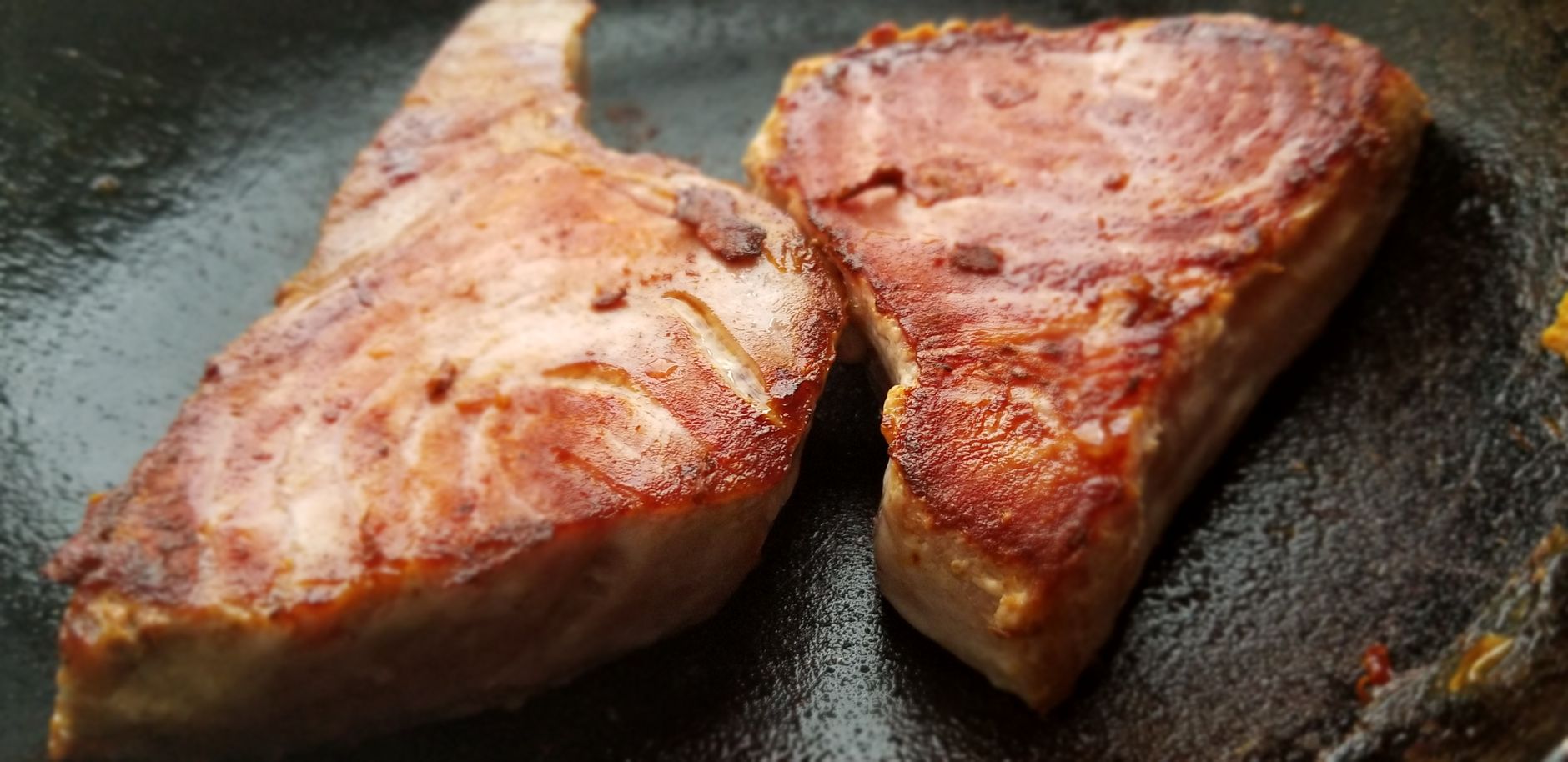
For rare, the center should be cool and bright pink, with a browned crust outside. Medium-rare shows a pink center warming through. Use times of 1.52 minutes per side as guideline for 1-inch thickness. Tuna is best served rare to medium-rare for tender texture.
Can I use butter alone for searing tuna steaks?
Butter alone is not recommended for searing due to its low smoke point causing burn and bitterness. It works best combined with oil for initial sear or added briefly at the end for flavor.
What oils are Halal-certified for cooking tuna?
Many vegetable oils like sunflower, canola, avocado, and grapeseed oils can be Halal-certified. Look for certification logos from JAKIM, HMC, or IFANCA on packaging to ensure compliance.
Does searing affect the nutritional value of tuna?
Searing preserves most nutritional benefits of tuna, including protein and omega-3 fatty acids. Quick, high-heat cooking locks in moisture and nutrients, making seared tuna a healthy choice.
Pro Tips for Searing Tuna Steaks
- Dry before searing: Pat the fish dry thoroughly to get that perfect crust. Wet fish hisses and steams instead of searing.
- Dont overcrowd the pan: Cook in batches if needed to keep heat consistent and prevent steaming.
- Control heat well: Medium-high heat for the crust, then lower heat to finish with butter basting without burning.
- Season right: Salt just before cooking to draw out moisture but avoid oversalting.
One common mistake is using clear vegetable oil like canola solely without flavor elements. Pair oils with garlic, herbs, or finishing butter basting to boost flavor complexity.
Summary
Searing tuna steaks well means understanding your fats. High smoke point oils like avocado or grapeseed provide a steady, clean sear, while butter adds beloved richness best used carefully at the end. Using oil first and finishing with butter lets you enjoy balanced flavor and perfect texture. Next time you cook searing tuna steaks, remember to check your pan temperature, pick the right fat, and follow simple timing steps. Give it a try and see how your tuna turns outfeel free to share your favorite technique or questions below!
FAQs
When is the best time to eat or drink searing tuna steaks?
Seared tuna steaks taste best immediately after cooking while still warm and tender. Serving right away preserves their juicy texture and fresh flavor. If storing leftovers, keep them in an airtight container in the fridge and consume within 1–2 days to maintain quality.
How long can seared tuna steaks be stored after cooking?
After cooking, seared tuna steaks should be refrigerated promptly in an airtight container and eaten within 1 to 2 days. Beyond that, the quality and safety may decline, so it’s best to consume them fresh for optimal taste and food safety.
Can I use butter alone instead of oil for searing tuna steaks?
Butter alone is not ideal for searing tuna because of its low smoke point, which makes it burn quickly and impart a bitter taste. It’s better to sear with high smoke point oils first, then add butter at the end for flavor without burning.
Is searing tuna steaks safe to eat daily as part of a healthy diet?
Yes, searing tuna steaks is healthy and safe for daily consumption when done properly. It preserves nutrients like protein and omega-3 fatty acids while using minimal fat. Opt for heart-healthy oils such as avocado or grapeseed for balance.
Where can I buy Halal-certified oils and tuna steaks?
Halal-certified oils and tuna can be purchased at specialty grocery stores, halal markets, and online retailers. Look for certification logos from trusted bodies such as JAKIM, IFANCA, or the Halal Monitoring Committee on packaging to ensure compliance with dietary laws.