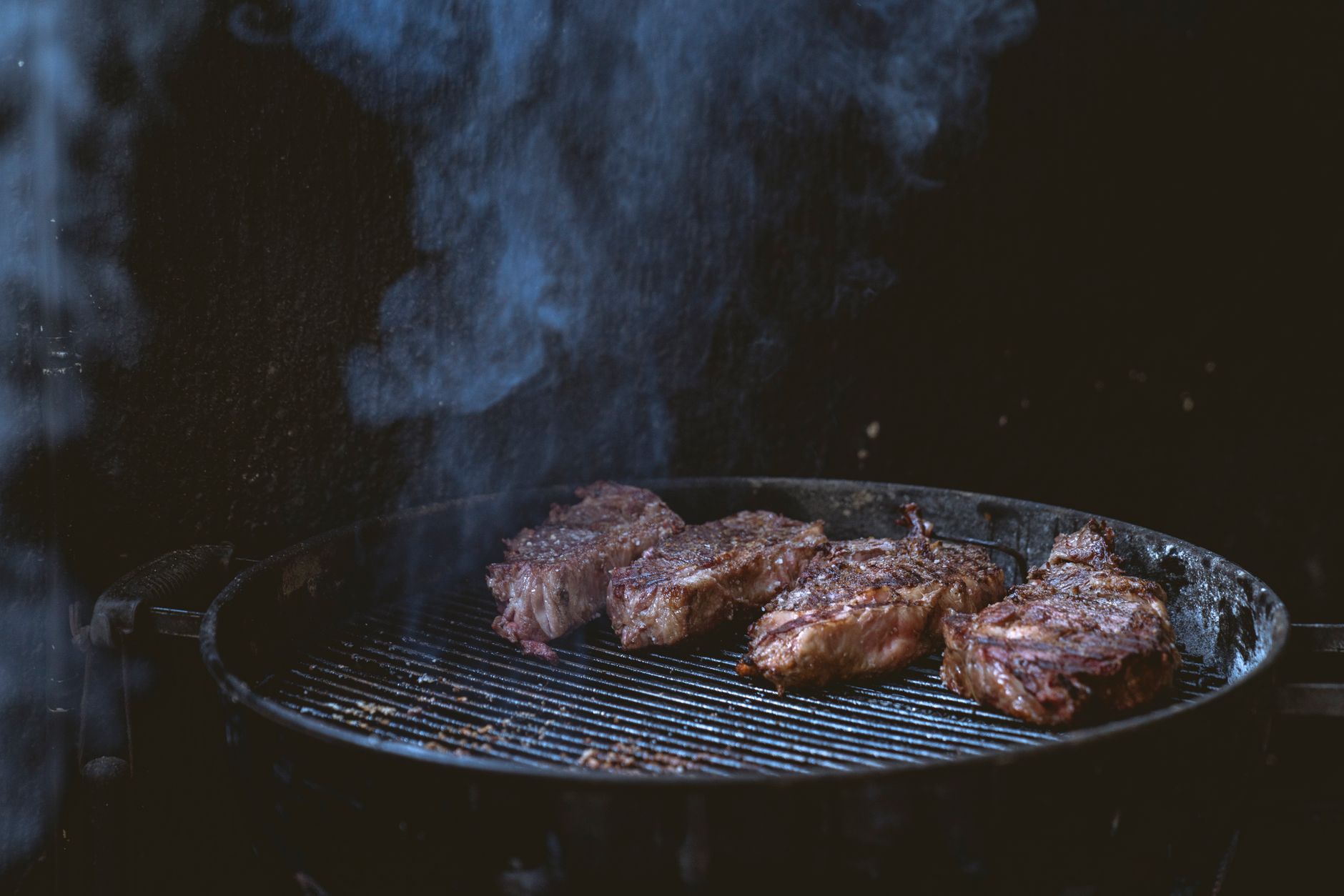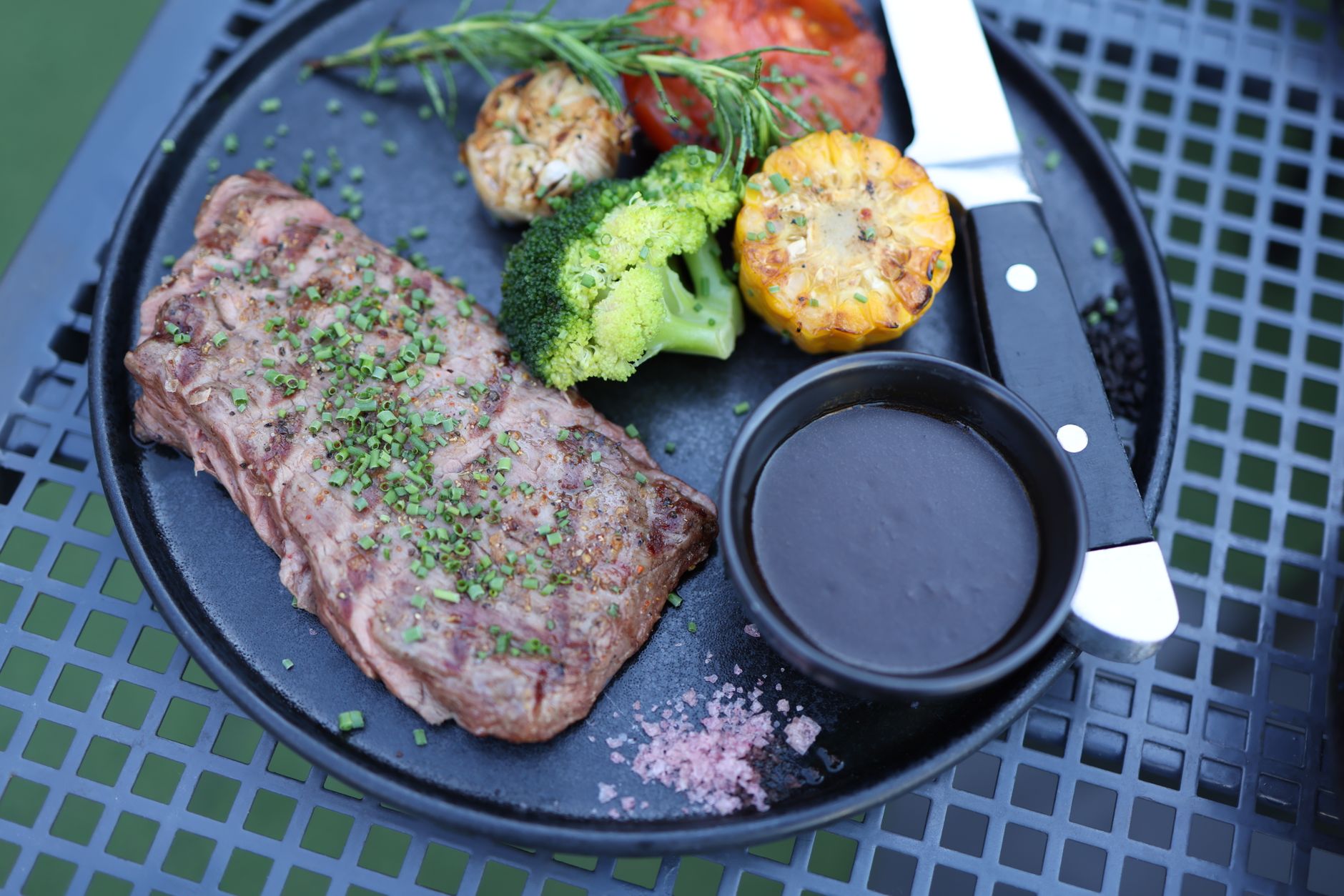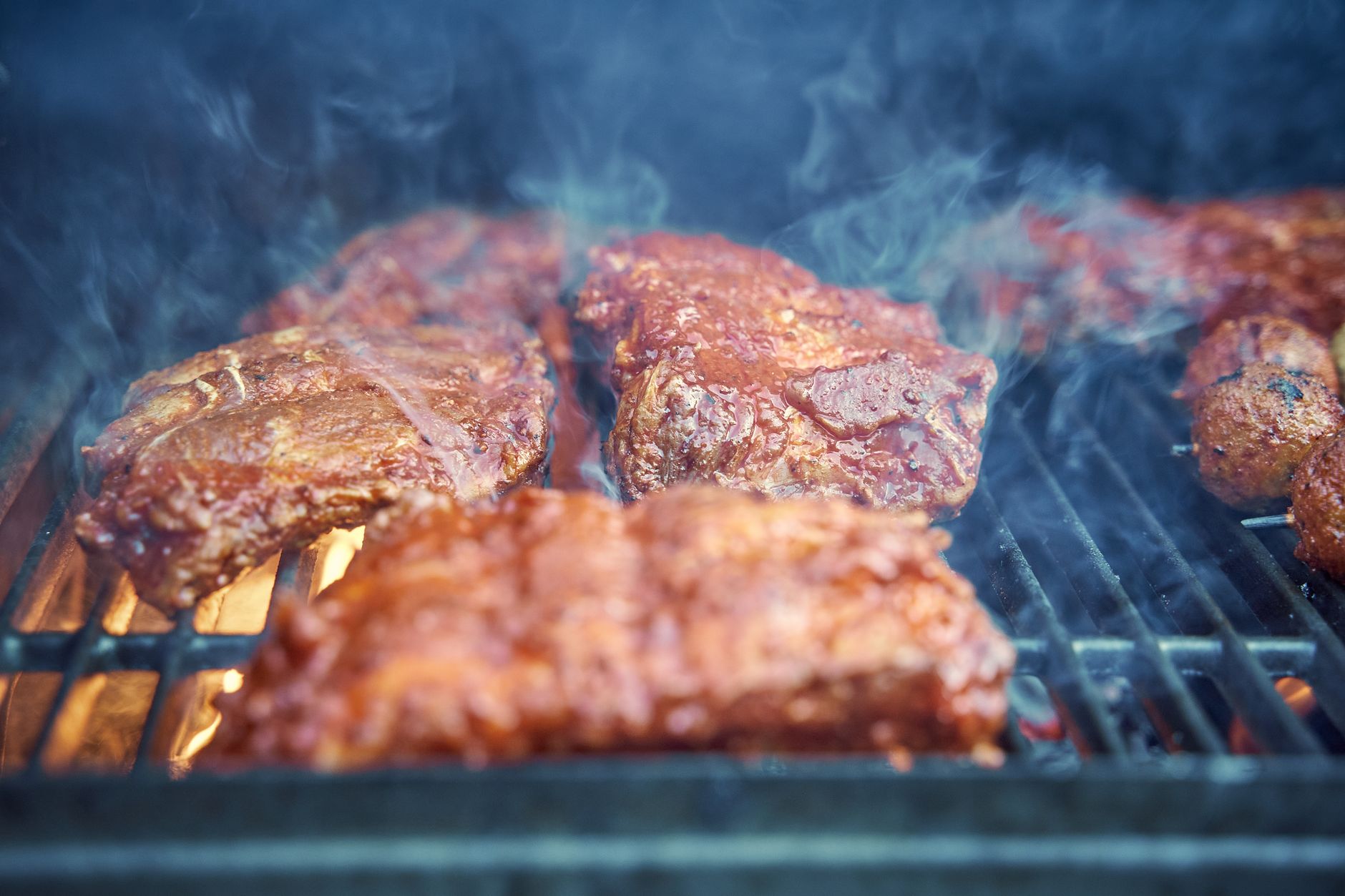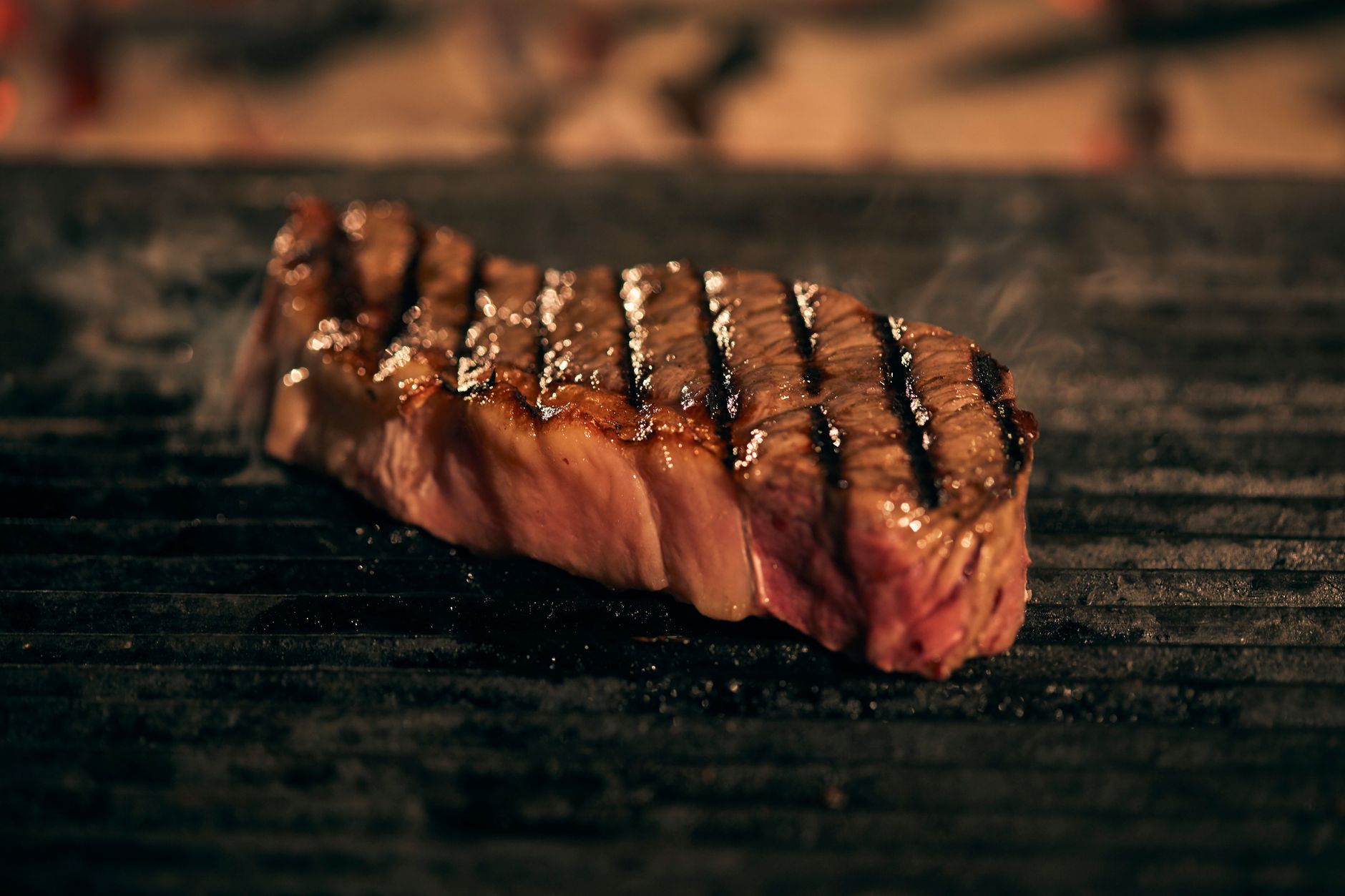
Cooking with beef tallow transforms everyday meals into rich, flavorful dishes while offering a natural, sturdy cooking fat. This versatile fat delivers a high smoke point and deep, meaty aroma thats perfect for searing, frying, roasting, and more. Whether youre curious about its culinary uses or looking to bring authentic taste back to your recipes, beef tallow deserves a place in your pantry.
What Is Beef Tallow?
Beef tallow is rendered fat from cows, mainly obtained by slowly melting suet or fat trimmings. Its prized for its clean, beefy flavor and solid texture at room temperature. Unlike many commercial vegetable oils, beef tallow is a traditional, natural fat often used in classic cooking. Its especially popular in recipes demanding a high smoke point and steady performance without burning.
Why Cook With Beef Tallow?
Using beef tallow improves cooking by providing:
- High smoke point: Around 400F (204C), perfect for searing and frying.
- Rich flavor: Adds a subtle beefy depth, especially to meats and roasted vegetables.
- Stable fat profile: Less prone to oxidation than many vegetable oils, extending cooking fat life.
However, moderation is key due to its saturated fat content. Choosing Halal-certified beef tallow guarantees adherence to halal dietary laws, supported by trusted certification bodies like JAKIM or IFANCA.
How Does Beef Tallow Compare to Other Cooking Fats?
| Fat Type | Smoke Point (F) | Flavor | Health Profile | Common Uses |
|---|---|---|---|---|
| Beef Tallow | ~400 | Meaty, rich | High in saturated fats; natural | Searing, frying, roasting |
| Olive Oil | ~375 | Fruity, mild | High in monounsaturated fats | Sauting, dressings |
| Butter | ~350 | Buttery, creamy | Saturated fats, dairy-based | Baking, low-heat cooking |
| Canola Oil | ~400 | Neutral | Low saturated fats | General frying |
11 Simple Ways To Cook With Beef Tallow
1. Searing Meats for Ultimate Flavor
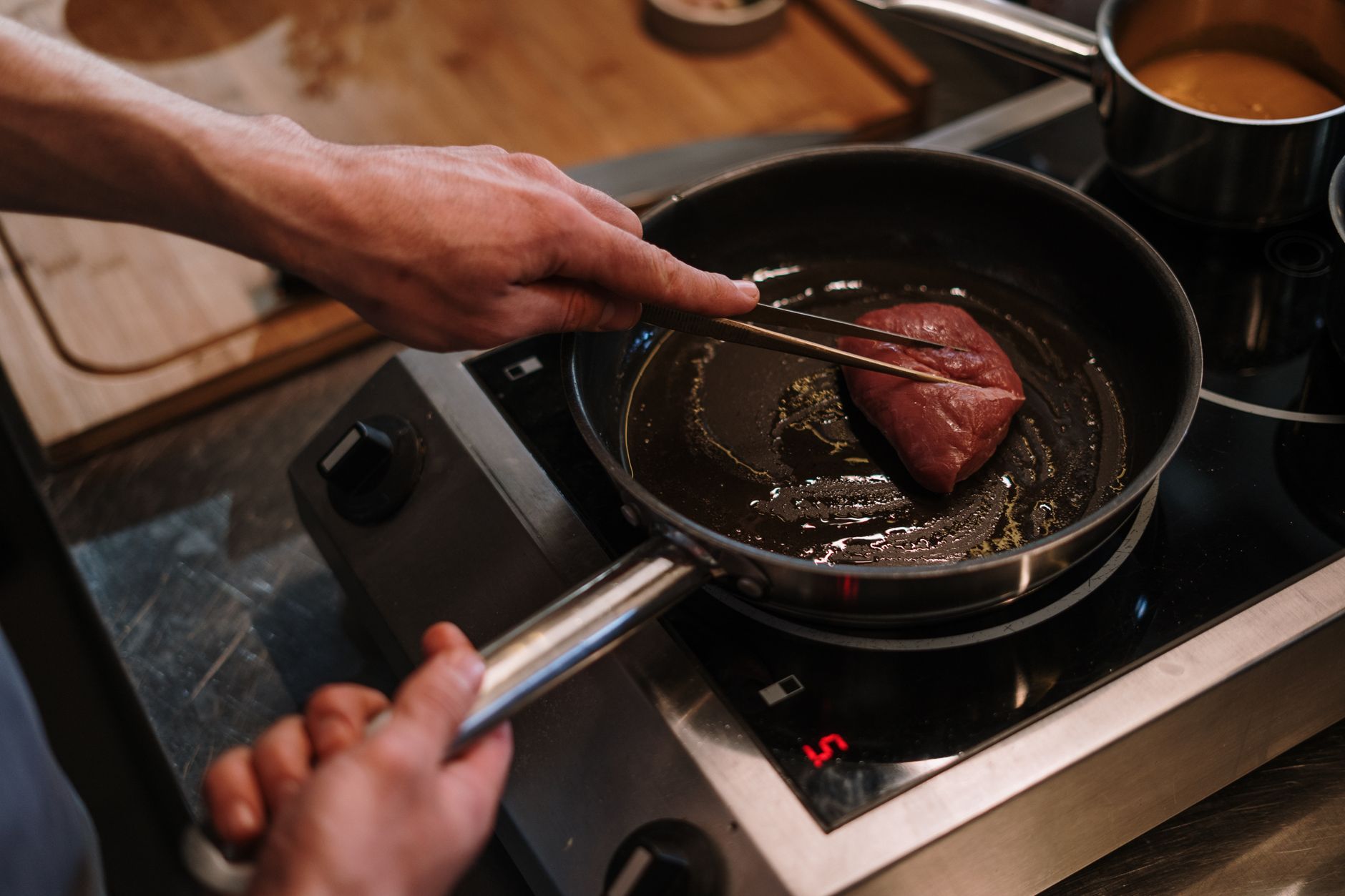
Searing meat in beef tallow locks in juices and forms a beautiful crust. Heat a cast iron pan over medium-high heat until the tallow shimmers but doesnt smoke. Add the beefbe it steak, chops, or ground cutsand cook each side 34 minutes. The fats high smoke point helps achieve a richly caramelized exterior without burning.
For cuts like chuck roast or chuck steak, check out this comparison of Chuck roast vs chuck steak to select the best option for your tallow cooking experiments.
2. Sauting Vegetables Without Losing Taste
Vegetables sauted in beef tallow gain a velvety texture and enhanced aroma. Start with 12 tablespoons of melted tallow over medium heat. Add firmer vegetables like carrots, bell peppers, or green beans for best results. Stir often and cook for 57 minutes, seasoning with salt and your favorite herbs to enrich natural flavors.
3. Roasting Potatoes to Crispy Perfection
Coating potatoes in beef tallow before roasting yields a golden, crispy exterior and tender inside. Preheat oven to 425F (220C). Toss cubed potatoes in 2 tablespoons of melted tallow, salt, pepper, and garlic powder. Spread evenly on a baking sheet and roast for 3540 minutes, flipping halfway through. The tallows natural beef notes complement savory sides beautifully.
4. Making a Roux with Beef Tallow
A roux made from beef tallow offers a deep, rich base for gravies and sauces. Melt 2 tablespoons of tallow in a saucepan over medium heat. Add an equal amount of flour and whisk continuously for 35 minutes until golden and aromatic. This roux performs better than butter-based versions because it can handle higher heat without breaking down, delivering velvety sauces with a beefy undertone.
5. Frying Foods for Crispy, Golden Results
Beef tallow excels at frying due to its high smoke point and flavor retention. Preheat your deep fryer or pan to 375F (190C). Use fresh or filtered tallow for best crispiness. Fry foods like chicken, fries, or falafel in batches for 36 minutes until golden brown. After frying, strain the fat and store it in an airtight container in the fridge. Properly filtered, tallow can be reused 34 times without losing quality.
6. Barbecuing Meats for Smoky, Rich Flavor
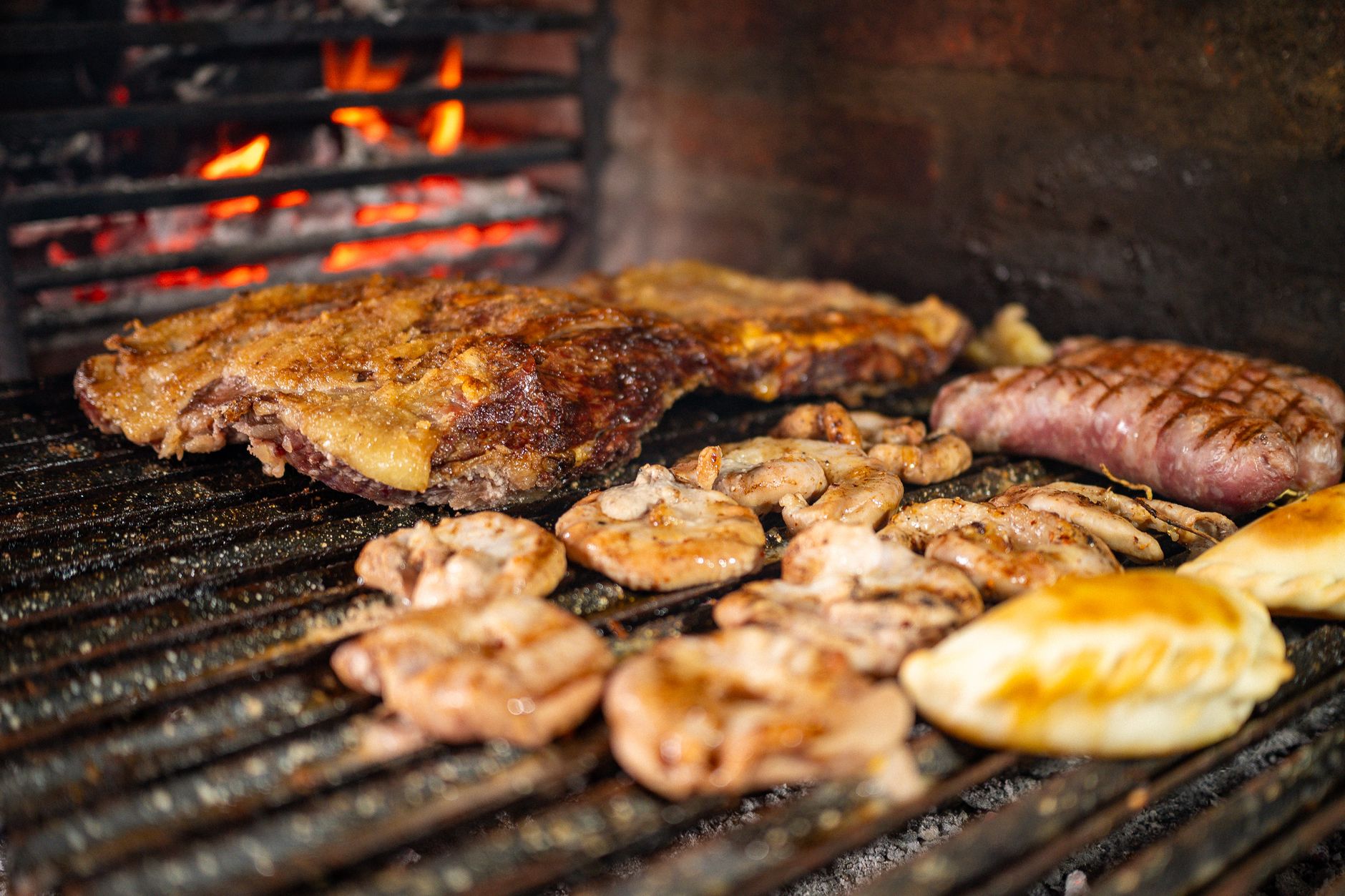
Incorporate beef tallow into barbecue by rubbing it lightly on meat before seasoning or mixing it into marinades. The fat keeps meat juicy and adds a subtle smoky note during grilling or smoking. Use it to baste ribs or chicken intermittently as they cook to boost tenderness and flavor.
7. Maintaining Cooking Equipment with Beef Tallow
Cast iron loves beef tallow for seasoning. After washing your skillet, apply a thin layer of tallow using a paper towel. Heat it in a 400F (204C) oven for 1 hour to polymerize the fat, creating a durable non-stick layer. Regular seasoning with beef tallow keeps your pan rust-free and improves its cooking surface over time.
8. Making Savory Pie Crusts That Flake Perfectly
Replace butter or lard with beef tallow in savory pie crusts for a tender, flaky texture with a beefy aroma. Use 1 cup of all-purpose flour, 1/4 teaspoon salt, and 1/2 cup chilled beef tallow cut into small pieces. Add 34 tablespoons ice water, mix gently, and chill dough for 30 minutes. Roll out and fill with your favorite Halal-certified meat or vegetable fillings for a robust flavor.
9. Pairing Beef Tallow with Mushrooms for Umami Boost
Mushrooms cooked in beef tallow develop an extra layer of umami richness. Heat 1 tablespoon of tallow in a skillet over medium heat. Add sliced mushrooms and cook, stirring occasionally, for 79 minutes until softened and browned. Finish with fresh thyme or garlic for an earthy side dish ideal with steaks or rice bowls.
10. Frying Pastries: Golden and Flaky Treats
Use beef tallow to fry pastries like doughnuts or Halal-friendly sopapillas for a crisp, flavorful finish. Heat tallow in a deep pan to 375F (190C). Fry dough portions in small batches for 23 minutes each side until puffy and golden. Drain on paper towels and dust with powdered sugar or drizzle with honey for a treat that blends tradition with indulgence.
11. Using Beef Tallow With a Griddle or Blackstone Grill
When cooking breakfast foods such as eggs, bacon, or burgers on a griddle, beef tallow helps create a rich sear and prevents sticking. Spread a light layer of tallow before heating the griddle to 375F (190C). Its heat resilience means you wont get flare-ups or burnt residues, giving professional-grade results right at home.

Practical Tips and Safety When Cooking With Beef Tallow
- Storage: Keep beef tallow in a sealed container in the fridge for up to 6 months or freeze for 1 year.
- Visual check: Fresh tallow is creamy white. Discard if it turns yellow, develops an off-odor, or becomes rancid.
- Filtering: Strain used tallow through cheesecloth to remove food particles before storing.
- Health tips: Use in moderation alongside unsaturated fats for a balanced diet. Halal certification ensures the tallow comes from permissible sources and hygienic processing.
Where to Buy and How to Render Your Own Beef Tallow
Halal-certified beef tallow is available in specialty butcher shops or online. Look for packaging that shows certification marks such as JAKIM, HMC, or IFANCA to ensure compliance with halal standards. Tallow comes in blocks, jars, or jars ready for cooking.
If you prefer to render your own:
- Chop 23 pounds of raw beef suet or trimmed fat into small pieces.
- Place in a heavy saucepan or slow cooker.
- Cook over low heat for 46 hours, stirring occasionally, until fat fully melts and solids become crispy (cracklings).
- Strain melted fat through a fine sieve or cheesecloth into clean jars.
- Allow to cool until solidified. Store in the fridge or freezer.
Is cooking with beef tallow actually Halal what should I check?
Yes, beef tallow can be Halal if derived from Halal-slaughtered cattle and processed under approved conditions. Look for certifications from authorities like JAKIM, HMC, or IFANCA on labels. Avoid products without verified certification to maintain halal compliance.
When is the best time to cook with beef tallow?
Beef tallow is best for cooking methods requiring high heat, like searing, frying, and roasting. Its also ideal when you want to add richness and depth to savory dishes. Use it for weekend meal preps or special occasions to elevate your flavors.
Can I use beef tallow for baking?
Absolutely. Swap beef tallow with butter or lard in savory baking recipes such as pie crusts and biscuits. It provides a tender texture and pleasant, meaty undertone. Avoid using it in sweet baked goods that rely on butters sweetness.
How does beef tallow affect the nutritional profile of dishes?
Beef tallow is rich in saturated fats and provides essential fat-soluble vitamins. It adds calorie density, so balance it with vegetables and lean proteins. According to USDA FoodData Central, 1 tablespoon contains approximately 115 calories and 12.7 grams of fat.
Will beef tallow smoke or burn during cooking?
Properly used, beef tallow resists burning up to 400F. Overheating above this can cause smoking and off-flavors. Monitor temperature closely, especially during frying, to avoid overheating.
How do I dispose of used beef tallow safely?
After filtering, you can reuse beef tallow 34 times. When its no longer good, pour small amounts into a sealed container and discard with regular waste. Avoid pouring fats down the drain to prevent blockages.
Can beef tallow be combined with other cooking oils?
Yes, blending beef tallow with oils like olive or canola can balance flavor and fat types for diverse cooking needs. This mix can lower saturated fat content while keeping good heat stability.
Pro Tips for Cooking With Beef Tallow
- Most overlooked mistake: Not properly straining used tallow, which shortens its usable life and affects flavor.
- Why cheap tallow disappoints: Inferior products often come from non-Halal or poorly processed sources, leading to off-flavors and impurities.
- Expert tip: Use beef tallow to season cast iron regularlyit improves performance and adds a natural, delicious aroma to every dish.
More You Might Like
Discover the differences and cooking applications for different beef cuts with this Chuck roast vs chuck steak guide. For a taste of processed meat varieties, explore our article on Bologna meat and its Halal-certified options.
Conclusion
Cook with beef tallow to unlock rich flavors, high-heat versatility, and authentic cooking experiences. This natural fat adds depth to meats, vegetables, and even pastries with ease. Next time you shop, check the label for Halal certification and try one of these easy methods at home. Your dishes will thank youfeel free to share your favorite tallow recipes or questions in the comments.
FAQs
Is Cook with beef tallow actually Halal — what should I check on the label?
Beef tallow is Halal if it is sourced from cattle slaughtered according to Islamic law and processed under strict halal-certified conditions. Look for certifications from recognized bodies such as JAKIM, HMC, or IFANCA on the packaging to ensure it complies with halal standards.
When is the best time to cook with beef tallow?
Beef tallow is ideal for high-heat cooking methods like searing, frying, and roasting. It enhances the flavor and texture of savory dishes, making it perfect for weekend meal preps, special occasions, or anytime you want richer, more authentic tastes.
How long does beef tallow last after opening, and how should I store it?
When stored in a sealed container in the refrigerator, beef tallow stays fresh for up to six months. It can also be frozen for up to one year. Always filter used tallow and discard it if it turns yellow, develops off-odors, or becomes rancid.
How does beef tallow compare to common cooking fats like olive oil or butter?
Beef tallow has a higher smoke point (~400°F) than butter and olive oil, making it better for high-heat cooking. It adds a rich, meaty flavor, unlike the fruity notes of olive oil or creamy taste of butter. However, it is higher in saturated fat and best used in moderation.
Where can I buy halal-certified beef tallow, and can I render my own at home?
Halal-certified beef tallow is available at specialty butcher shops or online retailers displaying certification marks like JAKIM, HMC, or IFANCA. You can also render your own by slowly melting trimmed beef suet over low heat and straining the fat for storage and cooking use.