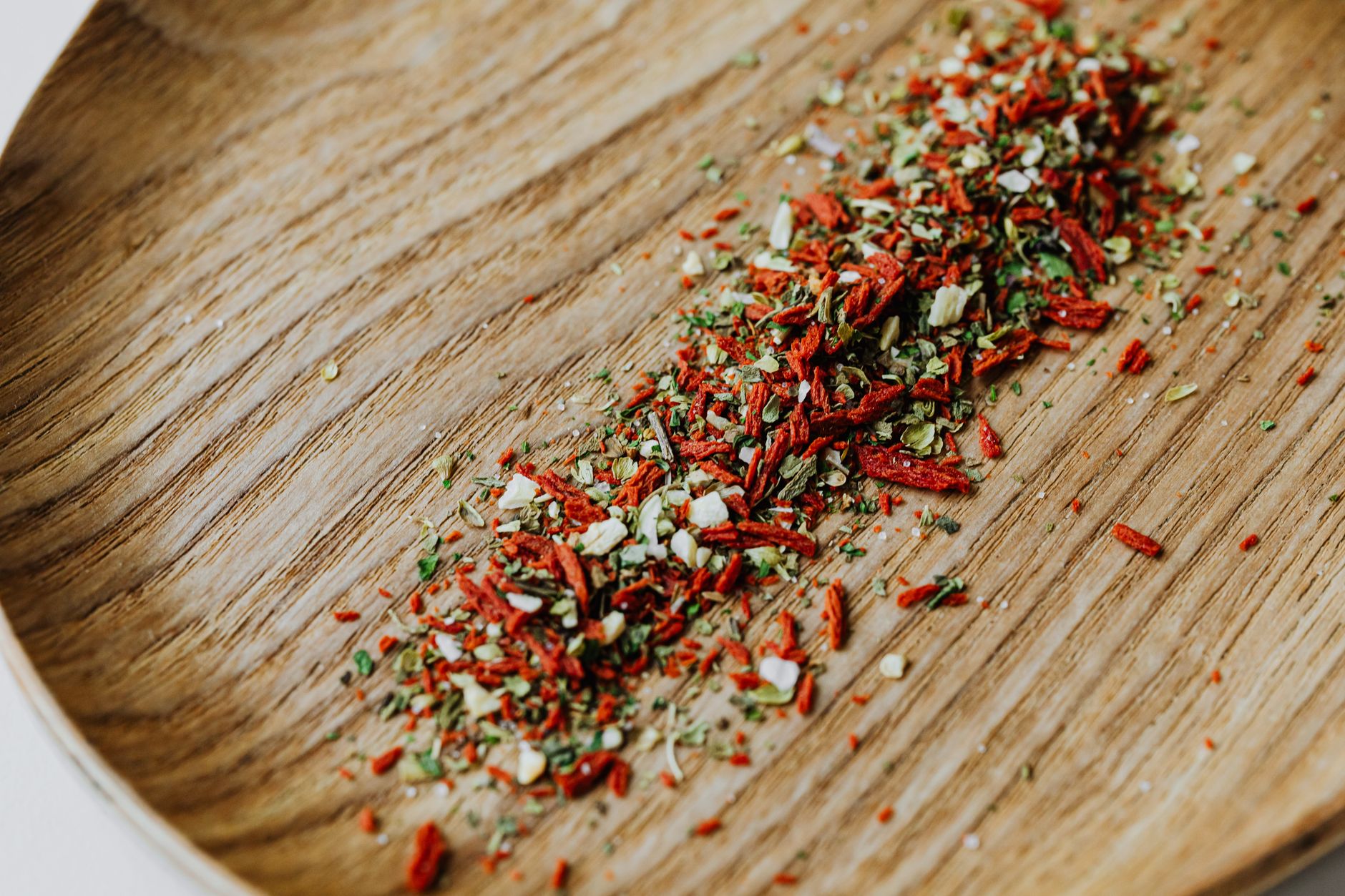
Have you ever wondered if theres an herb that can brighten your dishes with a sweet-peppery zing while offering health perks? Summer savory herb is that flavorful little secret you might have overlooked. This aromatic herb adds depth to meals, especially in Halal and health-conscious cooking. Whether fresh or dried, summer savory brings a rich aroma and unique taste that pairs beautifully with many foods.
What Makes Summer Savory Unique?
What is summer savory herb and how does it taste?
Summer savory (Satureja hortensis) is an annual herb native to the Mediterranean region. It belongs to the mint family and boasts slender leaves and delicate purple flowers. Known for its brilliant green color and pungent aroma, summer savory tastes distinctly peppery with a hint of sweetness and thyme-like undertones. Its a bit milder than winter savory but offers a fresh, lively flavor that enlivens many dishes.
How does summer savory compare to other herbs?
Compared to common herbs like thyme or oregano, summer savory has a sharper, more peppery profile. While thyme is earthy and oregano robust and slightly bitter, summer savory tends to be brighter with a mildly spicy edge. This makes it ideal when you want a herb that wont overpower but will add noticeable warmth. For beans and meats, summer savory excels where other herbs may dominate.
Quick flavor pairing guide
- Meats: Lamb, chicken, turkey, and beef
- Vegetables: Beans, peas, onions, zucchini, and potatoes
- Spices & herbs: Garlic, black pepper, marjoram, and bay leaves
- Beans and legumes: Chickpeas, lentils, black beans
Cooking with Summer Savory
How do I cook with summer savory?
Summer savory is versatile and available fresh, dried, or powdered. Use fresh summer savory leaves like you would fresh thymechop them finely and add toward the end of cooking to preserve aroma. Dried or powdered forms are more concentrated, so use sparinglyusually half the amount of fresh. Add summer savory early in slow-cooked dishes to infuse flavor gradually. Its peppery notes blend well in both marinades and spice rubs.
What dishes benefit the most from summer savory?
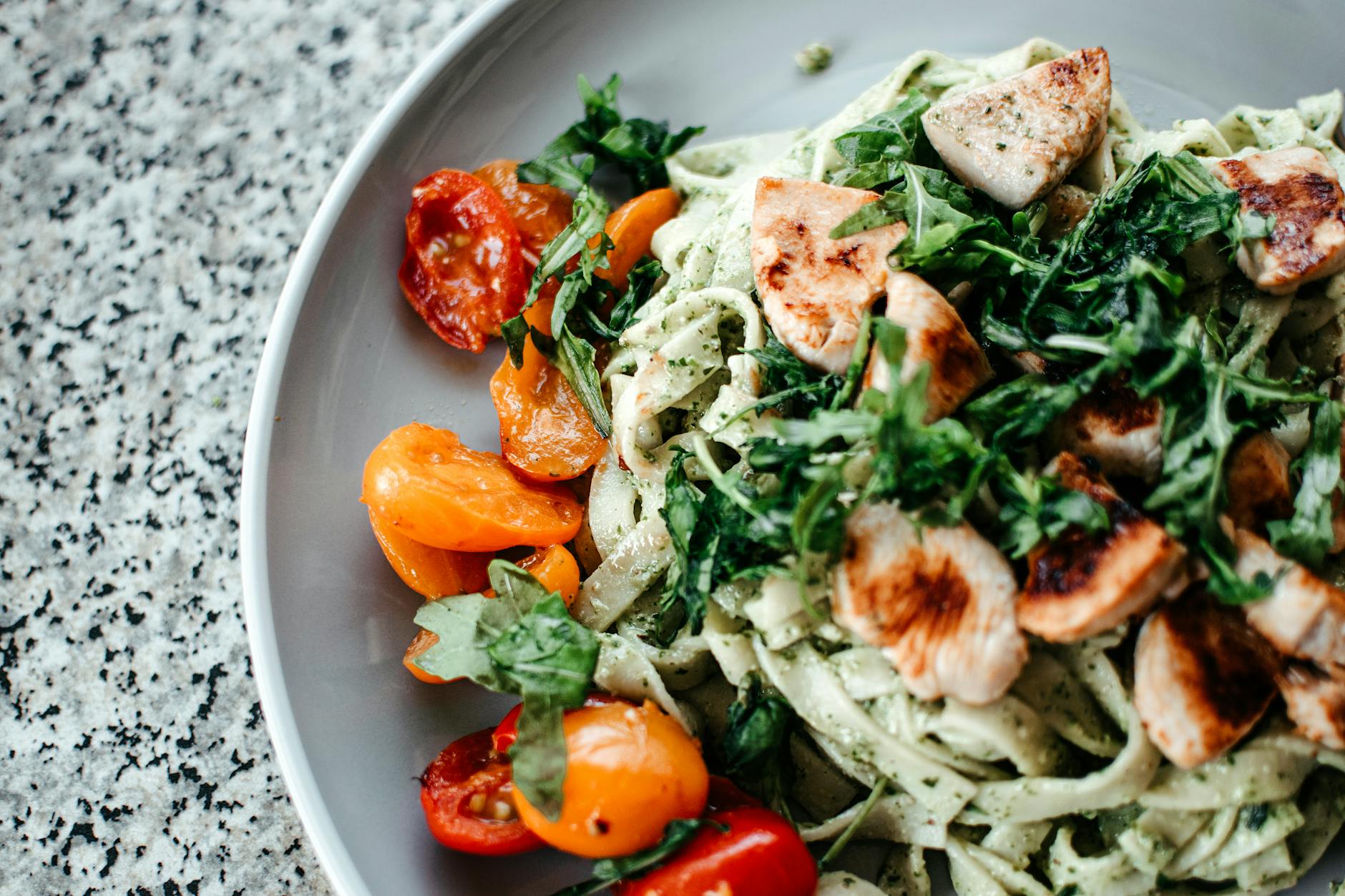
This herb shines in bean dishes, hearty stews, grilled meats, and stuffing recipes. Because of its digestive-friendly qualities, summer savory is popular in Halal diets that include rich or legume-heavy meals. It pairs well with tomato sauces and can replace oregano or thyme in many recipes. Even adding a pinch to bread dough or savory pastries can produce a subtle aromatic lift.
Best foods to pair with summer savory often include those rich in protein or fiber, as it helps enhance digestion and balances strong flavors.
Simple savory bean stew recipe
| Prep time | 10 minutes | Cook time | 40 minutes | Total time | 50 minutes |
|---|---|---|---|---|---|
| Servings | 4 | Calories | 280 kcal | Diet tags | Halal, Gluten-Free, Vegan |
Ingredients:
- 1 cup dried white beans (or 1 can, drained)
- 1 onion, finely chopped
- 2 cloves garlic, minced
- 1 tsp dried summer savory
- 2 cups vegetable broth
- 1 carrot, diced
- Salt & pepper to taste
- 1 tbsp olive oil
Instructions:
- Soak dried beans overnight or rinse canned beans well.
- Heat olive oil over medium heat and saut onion and garlic for 5 minutes until soft.
- Add carrots and cook for 3 minutes more.
- Stir in beans, broth, and summer savory.
- Bring to a boil, then reduce heat to low and simmer uncovered for 35 minutes, or until beans are tender.
- Season with salt and pepper, then serve warm.

Health Benefits of Summer Savory
What health benefits does summer savory offer?
Summer savory contains antioxidants and essential oils with antimicrobial and anti-inflammatory effects. According to studies featured in the Journal of Food Science, its compounds can help reduce digestive discomfort, making it a traditional remedy for bloating and stomach cramps. The herb also exhibits antibacterial properties that may support gut health, an important consideration in balanced diets.
Are there risks or side effects?
For most, summer savory is safe when used in culinary amounts. However, excessive intake could cause digestive upset. People prone to allergies to Lamiaceae family plants (mint family) should exercise caution. There are no known major drug interactions, but those on blood-thinning medications should consult healthcare professionals before high consumption. Pregnant or breastfeeding women should also seek advice if unsure.
Herbalists perspective
Herbalists often recommend summer savory as a gentle digestive tonic with warming properties. Historically, it was used to freshen breath and ease cramps. Todays nutrition experts appreciate it as a flavorful way to reduce sodium intake by substituting salt without compromising aroma or taste.
Choosing and Storing Summer Savory
How to select quality summer savory herbs?
When buying fresh summer savory, look for bright green leaves without yellowing or spots. The aroma should be strong and peppery when crushed gently. For dried summer savory, inspect packaging for intact leaves and minimal dust. Choose products with transparent labeling, Halal certification from bodies such as JAKIM or IFANCA, and no added fillers.
How to store summer savory for best flavor?
Fresh summer savory keeps well in the refrigerator wrapped in a slightly damp paper towel inside a sealed container for 57 days. Dried summer savory retains potency best stored in airtight containers away from heat and lightusually good for 612 months. Crushing dried herbs just before use preserves volatile oils and zestiness.
Fresh vs. dried summer savory comparison
| Aspect | Fresh Summer Savory | Dried Summer Savory |
|---|---|---|
| Flavor | Bright, mild, less concentrated | Stronger, more pungent |
| Usage | Add near end of cooking | Add early for infusion |
| Shelf life | 57 days refrigerated | 612 months in cool place |
| Nutrition | Higher vitamin C | Concentrated flavor compounds |
Is summer savory herb actually Halal what should I check?
Summer savory as a herb is naturally Halal, but to ensure the product is suitable, look for certification logos from recognized bodies such as JAKIM, HMC, or IFANCA on packaging. These confirm the absence of any non-Halal additives or cross-contamination risks. Check ingredient lists for purity and verify reputable brands for peace of mind.
When is the best time to eat dishes with summer savory?
Meals featuring summer savory work well at lunch or dinner, as the herbs earthy, peppery flavor pairs beautifully with roasted, grilled, or slow-cooked dishes. It also aids digestion, so incorporating it into complex or protein-rich meals can improve post-meal comfort.
Can summer savory help if I have digestive issues?
Yes. Traditional use and recent studies highlight summer savorys carminative properties, meaning it can relieve gas and bloating. Including it in bean or legume meals may reduce common discomfort associated with these high-fiber foods.
Does dried summer savory lose nutritional value over time?
While dried herbs lose some volatile oils and vitamin content over time, proper storage in airtight containers away from light preserves most flavor and beneficial compounds for up to a year.
Can I substitute summer savory with other herbs?
You can replace summer savory with thyme or marjoram in recipes, but expect differences in flavor subtlety. Summer savory offers a unique peppery note that these herbs lack, so adjust quantities carefully.
Is summer savory safe during pregnancy?
In typical culinary amounts, summer savory is safe. However, avoid medicinal doses or supplements during pregnancy. Always consult a healthcare provider before making herbal changes.
How much summer savory should I use in recipes?
Use about one teaspoon of dried summer savory or one tablespoon of fresh per four servings. Adjust to taste, keeping in mind dried forms are more concentrated.
Buying Tips for Summer Savory
- Most overlooked mistake: Buying old dried summer savory with faded aroma. Always smell or check freshness dates.
- Why cheap versions disappoint: They often contain filler leaves or dust, reducing flavor and nutrient quality.
- Expert tip: Store dried summer savory in a dark glass jar with a tight lid to maximize shelf life and flavor retention.
More You Might Like
Explore foods to eat after wisdom teeth removal for gentle, nutritious meal ideas that complement healing and comfort.
Learn about the best foods to support overall wellness and halal diet balance with practical shopping tips.
Discover how summer savory herb can refresh your cooking and support digestive health. Next time you shop, take a moment to check the label for Halal certification and freshness. Try adding summer savory to your favorite dish and share your results your taste buds and body might pleasantly surprise you.
FAQs
When is the best time to eat or drink summer savory herb?
Summer savory herb works best at lunch or dinner alongside roasted, grilled, or slow-cooked meals. Its peppery, earthy flavor complements protein-rich and fiber-heavy dishes while aiding digestion and improving post-meal comfort.
Is summer savory herb actually Halal — what should I check on the label?
Summer savory herb itself is naturally Halal. To ensure product suitability, look for certification from recognized bodies like JAKIM, HMC, or IFANCA on packaging. Verify that ingredient lists show no non-Halal additives or fillers and choose reputable brands to avoid cross-contamination.
How long does summer savory herb last after opening?
Fresh summer savory can last 5 to 7 days refrigerated in a sealed container with a damp paper towel. Dried summer savory keeps potency for 6 to 12 months when stored airtight away from light and heat. Crushing just before use helps preserve flavor and aroma.
What is the difference between summer savory and common herbs like thyme or oregano?
Summer savory offers a brighter, more peppery, and mildly sweet flavor compared to thyme’s earthy notes and oregano’s robust, slightly bitter taste. It adds warmth without overpowering dishes and pairs especially well with beans and meats where other herbs might dominate.
Is it safe to consume summer savory herb daily?
Yes, summer savory is generally safe in typical culinary amounts and offers digestive and antimicrobial benefits. However, excessive intake may cause digestive upset. People allergic to mint family plants or pregnant women should consult a healthcare provider before regular use.