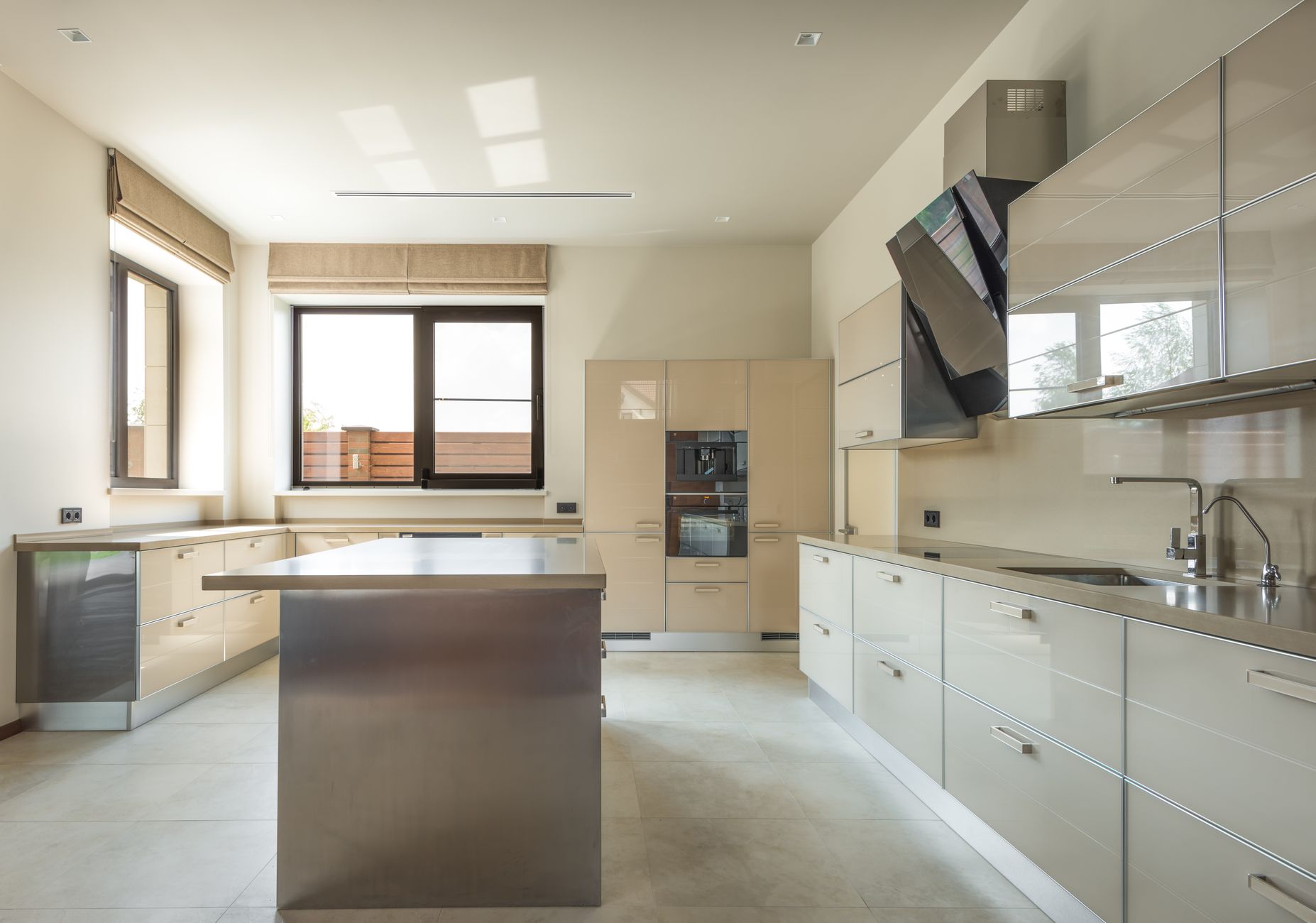
Stainless steel cookware and appliances add a sleek, modern touch to any kitchen. But does your once-bright pan or sink now look dull, streaked, or spotted? Knowing how to clean stainless steel the right way can restore its shine without scratching or harming the surface. Using a simple lemon and salt hack, youll remove stains naturally, safely, and affordably. Lets explore why proper cleaning matters and share step-by-step tips to achieve that gleaming, like-new finish.
Why Cleaning Stainless Steel Matters
Benefits of Clean Stainless Steel
Keeping your stainless steel utensils and appliances spotless isnt just about looks. A well-maintained surface ensures:
- Hygienic cooking and food prep areas, reducing bacteria build-up.
- Protection against corrosion and rust, extending the life of your pans and tools.
- Better cooking performance, as clean pans distribute heat evenly without hotspots.
Risks of Improper Cleaning
Not all cleaning methods suit stainless steel. Using abrasive scrubbers or harsh chemicals can lead to:
- Scratches and permanent damage to glossy or brushed finishes.
- Residue buildup that causes stubborn stains or water spots.
- Discoloration or corrosion caused by acids or cleaners not designed for stainless steel.
According to cookware manufacturers, choosing gentle, natural methods preserves both appearance and function.
The Lemon and Salt Hack
Why Lemon and Salt Work Well
Lemons natural acidity breaks down grease, mineral deposits, and tarnish without harsh chemicals. Salt acts as a mild abrasive that lifts grime off the surface without scratching. Together, they create an effective, eco-friendly cleaner thats perfect for sensitive stainless steel surfaces.
Step-by-Step Cleaning Guide
Materials Needed
- Half a fresh lemon
- Coarse salt (kosher or sea salt works best)
- Soft cloth or sponge (non-scratch)
- Warm water for rinsing
- Dry microfiber towel
How to Clean Stainless Steel Using Lemon and Salt
- Sprinkle a generous amount of salt onto the cut side of the lemon half to cover the exposed flesh.
- Rub the salted lemon gently over the stainless steel surface in circular motions, focusing on stained or dull areas.
- Let the lemon juice and salt sit for 12 minutes to break down deposits and stains.
- Rinse the pan or appliance with warm water to wash away residue.
- Dry immediately with a microfiber towel to prevent water spots and streaks.
You can repeat this method weekly or as needed to keep your stainless steel looking its best.
An Everyday Success Story
One friendly home cook shared how their old, rainbow-stained stainless steel pan looked almost brand new again after a quick lemon and salt scrub. They were surprised by how little effort it tookno expensive cleaners, just pantry staples.

Removing Different Types of Stains
Heat Stains and Rainbow Discoloration
Discoloration from overheating creates iridescent rainbow stains. To remove them, you can:
- Use the lemon and salt method gently; the mild acid helps dissolve the heat discoloration.
- Alternatively, apply a small amount of white vinegar with a soft cloth, then rinse well.
Grease and Burnt-On Food
For stubborn grease or burnt food residue:
- Sprinkle baking soda on the pan surface and add a little water to form a paste.
- Let it sit for 15 minutes, then scrub gently with a soft sponge.
- Rinse thoroughly and dry.
- Combine this with the lemon and salt hack to restore shine afterward.
When to Avoid Lemon
Though lemon is great for many stainless steel types, avoid using it on finishes that are very sensitive or brushed. The acid and salt can dull the matte look or leave spots. Always test on a small hidden area first.
Additional Cleaning Tips
Salt Only Cleaning
Salt by itself is a decent scrubbing agent for light grime, but it wont dissolve oils or mineral deposits the way lemon juice can. Its best used combined with gentle moisture or lemon for deeper cleaning.
Other Natural Cleaners
White vinegar, baking soda, and cream of tartar also work well for different stain types:
- Vinegar: Effective for removing hard water spots.
- Baking soda: Great for scrubbing without scratching.
- Cream of tartar: Mildly acidic and helps brighten dull surfaces.
Commercial Cleaners
If you prefer store-bought options, select ones explicitly labeled safe for stainless steel. Avoid bleach-based or abrasive cleaners. Follow manufacturer instructions carefully to maintain your cookwares coating and certification.
Maintaining Shine Long-Term
- Wash pans promptly after use to prevent stains.
- Always dry cookware thoroughly to avoid water spots.
- Use non-abrasive scrubbers or cloths.
- Store stainless steel items separated to prevent scratches.
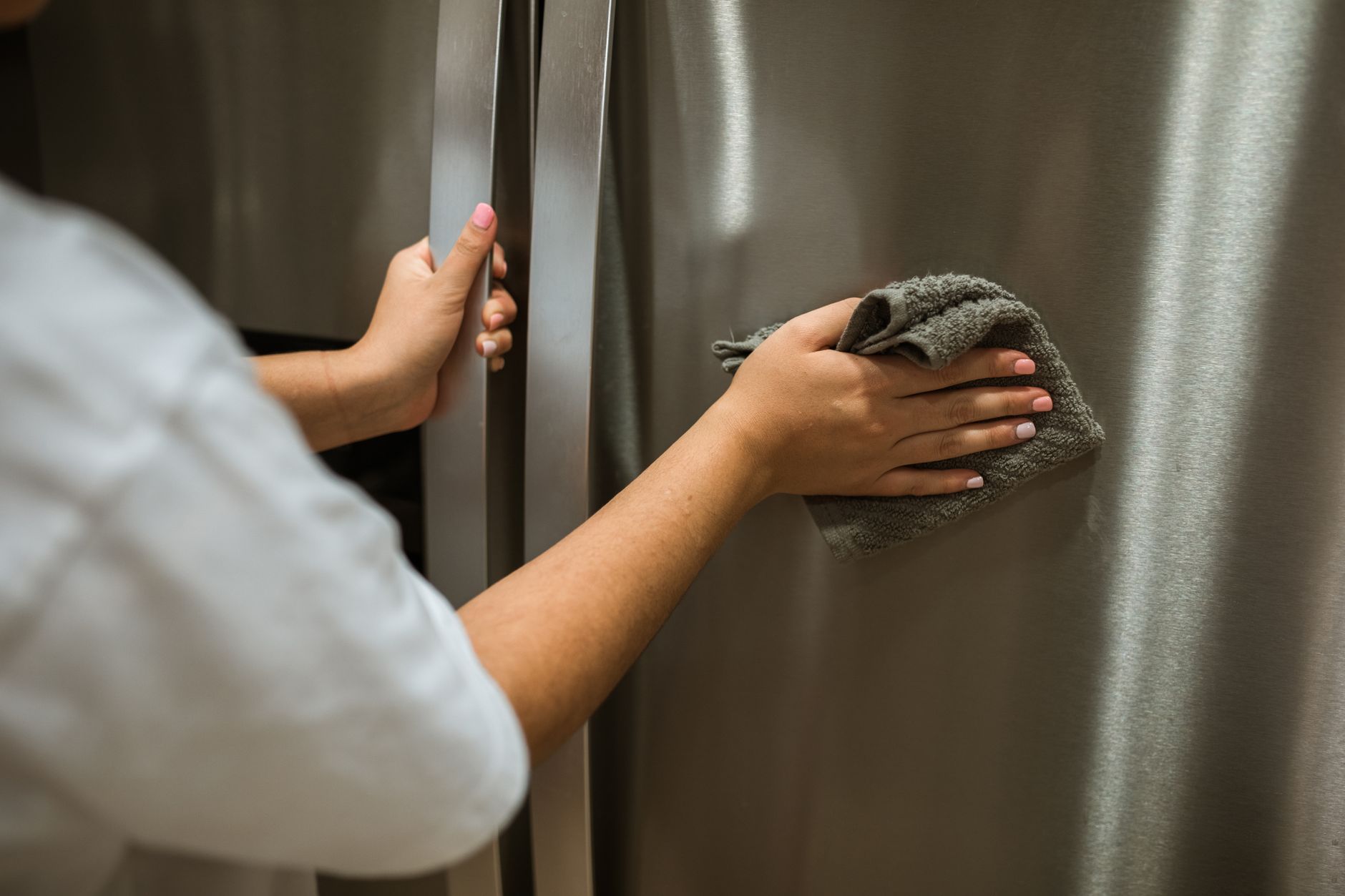
Shining Stainless Steel Pans
Buffing and Polishing Tips
After cleaning, use a clean microfiber cloth to buff your stainless steel pans gently. Applying small drops of mineral oil or a specialized stainless steel polish can enhance the shine further. Rub in the direction of the grain for brushed finishes to preserve texture.
Common Mistakes to Avoid
- Scrubbing with steel wool or harsh pads that scratch surfaces.
- Using acidic cleaners excessively, which may dull the finish.
- Leaving water or detergent residue to dry on the steel.
How to Read Labels for Halal-Certified Cleaning Products
For those conscious about Halal certification, especially when purchasing commercial cleaners or dish soaps, look for trusted certification logos like JAKIM, HMC, or IFANCA. These bodies ensure the product ingredients comply with Halal standards, meaning they contain no alcohol or animal-derived components prohibited in Halal. Always examine ingredient lists for potential allergens or non-Halal additives, too.
Connecting Clean Habits and Health
Keeping cookware pristine supports safer cooking and eating. For balanced nutrition, consider pairing clean cooking practices with diets rich in wholesome ingredients. Check out our articles about Best foods for liver health and Foods that have high protein for more ways to eat clean and well.
Is clean stainless steel cookware safe for all types of cooking?
Yes, stainless steel cookware is safe and versatile for cooking most foods, including Halal dishes. It offers non-reactive surfaces that do not leach chemicals, making it suitable for preparing meats, vegetables, and sauces according to Halal dietary laws as defined by JAKIM and similar authorities.
Can lemon and salt damage stainless steel over time?
When used moderately and properly rinsed, lemon and salt wont damage stainless steel. Overuse or leaving acidic residue on the surface for long periods can, however, cause dulling or pitting. Always rinse thoroughly and dry after cleaning to maintain the finish.
How often should I clean my stainless steel pans with lemon and salt?
Cleaning weekly or when you notice dull spots or stains is ideal. For heavy use, you might clean more frequently. Daily washing with mild soap and water helps reduce the need for deep cleaning.
Is it necessary to dry stainless steel after cleaning?
Yes. Drying stainless steel immediately with a microfiber cloth prevents water spots and streaking, which occur when minerals in tap water dry on the surface.
Can I use lemon and salt on my stainless steel appliances?
Yes, but test on a small area first, especially on brushed finishes. Apply gently to avoid dulling or scratching. Always avoid using abrasive pads on polished surfaces.
What are signs that my stainless steel pan needs a professional cleaner?
If stains dont come off with natural methods, or if corrosion and deep scratches appear, professional cleaning or polishing might be necessary. Avoid harsh DIY treatments that could worsen damage.
Are all stainless steel pans Halal by default?
Yes, stainless steel pans themselves are Halal as they are inert metal cookware. However, ensure that no non-Halal substances were used in processing or cleaning if Halal certification matters to you.
Conclusion
Knowing how to clean stainless steel properly keeps your cookware and kitchen items looking fresh and hygienic. The natural lemon and salt hack offers a simple, safe, and effective way to remove stains and restore shine. Use gentle methods consistently and your stainless steel will serve you beautifully for years. Try this hack yourself and share your experience with uswed love to hear how your pans sparkle!
FAQs
Is clean stainless steel actually Halal — what should I check on the label?
Yes, stainless steel itself is Halal as it is an inert metal. When buying cleaning products, look for certification logos like JAKIM, HMC, or IFANCA, which ensure no alcohol or animal-derived ingredients are included. Always check ingredient lists for any non-Halal additives or allergens.
How often should I clean my stainless steel pans using lemon and salt?
Cleaning your stainless steel pans weekly or when you notice dull spots or stains is recommended. Daily washing with mild soap reduces the need for deep cleaning. Overusing lemon and salt may dull the finish, so moderate use and proper rinsing are key.
Can lemon and salt damage stainless steel over time?
When used properly and rinsed thoroughly, lemon and salt will not damage stainless steel. However, excessive use or leaving acidic residue for long periods can cause dulling or pitting. Always rinse and dry surfaces immediately after cleaning.
Is it necessary to dry stainless steel after cleaning?
Yes. Drying stainless steel right after cleaning prevents water spots and streaks caused by mineral deposits in tap water. Use a microfiber towel for the best results and to maintain the steel’s shine and finish.
Can I use lemon and salt on my stainless steel appliances?
Yes, but test on a small, hidden area first, especially on brushed finishes. Apply the salted lemon gently to avoid dulling or scratching the surface. Avoid abrasive scrubbers on polished appliances to maintain their glossy look.