Hey there glad you stopped by. If youve ever stood in front of the grocery aisle wondering which foods actually make you feel better (and not just temporarily satisfied), youre in the right place. Lets walk through approachable, science-backed choices for healthy foods to eat that will help your energy, mood, and long-term wellbeing without turning meals into a chore.
Why choose healthy foods?
Think of your body as a car: the fuel you pick affects how smoothly it runs, how far it goes, and whether it needs repairs sooner. Healthy foods to eat give you steady energy, support your immune system, help your brain work clearly, and make your mood more resilient. And the best part? Healthy doesnt mean bland. It simply means choosing foods that genuinely support you, most of the time.
Foundational food groups
Before getting into specifics, here are the basic groups I recommend keeping on your plate regularly. These build balanced meals that are satisfying and nourishing:
- Whole grains (brown rice, oats, quinoa)
- Lean proteins (fish, chicken, eggs, tofu)
- Healthy fats (avocado, nuts, olive oil)
- Colorful fruits and vegetables
- Legumes and beans
Mixing these across meals helps keep blood sugar stable and cravings at bay. Plus, they add delicious textures and flavors to your day.
Powerhouse choices to include weekly
Alright, lets get practical. Here are the best healthy foods to eat regularly think of them as your kitchen allies.
- Leafy greens: Spinach, kale, Swiss chard. Low in calories, high in vitamins A, C, K, and fiber. Theyre easy to toss into smoothies, omelets, or pasta.
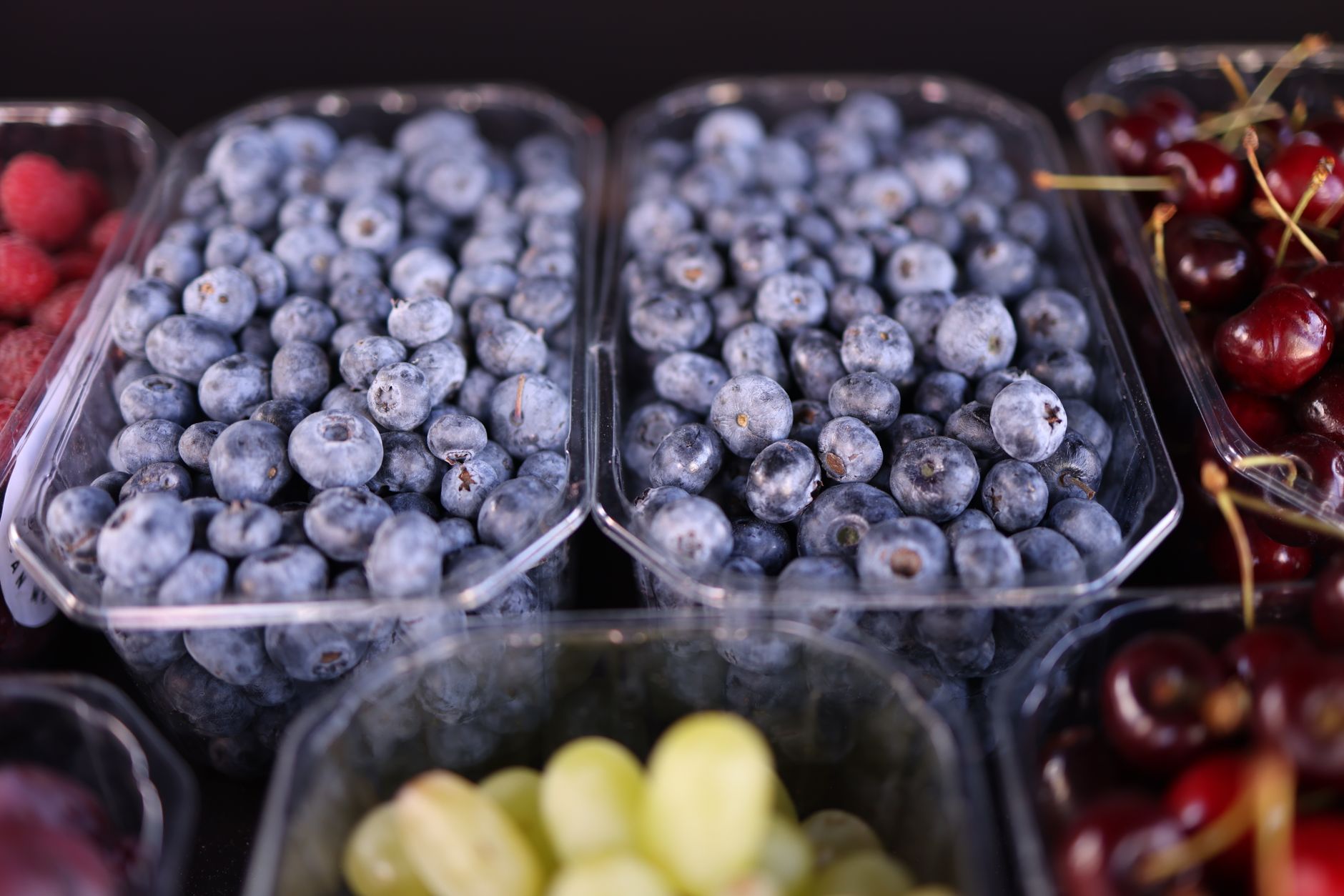
- Berries: Blueberries, strawberries, raspberries. Antioxidant-rich and sweet without too much sugar. Great for yogurt, cereal, or just snacking.
- Fatty fish: Salmon, mackerel, sardines. Packed with omega-3s that support heart and brain health.
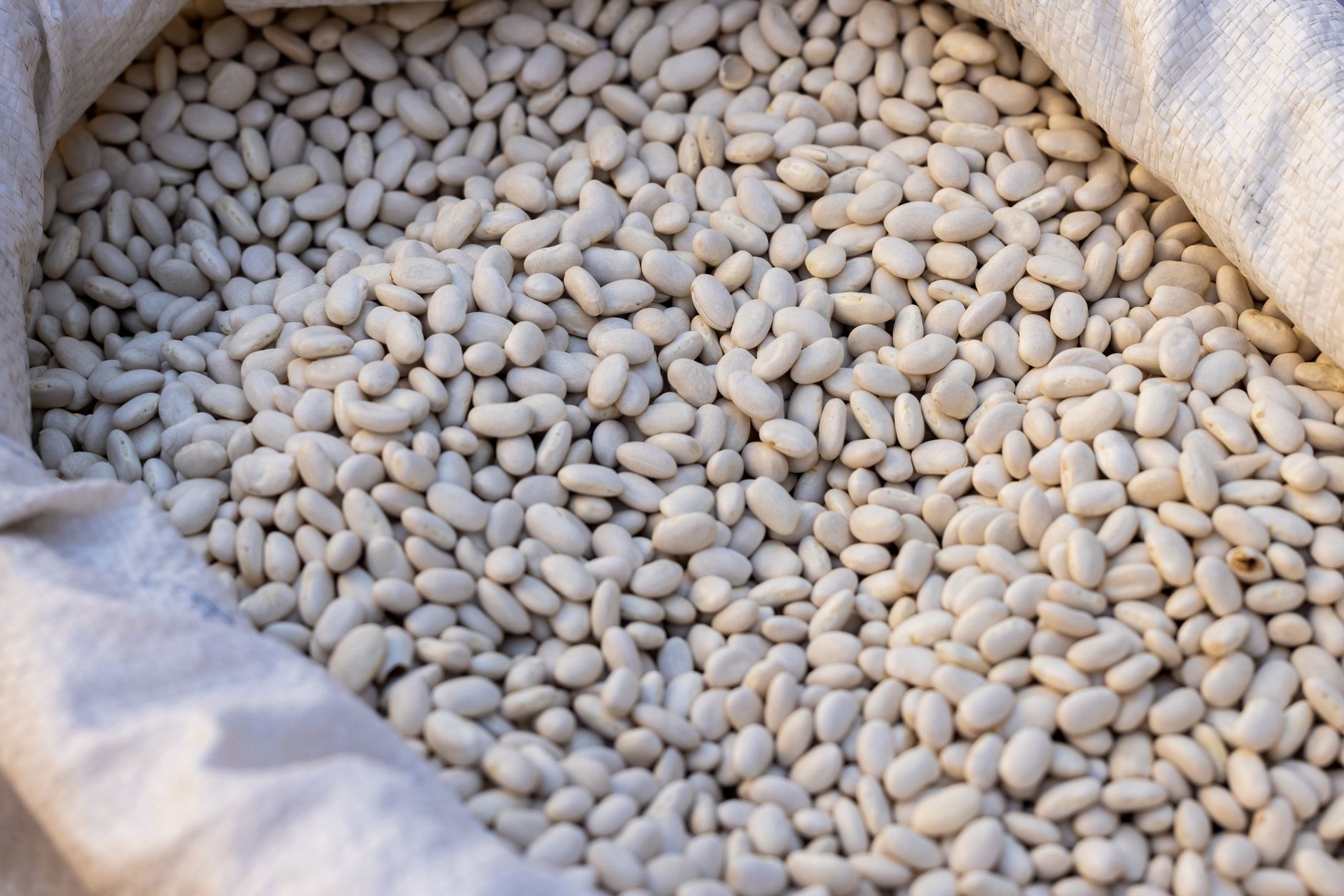
- Legumes: Lentils, chickpeas, black beans. Affordable protein and fiber sources that keep you full longer.
- Nuts and seeds: Almonds, walnuts, chia, flax. Small portions go a long way for healthy fats and texture.
- Whole grains: Oats, barley, quinoa. Satisfying and less processed than refined grains.
- Greek yogurt: Protein-rich and probiotic-friendly for gut health.
- Sweet potatoes: Nutrient-dense and comforting, full of beta-carotene.
Want a quick tip? If your plate looks colorful greens, reds, yellows, purples youre probably covering a wide range of nutrients.
Smart protein choices (without overcomplicating)
Protein is crucial: muscles, hormones, enzymes proteins do a lot. But you dont need fancy powders or weird supplements to get it right. Here are practical picks that complement a healthy life.
- Eggs versatile and budget-friendly.
- Greek yogurt or cottage cheese great for breakfast or snacks.
- Chicken breast or turkey lean and simple to prepare.
- Tofu, tempeh, and edamame excellent plant-based options.
- Legumes and beans one of the best bang-for-your-buck protein sources.
If youre curious about specific protein swaps or looking for plant-based inspiration, check out this guide on Plant based foods high in protein its full of practical swaps and meal ideas.
How to make healthy choices without feeling deprived
Heres a secret: lasting changes are tiny and repeatable, not dramatic. Try these small swaps and see how they fit into your life:
- Swap white rice for quinoa or brown rice a few times a week.
- Use Greek yogurt instead of sour cream for tang and protein.
- Add a cup of veggies to half your meals roasted, steamed, or raw.
- Snack on a handful of nuts instead of chips when cravings hit.
Its okay to love your favorite treats. Balance isnt perfection its about most days feeling nourishing. If a dessert makes you genuinely happy, enjoy it and move on.
Meal ideas that actually taste good
No one wants bland salads every day. Here are quick, real-life meal ideas that are both healthy and delicious:
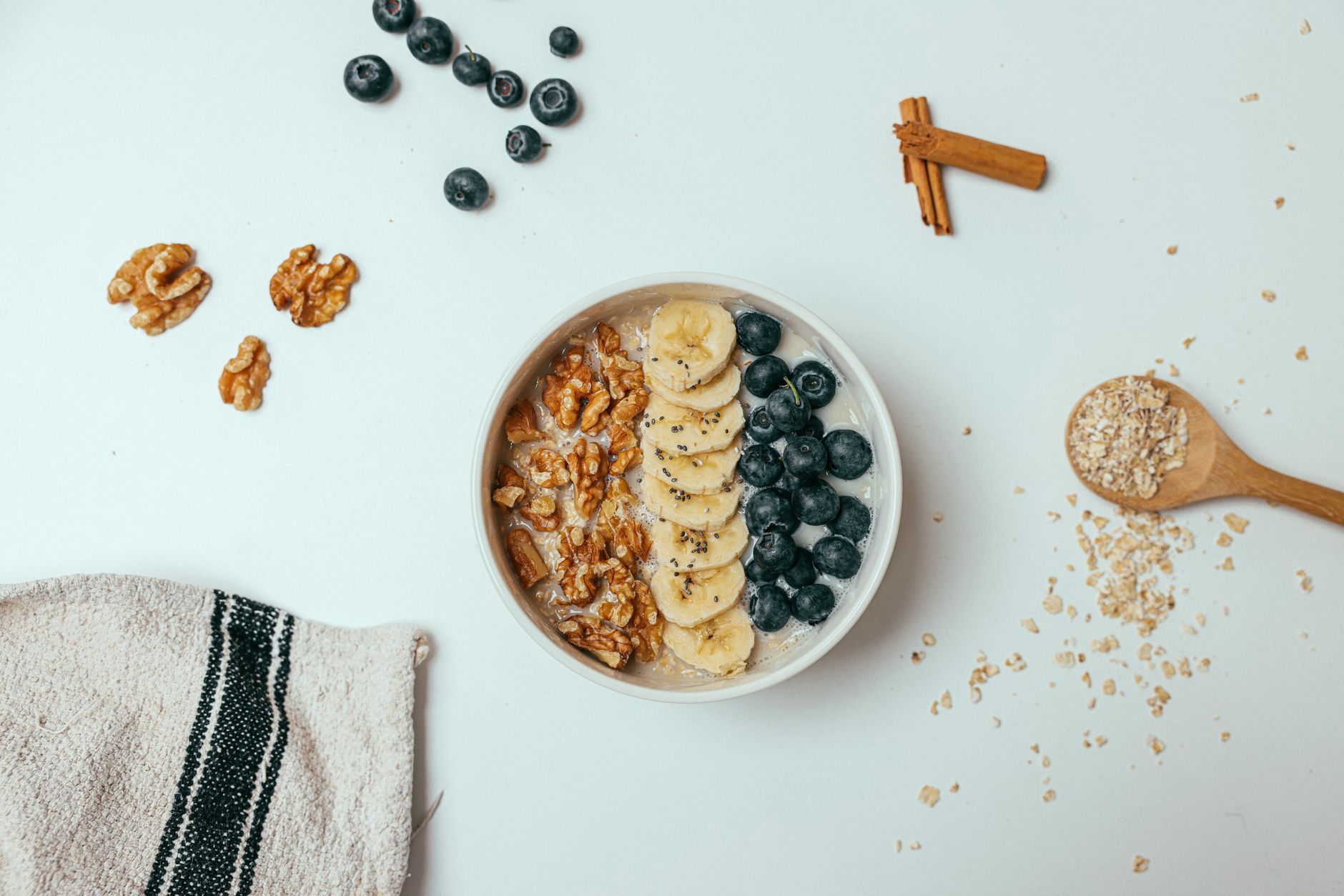
- Breakfast: Oatmeal with berries, chopped walnuts, and a spoonful of Greek yogurt.
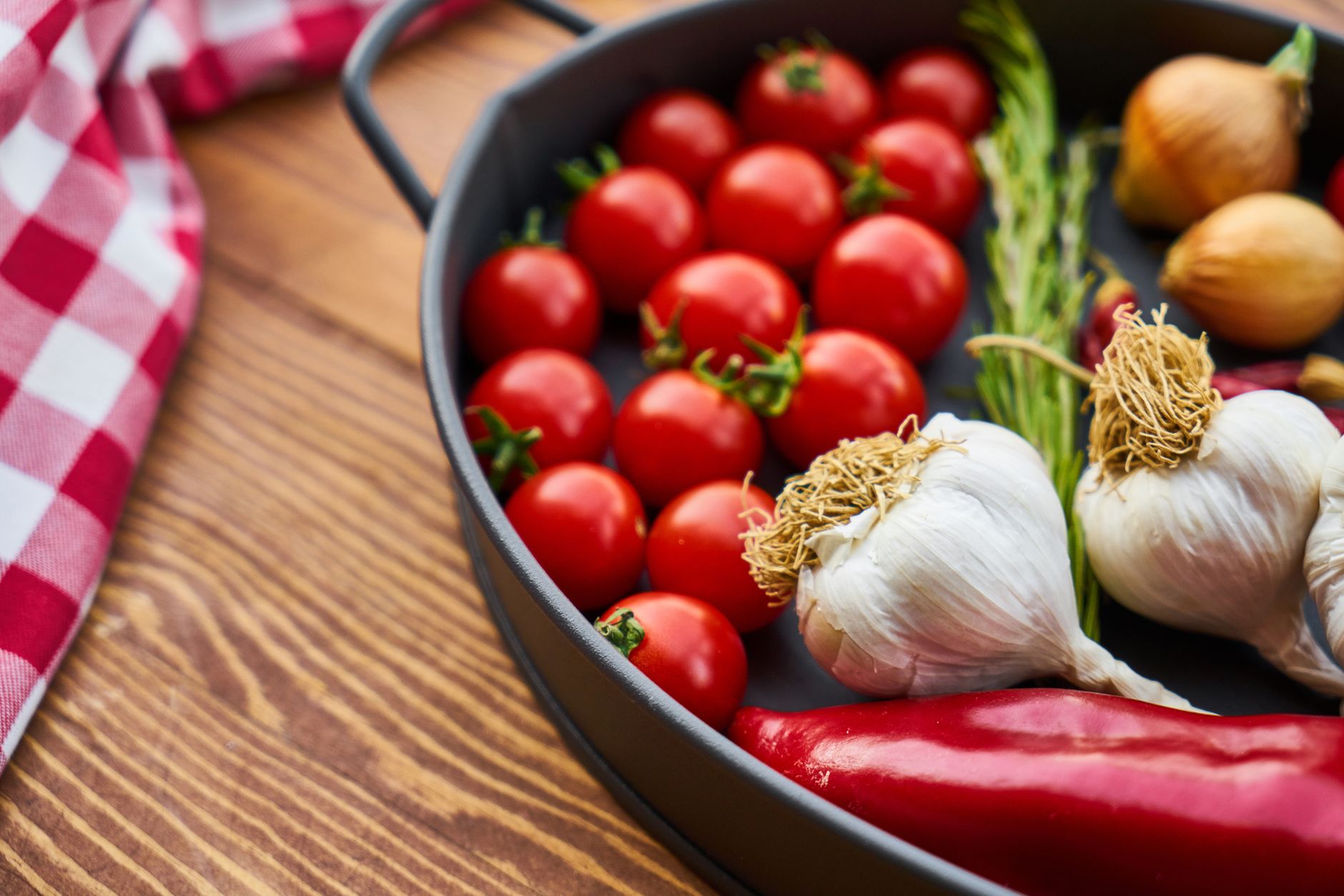
- Lunch: Quinoa salad with chickpeas, cherry tomatoes, cucumber, and lemon-olive oil dressing.
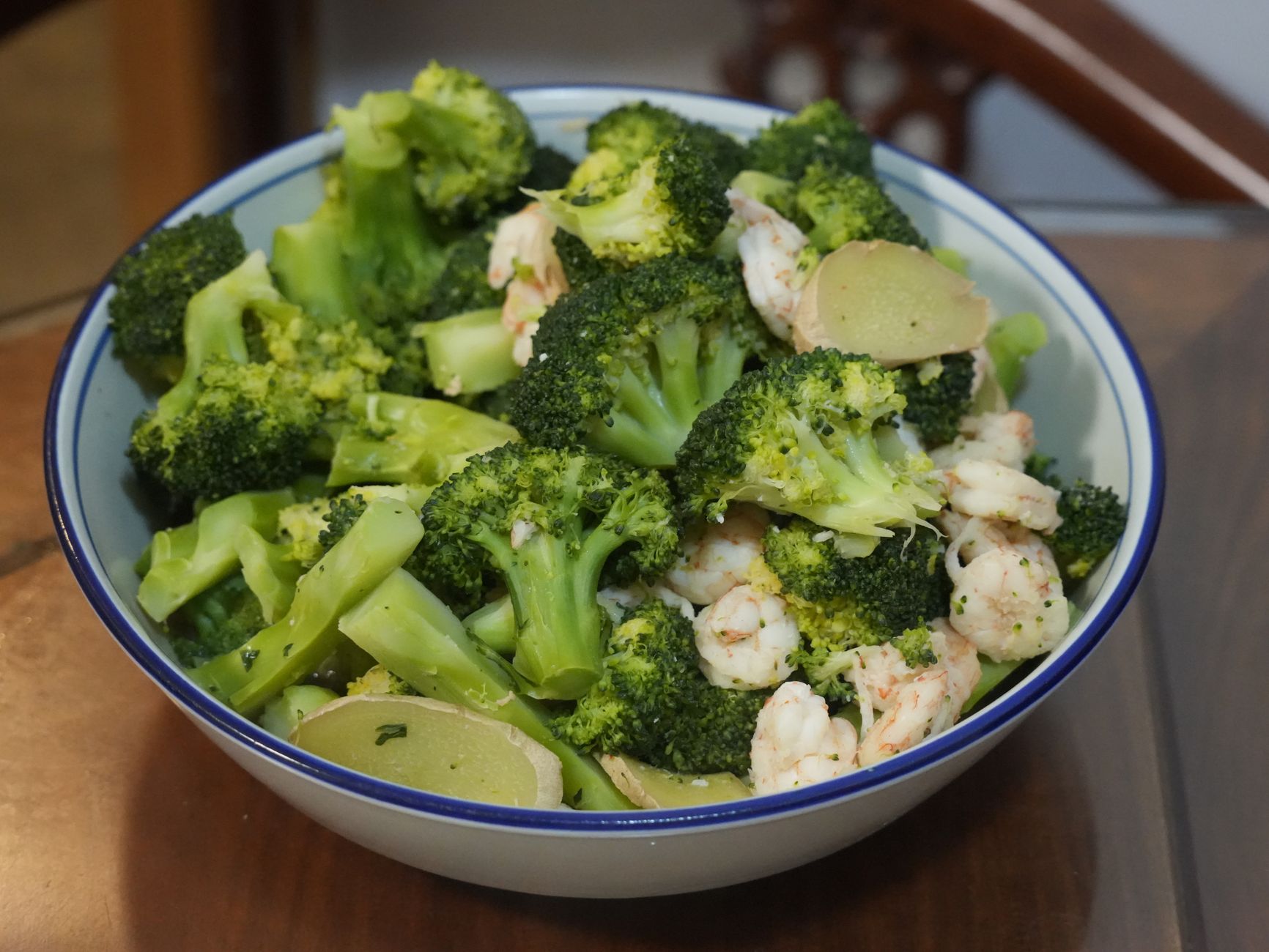
- Dinner: Baked salmon with roasted sweet potatoes and steamed broccoli.
- Snack: Carrot sticks with hummus or an apple with almond butter.
These meals are flexible swap ingredients based on whats seasonal or on sale. Speaking of snack ideas, if you want low-calorie, high-protein options, theyre covered well in this Foods high protein low calorie guide.
Practical tips for grocery shopping and meal prep
Shopping smart helps you eat better without adding stress. Here are a few habits that changed my weeknight routine for the better:
- Plan 2-3 meals in advance. It saves decision fatigue and impulse buys.
- Buy seasonal produce. It tastes better and often costs less.
- Cook a larger batch of a base (grains, roasted veggies, beans) and mix different proteins throughout the week.
- Keep healthy staples in your pantry: canned beans, tuna, whole grains, and olive oil.
If youre trying to make protein-rich, low-fat choices, this article on Foods high in protein low in fat could give you more concrete options.
Common challenges and how to handle them
Maybe youre busy, or maybe you dont love cooking both totally valid. Heres how to work around typical roadblocks:
- Short on time: Lean on batch cooking and frozen vegetables they retain nutrients and are quick to prepare.
- On a budget: Beans, eggs, oats, and seasonal veggies are inexpensive and nutritious. Canned fish is often a bargain, too.
- Dont like vegetables: Try them roasted with spices, blended into soups, or hidden in sauces.
- Eating out a lot: Choose balanced plates with lean protein, a grain or starchy veggie, and a side salad.
Remember, progress beats perfection. Start with one change this week and build from there.
How to listen to your body
Food isn't a one-size-fits-all prescription. Pay attention to how you feel after meals. Are you energized or sluggish? Satisfied or still hungry an hour later? Tuning into these signals helps you refine your choices.
Also, consider your goals do you want more energy, better digestion, or to lose weight? Different aims may nudge you toward specific foods or portion sizes. If youre exploring high-protein diets or want a plan tailored to a goal, the Diet for high protein post has useful frameworks.
Little habits that make a big difference
Beyond specific foods, these habits elevate your overall pattern:
- Stay hydrated. Water affects hunger and energy.
- Savor meals slowly. Eating mindfully helps you notice fullness cues.
- Prioritize sleep. It's as impactful for weight and energy as the foods you choose.
- Move daily. Even walks boost appetite regulation and mood.
Think of these as the invisible glue that helps healthy foods to eat actually do their job.
Building a long-term relationship with food
Finally, try to view food as a friend, not an enemy. That shift takes time and compassion. Celebrate small wins: a week of balanced breakfasts, adding a veggie to every dinner, or choosing whole grains more often. Those choices add up.
If youre hungry for more specific protein-packed ideas and lists, take a look at the List of foods high in protein its practical and easy to scan when planning meals.
Parting thoughts
Choosing healthy foods to eat is less about strict rules and more about patterns that make you feel good body and mind. Start small, be curious, and enjoy experimenting. Your future self will thank you for the simple, steady care you give now.
Whats one small food swap you can try this week? Share it with someone or jot it down Id love to hear what you choose. And if you want recipe ideas or help tailoring choices to your lifestyle, ask away. Im rooting for you.
FAQs
What are the essential healthy foods to eat for beginners?
Start with colorful vegetables, lean proteins, whole grains, and healthy fats; build meals around these core groups.
How can I keep energy steady throughout the day?
Include fiber, protein, and healthy fats at each meal; limit refined sugars and stay hydrated.
Is seafood necessary for a healthy diet?
No, not strictly necessary, but fatty fish provides omega-3s; alternatives include flaxseeds, walnuts, and fortified foods.
What’s a quick way to add more veggies?
Add a cup of veggies to half your meals, snack on raw veggie sticks, or blend into smoothies and soups.
How do I stay on track when eating out?
Choose balanced plates with lean protein, a whole grain or veggie side, and a salad; watch portions and sauces.