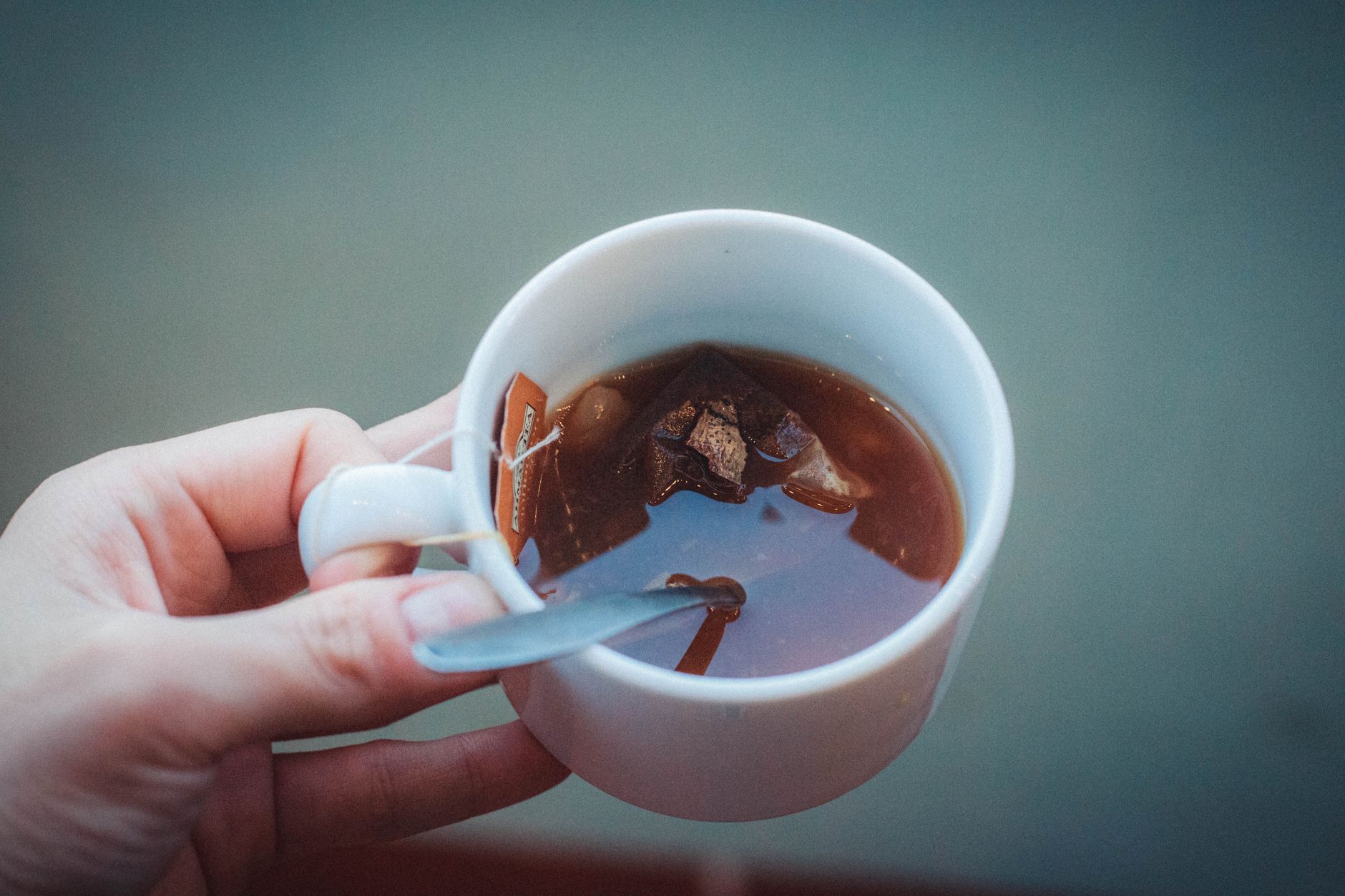
If youve ever found expired tea bags tucked away in your cupboard, you might wonder: is it safe to drink tea brewed from expired tea bags? While expired tea bags rarely pose serious health risks, their flavor and nutritional benefits degrade over time. However, drinking brew made from visibly moldy or spoiled tea bags can lead to unwanted reactions. Lets explore how long tea bags last, how to spot if they have gone bad, and the best practices to keep your tea safe and tasty.
Tea Bags and Benefits
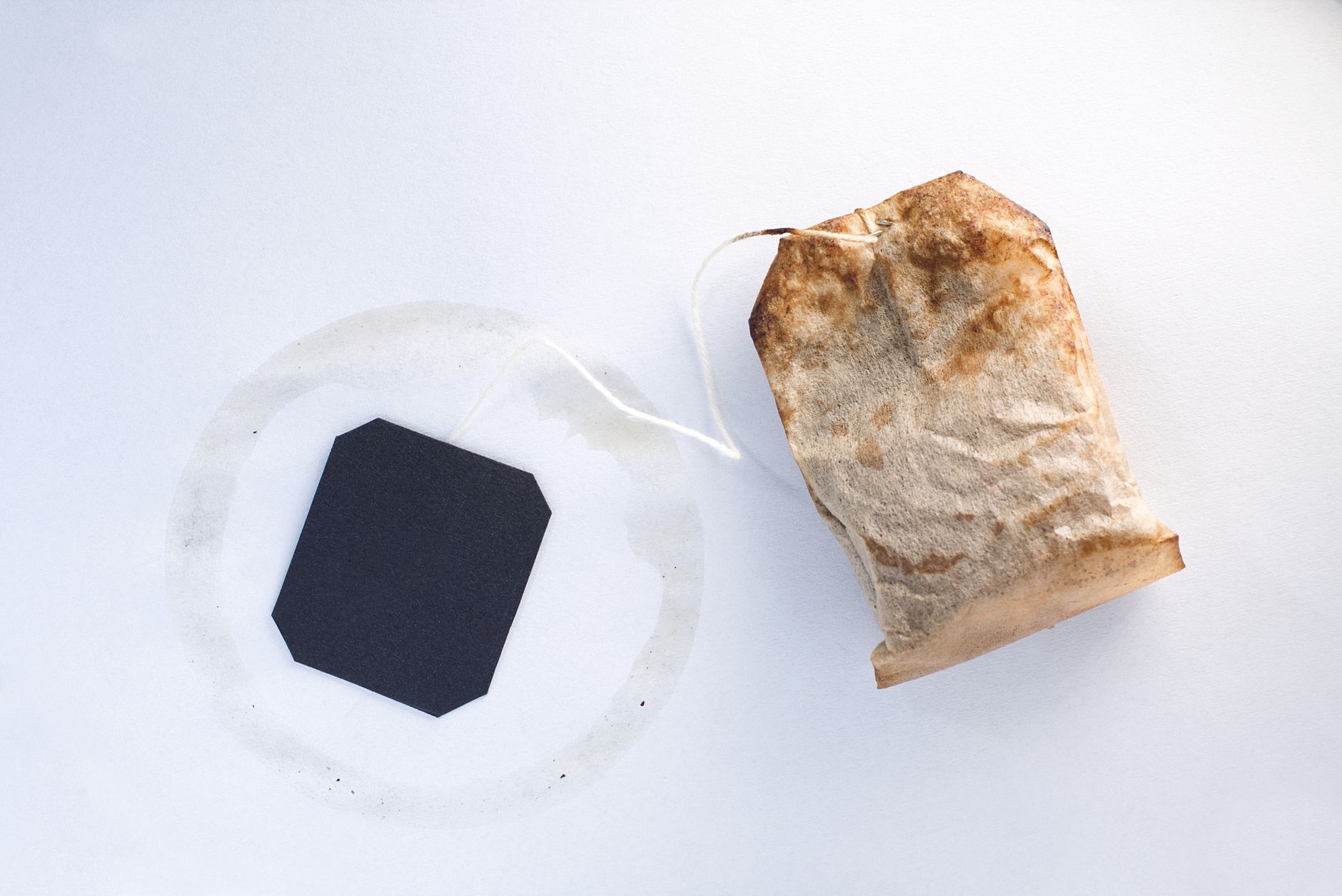
Tea is celebrated for its antioxidants, vitamins, and caffeine, all of which contribute to its healthful properties. Unfortunately, expired tea bags lose potency as these compounds break down. The longer a tea bag sits past its best-by date, the weaker its aroma, color, and taste become.
According to USDA FoodData Central, antioxidants such as catechins found in green and black teas slowly diminish when exposed to air, heat, and moisture. This natural deterioration means expired tea may no longer deliver the same health benefits you expect.
How Long Do Tea Bags Last Before They Expire?
Unopened tea bags generally have a shelf life of 18 to 24 months when stored properly. Once opened, tea bags should ideally be used within 6 months to maintain freshness. Best-by dates on packaging indicate peak flavor periods rather than strict expiration deadlines.
Storage conditions are critical. Tea bags kept in cool, dry, and airtight containers can last longer, while exposure to humidity or heat accelerates spoilage. For example, storing tea bags near a stove or in a sunny pantry shortens shelf life significantly.
What Happens to Antioxidants and Caffeine in Expired Tea Bags?
Over time, antioxidants degrade due to oxidation, reducing teas potential health benefits like cardiovascular support and anti-inflammatory effects. Meanwhile, caffeine content also diminishes but generally at a slower rate. So, expired tea bags may produce a brew lower in both flavor and stimulant effect compared to fresh tea bags.
That said, the decline is gradual. If your expired tea bags are only slightly beyond the best-by date and smell fresh, its likely safe to use with a milder taste.
Identifying Bad Tea Bags
How do you tell if tea bags have gone bad? Since expired does not always mean unsafe, visual and sensory checks help decide if your tea bags can still be used.
- Discoloration: Tea leaves should retain a consistent dark or green color depending on type. Pale or faded tea leaves may indicate age or moisture damage.
- Mold or Spots: Any fuzzy mold growth, white powder, or unusual spots are signs of spoilage. Mold is often caused by moisture contamination and cannot be consumed safely.
- Smell Test: Tea leaves or bags with a musty, sour, or off-putting smell indicate deterioration. Fresh tea usually smells fragrant, ranging from floral to earthy.
- Packaging Integrity: Torn, damp, or swollen packaging can expose tea to air and bacteria, accelerating spoilage.
Avoid using tea bags with any of these warning signs. When in doubt, its better to discard old tea than risk your health.
Are Moldy Tea Bags Dangerous to Drink?
Mold growing on tea bags is not safe. Consuming moldy tea can cause allergic reactions, respiratory issues, or digestive upset, depending on individual sensitivity. Common molds that infest food products can produce mycotoxins harmful to health.
If you notice mold, discard the tea bags immediately and clean the storage area to prevent recurring contamination.
Can Drinking Old Tea Cause Food Poisoning or Other Issues?
While expired tea bags without mold rarely cause food poisoning, contaminated or improperly stored bags can harbor bacteria or fungi that may upset your stomach. Symptoms like nausea, cramps, or allergic reactions can occur.
Unlike fresh tea, which supports digestion, spoiled tea can be harmful, especially for children, pregnant women, or those with immune sensitivities. Always inspect your tea bags before brewing.
Tea Bag Safety Tips
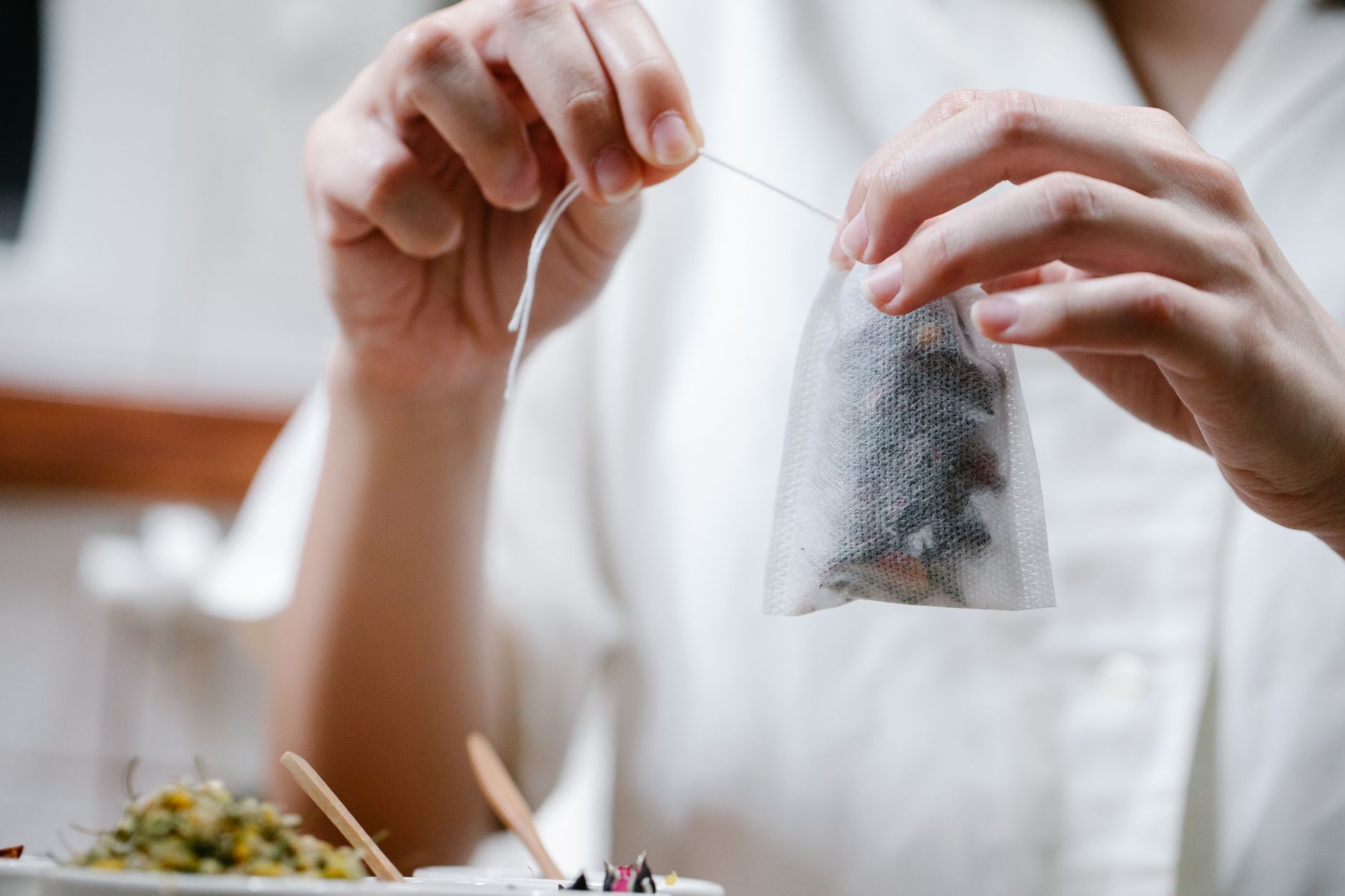
Proper storage helps preserve the freshness and safety of tea bags. Follow these practical tips to extend your teas shelf life:
- Store tea bags in airtight containers away from heat, moisture, and strong odors.
- Keep tea bags in a cool, dark place such as a pantry or cupboard.
- Use opened tea bags within six months for optimal flavor.
- Check packaging regularly for signs of moisture or damage.
Should You Ever Use Expired Tea Bags?
Using expired tea bags without spoilage signs is usually safe, especially if they have been stored well and smell normal. The biggest trade-off is weaker taste and reduced nutrients.
If your tea bag is only slightly past its best-by date but dry and intact, you can try brewing it. But if bitterness, mustiness, or any off-flavors appear, its best to stop.
Alternatives to Expired Tea Bags
Instead of brewing expired tea bags, you might repurpose them around the house:
- Use dried tea leaves as a natural deodorizer in shoes or closets.
- Mix old tea leaves into compost for gardening to enrich soil (check if leaves are herbicide-free).
- Use cool brewed tea as a gentle facial toner or in recipes that call for weak tea flavor.
For fresh options, try exploring protein drinks or quality Sobe drinks to add variety to your beverage choices.
| Certification | Price Range | Common Formats | Shelf Life | Key Allergens |
|---|---|---|---|---|
| JAKIM, HMC, IFANCA Halal Certified | $3 - $15 per box | Individual tea bags, loose-leaf packs, pyramid bags | 1824 months unopened; 6 months opened | None typically; check flavored blends for nuts or soy |
Is It Safe to Drink Tea Made From Expired Tea Bags?
Yes, tea brewed from tea bags slightly past their best-by date is generally safe if theres no mold, odd smell, or damage. The main downsides are weaker flavor and fewer antioxidants. Avoid any bags with visible spoilage.
How Can You Tell If a Tea Bag Is Moldy Without Opening It?
Look for discoloration or fuzzy white/black patches on the outside of the bag. If packaging feels damp or smells musty, mold might be inside. When unsure, its safer to discard the tea bag.
Does Expired Tea Lose Caffeine Content?
Caffeine does degrade slowly over time, but not drastically. Expired tea bags still produce caffeinated tea, though the total caffeine content may be slightly lower than fresh tea bags.
Whats the Difference Between Best Before and Expiration on Tea Packaging?
Best before indicates when the products flavor and quality are optimal. Expiration date means the product should no longer be consumed after that date. Most tea bags have best-before dates rather than strict expirations.
Can Tea Bags Cause Allergic Reactions After Expiration?
While tea leaves themselves rarely cause allergies, mold or contamination on expired tea bags can trigger allergic reactions or respiratory irritation in sensitive people. Always avoid moldy tea.
What Halal Certifications Should I Look for on Tea Products?
Look for logos from respected bodies like JAKIM, HMC, or IFANCA to ensure tea products meet Halal standards. These certifications confirm halal-compliant sourcing and processing.
How Should I Store Tea Bags for Long Shelf Life?
Store tea bags in a cool, dry place away from sunlight and moisture. Use airtight containers and avoid storing near spices, cleaning agents, or heat sources. Proper storage helps keep tea fresh up to 24 months unopened.
More Tips for Tea Lovers
- Always check the packaging date before purchasing tea bags to ensure freshness.
- Consider investing in loose-leaf tea for better flavor control and longer shelf life.
- Experiment with beverages like protein drinks to diversify your health-conscious options.
Conclusion
Expired tea bags usually do not pose serious health risks, but flavor and nutrients fade over time. Checking for visible mold, smell, and packaging condition helps you decide if old tea bags are safe to use. When in doubt, its better to choose fresh tea for the best taste and benefits. Next time you shop, pay attention to the label and storage tipsyour perfect cup awaits.
FAQs
Is expired tea bags actually Halal — what should I check on the label?
Expired tea bags can be Halal if the product has halal certification logos like JAKIM, HMC, or IFANCA. Check for these on the packaging to ensure halal-compliant sourcing and processing. Certification confirms adherence to halal standards even after expiration.
How long can you use tea bags after opening them?
Once opened, tea bags should be used within six months for optimal freshness and flavor. Proper storage in airtight containers away from heat and moisture can help maintain quality up to that time.
What is the difference between expired tea bags and fresh tea in taste and health?
Expired tea bags gradually lose antioxidants, caffeine, and flavor compared to fresh ones. They may produce a weaker, less aromatic brew with reduced health benefits but are usually safe if not moldy or damaged.
Can you safely drink tea made from expired tea bags daily?
Drinking tea from expired bags without signs of spoilage is generally safe but may taste bland and provide fewer nutrients. Avoid moldy or musty bags to prevent allergic or digestive issues.
Where is the best place to buy fresh halal-certified tea bags?
Fresh halal-certified tea bags are available at specialty halal markets, online stores with certification labels, and reputable grocery stores. Always check the packaging dates and certifications before purchasing.