Hey if you're reading this, you might be in the thick of a colitis flare-up or trying to prepare for one. First, take a deep breath. I know how unsettling those flares can feel: sudden urgency, cramps, and that exhausted brain fog. You're not alone, and there are gentle, practical ways to use food to soothe your gut and help your body recover. Lets walk through the best foods to eat during a colitis flare-up with simple tips, real-talk empathy, and a few handy swaps you can try today.
Quick overview
When your colon is inflamed, it often helps to choose foods that are easy to digest, low in fiber during acute flares, and rich in nutrients that support healing. We'll focus on soft proteins, cooked vegetables, gentle carbs, hydrating choices, and small lifestyle tweaks that actually make a difference.
Soft proteins
Protein is essential for repairing damaged tissue, but during a flare, heavy or fatty meats can be rough on your system. Opt for softer, easier-to-digest options:
- Poached or baked fish (like cod or sole) mild, flaky, and gentle.
- Skinless, well-cooked chicken or turkey lean and less likely to irritate.
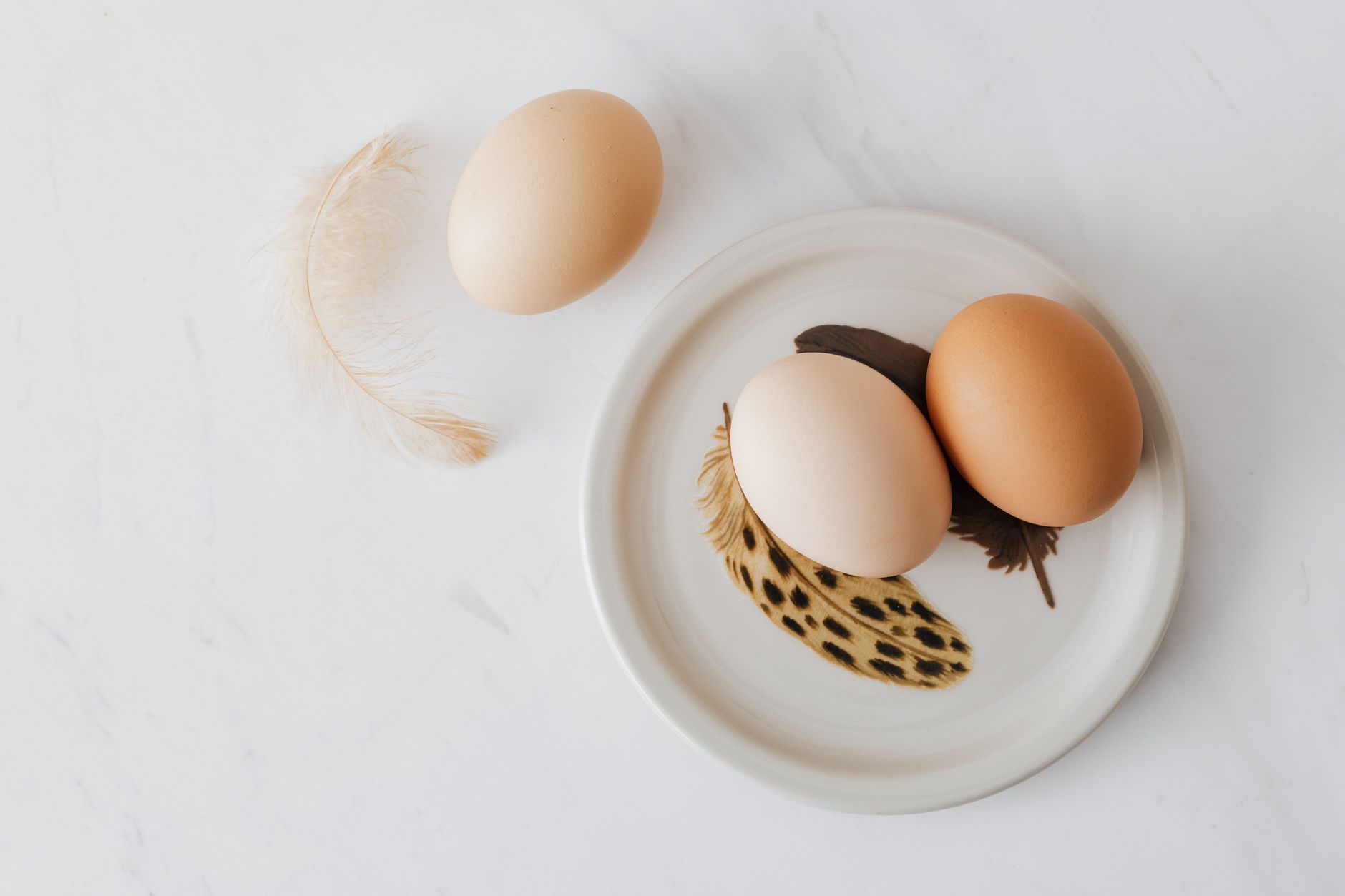
- Eggs scrambled or boiled; theyre comforting and digestible.
- Tofu if you tolerate soy, soft tofu is a great plant-based option.
Small portions and simple preparation matter. For example, gently poached chicken with a little salt and olive oil can be just what your gut needs.
Comforting carbohydrates
Carbs are often your best friend during flares because they give you energy without being harsh. Choose refined or low-residue options temporarily (not forever), especially if you're having diarrhea:
- White rice bland and binding.
- Mashed potatoes skip the skin; mash with a touch of olive oil or butter.
- Plain pasta or noodles easy to digest when not overloaded with sauces.
- White bread or toast mild and simple for sensitive stomachs.
These foods can help stabilize stool and give you gentle calories while your colon calms down.
Cooked vegetables
Raw veggies can be rough during a flare because fiber is harder to process. Cooked, peeled, and well-cooked vegetables are kinder:
- Carrots, peeled and steamed until soft.
- Squash (like butternut or pumpkin), roasted or boiled and mashed.
- Potatoes without skin.
- Green beans, well-cooked and chopped.
Think of cooked veggies as warm, soft pillows for your gut nourishing without the abrasive texture of raw fiber.
Hydration and electrolytes
Staying hydrated is essential, especially if diarrhea or bleeding is present. Plain water is great, but sometimes you need electrolytes:
- Oral rehydration solutions or electrolyte drinks (choose low-sugar options).
- Broths chicken or vegetable broth provides fluid, sodium, and comfort.
- Coconut water in moderation natural potassium but can be high in sugar.
Pro tip: sipping small amounts consistently often works better than gulping large amounts when your stomach feels unsettled.
Probiotics and fermented foods (with caution)
Probiotics can help some people restore balance to gut flora, but during severe flares you may want to introduce them slowly. Gentle options include:
- Yogurt with live cultures (plain, low-fat) a familiar, soothing choice.
- Kefir if you tolerate dairy and want something more potent.
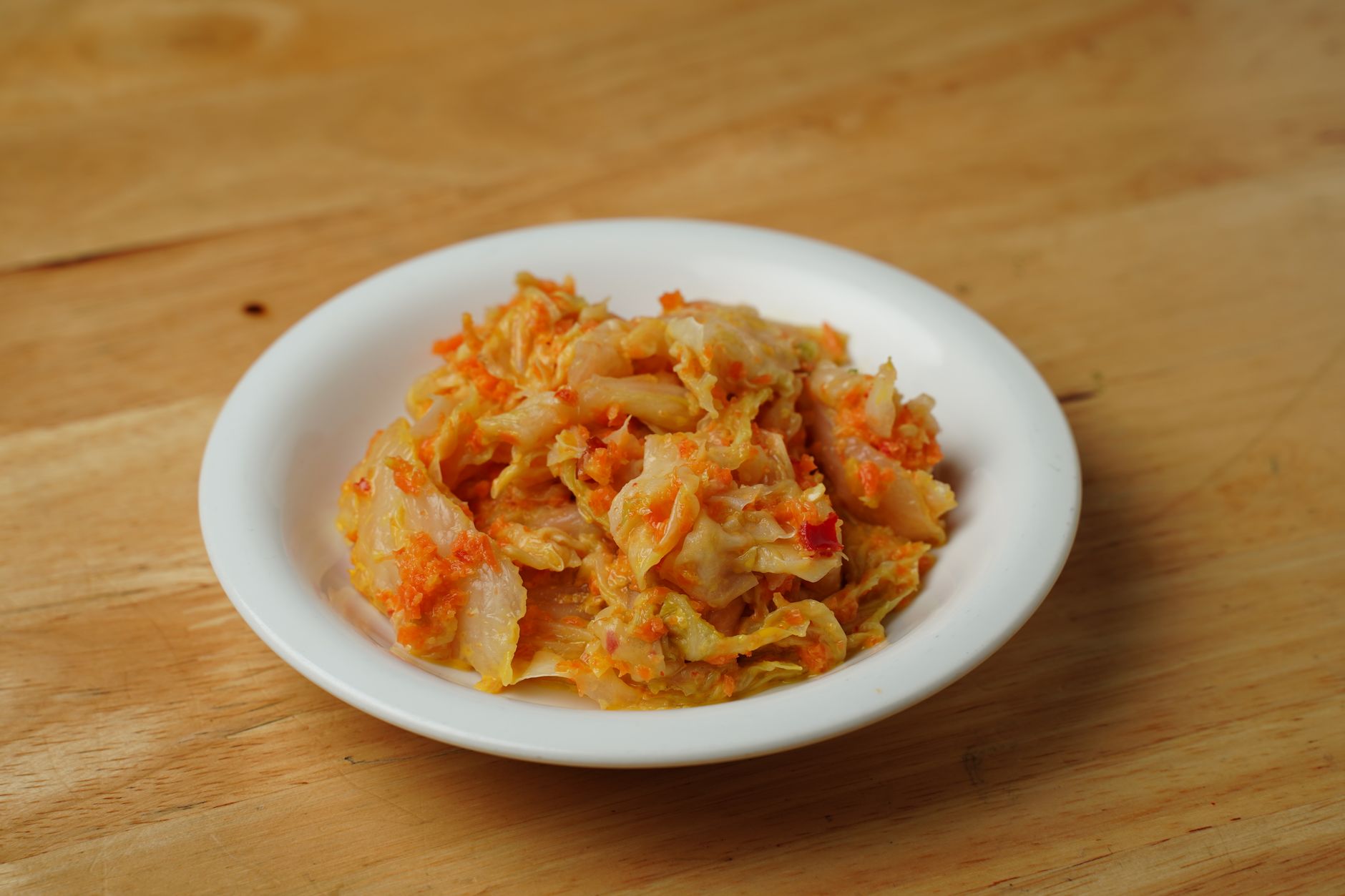
A quick heads-up: fermented foods like kimchi or kombucha are powerful but sometimes too stimulating during a flare. Start small and see how you respond.
Fats and cooking methods
High-fat meals can trigger discomfort, so keep fats moderate and choose healthier forms:
- Olive oil or a little avocado oil use sparingly for cooking or dressing.
- Avoid fried foods and heavy cream sauces until youre feeling steadier.
Cooking techniques like steaming, boiling, and baking are kinder than frying or charring, which can produce irritating compounds.
Snacks and small meals
During a flare, large meals can be overwhelming. Try smaller, more frequent meals or snacks to keep energy up without stressing the gut:
- Rice cakes topped with mashed banana or a thin layer of nut butter (if tolerated).
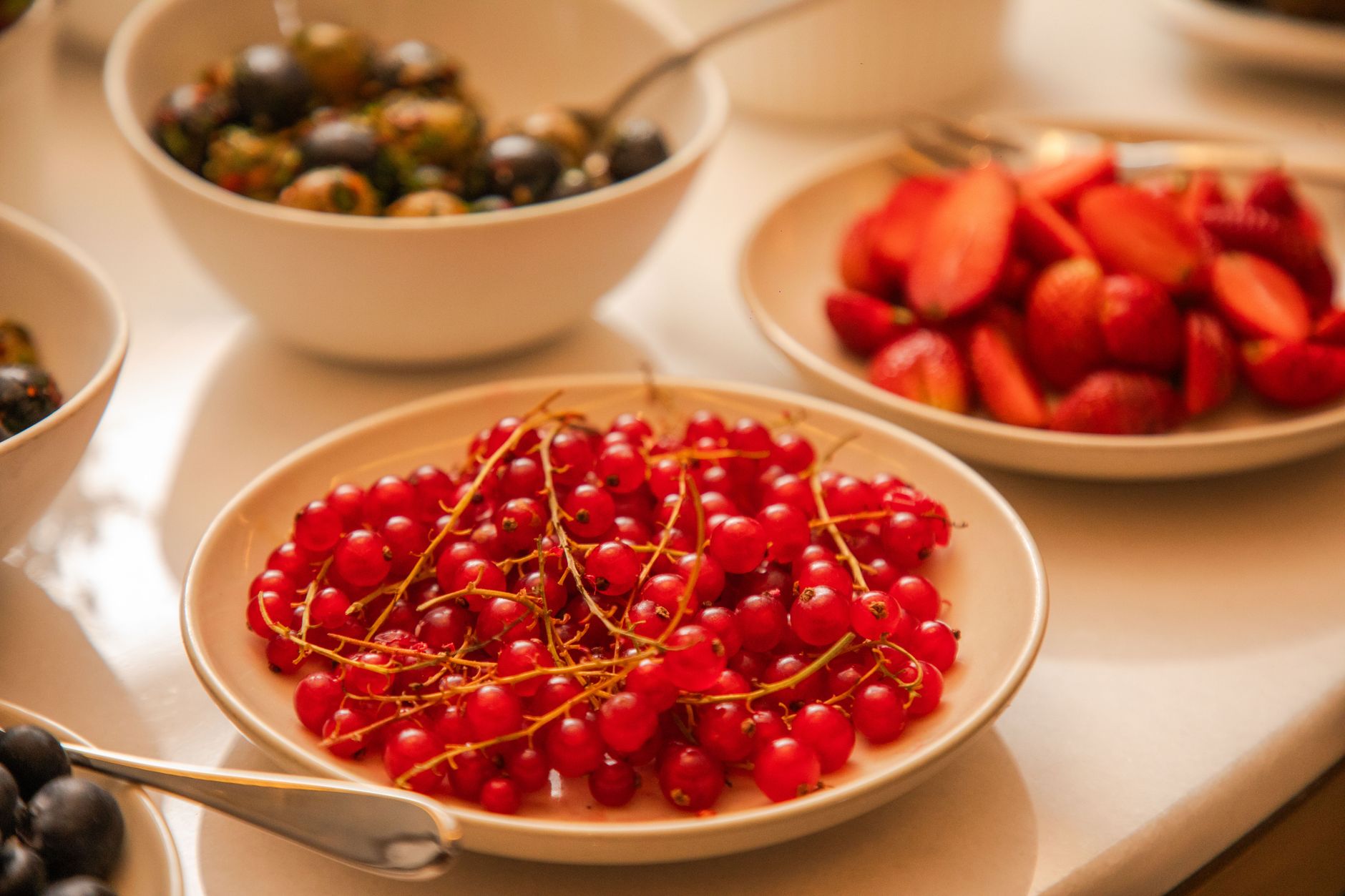
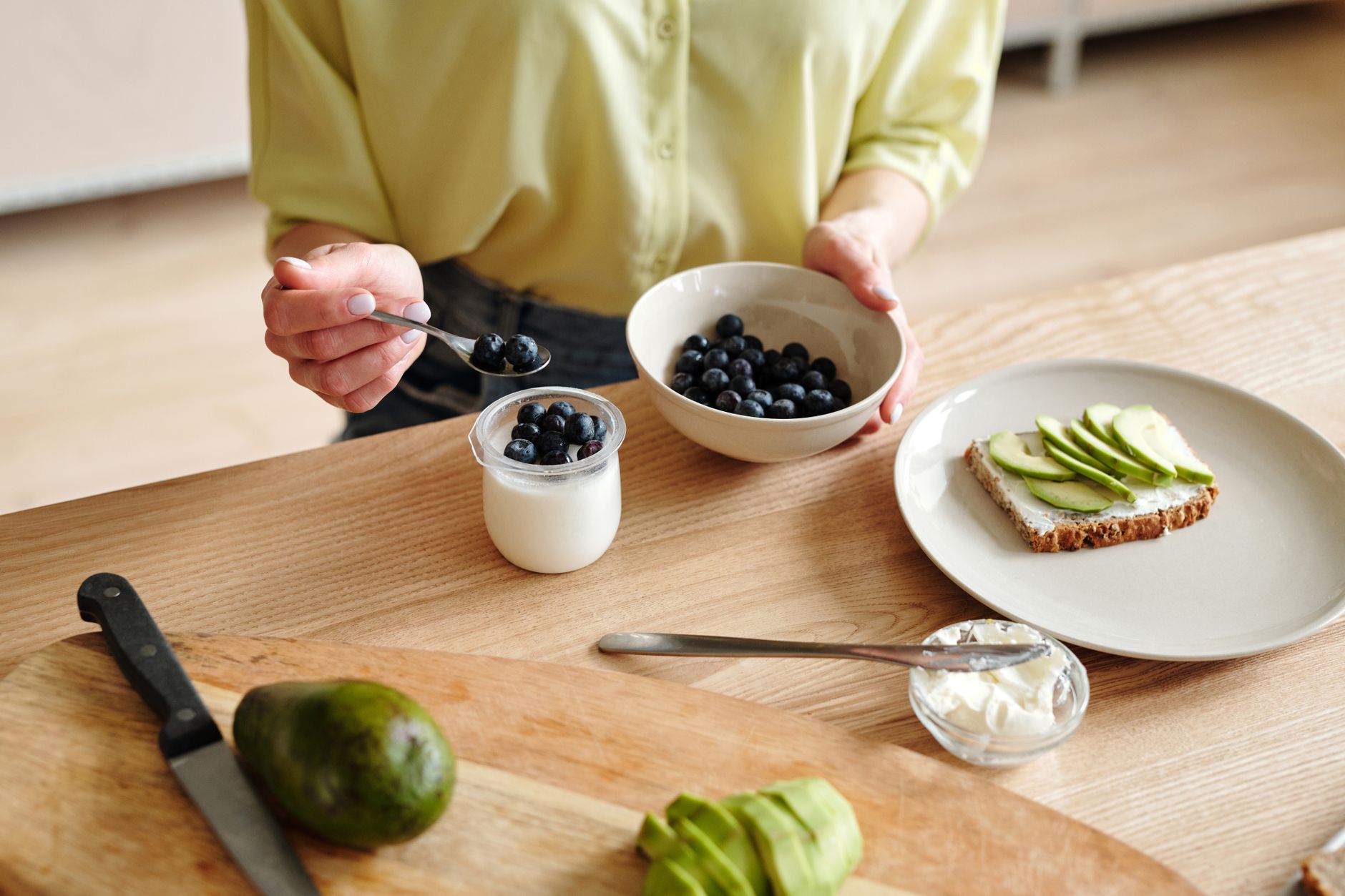
- Plain yogurt with a drizzle of honey and a few soft blueberries.
- Soft-cooked egg or small portion of poached fish.
The aim is to nourish steadily and avoid big digestive workloads.
Nutrients to prioritize
Certain nutrients are especially helpful while healing:
- Protein supports tissue repair. If youd like ideas beyond animal protein, check out this round-up of Non meat foods high in protein for plant-based options that are gentle when prepared right.
- Iron important if youve had blood loss; choose easily absorbed forms and discuss supplements with your clinician.
- Vitamin D and calcium especially if steroid use is involved; dairy or alternatives can help, but talk to your provider about levels.
- B vitamins for energy and healing; lean meats, eggs, and fortified cereals can contribute.
Foods to avoid during flares
Its equally useful to know what to steer clear of, at least temporarily:
- High-fiber raw vegetables and whole grains (can increase cramping and diarrhea).
- Seeds, nuts, and popcorn (small particles can irritate the colon lining).
- Spicy foods, caffeine, and alcohol (these can stimulate the gut and worsen symptoms).
- Greasy or fried foods and heavy dairy often hard to digest.
Remember, everyones tolerance differs what flares one person might be fine for another. Keeping a simple food log during flares can reveal patterns.
Meal ideas that actually soothe
Let me share a few low-effort combos that have helped friends and readers:
- Poached white fish + mashed potatoes + steamed carrots.
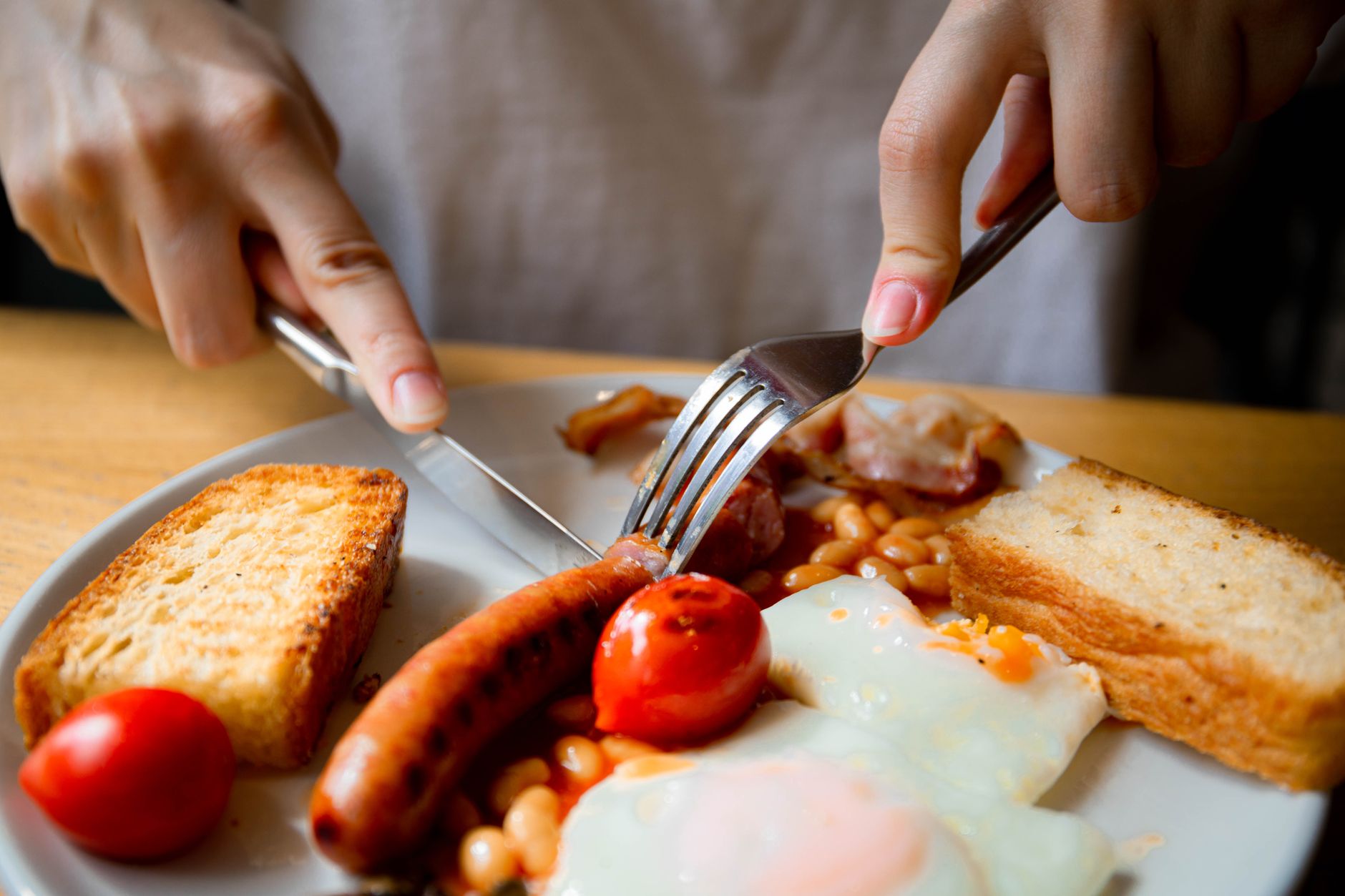
- Plain scrambled eggs + white toast + a side of applesauce.
- Chicken broth with soft noodles and tender chicken pieces.
- Plain yogurt with mashed banana and a small spoonful of honey.
These meals are bland by design but thats a good thing when your gut needs calm.
When to reintroduce fiber and more variety
As inflammation eases, gradually reintroduce fiber, starting with cooked fruits and vegetables, and then move toward raw and whole grains. Its like easing back into exercise after an injury gentle and incremental. Pay attention for signs of improvement such as less urgency, softer cramps, and more stable energy levels.
If youre interested in healthier high-protein picks as you rebuild strength, this guide to Healthy foods high in protein might spark ideas for balanced meals that support recovery without overwhelming your system.
Practical tips that make life easier
- Cook in batches and freeze single portions warm and easy when your energy dips.
- Keep bland staples on hand: rice, plain pasta, eggs, broth, and plain yogurt.
- Eat slowly and in small amounts, especially when symptoms are active.
- Talk to your healthcare team about supplements (iron, B12, vitamin D) dont self-prescribe.
When to reach out to your healthcare team
If you notice severe bleeding, persistent fever, sudden weight loss, or dehydration that wont respond to home measures, seek medical care. Your doctor may recommend nutritional support, medications, or investigations to guide treatment. Food helps, but its one piece of a bigger puzzle.
Wrapping up with a gentle reminder
Managing a colitis flare-up feels like walking a tightrope between nourishing your body and not overwhelming your sensitive gut. Theres no single perfect diet for everyone, but soft proteins, gentle carbs, cooked vegetables, hydration, and small meals are reliable strategies to get you through the rough days. Be kind to yourself healing isnt linear.
What worked for you during a flare? Id love to hear your small wins or favorite soothing meals. And if you'd like tailored ideas based on your food preferences (vegan, vegetarian, lactose-free), ask away we can brainstorm gentle menus together.
FAQs
What foods are best during a colitis flare-up?
During a flare, opt for soft, easily digestible options like poached fish, eggs, yogurt, white rice, mashed potatoes, and cooked vegetables.
Should I avoid fiber during a flare?
Yes, during acute flares, lower-fiber or refined carbohydrates can be gentler on the colon; gradually reintroduce fiber as symptoms improve.
Can probiotics help during a flare?
Probiotics may help some people, but start slowly and choose plain yogurt or kefir; avoid strong fermented foods during severe symptoms.
What about hydration?
Hydration with water, broths, and electrolyte drinks (low sugar) helps prevent dehydration; sip small amounts regularly.
When should I seek medical help?
Seek care if you have severe bleeding, fever, dehydration, or weight loss that doesn't improve with home care.