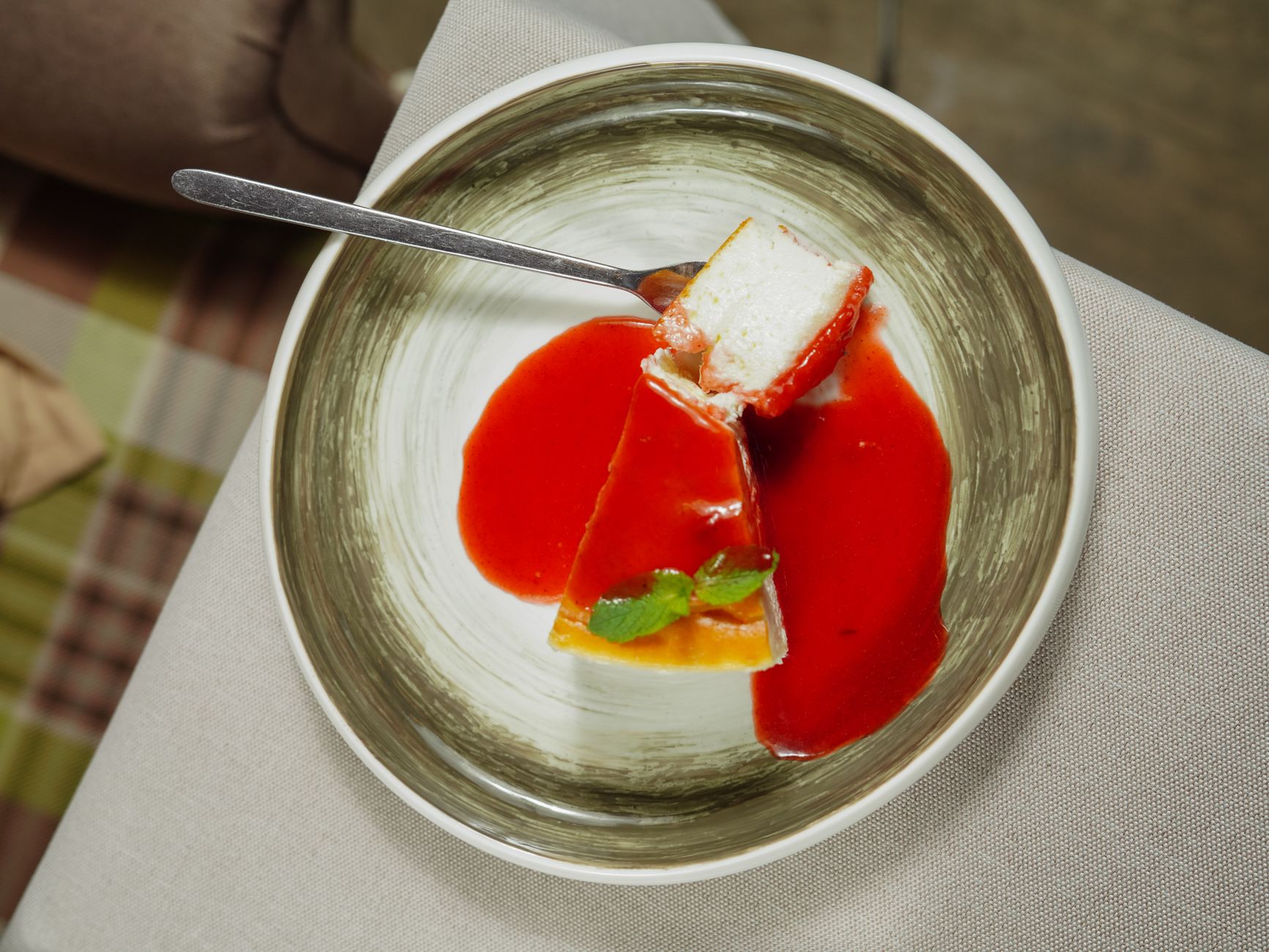
So, you just had a tooth extraction yeah, its a bit of a rough patch, right? No one really looks forward to poking and prodding inside their mouth or dealing with that awkward numbness afterward. But heres the thing: what you eat right now can be a real game changer on how quickly you bounce back.
If youre wondering, what can I eat after tooth extraction?, youre definitely not alone. The answer? Soft, soothing foods that are gentle on your healing gums and wont mess with the clot thats doing all the hard work under the surface. Trust me, eating the wrong stuff at the wrong time can send your healing into a nosedive and nobody wants that.
Stick around, and Ill share everything you need to know about the best foods to eat after tooth extraction, plus some tips to avoid the foods that might slow you down or cause some painful setbacks. Lets get you back to feeling normal and munching happily again.
Why Choosing the Right Foods Matters
Okay, quick science break I promise it wont be boring. After your tooth is pulled, your body immediately gets to work forming a blood clot in that empty socket. This clot is like the ultimate band-aid; it protects the area and starts the healing process.
Heres the kicker: if you eat foods that are too hot, hard, or sticky too soon, you risk dislodging that clot. Its called dry socket, and its about as unpleasant as it sounds think intense pain that can last several days longer than usual healing.
So, the right foods arent just about comfort; theyre about helping your body heal properly and avoiding nasty setbacks. Soft foods also keep you nourished, and good nutrition is key when your body is recovering from any surgery, including dental work.
Fun fact: your body burns calories and nutrients even when youre resting and healing, so refusing to eat or eating poorly can actually slow down your recovery. So, think of this as feeding your body what it really needs to patch things up.
Foods to Eat After Tooth Extraction: Your Healing Timeline
02 Days: The Super Soft & Gentle Menu
The first 48 hours? This is the golden rule period. Your mouth is tender, and blood clots are fresh and fragile. So, your diet has to be soft, lukewarm (or cooler), and easy to swallow. Here are some crowd-pleasers that fit the bill:
- Mashed potatoes: Creamy and smooth, rich enough to keep your stomach happy but easy on your mouth.
- Yogurt: Opt for plain or Greek styles without chunks or seeds.
- Pudding and Jell-O: Sweet treats that feel like a tiny celebration without the chewing.
- Lukewarm soups: Pureed veggies or broths are hydrating and nourishing just no chunky bits yet.
- Scrambled eggs: Packed with protein and super soft.
- Ice cream and sorbets: Cold can soothe swelling (just dont overdo the sugar!).
- Milkshakes and smoothies: Great for calories and hydration just remember, no straws!
- Oatmeal: Cooked soft with plenty of liquid to avoid any irritation.
Tip: Stay away from straws because the suction can yank out that precious blood clot. Also, avoid anything too hot or spicy.
Heres a quick day-of meal plan you might relate to:
| Meal | Food Idea |
|---|---|
| Breakfast | Scrambled eggs with soft, lukewarm oatmeal |
| Snack | Greek yogurt or smooth pudding |
| Lunch | Pureed vegetable soup (think creamy carrot or squash) |
| Dinner | Mashed sweet potatoes with soft avocado |
| Treat | A small bowl of ice cream or sorbet |
35 Days: Soft Foods With a Bit More Texture
After the initial few days, youre ready to start exploring some foods that need a little gentle chewing. Your mouth is still healing, but its strong enough to handle a bit more effort.
Nows the time to add in:
- Soft bread: Skip the crust literally, you want it soft to avoid biting hard.
- Ground chicken or fish salad: Just be sure to leave out crunchy veggies like celery.
- Cooked vegetables: Steamed or roasted until soft, then chopped finely.
- Pasta and noodles: Well-cooked and easy to chew.
- Smooth peanut butter: No chunky please!
- Applesauce or baked apples: Sweet, gentle, and nutritious.
Its a good idea to focus on foods high in protein low in fat during this phase since protein is especially important for tissue repair.
Listen carefully to your body during this period. If something feels painful to eat or is irritating your gums, pause and switch back to softer options.
Foods to Avoid After Tooth Extraction
Here comes the no-no list and trust me, I get it. You might crave that crunchy snack or spicy taco, but hold on!
- Hard, crunchy, or chewy foods: Chips, nuts, raw veggies these can hurt your healing site.
- Hot, spicy, or acidic foods and drinks: Citrus fruits, coffee, alcohol all can irritate sensitive tissues.
- Sticky foods: Caramel, chewing gum essentially little traps waiting to dislodge your clot.
- Using straws: Seriously, those innocent straws can cause dry socket by creating suction.
- Tobacco and alcohol: Both delay healing and increase infection risk.
Sticking to this list might feel like a drag at first, but its a small price to pay for a smooth recovery and less hassle down the line.
Nutrition Tips to Speed Up Healing
Lets talk about the good stuff you want on your plate (or in your bowl). Healing means your body needs quality nutrients, especially protein, vitamins, and minerals. Protein is the building block for new tissue, so dont skimp on it even if you can only eat soft foods right now.
If youre feeling adventurous, try to include some of these nourishing options:
- Eggs: Easy to cook soft and great for protein.
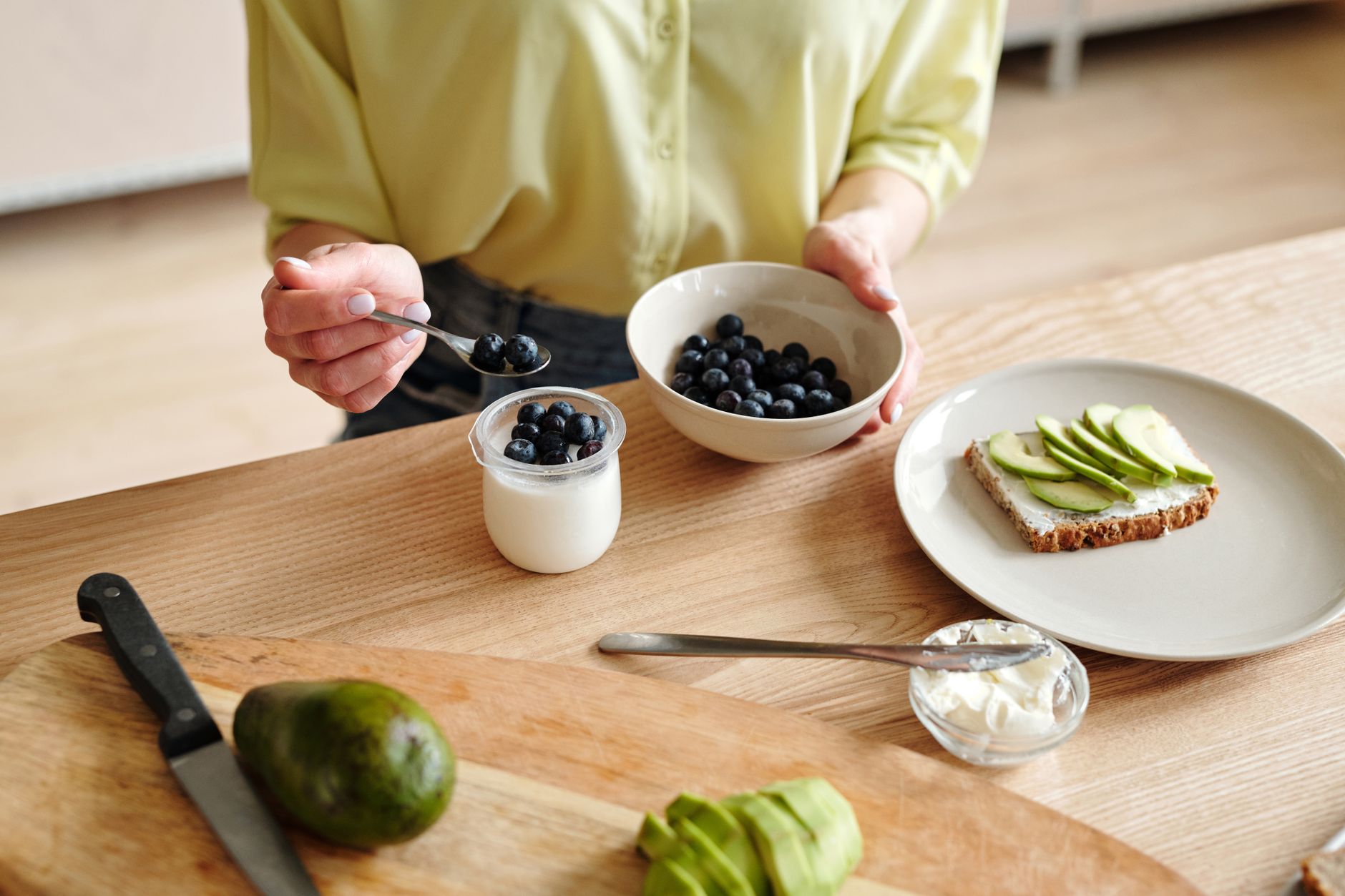
- Greek yogurt: Packed with protein and probiotics to support your immune system.
- Bone broth and pureed soups: Liquid powerhouses full of nutrients.
- Soft avocado: A creamy source of healthy fats and vitamins.
- Blended fruits: Like banana and blueberries, which are gentler on your mouth but still provide vitamins.
For a deeper dive into nutrient-packed options, check out this comprehensive list of healthy foods that support general wellness some of these can slide nicely into your post-extraction diet if prepared properly.
Hydration is another unsung hero during healing. Drinking enough water helps flush out bacteria and keeps tissues moist. Just remember no hot or fizzy drinks stick with room temperature or cool water.
Real Talk: What to Expect and How to Cope
I bet youre wondering if anyone else has struggled through the eat soft food only phase and come out smiling. Spoiler: yes, many of us have and its more about patience and creativity than just bland meals.
One friend shared how they survived by making delicious smoothies with ingredients like peanut butter, oats, and soft fruits, which felt like a treat rather than a chore. Another swore by mashed sweet potatoes with a little cinnamon for a comforting dinner. Sometimes, mixing it up with different textures that dont need much chewing makes a world of difference.
The reality is, its okay to feel frustrated sometimes. Healing is a journey, not a sprint. Listen to your body, honor your pain signals, and dont rush the process. If you feel stuck or unsure, talk to your dentist rather than guessing they genuinely want you to heal well.
And hey... if you know someone else dealing with a tooth extraction, sharing these food ideas and tips can be a real lifesaver. Got your own favorite post-extraction food hacks? Please share helping each other out makes the road a whole lot easier.
Wrapping It Up: Your Roadmap to Soft Food Success
Alright, lets sum things up youre aiming for safe, soft, nutrient-packed foods to help your mouth heal without pain or irritation. The first couple of days are all about ultra-soft, easy-to-swallow foods like mashed potatoes, yogurt, pudding, and soothing soups.
Then, after a few days, you can slowly introduce more texture with soft bread, tender meats, cooked veggies, and gentle snacks always listening to how your mouth feels. Avoid anything crunchy, spicy, sticky, or that requires strong chewing until your dentist gives you the go-ahead.
Remember, this isnt just about what feels good right now. Its about helping your body do its best healing job and trust me, that means less hassle, less pain, and fewer trips back to the dentist.
Feel free to check out some foods high in protein low in fat to keep your nutrition on point, and if you ever feel like your diets not hitting the mark, consulting with a healthcare professional is always a smart move.
Got questions or want to chat about your recovery journey? Dont hesitate to drop a comment or share your story below were all in this together.
Heres to a speedy, delicious healing process!
FAQs
What can I eat right after a tooth extraction?
Soft foods that are lukewarm and easy to swallow, such as mashed potatoes, yogurt, pudding, soups, scrambled eggs, ice cream, smoothies (no straws), and oatmeal.
When can I start eating solid foods with more texture?
Typically after 3-5 days, depending on healing, you may gradually reintroduce soft breads, cooked vegetables, pasta, fish, and tender meats, avoiding hard or crunchy items.
Why should I avoid straws after extraction?
Straws create suction that can dislodge the blood clot and cause dry socket.
Are hard or spicy foods safe during recovery?
No. Hard, crunchy, sticky, hot, or acidic foods can irritate healing gums and dislodge the clot.
How can I speed up healing through nutrition?
Prioritize protein-rich foods, staying hydrated, and including soft fruits, eggs, yogurt, bone broth, and blended vegetables to support tissue repair.