You know that sinking feeling when you drive past your favorite burger joint and see the "Permanently Closed" sign on the door? That is exactly what happened to a beloved West Palm Beach staple that earned its fame on Guy Fieri‘s Diners, Drive-Ins & Dives. The news hit hard for locals who cherished the juicy patties and hand-crafted sauces that made this Florida burger restaurant a destination worth the drive. But what really forced its doors to shut, and what does it mean for burger lovers across the state today?
The restaurant had everything going for it a prime location, loyal customers, and national television exposure. Yet within two years of that celebrated episode airing, the kitchen went silent. Understanding why requires a closer look at how the place operated, what it offered, and the brutal realities of running a food business in today‘s economy.
What Made This Florida Burger Restaurant a Diners Drive-Ins Favorite?
Before the closure made headlines, this spot was a local gem that drew crowds from Miami to Orlando. The magic was not complicated it came down to bold flavors and a kitchen that refused to cut corners.
Signature Burgers and Menu Highlights
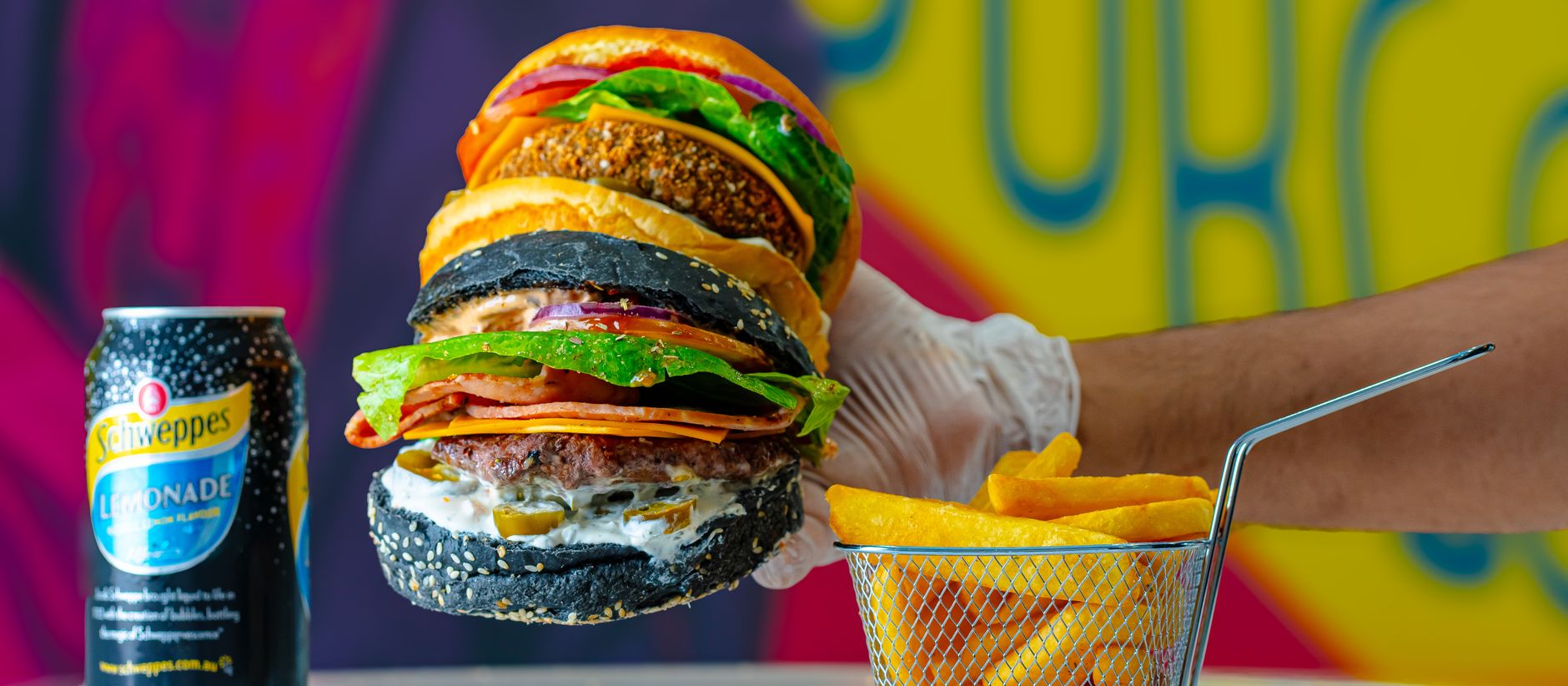
The menu centered on a double-patty masterpiece stacked with aged cheddar, crispy onion straws, and a house-made bourbon bacon jam that customers described as "liquid gold." Each burger was cooked to order on a seasoned flat-top grill that gave the beef a caramelized crust. The Florida burger restaurant also offered a spicy chorizo smash burger topped with pickled jalapeos and cilantro-lime crema, blending Latin flavors with classic American comfort food. Regulars swore by the hand-cut fries tossed in garlic, parsley, and parmesan, served with a smoked paprika aioli on the side.
The drink selection leaned heavily toward Florida craft beers, with rotating taps from local breweries like Funky Buddha and Cigar City. Milkshakes were made with real ice cream from a nearby dairy, not pre-made mix. Every component showed intention, and customers noticed the difference.
Ambiance and Location Appeal
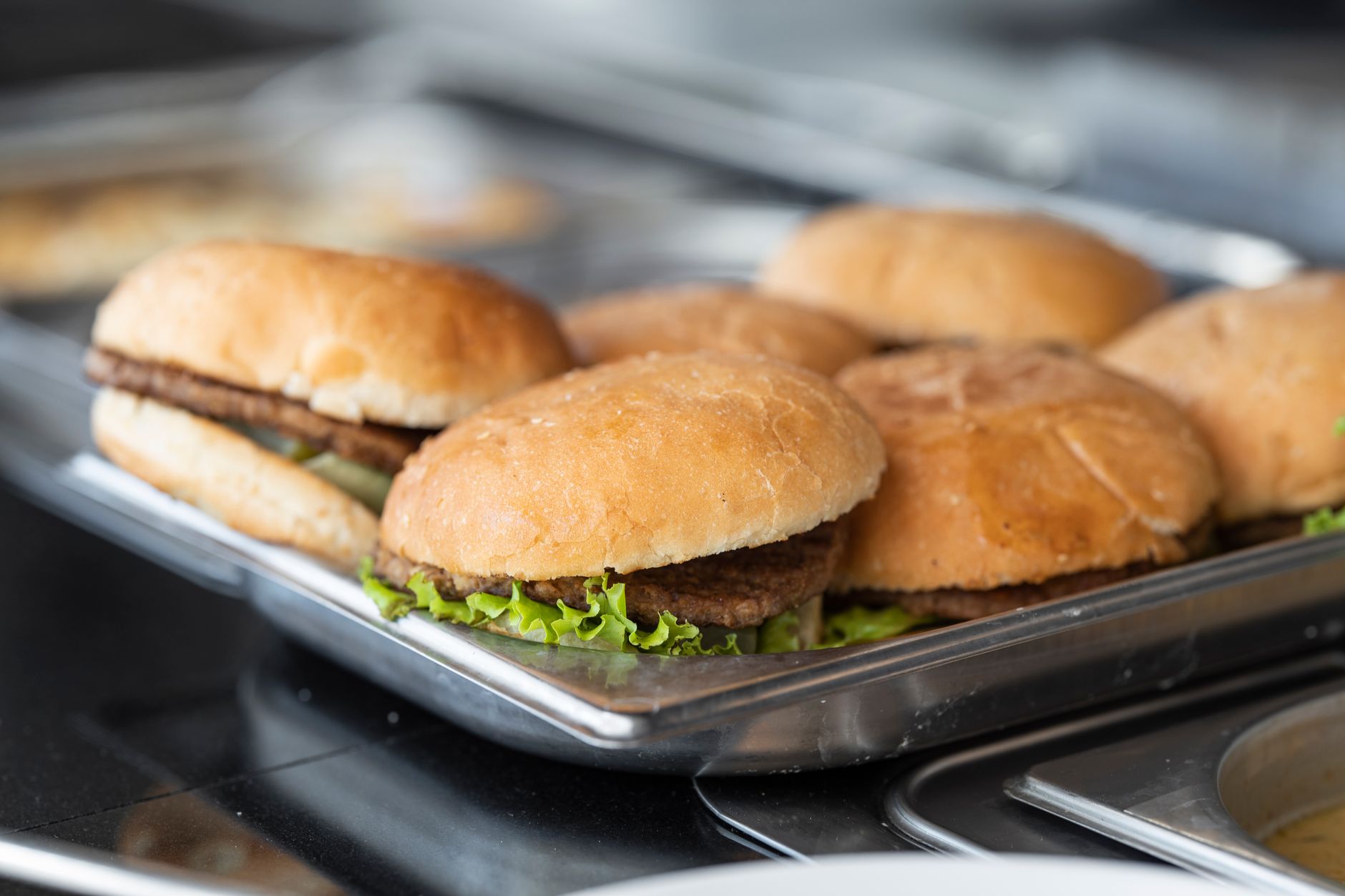
The restaurant sat on a busy stretch of Dixie Highway, tucked between a vintage record shop and a Cuban bakery. The interior mixed industrial charm with Florida warmth exposed brick, surfboards mounted on the walls, and a long communal table made from reclaimed teak. Servers remembered your name and your usual order. That personal touch turned first-time visitors into regulars and made the space feel like a neighborhood gathering spot rather than a tourist pit stop.
Recognition from Diners, Drive-Ins & Dives
The episode aired in the summer of 2022. Guy Fieri praised the restaurant‘s "next-level burger architecture" during the segment, and the footage showed him wiping his chin after the first bite. Within days, lines stretched down the block. Social media buzz exploded, and out-of-state visitors began adding the spot to their Florida bucket lists. For a few months, business was booming. But television fame is a double-edged sword. The surge in demand strained a kitchen that was never designed for that volume, and cracks began to show under the pressure.
Why Did This Popular Florida Burger Restaurant Close?
No single factor caused the collapse. Instead, a combination of operational stress, economic pressure, and changing habits created a perfect storm that the restaurant could not weather.
Business Challenges Leading to Closure
Rising beef prices hit the restaurant hard. The owner used a custom grind of brisket and short rib that cost nearly double what standard burger blends cost. To maintain quality, they refused to switch to a cheaper mix. At the same time, rent on the Dixie Highway property increased by 22 percent over two years. Labor costs also climbed as the restaurant competed for staff with larger chains that offered better benefits. Margins that were already thin turned negative, and the owner began covering shortfalls from personal savings. According to industry data from the Florida Restaurant and Lodging Association, the average independent restaurant operates on a 3 to 5 percent profit margin. This spot was losing money on every burger sold by the end.
Impact of COVID-19 and Changing Dining Trends
The pandemic altered how people eat out. Delivery and takeout became habits rather than conveniences, and this restaurant‘s model relied on the dine-in experience. Burgers do not travel well the bun gets soggy, the cheese congeals, and the fries lose their crunch. Online orders generated complaints about quality that the kitchen could not control once the food left the door. Meanwhile, fast-casual competitors like Shake Shack and Culver‘s expanded into the area, offering drive-thru lanes and mobile ordering that this independent Florida burger restaurant could not match. Customers who once waited forty minutes for a table began choosing speed over ambiance.
Owner and Staff Perspectives
The owner gave a frank interview to a local newspaper six weeks before the closure. "We tried everything loyalty programs, pop-up nights, even a burger subscription box," they said. "But the numbers just stopped working." Staff described a kitchen running on adrenaline and hope. One line cook mentioned that the restaurant was buying beef at wholesale prices that exceeded what a nearby fast-food chain sold its finished burgers for. The math was unsustainable, and in early 2024, the owner made the call to shut down. Employees were given two weeks‘ notice and a cash bonus from the owner‘s pocket. That gesture spoke volumes about the care behind the business, even in its final days.
Exploring the West Palm Beach and Florida Burger Restaurant Scene Today
The closure left a gap, but the West Palm Beach burger scene remains vibrant and full of worthy options. Whether you are a local or just passing through, you will find plenty of patties worth your time.
Top Recommended Burger Spots in West Palm Beach
If you are craving the same level of quality that the closed spot delivered, start with these three restaurants that locals trust.
- Greater Good BBQ Known for its smoked brisket burger topped with burnt ends and pickled red onions. The beef is sourced from a ranch in Ocala and is Halal-certified upon request. Ask for the "West Palm Smash"if you want a double patty.
- Dune Dog Cafe A casual spot on Federal Highway serving a Florida-style bacon cheeseburger with grilled pineapple and teriyaki glaze. The patties are hand-formed daily and cooked over an open flame. Five dollar drafts during happy hour make it a budget-friendly choice.
- Rocco‘s Tacos & Tequila Bar Known more for tacos, but the burger here deserves attention. It features a house-made chorizo patty blended with ground beef, topped with Oaxaca cheese and roasted salsa verde. The kitchen will prepare it without the chorizo if you want a straight beef patty.
What Makes Florida Burger Restaurants Unique?
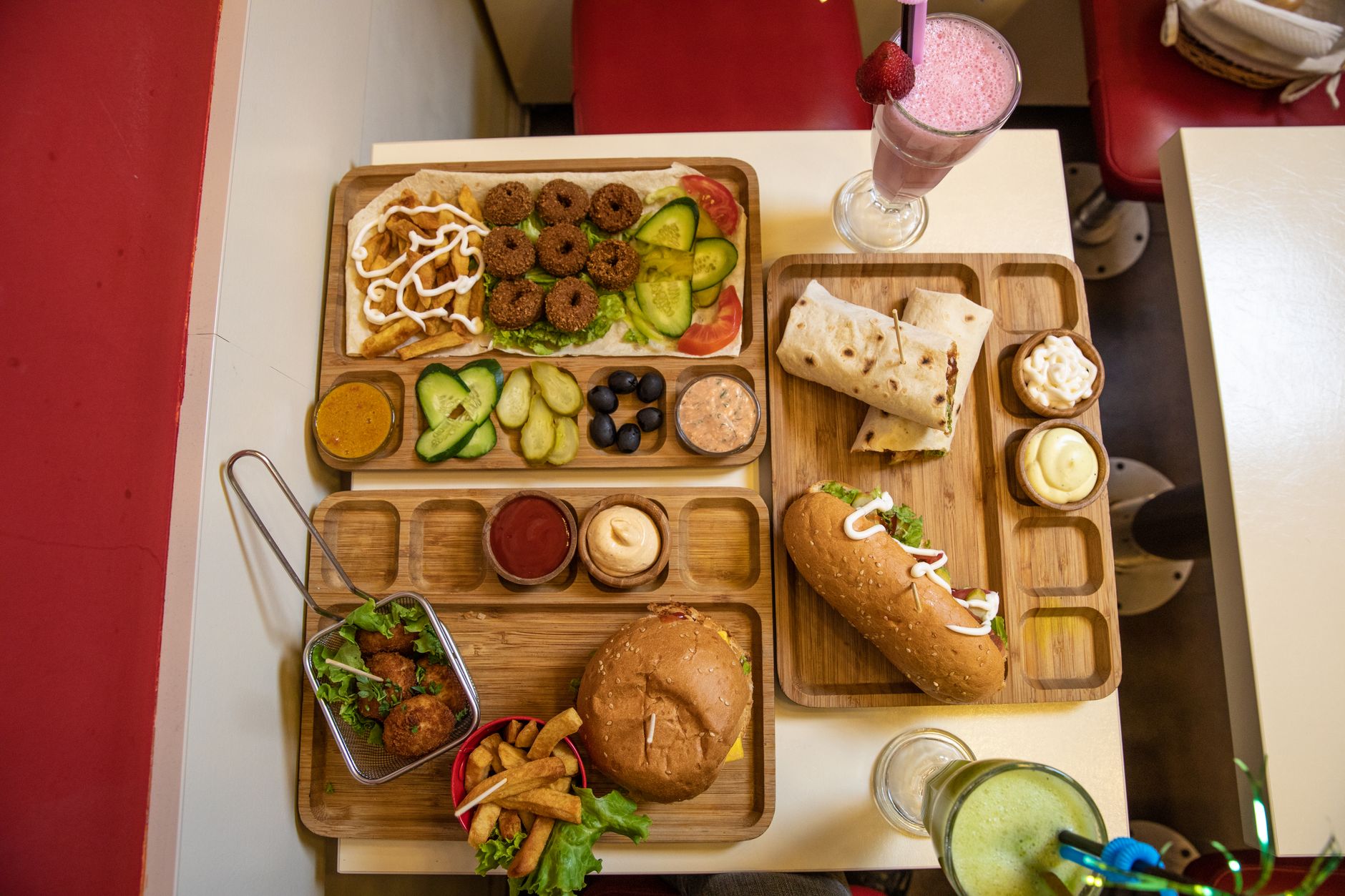
Florida‘s burger culture pulls from the state‘s diverse culinary roots. You will find Cuban-style burgers with mojo-marinated pork and Swiss cheese, Caribbean-inspired patties with jerk seasoning and mango slaw, and seafood-topped options with fried grouper or key lime aioli. The In-n-out secret menu might dominate West Coast conversations, but Florida burger restaurants bring a regional creativity that rivals any national chain. Local sourcing is also a priority many spots highlight beef from Florida ranches and produce from nearby farms, which keeps the flavors fresh and the supply chains shorter.
Comparison Table: Closed Burger Spot vs. Top Competitors
| Restaurant | Signature Burger | Average Price | Customer Rating | Unique Selling Point |
|---|---|---|---|---|
| Closed Spot (Formerly on Dixie Hwy) | Bourbon Bacon Jam Double | $18 | 4.6 stars (before closure) | TV fame, custom beef blend |
| Greater Good BBQ | Smoked Brisket Burger | $16 | 4.7 stars | Halal options, Ocala ranch beef |
| Dune Dog Cafe | Florida Bacon Cheeseburger | $12 | 4.5 stars | Affordable, open-flame cooking |
| Rocco‘s Tacos | Chorizo Smash Burger | $15 | 4.4 stars | Tequila bar, bold Latin flavors |
The Broader Lessons for Burger Lovers and Business Owners
The story of this Florida burger restaurant is not unique. Across the country, independent burger spots that earned television attention have struggled to survive the aftermath of the spotlight. Understanding the patterns can help both customers and aspiring restaurateurs make smarter decisions.
The Balancing Act: Quality vs. Sustainability in Florida Burger Restaurants
Premium ingredients create a memorable burger, but they also create fragile margins. The closed spot used a custom brisket-short rib blend that cost $9 per pound at wholesale. A standard 80/20 ground chuck blend costs roughly $4 per pound. That difference of five dollars on every pound of beef adds up fast when you are serving 300 burgers a day. Customers say they value quality, but price sensitivity remains real. Once a burger crosses the $16 threshold, many diners start comparing it to what they could get at a sit-down steakhouse or a chain with a known menu. The lesson for owners is clear: source strategically, test price elasticity, and build in cushion for cost increases before they hit.
How to Support Local Burger Restaurants Right Now
If you want independent burger joints to survive in your community, your habits matter. Visit during off-peak hours when the kitchen has breathing room. Tip generously, especially on larger orders. Spread the word on social media with specific praise mention a dish by name so others know what to try. Consider buying gift cards during slow seasons or signing up for loyalty programs. The Nestle prepared foods category shows how large-scale producers dominate shelves and menus, but independent restaurants offer something those brands cannot replicate: a direct connection to the cook who made your meal. That human element is worth protecting.
Pro Tips for Choosing a Burger Restaurant in Florida
Whether you are visiting the Sunshine State or live here year-round, use these guidelines to pick a spot that delivers real quality and supports responsible business practices.
- Ask about the beef source. Restaurants that name their ranch or supplier are signaling transparency. If the menu says "Angus blend" without specifics, you are likely getting commodity beef from a broad distributor.
- Check for Halal certification. Many Florida burger restaurants now offer Halal beef but do not advertise it prominently. Call ahead or ask your server. Look for certification from IFANCA or HMC on menus or posted near the register.
- Look at the fry program. A restaurant that cuts its own fries daily and stores them in water to remove starch is investing in quality. Places using frozen bag fries are cutting a corner that likely extends to other ingredients.
- Read online reviews for consistency. One bad review happens to everyone. A pattern of complaints about overcooked patties, cold buns, or slow service during peak hours suggests deeper operational issues.
- Visit on a Tuesday or Wednesday. Those are typically the slowest days for restaurants. If the food is excellent on a quiet Tuesday, the kitchen has solid fundamentals. If it is only good on a busy Saturday, the place depends on adrenaline rather than skill.
When is the best time to visit a Florida burger restaurant?
Late afternoon between 2 p.m. and 4 p.m. on weekdays is ideal. The lunch rush has ended, the dinner crowd has not arrived, and the kitchen is fully stocked from the morning prep. You will get faster service and a patty cooked with more attention than during peak hours. Avoid Sunday brunch windows when many burger spots shift to breakfast menus and limit their burger options.
Is the beef at Florida burger restaurants Halal-certified?
Not always, and you should never assume. Some independent Florida burger restaurants source Halal beef from local suppliers like the Ocala Ranch, but many do not advertise it. The best approach is to call the restaurant directly and ask for the supplier name and the certifying body. Recognized certification logos include IFANCA (Islamic Food and Nutrition Council of America), HMC (Halal Monitoring Committee), and local Florida Halal certifiers like Florida Halal Foods. If the restaurant cannot provide a certifier name, the beef is likely not Halal.
What should I look for on a burger restaurant menu to judge quality?
Scan for specific language about sourcing. Terms like "dry-aged," "house-ground," or "single-source ranch" indicate attention to ingredient quality. Watch for vague phrases like "premium beef" or "signature blend" without explanation. Also check if the menu lists the cheese by name a place that specifies "aged white cheddar from Sartori" cares more than one that just says "cheese." The bun matters too. If the menu mentions "brioche bun" or "potato roll" from a named bakery, that is a positive sign.
Why do so many TV-featured restaurants close within a few years?
Television exposure creates a sudden spike in demand that most independent kitchens are not built to handle. Equipment wears out faster, staff burn out, and ingredient costs rise as the restaurant scrambles to keep up. Once the initial hype fades, traffic drops to pre-show levels or lower, but the restaurant now carries higher rent, more debt, and an exhausted team. According to a study from the Restaurant Business research group, roughly 60 percent of restaurants featured on food television shows close within five years of their episode airing. The spotlight offers temporary momentum, not long-term stability.
Are there any Halal-friendly burger chains in Florida?
Yes, but options are limited. The Halal Guys operate several locations in Florida, including in Miami and Orlando, though they focus on gyro and chicken platters rather than burgers. Some franchise locations of chain restaurants like BurgerFi and Shake Shack have pursued Halal certification in select markets, but you must verify at the individual store level. Your best bet remains independent Florida burger restaurants that work with local Halal suppliers. Always ask for the certification documentation before ordering.
What is the biggest mistake people make when ordering a burger from an independent restaurant?
They order it well-done. A well-done burger requires extended cooking time that dries out the patty and destroys the texture of the beef. Most independent restaurants use higher-fat blends (20 to 25 percent fat) specifically to keep the meat juicy at medium to medium-well doneness. Cooking that same patty to well-done renders out the fat and leaves you with a dry, crumbly patty. If you cannot eat pink meat, ask the kitchen to add a butter baste or a slice of cheese to compensate for the lost moisture.
How can I tell if a burger restaurant is truly using fresh beef and not frozen?
Look at the shape of the patty. Fresh-ground beef forms irregular edges and a natural rounded shape when pressed on the grill. Frozen patties come out uniform, with perfectly round edges and a consistent thickness. Also check the color. Fresh beef should be a rich cherry-red color. If the patty looks pale or gray before cooking, it has likely been frozen and thawed. On the menu, look for phrases like "never frozen" or "fresh ground daily" these claims are regulated by the USDA and carry legal weight if false.
More You Might Like
If you enjoyed this look at Florida‘s burger scene, explore our guide to the In-n-out secret menu to compare what the West Coast‘s most famous chain offers and which items are worth your order.
You might also find our breakdown of Nestle prepared foods helpful for understanding how large-scale food producers shape the ingredients many burger restaurants rely on for buns, sauces, and frozen sides.
The story of this Florida burger restaurant reminds us that good food alone does not guarantee a successful business. Television fame, loyal customers, and premium ingredients create a foundation, but economic realities, changing habits, and razor-thin margins determine whether that foundation holds. Next time you bite into a well-made burger at your local spot, take a moment to appreciate what it took to get that patty onto your plate. And if the restaurant is independently owned, tell the cook you enjoyed it. That feedback matters more than you think.
FAQs
Is Florida burger restaurant actually Halal — what should I check on the label?
Not all Florida burger restaurants serve Halal beef. To verify, ask for the supplier name and certifying body (e.g., IFANCA or HMC). Look for certification logos on menus or near the register. If the restaurant cannot provide a certifier name, the beef is likely not Halal. Always call ahead to confirm.
When is the best time to visit a Florida burger restaurant?
Late afternoon between 2 p.m. and 4 p.m. on weekdays is ideal. The lunch rush has ended, the dinner crowd hasn’t arrived, and the kitchen is fully stocked. You’ll get faster service and a patty cooked with more attention. Avoid Sunday brunch when many spots limit burger options.
Why do so many TV-featured restaurants close within a few years?
Television exposure creates a sudden demand spike that most independent kitchens cannot sustain. Equipment wears out, staff burn out, and ingredient costs rise. Once hype fades, traffic drops below pre-show levels, but higher rent and debt remain. About 60% of food TV restaurants close within five years of airing.
What should I look for on a burger restaurant menu to judge quality?
Scan for specific sourcing terms like "dry-aged," "house-ground," or "single-source ranch." Avoid vague phrases like "premium beef." Cheese named by type and brand (e.g., aged white cheddar from Sartori) signals attention. Buns mentioned as "brioche" or "potato roll" from a named bakery are also positive signs.
Are there any Halal-friendly burger chains in Florida?
Yes, but limited. The Halal Guys have Florida locations, but focus on gyro and chicken. Some individual BurgerFi or Shake Shack franchises may be Halal-certified; verify at the store level. For reliable Halal options, independent restaurants using local Halal suppliers are your best bet. Always ask for documentation.