Choosing between bleached vs unbleached flour can feel like a subtle detail, but it actually shapes your baked goods texture, flavor, and appearance. These two common types of flour come from the same wheat but go through different processing methods. Whether youre baking tender cakes or hearty breads, understanding how these flours behave helps you get exactly the results you want. In this post, well explore what sets bleached and unbleached flour apart, their best uses, and tips for picking the right flour that fits your baking style and health goals.
Flour Differences Explained
What Makes Bleached Flour Different?
Bleached flour goes through a chemical treatment after milling that whitens and softens the flour. Manufacturers use agents like benzoyl peroxide or chlorine gas to accelerate aging and lighten the flours appearance. This process not only changes the color from a natural creamy tone to a bright white but also modifies the flours protein quality.
These bleaching agents weaken the gluten-forming proteins, resulting in softer, less elastic dough. This is ideal when you want a tender crumb or delicate texture, like in sponge cakes or cookies. However, the chemical process can slightly reduce certain nutrients, although according to the USDA FoodData Central, the impact on overall nutrition is minimal.
Why Is Unbleached Flour Different?
Unbleached flour is naturally aged by exposure to air over a period of weeks or months, without added chemicals. It retains a slightly off-white color and a denser texture. Since it isnt chemically treated, the gluten proteins remain stronger, which helps dough develop more structure and chewiness.
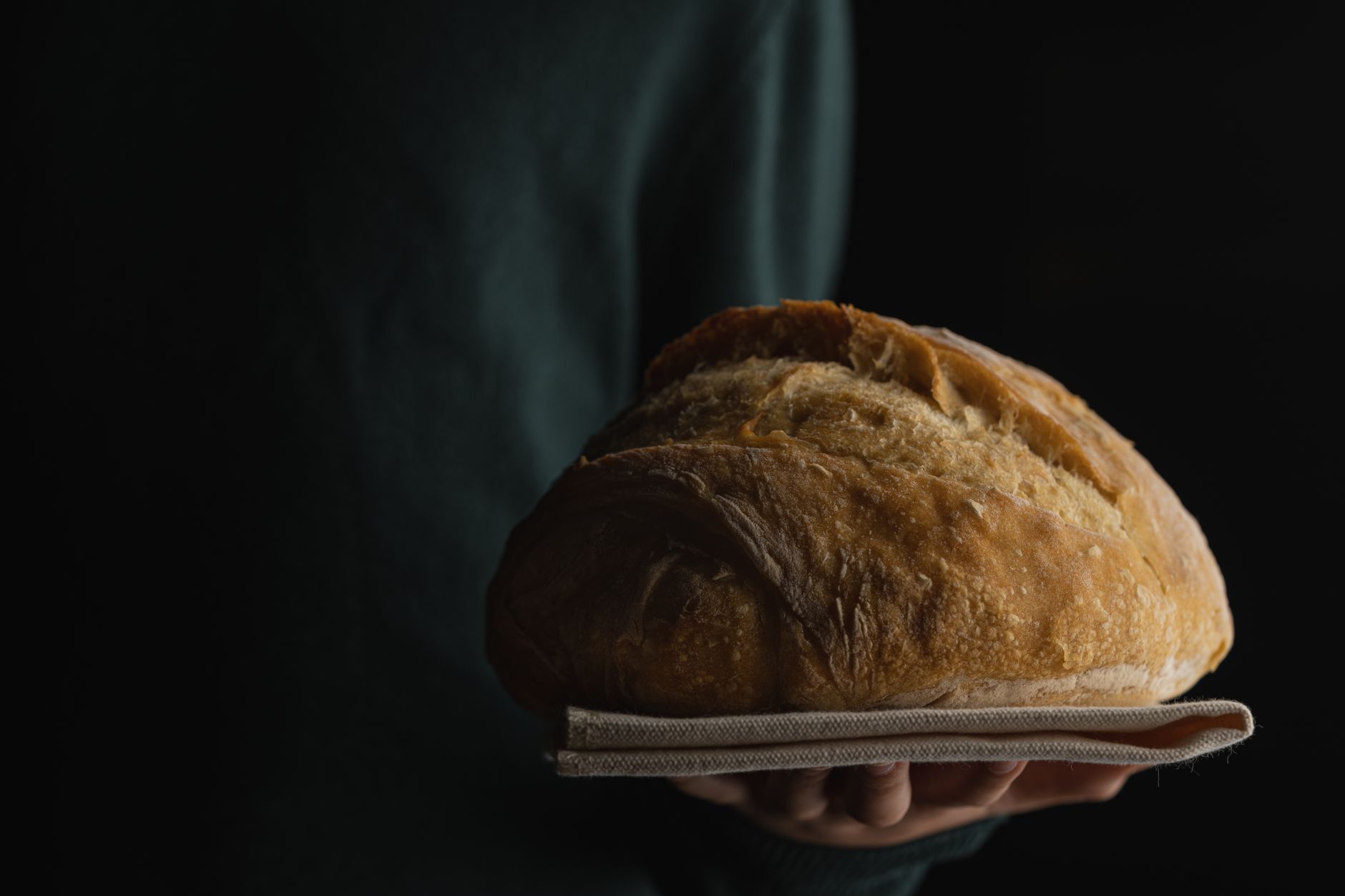
Many bakers prefer unbleached flour for breads and artisan baking because it offers a richer flavor and firm crumb. Unbleached flour may also retain more natural nutrients from the wheat because it skips the bleaching step.

Bleached Flour Benefits
Best Baking Uses for Bleached Flour
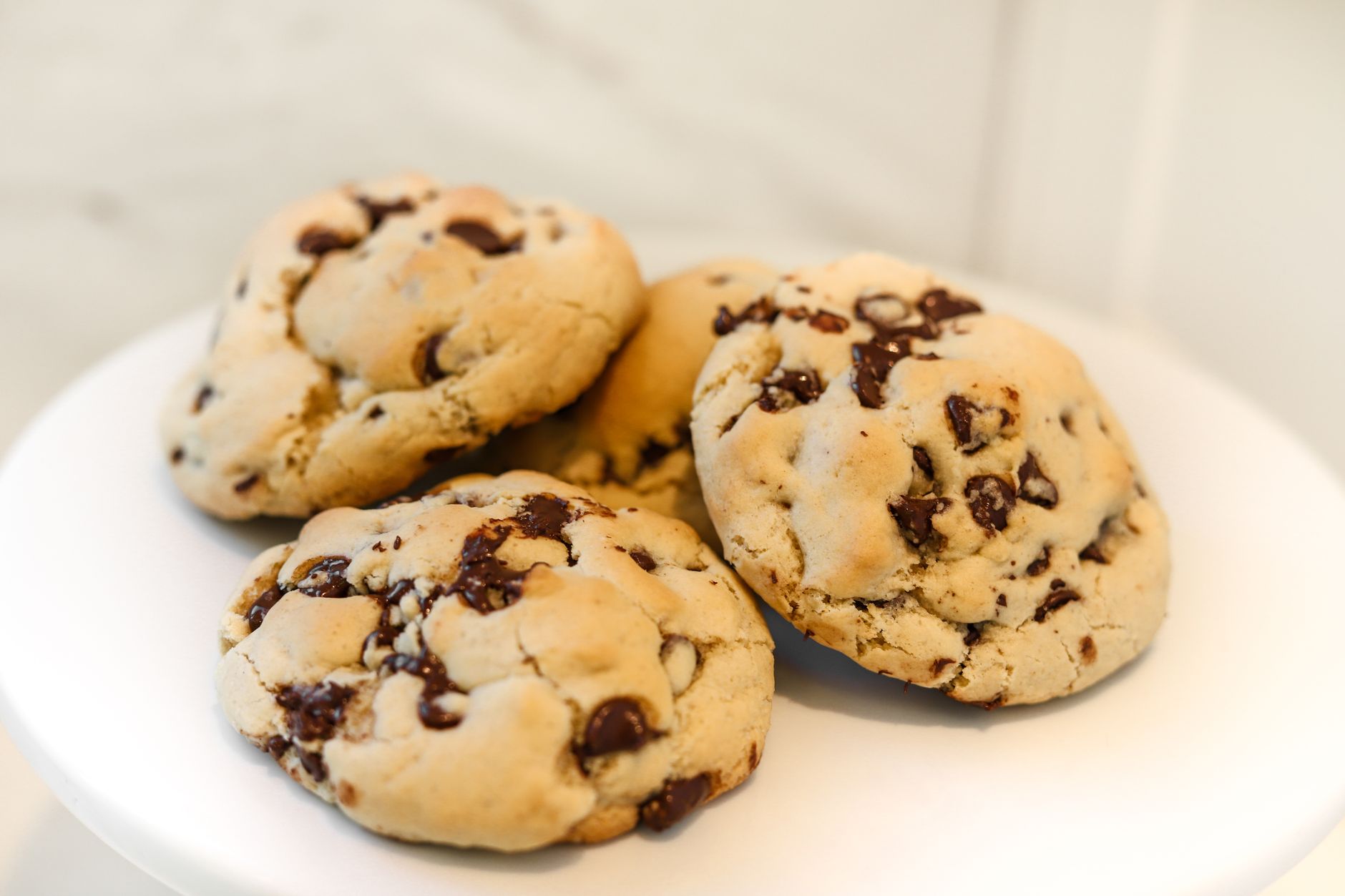
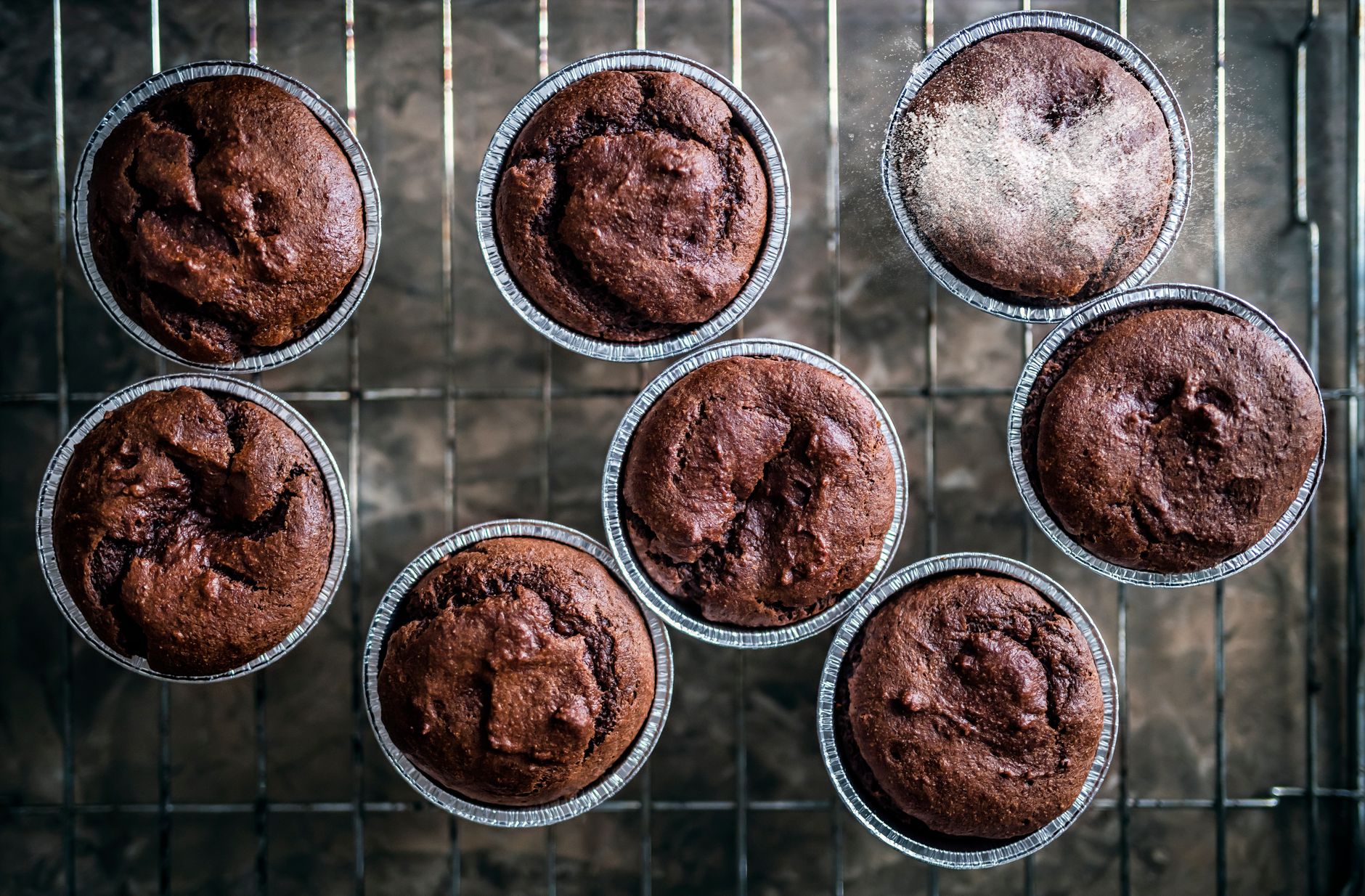
Bleached flour works wonders when baking tender, fine-crumb cakes, cookies, muffins, and pastries. If your recipe calls for cake flour or all-purpose flour for delicate sweets, bleached flour is likely the original choice. Its soft texture helps produce light and airy baked goods that melt in your mouth.
Bakers also reach for bleached flour when recipes have short mixing times or require fast leavening agents, since the weakened gluten doesnt need as much kneading.
What Are the Possible Downsides?
Some people worry about consuming bleached flour due to the chemical agents used in processing. While scientific research has not linked common bleaching agents to adverse health effects when used in regulated amounts, sensitive individuals might prefer unbleached alternatives. Also, bleaching can reduce the flours natural nutrients like vitamin E and carotenoids.
From a Halal perspective, bleached flour is generally considered permissible as long as the bleaching agents comply with Islamic dietary laws, which reputable certification bodies like JAKIM and IFANCA verify. Look for a clear Halal certification logo on the packaging to confirm compliance.
Advantages of Unbleached Flour
Nutritional and Flavor Profile
Unbleached flour naturally preserves more of the wheats original nutrients because it skips chemical processing. According to the USDA FoodData Central, it retains slightly more protein and minerals compared to bleached flour. Its flavor is also more distinct and mildly nutty, enriching breads, rolls, and pizza dough with hearty taste.
That richer, earthier flavor is why many artisan bakers favor unbleached flour for yeast breads needing strong gluten networks and chewy texture.
Is Unbleached Flour Always Healthier?
While unbleached flour maintains more natural nutrients, its important to remember it is still refined flour, meaning the bran and germ are removed. This reduces fiber and some vitamins regardless of bleaching. Choosing whole wheat or other whole grain flours is a better way to increase dietary fiber.
Unbleached flour can sometimes produce denser baked goods, which might not suit delicate cake recipes. So, healthier doesnt always mean better for every baking purpose.

Baking Uses for Each Flour
Choosing Flour Types in Baking
All-purpose flour comes in both bleached and unbleached formats. Cake flour is typically bleached for softness, while bread flour usually remains unbleached to maintain strength and elasticity. Knowing your flours protein content is key; higher protein means more gluten, which supports chewy, structured breads.
Whether bleached or unbleached, ensure the flour suits your recipes needs. For delicate cakes and cookies, bleached all-purpose or cake flour shines. For crusty bread and pizza, unbleached bread flour delivers better results.
How to Pick the Best Flour
Read labels carefully: protein content ranges from about 8% in cake flour to 1214% in bread flour. Many baking experts recommend trying unbleached all-purpose flour in place of bleached for richer tastejust expect slightly denser, chewier textures.
Need to avoid certain ingredients or allergens? Some bleached flours include added dough conditioners. Choosing certified Halal flour brands ensures compliance with dietary restrictions and ingredient transparency. For alternatives and substitutions in baking, consider checking out trusted Egg substitutes to complete your recipes with confidence.
Side-by-Side Comparison
| Aspect | Bleached Flour | Unbleached Flour |
|---|---|---|
| Color | Bright white | Off-white, slightly creamy |
| Texture | Finer, softer | Denser, firmer |
| Gluten Strength | Weakened, less elastic | Stronger, more resilient |
| Flavor | Mild, neutral | Richer, nuttier |
| Best For | Delicate cakes, cookies, pastries | Breads, pizza dough, structured baked goods |
| Nutrition | Slight nutrient loss possible | Retains slightly more nutrients |
| Shelf Life | 68 months sealed, 34 months opened | 68 months sealed, 34 months opened |
Texture and Appearance
Baked goods made with bleached flour have a tender, crumbly texture with a light color. Think velvety cupcakes or crisp sugar cookies. Unbleached flour yields thicker crumb, golden crusts, and chewier textures perfect for sandwich loaves or rustic dinner rolls.
Flavor and Baking Performance
While many find bleached flour neutral in taste, unbleached flours mild wheat notes add depth. Both flours react differently to mixing and leavening, so substituting one for the other may affect rise and crumb. For reliable results, adjusting liquid and kneading time can help.
Storage and Shelf Life
Both flours last about 68 months when stored in airtight containers in a cool, dry place. Once opened, they keep well for around 34 months. Due to its treatment, bleached flour may have a slightly longer shelf life, but practically, both benefit from refrigeration in warm climates.
Is bleached vs unbleached flour actually Halal what should I check?
Both bleached and unbleached flours can be Halal if produced in compliance with Islamic guidelines. Check packaging for certification logos from trusted bodies like JAKIM, HMC, or IFANCA. These certifications confirm the flour contains no prohibited substances or cross-contamination risks. Always verify the certificate and source for added confidence.
Can I substitute bleached and unbleached flour interchangeably?
Yes, but results vary. Substituting bleached with unbleached flour may give denser, chewier baked goods, while replacing unbleached with bleached flour can produce softer, lighter textures. Adjust liquid, mixing time, and leavening accordingly to maintain balance.
Does bleaching affect gluten development in dough?
Yes, bleaching weakens gluten-forming proteins, reducing dough elasticity. This produces softer textures ideal for delicate cakes but unsuitable for strong, chewy breads. Unbleached flours stronger gluten better supports yeast rising and structured dough formation.
Which flour is better for health-conscious baking?
Unbleached flour usually retains slightly more natural nutrients and avoids chemicals, making it preferable for health-aware bakers. However, both are refined flours without bran or germ. To boost nutrition, combine with whole wheat or other whole grain flours certified Halal.
Are there any allergens in bleached or unbleached flours?
Both flours come from wheat, which contains glutena common allergen. Bleached flours may have added conditioners or enzymes; always check ingredient lists. For allergy-friendly options, seek gluten-free or specially certified products.
How do I store bleached and unbleached flour?
Store both types in airtight containers away from heat and moisture. Ideally, keep them in a cool pantry or refrigerator. Unopened flour lasts 68 months; opened flour keeps fresh for 34 months. Avoid odors exposure as flour absorbs smells easily.
Is there any difference in price between bleached and unbleached flour?
Bleached flour is often cheaper due to faster processing, but prices vary by brand and region. Unbleached flour sometimes costs slightly more, especially when organic or Halal-certified. It‘s best to factor in quality, certification, and recipe needs over price alone.
What is the most overlooked mistake when buying flour?
Choosing flour without checking protein content or certification can hurt your baking or dietary goals. Many focus only on price or packaging, ignoring whether the flour fits their recipe or Halal requirements. Always read labels carefully to avoid surprises.
Why do cheap flours sometimes disappoint bakers?
Inexpensive flours often lack consistency in protein levels and may contain fillers, resulting in unpredictable dough behavior. They may also lack Halal certification or include additives unsuitable for sensitive diets. Investing in trusted brands enhances baking success.
One expert tip for using flour in baking?
Sift flour before measuring to avoid clumps and achieve accurate volume. This tip is especially helpful with bleached flours, ensuring light, consistent batters. Also, dont overmix doughs made with unbleached flour to prevent toughness.
More You Might Like
Discover creative swaps with different egg substitutes to keep your recipes Halal and allergy-friendly.
Looking for trusted Halal bakeries? Explore the artisan delights at Cozy corner bakery for inspiration.
Final Thoughts on Bleached vs Unbleached Flour
Choosing between bleached vs unbleached flour boils down to what you want from your baked goods. Bleached flour offers fine, tender texture for cakes and pastries while unbleached flour brings stronger gluten and richer flavor for breads and heartier recipes. Next time you buy flour, check the label carefully, consider your recipe goals, and dont hesitate to experiment. Feel free to share your baking adventures or questions belowwe love hearing what works for you!
FAQs
Is bleached vs unbleached flour actually Halal — what should I check on the label?
Both bleached and unbleached flours can be Halal if they meet Islamic dietary laws. Look for certification logos from trusted bodies like JAKIM, HMC, or IFANCA on the packaging to ensure no prohibited substances or cross-contamination.
How long does bleached and unbleached flour last after opening?
When stored in airtight containers in a cool, dry place, both flours last about 34 months after opening. Refrigeration can help extend freshness, especially in warm climates.
What is the main difference between bleached and unbleached flour compared to whole wheat flour?
Bleached and unbleached flours are refined, removing bran and germ, so they lack the fiber and vitamins of whole wheat flour. Whole wheat flour retains the entire grain, offering higher nutrition and denser texture.
Are bleached and unbleached flours safe to consume daily?
Yes, both are safe to consume daily in normal amounts. Bleached flour uses regulated chemicals that pose minimal health risks, while unbleached flour avoids those but is still refined. Moderation and variety are key.
Where can I buy halal certified bleached or unbleached flour?
Halal certified flours are available at specialty grocery stores, Halal markets, and online retailers. Always check for trusted halal logos on packaging to confirm certification and ingredient compliance.