Blended whiskey often gets overlooked or misunderstood, but its a versatile and popular style that deserves your attention. Simply put, blended whiskey is a mix of different types of whiskey and sometimes neutral spirits, combined to create a smooth, approachable flavor. Understanding what goes into blended whiskey helps you appreciate its unique qualities and make better choices when buying Halal-certified or health-conscious beverages.
Whiskey Basics
To appreciate blended whiskey, it helps to know the basics of whiskey types. Whiskey is a distilled spirit made from fermented grain mash, aged in wooden casks. The big categories include single malt, grain whiskey, and blends. Each style has its own character and production rules, which affect taste and cost.
What Does "Blended" Whiskey Actually Mean?
Blended whiskey combines two or more types of whiskeys, often a mix of malt whiskey and grain whiskey, to create a harmonious and consistent product. Unlike single malt whiskey, which is made from malted barley in one distillery, blended whiskey mixes whiskeys from multiple distilleries and sometimes includes neutral grain spirits to balance flavor and price.
This blending process allows master blenders to craft a more accessible and smoother taste that appeals to a wide range of drinkers.
What Are The Main Whiskey Types?
- Single Malt Whiskey: Made only from malted barley at one distillery.
- Single Grain Whiskey: Produced at one distillery but can use grains other than malted barley.
- Blended Whiskey: Mixes malt and grain whiskeys from different distilleries.
- Blended Malt Whiskey: A mix of malt whiskeys only, no grain whiskey.
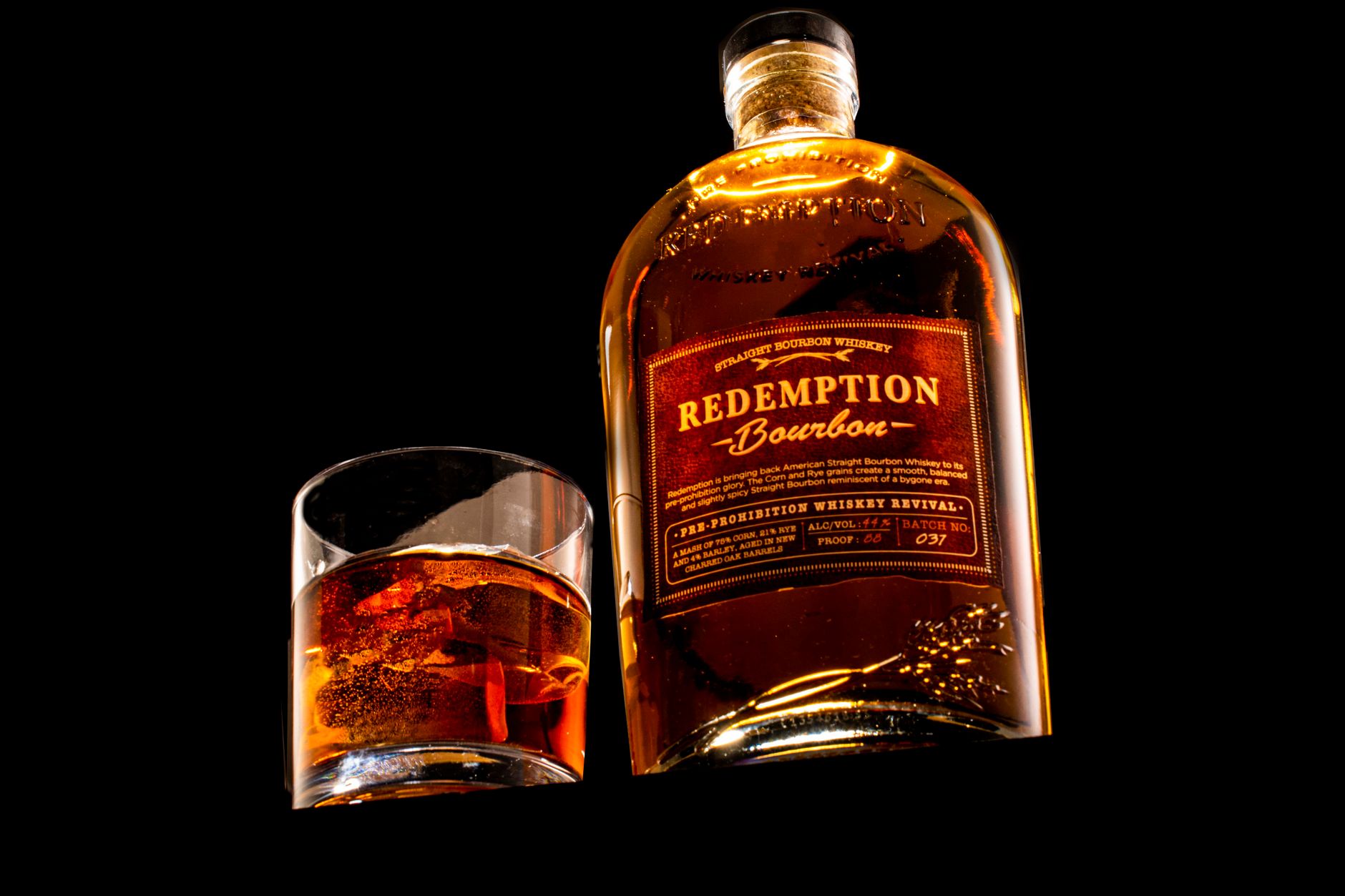
- Bourbon: American whiskey primarily made from corn with specific aging rules.
Blended vs Single Malt
How Does Taste Differ Between Blended and Single Malts?
Single malt whiskeys tend to have complex, rich flavors, featuring notes of oak, fruit, and spice, often prized by connoisseurs. Blended whiskeys usually taste smoother and lighter, with a balanced profile that doesnt overpower. The grain whiskey in blends typically softens the sharp edges of malt whiskies, making blended whiskey easy to sip or mix.
You might expect a single malt to wow your palate, but the charm of blended whiskey lies in its dependable smoothness and drinkability at an often friendlier price point.

Pros and Cons of Blended Whiskey vs Single Malt
- Benefits of Blended Whiskey: Affordable, consistent quality, versatile for both neat drinking and cocktails.
- Drawbacks: Can lack the complexity and depth that some whiskey lovers prefer.
- Single Malt Benefits: Rich complexity and nuanced flavors.
- Drawbacks: Typically more expensive and an acquired taste for some.
Why Choose Blended Whiskey?
Blended whiskey remains one of the worlds bestselling styles for good reasons. Its approachable for newcomers and versatile for mixology, pairing well with soda or in Vodka cocktails alike. The smooth profile suits casual sipping while offering plenty of room for flavor exploration.
Benefits of Blended Whiskey
- More budget-friendly without sacrificing taste
- Consistent flavor from batch to batch
- Works well in mixed drinks and casual settings
Risks or Drawbacks to Keep in Mind
Not all blended whiskeys maintain high standards. Some cheap blends rely heavily on neutral spirits that dilute flavor. Thats why studying labels and certifications matter, especially if you seek Halal assurance and clean ingredients. Always look for trusted Halal certifications like JAKIM, HMC, or IFANCA to confirm product compliance.
How Blended Whiskey Is Made
The magic behind blended whiskey is the skillful combination of whiskeys with different grain recipes, ages, and maturation methods. Distillers select various malt and grain whiskeys from their warehouses, then carefully blend to meet a flavor target. This practice helps maintain consistent taste despite seasonal or batch variations.
What Role Do Master Blenders Play?
Master blenders are experts who craft the perfect blend. Their trained senses guide decisions on how much malt or grain whiskey to add to achieve balancewhether aiming for smoky, sweet, or velvety notes. This artistic skill can take years or decades to master.
Key Ingredients and Aging Techniques
Blended whiskey uses grains such as barley, corn, wheat, or rye. Aging usually occurs in oak barrels for 312 years, depending on brand regulations and desired flavor. New barrels impart spicy oak tones; used barrels soften the taste and add subtle vanilla or caramel hints.
Common Misconceptions
Many believe blended whiskey means poor quality or watering down. Thats outdated thinking. While some low-end blends may compromise, many premium brands craft stellar blends celebrated worldwide. The blend simply means mixing whiskeys, not lowering standards.
Another myth is that blended whiskeys dont age. In reality, each whiskey component is aged before blending. Properly made blends undergo significant maturation to develop their character.
How to Choose and Enjoy Blended Whiskey
When buying blended whiskey, start by checking for trusted Halal certification logos such as JAKIM, HMC, or IFANCA. These indicate compliance with dietary and production standards, giving peace of mind.
Additionally, look for:
| Certification | Price Range | Common Formats | Shelf Life | Key Allergens |
|---|---|---|---|---|
| JAKIM / IFANCA / HMC | $20$60 (varies) | 750ml bottle, miniature bottles | 35 years unopened, 1 year after opening | Grains (barley, wheat, rye), trace sulfites |
Label Reading Tips
- Look for "Blended Scotch Whisky" or "Blended Whiskey" clearly stated.
- Check the origin some blends come from Scotland, Ireland, or the USA.
- Age statements usually indicate youngest whisky in the blend.
- Verify Halal certification logo prominently displayed.
- Avoid vague claims such as "made with grain spirits" without further detail.
How to Enjoy Blended Whiskey
Try neat or with a splash of water to release flavors. Blended whiskeys also mix well in simple cocktails, from classic whisky sour to refreshing highballs. Their smoothness suits easy drinking, whether at a casual gathering or a quiet evening.
| Pro Tips |
|---|
| The biggest mistake is choosing the cheapest blend, which may sacrifice flavor and Halal integrity. Expert tip: Buy brands known for consistent quality and always check for Halal certification. Lastly, experimenting with cocktail recipes that highlight blended whiskeys smoothness can elevate your experience. |
Is blended whiskey actually Halal what should I check?
Blended whiskeys Halal status depends on production and certification. Check for logos from recognized bodies like JAKIM, HMC, or IFANCA. These assure no non-Halal ingredients or processes are involved. Some whiskeys contain additives or are blended with neutral spirits that may not be Halal certified, so label scrutiny is key.
How long does blended whiskey last after opening?
When stored upright in a cool, dark place, blended whiskey generally keeps its quality for 1 year after opening. Exposure to air and light can reduce aroma and taste, so reseal tightly each time. Unopened bottles last 3 to 5 years or more.
Can you use blended whiskey in cocktails?
Yes! Blended whiskeys smooth profile makes them ideal for cocktails like whisky sours or old fashioneds. They balance well with mixers and dont overpower other ingredients.
Does blended whiskey contain allergens?
Whiskey is made from grains like barley, rye, wheat, and corn, which can be allergens for some people. Sulfites may also be present in trace amounts due to aging. Always check labels for specific allergen warnings.
Whats the ideal glass for drinking blended whiskey?
A tulip-shaped whiskey glass helps focus aroma for better tasting. For casual enjoyment, a rocks glass with ice or water works well to open flavors.
Are all blended whiskeys gluten-free?
Though made from grains, the distillation process removes gluten proteins, so whiskey is generally considered gluten-free by the USDA. However, cross-contamination or additives may vary, so verify Halal certification and production standards for safety.
Does aging affect the flavor of blended whiskey?
Yes. Even though blends combine different whiskies, the age of each component shapes the final taste. Older whiskies add depth and smoothness. Younger spirits may bring brightness and spice.

More you might like
Discover creative ideas in Vodka cocktails for refreshing Halal-certified drinks at home.
Explore our guide to Cheap beer brands that combine affordability with Halal-approvals and quality.
Blended whiskey brings a smooth, accessible style into your glass that balances tradition with approachability. Next time you shop, take a moment to check the label and certification to ensure quality and Halal compliance. Then pour a glass and savor the craftsmanship behind this timeless spirit. Share your blended whiskey experiences or questions with us wed love to hear from you.
FAQs
Is blended whiskey actually Halal — what should I check on the label?
The Halal status of blended whiskey depends on its production process and certification. Check the label for trusted Halal certification logos like JAKIM, HMC, or IFANCA. Confirm the product contains no non-Halal additives or ingredients and beware of blends with neutral spirits that may not be Halal-certified.
How long does blended whiskey last after opening?
When stored upright in a cool, dark place with the bottle tightly sealed, blended whiskey maintains good quality for about one year after opening. Exposure to air and light can degrade the aroma and taste over time, so proper storage is important.
What is the main difference between blended whiskey and single malt?
Blended whiskey combines malt and grain whiskeys from multiple distilleries to create a smooth, consistent flavor, while single malt comes from malted barley at one distillery and usually offers richer, more complex flavors. Blends are generally lighter and more approachable.
Is it safe to drink blended whiskey daily?
Moderate daily consumption of blended whiskey is generally safe for healthy adults, but excessive drinking poses health risks. Always consume alcohol responsibly, considering personal health and dietary restrictions, especially when looking for Halal compliance.
Where can I buy quality Halal-certified blended whiskey?
Quality Halal-certified blended whiskeys can be found at specialized liquor stores, online retailers focusing on Halal products, or stores with clear certification labels such as JAKIM, HMC, or IFANCA. Always verify the authenticity of certifications before purchase.