If youve ever stood in front of the seafood counter wondering about the difference clams mussels really have, youre not alone. They often look similar, both wearing hard shells and living in water, but their flavors, textures, and even how you cook them can differ quite a bit. Knowing these differences can help you choose the right shellfish whether youre planning a stew, a pasta, or just want a light, briny snack. Lets explore what makes these two shellfish unique and how you can enjoy each one best.
Types of Clams
Clams come in many shapes and sizes, with varieties suited for different dishes and cooking styles. Their flavor profiles range from sweet and mild to rich and briny.
What Are the Most Common Types of Clams?
The term clam covers a range of species, but some popular ones youll often find include:
- Littleneck clams: Small, tender, and mildly sweet, these are great for steaming or adding to chowders.
- Manila clams: Slightly more delicate, with a slightly nutty flavor and preferred for sauting or grilling.
- Razor clams: Long and slender with a sweet, clean flavor, perfect for frying or cocktails.
Each type varies in texture and flavor intensity, making it easy to find one that suits your palate or recipe.
According to seafood experts, texture differences between clams depend on their habitat and the sediment they filter through. Littleneck clams tend to be more tender, while larger varieties may have a firmer bite.
Types of Mussels
Mussels are similarly diverse and popular worldwide. Their dark shells and tender meat often make them a striking choice in dishes.
What Distinguishes Blue Mussels from Mediterranean Mussels?
The most common mussel varieties are:
- Blue mussels: Found mostly in colder waters like the North Atlantic, these have a deep blue-black shell and a sweet, clean taste.
- Mediterranean mussels: Typically farmed in Europe, these have elongated shells with a slightly brinier flavor than blue mussels.
Regional differences influence their shell color, size, and taste. For example, blue mussels tend to be smaller, whereas Mediterranean mussels can grow larger and meatier.
Many farms cultivate mussels sustainably, minimizing environmental impact while maintaining quality, a great consideration for health-conscious shoppers.
How to Tell the Difference Between Clams and Mussels
Knowing how to visually distinguish clams from mussels can make shopping easier and spare you guessing in recipes.
What Are the Visual Cues to Spot Clams vs Mussels?
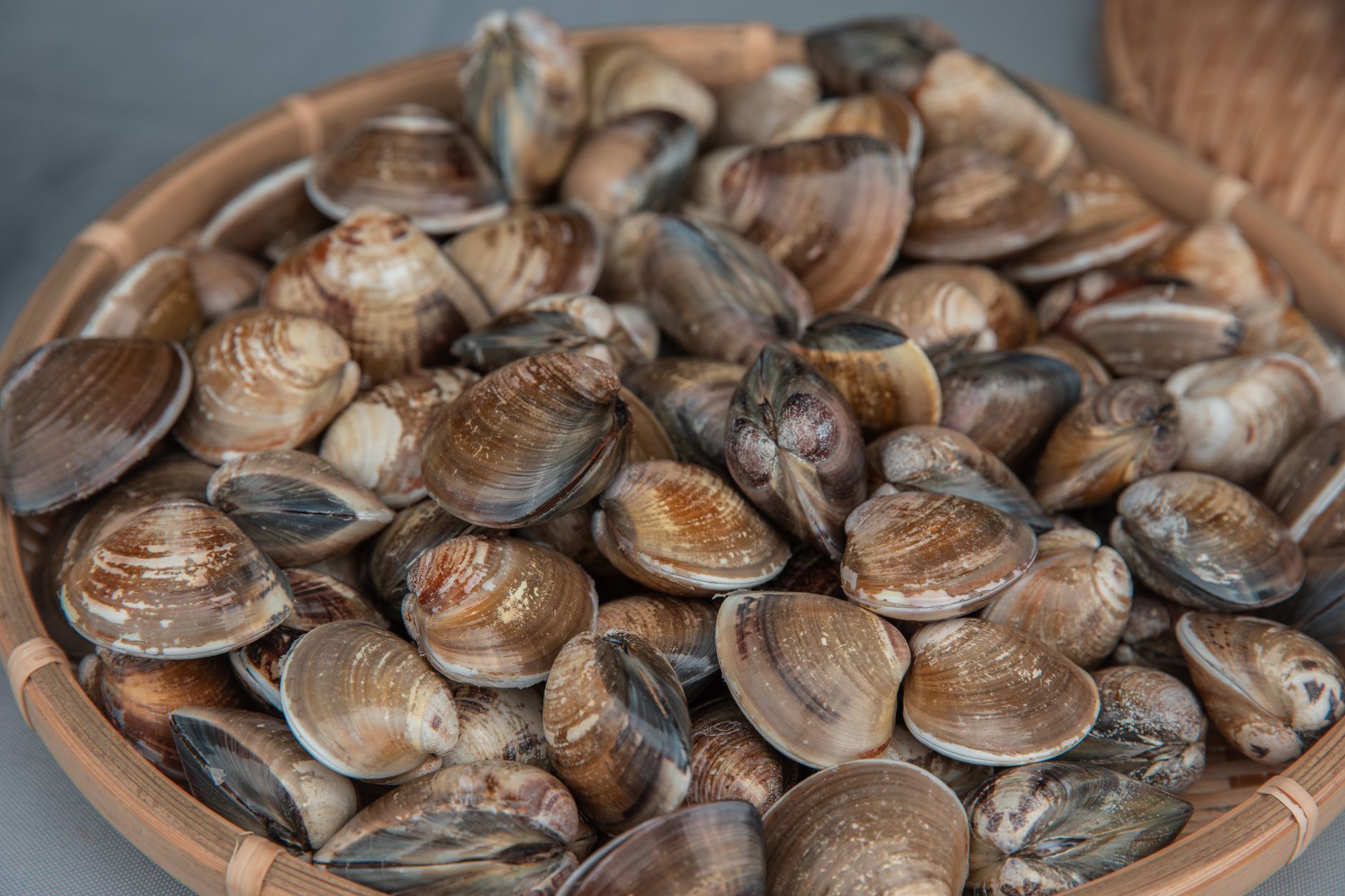
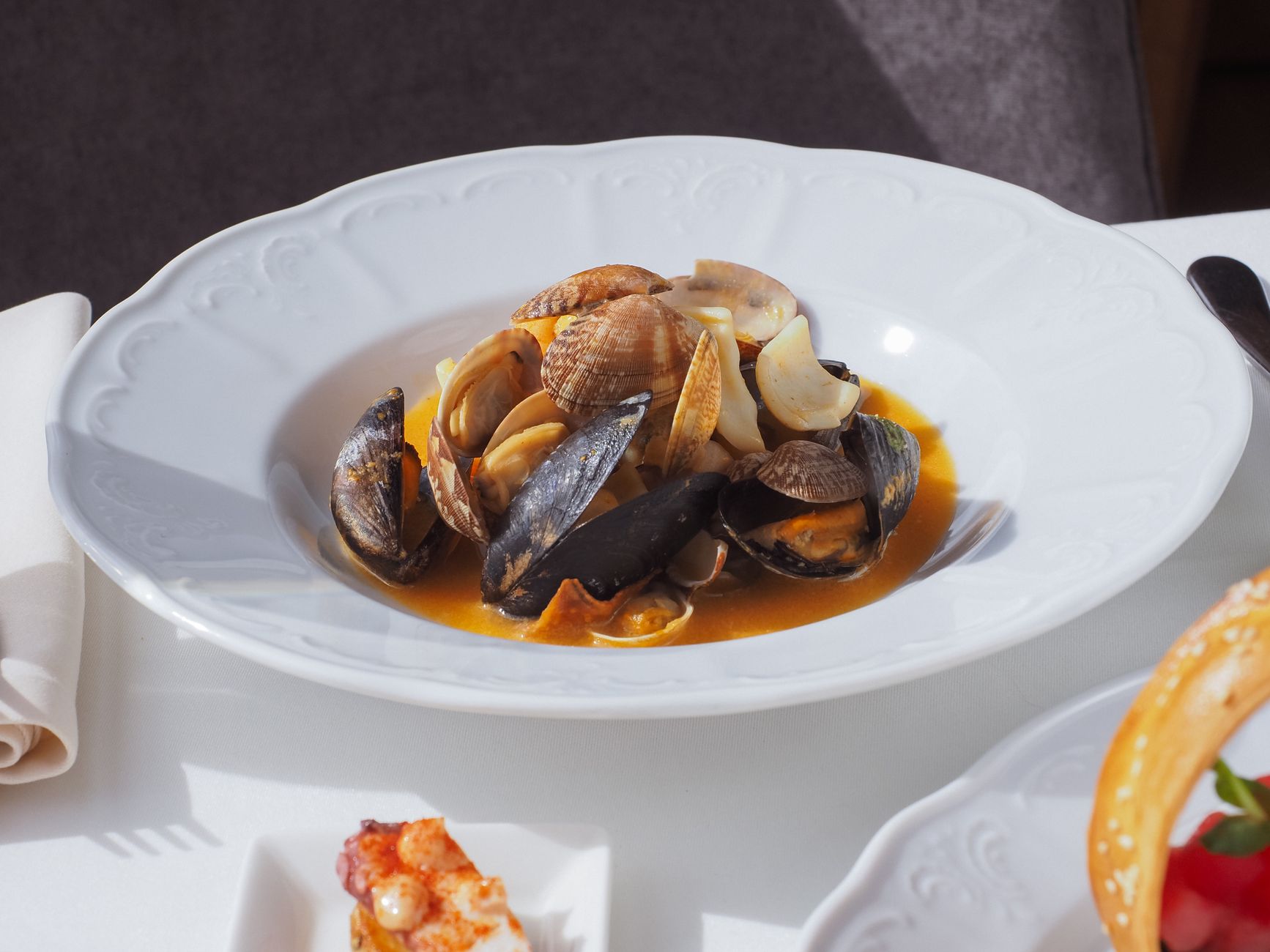
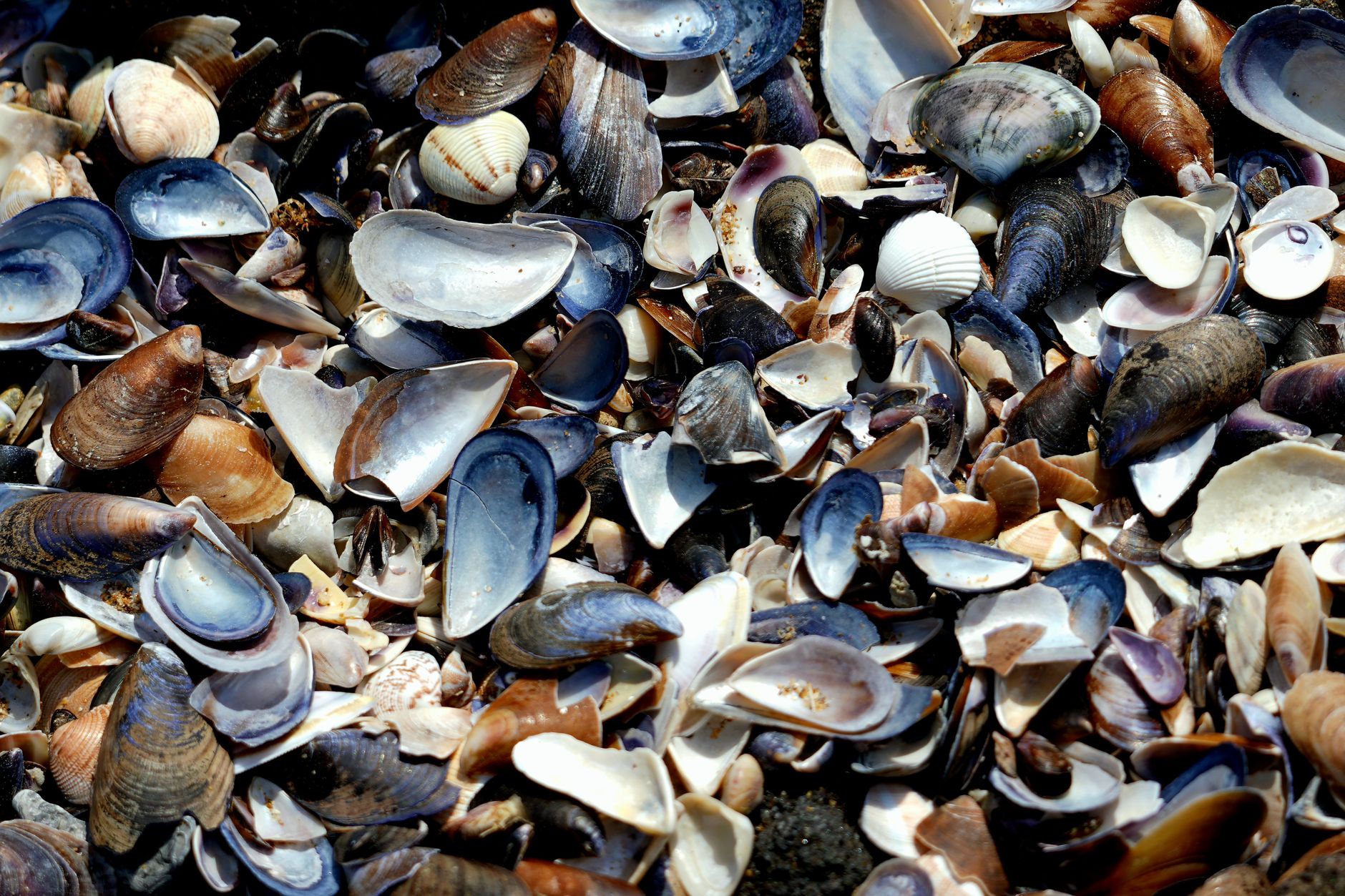
Clams usually have rounder or more oval shells with ridged or smooth exteriors, often lighter colored, including beige, brown, or off-white. Mussels have longer, more elongated shells that taper to a point, often dark blue, black, or deep purple.
The shells texture also differs: clam shells are thicker and more rigid, while mussel shells feel thinner and more fragile.
How Do Their Habitats Affect These Differences?
Clams tend to burrow in sandy or muddy bottoms and often live buried under the surface. This lifestyle results in their sturdier shells designed to protect them from predators and shifting sands. Mussels attach to hard surfaces like rocks or piers using strong threads called byssal threads, which makes their elongated shells perfect for clinging tightly in tidal zones.
| Feature | Clams | Mussels |
|---|---|---|
| Shell Shape | Rounded or oval, thick, often beige/brown | Elongated, tapered, thin, dark blue/black |
| Shell Texture | Rigid and heavy | Fragile and smooth |
| Habitat | Bury in sand or mud | Attach to rocks or piers |
What Do Clams and Mussels Taste Like?
Understanding their flavor is essential when deciding which shellfish fits your meal or craving.
How Does Each Shellfishs Flavor Differ?
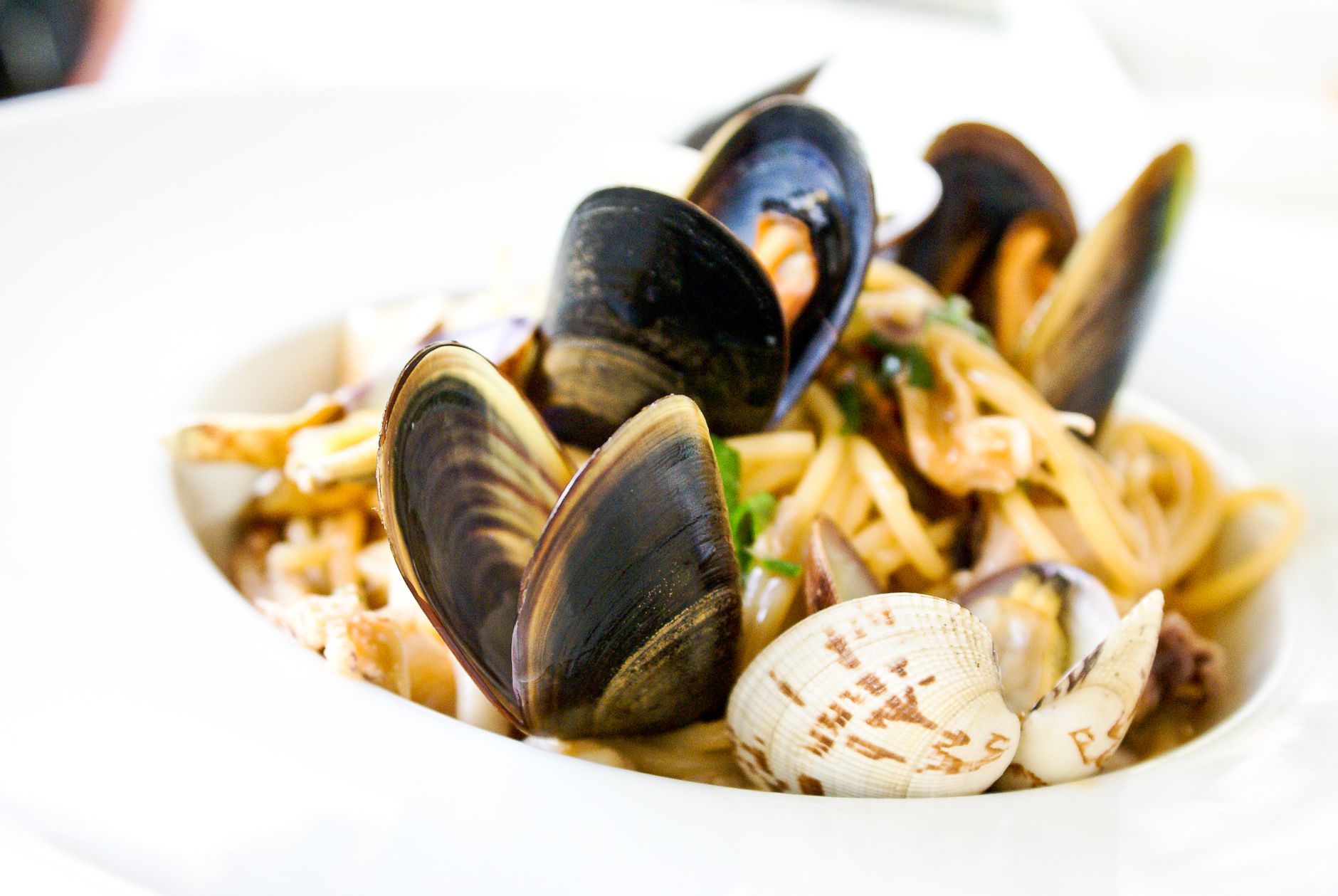
Clams tend to have a sweet, slightly briny taste with a firm but tender texture. The flavor is often described as clean with a mild ocean freshness. Mussels lean more towards a delicate, earthy flavor with pronounced brininess and juicy, tender meat that almost melts in your mouth.
When cooked right, clams offer a rich, satisfying bite, while mussels provide a lighter, silkier mouthfeel. Cooking methods influence these flavors considerably.
Which Has a Brinier or Sweeter Taste?
Mussels typically taste brinier think salty sea air in every bite. Clams are sweeter with a softer salt balance. If you prefer a clean, sweet flavor, clams might suit you better; for a savory, ocean-forward profile, mussels shine.
Cooking Method Impact
Steaming both clams and mussels preserves their natural juices and brininess. Frying or grilling can add smokier tastes, while soups and chowders enrich clams with creaminess, highlighting their sweetness.
How to Eat Clams and Mussels
If youre new to shellfish, heres how to enjoy clams and mussels safely and deliciously.
Whats the Best Way to Prepare Mussels?
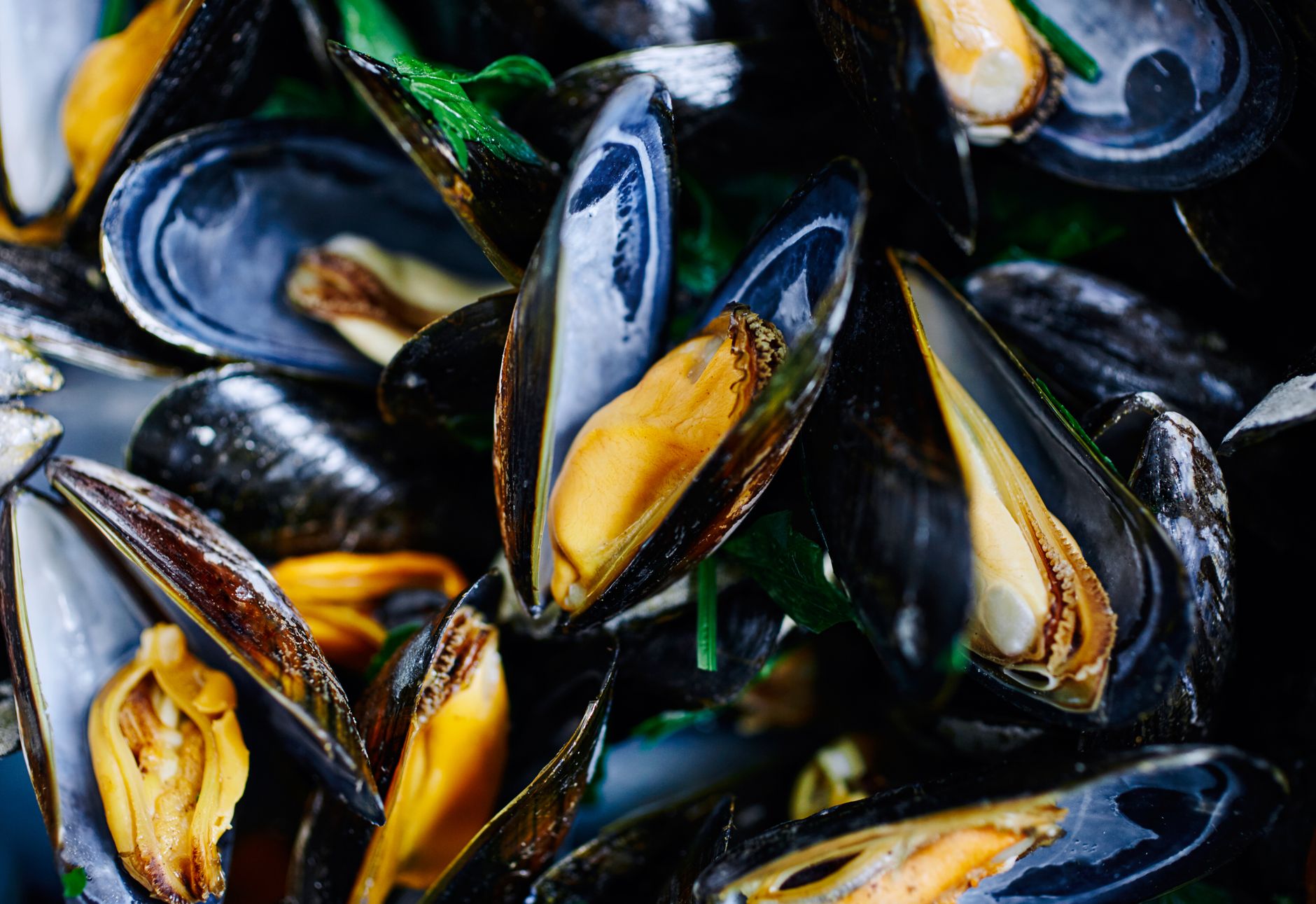
Start by rinsing mussels under cold water. Check for cracked shells and discard any open mussels that dont close when tapped theyre likely dead. Steam mussels with garlic, white wine, and herbs for about 57 minutes until shells open.
Mussel Cooking Tips
- Dont overcook; they turn rubbery quickly.
- Use fresh herbs like parsley and thyme to boost flavor.
- Save the cooking broth its perfect as a soup base or sauce.
How Should You Properly Clean and Cook Clams?
Clams need soaking in cold salted water for 2030 minutes to expel sand. Rinse thoroughly before cooking. Steam clams over medium heat for about 610 minutes, until shells pop open.
Popular Clam Dishes
- New England clam chowder
- Spaghetti alle vongole (clam pasta)
- Baked stuffed clams
Can You Substitute Clams for Mussels and Vice Versa?
Wondering if you can swap clams and mussels in your favorite recipes? Sometimes yes, sometimes no.
Are Clams and Mussels Interchangeable?
In many cases, they can be substituted especially in broths, soups, or pasta where the shellfish cooks quickly and serves as an accent flavor. Both bring salty, oceanic notes that suit similar recipes.
Risks or Downsides of Substitution
Because clams and mussels differ in cooking times and texture, substituting without adjustment can lead to overcooked or chewy bites. Mussels cook faster and have thinner shells, so clams may require longer simmering. Flavor nuances also differ; clams add subtle sweetness, whereas mussels fetch more saltiness.
Key Factors
- Texture: Clams firmer; mussels tender.
- Flavor impact: Clams sweeter; mussels saltier.
- Cooking times: Adjust to avoid toughness.
Inhaling the briny steam from a pot of steamed shellfish and curious about where to get fresh, certified products? You might want to check out how to order groceries online to find halal-certified and freshness-guaranteed shellfish in your area.
How to order groceries online offers tips on sourcing seafood safely, especially important when seeking halal-certified options.
Is the Difference Clams Mussels Important for Health?
Both clams and mussels are excellent sources of lean protein, omega-3 fatty acids, iron, and essential vitamins. Halal-certified options meeting standards from bodies like JAKIM or IFANCA ensure the products meet religious and quality requirements. They are generally low in calories and free from harmful additives, making them great choices for health-conscious diets.
| Certification | Price Range | Common Formats | Shelf Life | Key Allergens |
|---|---|---|---|---|
| JAKIM, HMC, IFANCA | $8 - $20 per lb | Fresh, frozen, canned | Fresh: 12 days on ice, Frozen: 36 months | Shellfish allergy |
Whats the Most Important Cleaning Tip?
Thoroughly rinsing under running water and soaking clams to remove grit is essential. For mussels, scrubbing shells and debearding improves cleanliness and reduces grit.
Can I Eat Raw Clams or Mussels Safely?
Raw shellfish can harbor bacteria or viruses. Cooking is recommended, especially for immunocompromised individuals. If consuming raw, ensure its from trusted, certified sources and very fresh.
How Can I Tell If Shellfish Is Fresh?
Fresh shellfish smell like clean seawater. Shells should be closed tightly or close when tapped. Avoid fishy or ammonia odors, which indicate spoilage.
Are There Halal Considerations When Buying Shellfish?
Yes, certifying authorities like JAKIM provide halal certifications ensuring the shellfish complies with Islamic dietary laws. Look for certification logos on packaging or ask sellers for verified sources.
What Is the Best Cooking Wine for Mussels?
Dry white wines like Sauvignon Blanc or Pinot Grigio complement mussels nicely, enhancing their briny flavor. For halal cooking, non-alcoholic substitutes like white grape juice or vinegar diluted with water work well.
Can I Freeze Clams and Mussels?
Yes, both freeze well. Fresh clams and mussels should be cleaned and stored in airtight containers, keeping frozen for 36 months without flavor loss. Thaw in the refrigerator before cooking.
How Do Cooking Times Differ Between Clams and Mussels?
Mussels typically cook in 57 minutes until shells open, whereas clams may take 610 minutes depending on size. Overcooking either can cause toughness.
Buying Tips for Clams and Mussels
One common mistake is opting for cheaper shellfish with unknown sourcing, which risks poor quality or expired products. Always check for certifications like JAKIM or HMC when seeking halal options.
Experts suggest buying live shellfish with tightly closed shells and a fresh sea smell. Avoid cracked shells or strong fishy odors. Buy from trusted suppliers who practice proper storage and hygiene.
Remember, cooking shellfish with fresh herbs and minimal seasoning highlights their natural flavors best. A light squeeze of lemon after cooking brightens the taste and complements the sweetness.
More You Might Like
Explore simple halal recipes featuring fresh seafood and wholesome ingredients at thucphamhalal.com. Discover tips on how to order groceries online to get certified, fresh clams and mussels delivered right to your door for convenience and safety. Or try our guide on Order groceries online for pickup to combine freshness with quick access.
Knowing the difference clams mussels not only helps you choose better products but also arms you with knowledge to prepare delicious, healthy meals. Next time you‘re shopping or cooking, look closely at the shell shape, taste profile, and cooking method. Your taste buds and health will thank you for it!
FAQs
Is Difference Clams Mussels actually Halal — what should I check on the label?
Yes, both clams and mussels can be halal if certified by recognized authorities like JAKIM or IFANCA. Check for official halal certification logos on the packaging or confirm with the supplier to ensure compliance with Islamic dietary laws.
What is the typical shelf life of clams and mussels after opening?
Fresh clams and mussels should be consumed within 12 days if kept on ice. When frozen, they can last up to 36 months. Once opened, it's best to cook and eat them immediately to maintain freshness and prevent spoilage.
How do clams differ from mussels compared to other shellfish like oysters?
Clams have rounder, thicker shells and a sweeter, milder flavor, while mussels have elongated, thin, dark shells with a saltier taste. Unlike oysters, both clams and mussels usually require cleaning to remove sand and grit before cooking.
Are clams and mussels safe to eat daily?
Yes, clams and mussels are nutritious and safe to eat daily in moderate amounts. They provide lean protein, omega-3s, and essential minerals. Always ensure they are fresh and properly cooked or certified safe if eaten raw to avoid foodborne risks.
Where is the best place to buy fresh, certified clams and mussels?
Buy from trusted seafood markets or reputable online grocers that supply halal-certified shellfish. Look for live shellfish with closed shells and a fresh sea smell. Checking certifications like JAKIM or HMC helps ensure quality and halal compliance.