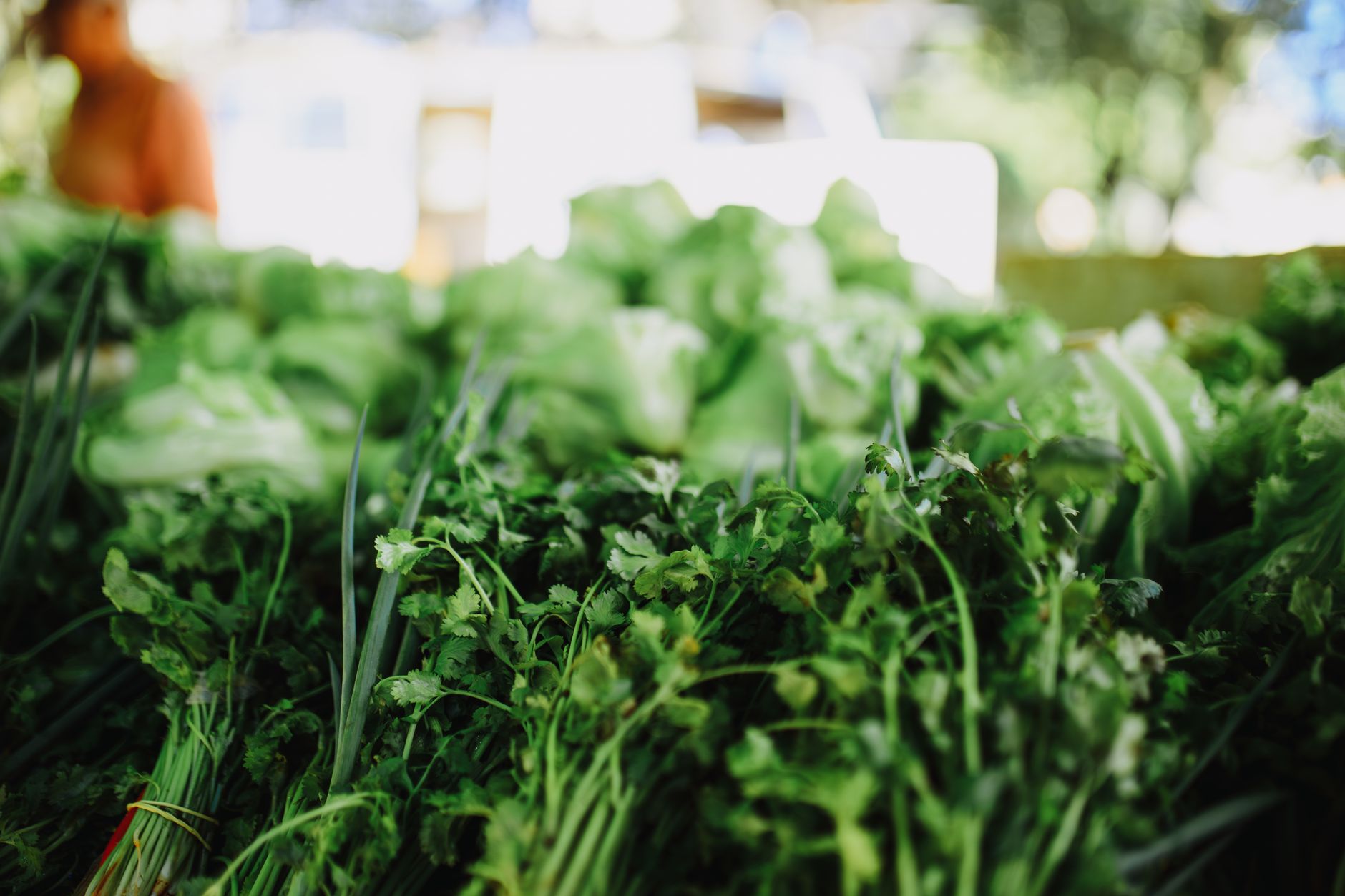
Running out of fresh cilantro but still want to add that signature herbal note to your dish? A dried cilantro substitute can come to the rescue. Although dried cilantro differs in flavor and texture from fresh, knowing the right way to use it can keep your recipes tasting delicious and balanced. Lets explore how to swap dried cilantro for fresh, what to expect, and smart tips to get the most from this handy pantry herb.
Fresh vs. Dried
What Changes When Cilantro Is Dried?
Dried cilantro is typically made by air-drying fresh leaves until the moisture evaporates. This process leads to a loss of the plants volatile essential oils, which are responsible for cilantros bright, citrusy aroma and taste. The texture also changesfrom crisp and leafy to brittle and flaky.
Because the drying removes most of the water content, the flavor concentrates, but the vibrant freshness weakens. Dried cilantro often has a milder, less sharp flavor and a slightly different aroma, leaning toward earthy rather than bright and green.
How Does Drying Affect Flavor Profile?
The drying process dulls the delicate notes of fresh cilantro. Instead of the sharp, slightly peppery taste, dried cilantro offers a more subtle nuance that can blend well in longer-cooked dishes but doesnt shine in raw preparations.
Drying Methods and Flavor Retention
Freeze-drying preserves more aroma and flavor than air-drying, but its less common and more expensive. If you come across freeze-dried cilantro, it will perform better as a substitute. Air-dried cilantro remains the typical option found in most grocery stores.
Using Dried Cilantro Instead
Cilantro Substitution Ratio
Because dried herbs are more concentrated by volume, the general rule is to use one-third the amount of dried cilantro as fresh. Put simply, replace 1 cup of fresh cilantro with about 1 tablespoon of dried. This keeps the flavor balanced without overwhelming the dish.
Remember, dried cilantro loses some flavor potency, so taking slight liberties with quantity can help. For example, using 1 to 1.5 tablespoons of dried cilantro for 1 cup of fresh cilantro is acceptable, depending on taste and recipe type.
Measurement Conversion Chart
| Fresh Cilantro | Dried Cilantro |
|---|---|
| 1 cup | 1 tablespoon |
| cup | 1 teaspoon |
| 1 tablespoon | teaspoon |
| 1 teaspoon | Pinch |
Tips for Cooking with Dried Cilantro
Dried cilantro works best when added during the early to mid stages of cooking, allowing it time to rehydrate and infuse the dish with flavor. Adding it too late often results in flat herb flavor. For dishes like soups, stews, or rice, stir in dried cilantro about 10-15 minutes before the end of cooking.
For cold or raw dishes, such as salads or guacamole, dried cilantro rarely achieves the fresh taste. In these cases, blending dried cilantro with a splash of citrus juice or fresh herbs can help mimic brightness.
Try substituting dried cilantro in tomato-based salsas or creamy dips, but balance with fresh lime juice or a pinch of fresh herbs if you have them.
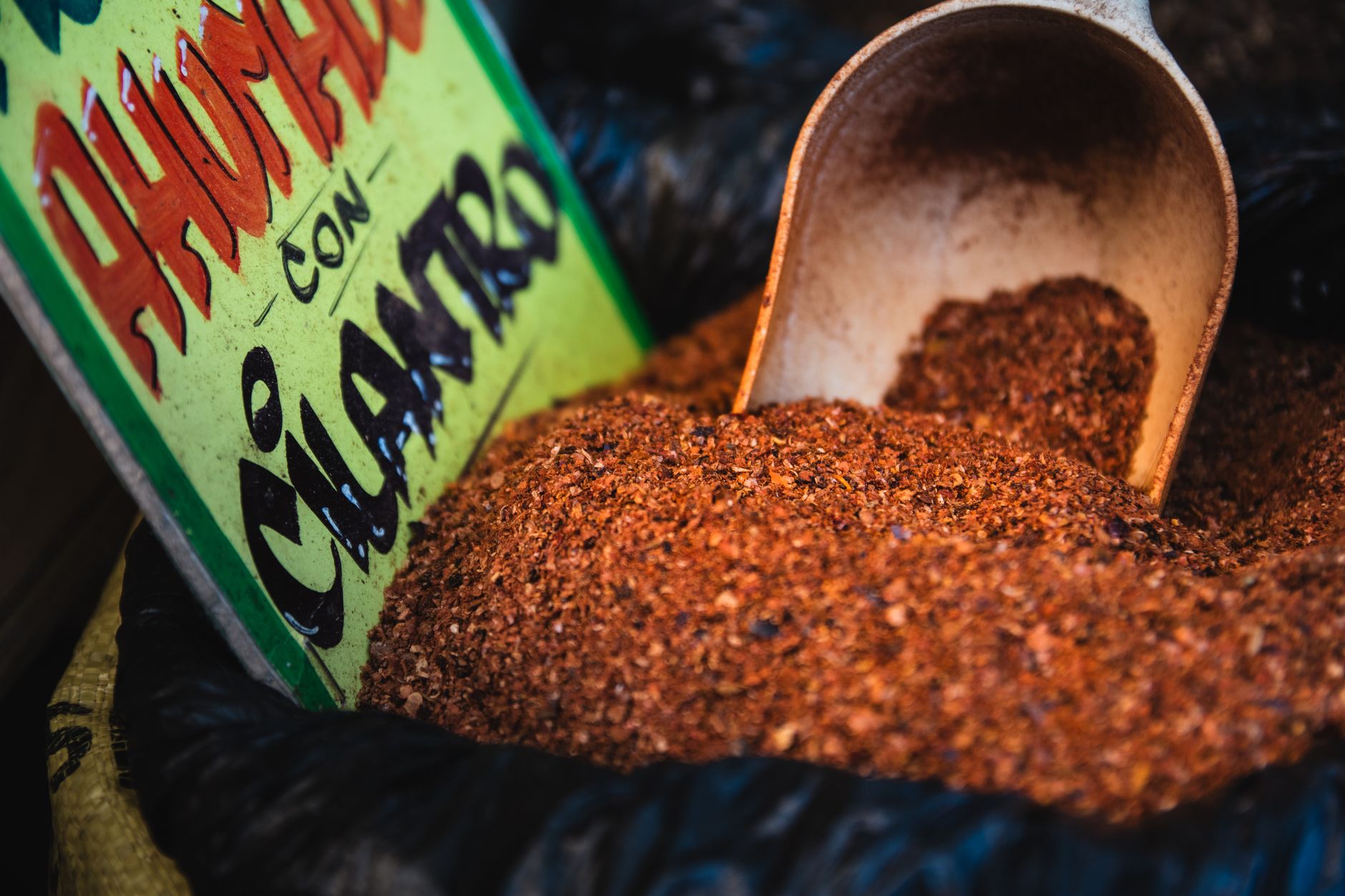
Cilantro Alternatives
Other Fresh Herb Substitutes
If dried cilantro isnt an option, fresh parsley is the closest textural substitute, offering a mild but fresh flavor. Fresh basil or fresh mint can also work, depending on the cuisine, each bringing its unique fragrance and bite.
Chopped fresh dill or culantro (a cilantro cousin popular in Latin American cooking) may also replace cilantro in some recipes. Remember that none matches cilantros exact flavoradjust your seasoning accordingly.
When to Use Dried Cilantro Over Other Substitutes
Dried cilantro shines as a convenient pantry staple with a long shelf life, ideal for slow-cooked dishes where fresh herbs arent needed. Its also handy when fresh herbs are unavailable due to season, cost, or halal certification concerns.
Pro Tip: Mimicking Freshness
Mix dried cilantro with freshly grated lemon or lime zest to add brightness and citrus notes. This blend approximates fresh cilantros zing, especially helpful in salads or seafood recipes.
These simple hacks can elevate your dried herb game, adding clean, fresh layers without extra shopping.

Advantages and Limitations
Benefits of Dried Cilantro
- Extremely long shelf life usually up to 1-3 years unopened when stored in airtight containers away from heat
- Convenient and ideal for quick pantry access
- Suitable for halal kitchens when certified, helping ensure dietary compliance
- Consistent availability regardless of season
Limitations of Dried Cilantro
- Milder flavor and loss of fresh aroma
- No leafy texture not suitable for dishes needing fresh herb crunch
- Overcooking can cause bitterness or dullness
- Doesn‘t replace fresh herb brightness in raw or lightly cooked dishes
When Dried Cilantro Falls Short
Salads, fresh salsas, and sandwiches usually demand fresh cilantro for vibrant flavor and texture. Using dried cilantro in these cases may disappoint. However, in cooked dishes like soups or rice pilafs, its a useful and practical substitute.
Maximizing Flavor with Dried Cilantro
How to Rehydrate Dried Cilantro
Soak dried cilantro in warm water or broth for 510 minutes before adding to cold dishes. This improves texture and helps release more flavor. Drain excess liquid and add gradually to judge taste.
Enhancing Flavor with Citrus and Fresh Herbs
Add fresh lemon or lime juice alongside dried cilantro to brighten the flavor. Pairing with fresh parsley or mint can also inject freshness that dried cilantro lacks on its own.
Cooking Mistakes to Avoid
- Adding dried cilantro too lategives weak flavor
- Excessive amounts causing bitterness
- Using dried cilantro in raw dishes without flavor boosters
By planning when and how to add dried cilantro, you ensure your dish benefits from its aroma without losing appeal.
Is dried cilantro actually Halal what should I check?
Yes, dried cilantro is naturally halal as its a plant product. However, for peace of mind, check if the product packaging includes trusted halal certification logos such as JAKIM, HMC (Halal Monitoring Committee), or IFANCA. This ensures no cross-contamination or non-halal additives occurred during processing.
When is the best time to use dried cilantro?
Dried cilantro is best used during cooking, especially in dishes that simmer for 10 minutes or more. Adding it early allows the herb to rehydrate and impart flavor fully. Its less suited for raw or garnish purposes.
Can I substitute dried cilantro directly in recipes calling for fresh?
Yes, but use one-third the amount of dried to fresh cilantro. Adjust quantities slightly based on taste, and consider combining with lemon zest or fresh herbs to compensate for flavor differences.
How should I store dried cilantro?
Keep dried cilantro in an airtight container, in a dark, cool place. Properly stored, it lasts up to 13 years. Avoid moisture and heat to maintain potency.
Does dried cilantro contain any allergens?
Dried cilantro itself rarely contains allergens. However, always check packaging labels for possible cross-contamination during production, especially if manufacturer information isnt clear.
Can dried cilantro substitute other fresh herbs?
Dried cilantros flavor is unique. While it may replace fresh cilantro, it generally does not substitute parsley, basil, or mint well. Use dedicated substitutes for those herbs.
Are there health benefits to dried vs. fresh cilantro?
Both forms offer antioxidants and vitamins, but drying reduces some nutrient levels. Fresh cilantro provides higher vitamin C and volatile oils beneficial for digestion and flavor, according to the USDA FoodData Central.
Expert Cooking Tips
One overlooked mistake when using dried cilantro is treating it like freshadding large amounts at the end of cooking. Instead, add dried cilantro earlier to coax out flavors gradually. Also, avoid overusing dried cilantro, as its bitterness can overpower.
For an expert upgrade, blend dried cilantro with a pinch of cumin or smoked paprika for richer, deeper herbal profiles. This trick works great in Middle Eastern or South Asian-inspired halal dishes.
Always taste as you go, adjusting dried cilantro quantities carefully. Since dried herbs can lose potency over time, substitute with freshly purchased herb blends whenever possible.
More You Might Like
Explore our guide on Best foods mayonnaise for creamy combinations in dips that pair perfectly with herbed dishes.
Looking for convenient online options? Check out Weee groceries for fresh halal produce and pantry essentials delivered to your door.

Conclusion
Using a dried cilantro substitute is a practical solution when fresh leaves arent available. Keep in mind to reduce the quantity by about two-thirds and add the dried herb during cooking to unlock flavor. Though the taste and texture differ, dried cilantro still brings a mild herbal touch. Next time you shop, check the halal certifications on dried herbs to ensure quality and compliance. Feel free to try these tips and share your favorite dried cilantro recipes or hacks in the comments below.
FAQs
Is Dried cilantro substitute actually Halal — what should I check on the label?
Yes, dried cilantro is naturally halal because it’s a plant product. For assurance, check the packaging for recognized halal certification logos such as JAKIM, HMC, or IFANCA to ensure no cross-contamination or additives during processing.
What is the shelf life of dried cilantro after opening?
When stored in an airtight container away from heat and moisture, dried cilantro can last about 1 to 3 years after opening, though flavor may gradually diminish over time.
How does dried cilantro compare to fresh parsley as an alternative?
Fresh parsley offers a similar texture and mild flavor but lacks cilantro’s distinctive citrusy notes. Use parsley as a substitute when dried cilantro isn’t available, adjusting seasoning to balance flavors.
Is it safe to consume dried cilantro daily?
Yes, dried cilantro is safe for daily consumption in typical culinary amounts. However, it contains fewer volatile oils and nutrients than fresh cilantro, so varied herb use is beneficial for a balanced diet.
Where can I buy quality dried cilantro with halal certification?
Quality dried cilantro with halal certification is available at specialty grocery stores, online halal food retailers, and major supermarkets. Always look for clear halal logos on packaging to ensure compliance.