SoBe drinks discontinued left many fans wondering what led to the end of this once-iconic beverage line. Known for its bold flavors and herbal-infused teas, SoBe captured the attention of the 90s and early 2000s generation. However, changing market trends, evolving consumer preferences, and strategic business decisions by PepsiCo ultimately led to the brand‘s quiet exit from most shelves. This article uncovers the reasons behind SoBes discontinuation, explores its legacy, and offers practical insights for fans and curious consumers alike.
Reasons for Discontinuation
Why Did PepsiCo Decide to End the SoBe Brand?
When looking at why SoBe drinks discontinued, the foremost reason revolves around PepsiCos evolving brand strategy. The beverage giant continuously reassesses its portfolio to focus on products with the highest growth potential. Over the years, SoBe‘s sales declined amid fierce competition from emerging health-conscious drink brands and energy drinks.
According to industry reports, the trend has shifted towards cleaner-label, low-sugar beverages with organic or natural ingredients. PepsiCo opted to allocate resources to expanding its flagship brands and newer launches targeting wellness trends. SoBe, with its sugary formulations and niche herbal branding, was gradually phased out despite a loyal fan base. This decision reflects typical corporate portfolio pruning, prioritizing profitability and market demand.
How Did Consumer Trends Impact SoBes Demise?
Consumer preferences shifted dramatically over the past decade. The rise in health awareness pushed shoppers toward drinks with reduced sugar and natural ingredients. SoBes flavor profiles, often sweet and herbal, fell out of step with the demand for sparkling waters, kombuchas, and functional beverages.
Furthermore, the proliferation of energy drinks and other functional beverages targeted at millennials and Gen Z overshadowed SoBes appeal. Marketing efforts also lost momentum as the SoBe brand struggled to connect with newer generations. All these factors combined made the brand less relevant in a crowded beverage space.
SoBe History & Legacy
What Made SoBe Drinks Popular in the 90s and Early 2000s?
SoBe emerged as a bold, adventurous beverage choice in the late 90s. Its unique blend of fruit flavors and herbal extracts like ginseng, guarana, and yohimbe set it apart. Packaging was vivid and eye-catching, appealing to youth culture hungry for something different from traditional sodas and juices.
The brand tapped into a growing interest in functional drinks well before the health boom. SoBes creative advertising and sponsorship of extreme sports rooted it firmly in 90s pop culture. Many consumers remember SoBe as more than a drinkan iconic symbol of that eras edgy, health-minded lifestyle.

Which SoBe Drinks Were The Most Iconic or Beloved?
Among the many flavors, SoBe Lifewater, SoBe Elixir teas, and SoBe Adrenaline Rush energy drinks stood out as favorites. Flavors like Dragonfruit, Lemon Ginger, and Berry infused with herbal extracts were buzzworthy. Limited edition offers, such as seasonal blends and specialty teas, kept the brand fresh for a time.
This diversity in products created a loyal fan base that still reminisces about these flavors. Unfortunately, most of these varieties are no longer in production, making them rare finds on resale platforms or specialty stores.
Availability Today
Are There Any SoBe Products Still Available on The Market?
Though SoBe drinks discontinued in most mainstream outlets, some legacy products linger in limited quantities. Occasionally, smaller retailers or online marketplaces carry expired or near-expiry stocks. Collectors and devoted fans actively search for these discontinued products, highlighting the lasting brand impact.
For those eager to try remaining SoBe drinks, checking specialty stores or online auction sites can be rewarding. However, always verify product freshness and ingredient lists if health-conscious or Halal compliance is a priority.
What Are PepsiCos Current Beverage Brands After SoBes Discontinuation?
Post-SoBe, PepsiCo focuses on expanding beverages like Bubly sparkling water, LIFEWTR premium water, and Aquafina flavors. The company also invests heavily in healthier alternatives and energy drinks that fit modern wellness narratives.
Compared to SoBes bold, sugary style, PepsiCos newer brands emphasize cleaner labels, low-calorie content, and natural ingredients. This shift aligns with growing consumer health awareness and global demand for functional drinks with transparent sourcing.
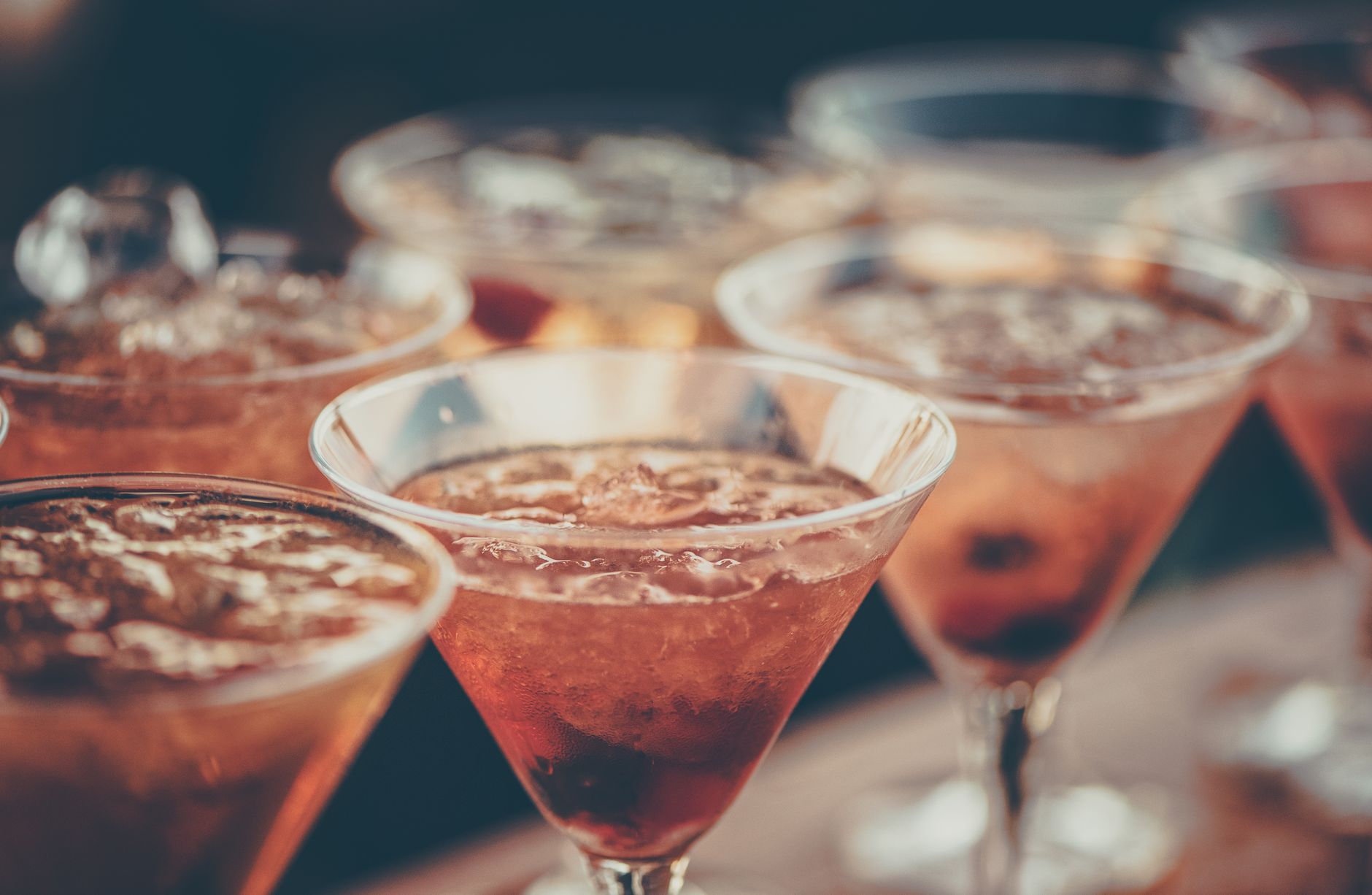
For cocktail enthusiasts, mixing up classics like the Bloody mary dirty martini or vibrant blends such as the Miami vice cocktail offers a colorful alternative to sugary sodas.
Health Aspects of SoBe Drinks
What Were the Health Benefits and Nutritional Aspects of SoBe?
SoBe drinks highlighted their herbal extract content, often including ingredients like ginseng, green tea extract, and vitamins B and C. These components were marketed as energy boosters and immune support. Such functional additives made SoBe appealing as an alternative to plain soft drinks.
According to USDA FoodData Central, some SoBe products provided a modest source of antioxidants and vitamins, which supported brand claims of wellness enhancement. These features attracted health-conscious consumers interested in an energizing but flavorful beverage option.
What Were the Concerns or Risks Associated with SoBe Drinks?
Despite functional ingredients, many SoBe drinks contained high sugar levelstypically between 20 and 30 grams per serving. This raised concerns about excessive calorie intake and blood sugar spikes, especially for those mindful of weight or diabetes.
The growing consumer push for low-sugar or sugar-free options eventually undermined SoBe‘s mass appeal. Additionally, some natural herbal extracts used had stimulant effects, which made certain consumers cautious. As a result, the market began favoring brands with cleaner, simpler ingredient decks and clear Halal certification standards such as those from JAKIM or IFANCA.

Industry Lessons from SoBe
How Do Changing Consumer Preferences Influence Beverage Brands?
SoBes story exemplifies how vital it is for beverage brands to adapt quickly to evolving tastes. As consumers seek healthier, transparent, and sustainable options, brands that fail to innovate risk being left behind. The rise and fall of SoBe underlines the need for continuous product development and effective marketing aligned with modern values.
What Lessons Can Other Discontinued Drink Brands Learn from SoBe?
Brands can learn that loyalty alone won‘t sustain success. Continuous reinvention, clear label standards, and responding to Halal certification demands can be pivotal. Sometimes, a phased discontinuation paired with reinvigorated new product lines serves company goals better than clinging to nostalgic products.
Innovation combined with transparency wins trust, especially in markets sensitive to dietary laws and health claims. One missed opportunity for SoBe was deeper integration into Halal and health-seeking consumer segments, where clear certification and clean labels are essential for purchase decision.
| Certification | Price Range | Common Formats | Shelf Life | Key Allergens |
|---|---|---|---|---|
| Typically None (Check for Halal certifications) | $1.50$3.00 per bottle | 16 oz bottles, cans | 12 months unopened | Sugar, herbal extracts (allergy-sensitive individuals should check) |
Is SoBe drinks actually Halal what should I check?
SoBe drinks did not carry widespread Halal certification historically. When considering beverage purchases for Halal compliance, always look for certification logos from bodies like JAKIM, HMC, or IFANCA. Examine ingredients closely for any animal-based additives or alcohol derivatives, which may compromise Halal status. Without a recognized Halal mark, its best to avoid or seek confirmation from the manufacturer.
What should I look for on SoBe product labels?
Labels typically list high sugar levels and herbal extracts. Prioritize looking for ingredient order; the first ingredients are the most prevalent. Watch for added sugars, preservatives, and artificial colors. Also, verify if vitamin content claims align with nutritional data. Labels with clear allergy warnings and certification marks increase trustworthiness, especially for Halal-conscious consumers.
How can I find discontinued SoBe drinks safely?
Look for reputable online marketplaces or specialty beverage stores with clear product descriptions and freshness dates. Avoid expired items or those without proper storage history. Joining fan groups or communities can help identify legit sellers. Also, verify ingredient lists if you have specific health or dietary needs.
Are SoBe drinks suitable for health-conscious diets?
Due to relatively high sugar content, SoBe drinks may not suit low-sugar or diabetic diets. However, the herbal extracts and vitamins provide some functional benefits. If you crave nostalgic flavors, consume in moderation and balance with water intake. Always check specific product nutrition before regular consumption.
Can SoBe flavors be recreated at home?
Yes, herbal teas infused with fruit concentrates and natural sweeteners can mimic SoBes unique taste. Using ingredients like hibiscus, ginseng, and guarana extracts allows crafting healthier homemade versions. This DIY approach can control sugar levels and ensure Halal-compliant ingredients.
What are good alternatives to SoBe drinks in todays market?
Modern alternatives include lightly flavored sparkling waters, organic herbal teas, and low-calorie functional drinks with verified Halal certification. Brands focusing on natural, clean-label profiles with reduced sugars cater well to health-conscious consumers. Exploring these helps satisfy flavor cravings aligned with todays wellness standards.
Why is Halal certification important for beverages like SoBe?
Halal certification ensures the drink complies with Islamic dietary laws, free from forbidden ingredients and cross-contamination. For beverages containing herbal extracts or additives, certification by recognized bodies like JAKIM or IFANCA guarantees consumers peace of mind. This certification strengthens brand trust, especially in diverse markets.
What is the most overlooked buying mistake with discontinued drinks?
The biggest mistake is neglecting to verify product freshness and ingredient authenticity. Discontinued drinks like SoBe may lose potency or spoil if stored improperly. Buying from unverified sellers without checking shelf life or authenticity can lead to health risks or disappointment.
What expert tip can improve my beverage choices?
Always prioritize clear certification marks and detailed nutritional labels. This simple step helps you avoid unwanted ingredients, ensures Halal compliance, and supports healthier choices. Combining label reading with consumer reviews gives a rounded view before purchase.
More You Might Like
If you enjoy exploring classic drinks, try mixing a Bloody mary dirty martini for a savory twist or indulge in a tropical blend with the Miami vice cocktail. Both recipes balance bold flavors with easy preparation, perfect for entertaining or relaxing at home.

SoBe drinks discontinued marks the end of a bold, flavor-packed chapter in beverage history. While it is nostalgic to look back, keep an eye on label details when shopping and explore newer alternatives that meet your health and Halal standards. Have your own SoBe memories or favorite discontinued drinks? Feel free to share your thoughts and keep the conversation going.
FAQs
Is SoBe drinks discontinued actually Halal — what should I check on the label?
SoBe drinks do not have widespread Halal certification. To ensure Halal compliance, check for certification logos from bodies like JAKIM, IFANCA, or HMC. Review ingredients carefully to avoid animal-based additives or alcohol derivatives. Without a recognized Halal mark, it is safer to avoid or seek manufacturer confirmation.
What is the shelf life of SoBe drinks after opening?
SoBe drinks typically should be consumed within 2 to 3 days after opening and kept refrigerated to maintain freshness and prevent spoilage. Always check the label for specific guidance, but prolonged storage can affect taste and safety.
How do SoBe drinks differ from common alternative beverages?
SoBe drinks featured bold, herbal-infused flavors and sweetness higher than most modern functional or low-sugar drinks. Unlike sparkling waters or organic teas, SoBe often had added sugars and herbal extracts, making it less aligned with today's health trends.
Is it safe to consume discontinued SoBe drinks regularly?
Due to their high sugar content and presence of stimulants, regular consumption of SoBe drinks is not recommended, especially for people with health concerns. Moderation and checking product freshness are key for occasional enjoyment.
Where can I find discontinued SoBe drinks for purchase?
You may find discontinued SoBe drinks through specialty beverage stores, online marketplaces, or collector groups. Always check product freshness, expiration dates, and seller reputation before buying to ensure quality and safety.