Ever wondered why some foods common in the US are nowhere to be found on European shelves? The list of foods banned Europe reveals surprising differences in food safety regulations. These bans arent just cultural preferencesthey often reflect stricter health and environmental standards. Knowing about these foods can help you shop smarter, especially if youre mindful about Halal options and health-conscious eating.
Why Are These Foods Banned?
What Are The Key Differences Between EU And US Food Laws?
Europe applies the "precautionary principle," meaning if a food ingredient might pose risks, regulators err on the side of safety, banning it until proven safe. The EUs regulatory watchdog, EFSA (European Food Safety Authority), conducts detailed safety assessments before approval.
In contrast, the US FDA (Food and Drug Administration) adopts a risk-based approach. Ingredients are allowed unless clear evidence shows harm. This often leads to US foods containing additives banned in Europe.
How Do Cultural Attitudes Influence Food Bans?
European consumers demand high food quality and transparency. This cultural sensitivity drives policymakers to prioritize public health and environmental sustainability. European bans often reflect consumer concerns about long-term effects, even if short-term risks arent proven.
For example, Europeans are cautious about synthetic additives and hormones, which influences their food standards more than in the US.
13 Foods Banned Europe
Azodicarbonamide (Bread Additive)
Used as a dough conditioner in the US, azodicarbonamide is banned in Europe due to links with respiratory issues and potential carcinogens during baking. US bread may still contain trace amounts, but many prefer to avoid it, especially if you follow Halal-certified bakeries that emphasize clean-label ingredients.
Brominated Vegetable Oil (BVO)
BVO stabilizes citrus-flavored drinks in the US but is banned in Europe due to concerns over bromine buildup in body tissues, which can affect the nervous system. If you enjoy beverages, scan labels carefully; Halal certification bodies like IFANCA ensure safer formulations.
Butylated Hydroxyanisole (BHA) & Butylated Hydroxytoluene (BHT)
These preservatives extend shelf life in snacks and cereals but face bans or restrictions in Europe over potential cancer risks. While the US allows limited amounts, some brands avoid them for a natural appeal aligned with health trends.
Olestra (Fat Substitute)
Olestra reduces fat in snacks but causes digestive discomfort and nutrient absorption issues. Europe banned it as precaution; the US still permits it with warning labels. If youre looking for healthier snack options, check for Halal-certified brands that avoid controversial additives.
Palm Oil in Baby Foods
Europe restricts palm oil use in infant formulas due to nutritional concerns, notably affecting calcium absorption. The US has no such ban. Parents choosing Halal baby foods benefit from products avoiding palm oil or sourcing sustainable certified options.
Potassium Bromate
Used to strengthen dough, potassium bromate is banned Europe-wide as a probable carcinogen. Despite US allowances, many Halal-certified products avoid this additive, reflecting a commitment to safety and purity as defined by JAKIM Halal certification standards.
Propylparaben (Preservative)
This paraben family preservative faces restrictions in Europe due to hormone disruption potential. The US still permits its use in limited food items. Halal-conscious consumers might prefer products certified by HMC that typically avoid parabens alongside other synthetic preservatives.
Ractopamine (Animal Feed Additive)
Ractopamine promotes leaner meat but is banned in Europe over animal welfare and human safety concerns. Its commonly used in US pork and beef production. Halal certified meats generally exclude ractopamine, especially when certified by IFANCA or JAKIM, ensuring cleaner meat sources.
Recombinant Bovine Growth Hormone (rBGH)
rBGH boosts milk production but is banned in Europe because of animal welfare and possible antibiotic residue concerns. The US still allows it. If dairy matters to you, look for Halal milk brands explicitly stating rBGH-free to ensure ethical and clean dairy choices.
Titanium Dioxide (Food Coloring)
Widely used as a white pigment, titanium dioxide was recently banned as a food additive in Europe over nanoparticle safety questions. The US continues to permit it. You can identify safer products by checking labels for certification logos and avoiding processed foods heavy in artificial colors.
Yellow Dye 5 and Yellow Dye 6
These synthetic colorants face strict EU limits due to allergies and links to hyperactivity in children. The US allows broader use, sometimes leading to unexpected exposure. Many Halal-certified snack brands avoid artificial dyes, promoting cleaner ingredient lists.
Consumer Impact
Are These Foods Dangerous Or Just Cautious Regulation?
European bans often stem from the precautionary principlenot absolute proof of harm. The US regulation waits for concrete evidence before banning. This means some banned foods might not cause immediate danger but raise enough concern to avoid.
How To Spot These Ingredients On US Labels
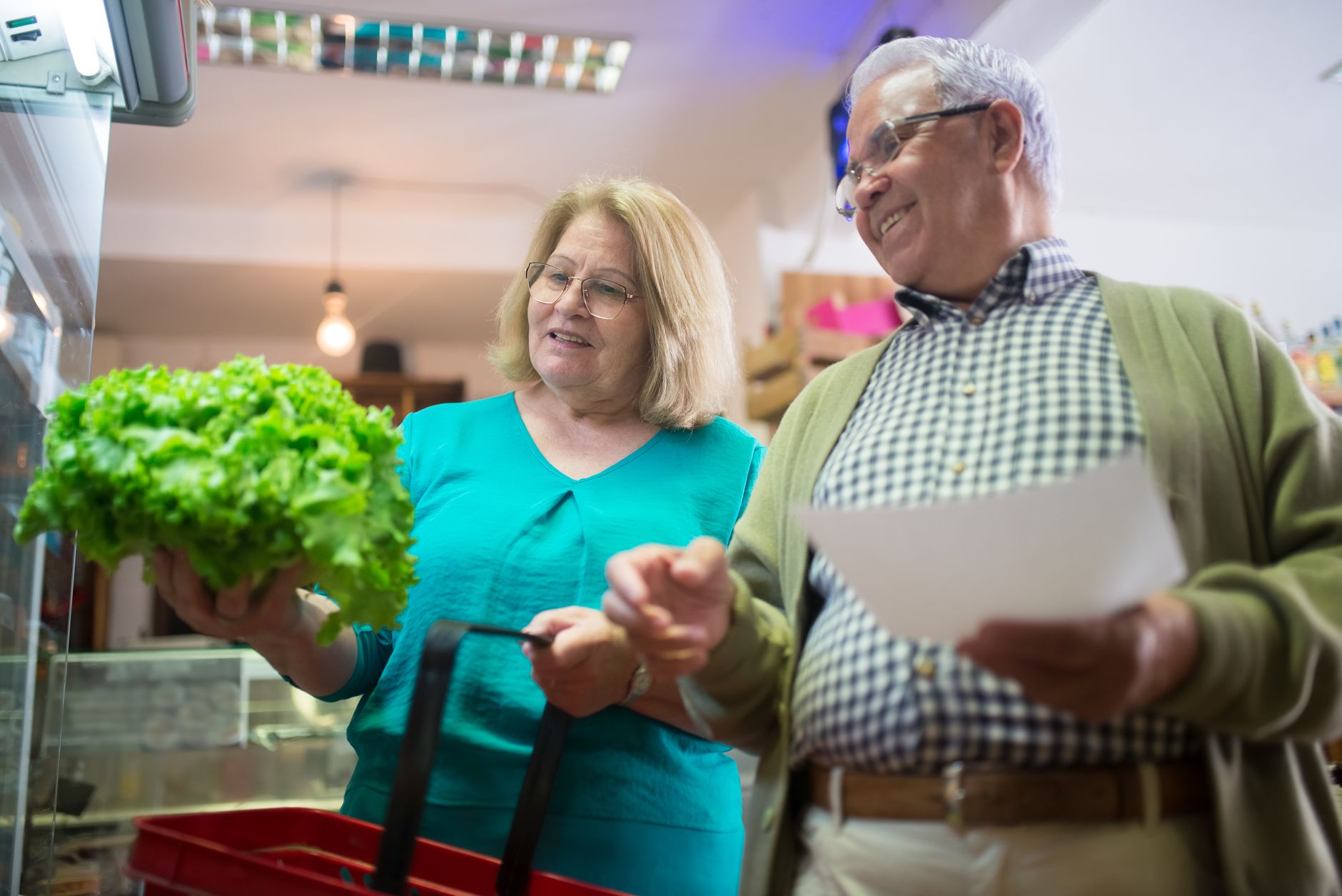
Scan labels carefully, focusing on ingredient orderthe first few ingredients make up most of the product. Watch for additives like potassium bromate, BVO, or titanium dioxide. Many Halal-certified products feature clear label claims and trusted logos such as JAKIM, HMC, or IFANCA.
Should You Avoid These Ingredients?
Moderation and personal sensitivity matter most. If you have allergies or health concerns, its wise to avoid additives flagged in Europe. Otherwise, balance your diet and rely on Halal-certified, clean-label products that often exclude controversial ingredients.

US vs Europe Food Policies
Why The US Allows These Ingredients
US regulations involve industry input and a risk-based system, which can delay bans. Economic factors and vast domestic food production also influence decisions. However, consumer demand for transparency is pushing change.
How Europe Influences Global Standards
European bans often set global trends, influencing import rules worldwide. Producers aiming to export to Europe reformulate products, indirectly raising standards elsewhere. For Halal producers, aligning with European standards often means cleaner, safer foods recognized internationally.
Could The US Ban These Next?
Trends show growing scrutiny in the US food system. Consumer awareness, advocacy, and new research may prompt stricter regulations. Meanwhile, pursuing Halal certification with stringent quality checks offers assurance youre avoiding dubious additives and promoting health.

Is foods banned Europe actually Halal what should I check?
Food bans in Europe and Halal certification overlap when it comes to safety and ethical processing. Check for Halal certification logos from JAKIM, HMC, or IFANCA, which ensure the product meets religious and health standards. Always verify the ingredient list for additives that might conflict with Halal rules.
Are foods banned Europe unhealthy by default?
Not always. Some banned foods are flagged due to precaution, not confirmed danger. However, many additives linked to allergies or cancer risks do suggest caution. Selecting Halal-certified products often steers you clear of the riskiest ingredients.
Can I find European products in the US without banned foods?
Yes. Many European imports comply with their own strict laws, offering safer additive profiles. Look for labels stating country of origin or European Union certification marks, and opt for Halal-certified brands, especially for meat and baby foods.
Do foods banned Europe affect taste or nutrition?
Some banned additives impact texture, shelf life, or appearance, but many have little effect on taste or nutrition. Choosing natural, Halal-certified products often means cleaner, more wholesome flavors and healthier nutrient profiles.
How do Halal certifications handle additives banned in Europe?
Halal bodies assess both religious compliance and food safety. Many exclude questionable additives, especially those banned Europe-wide, to align with the highest standards of purity and consumer trust.
Are there alternatives to banned ingredients in halal-certified foods?
Yes. For example, natural preservatives replace BHA/BHT, and sustainable palm oil substitutes reduce environmental impact in baby foods. Halal-certified manufacturers often invest in clean-label innovation.
What should I know about labeling to avoid banned ingredients?
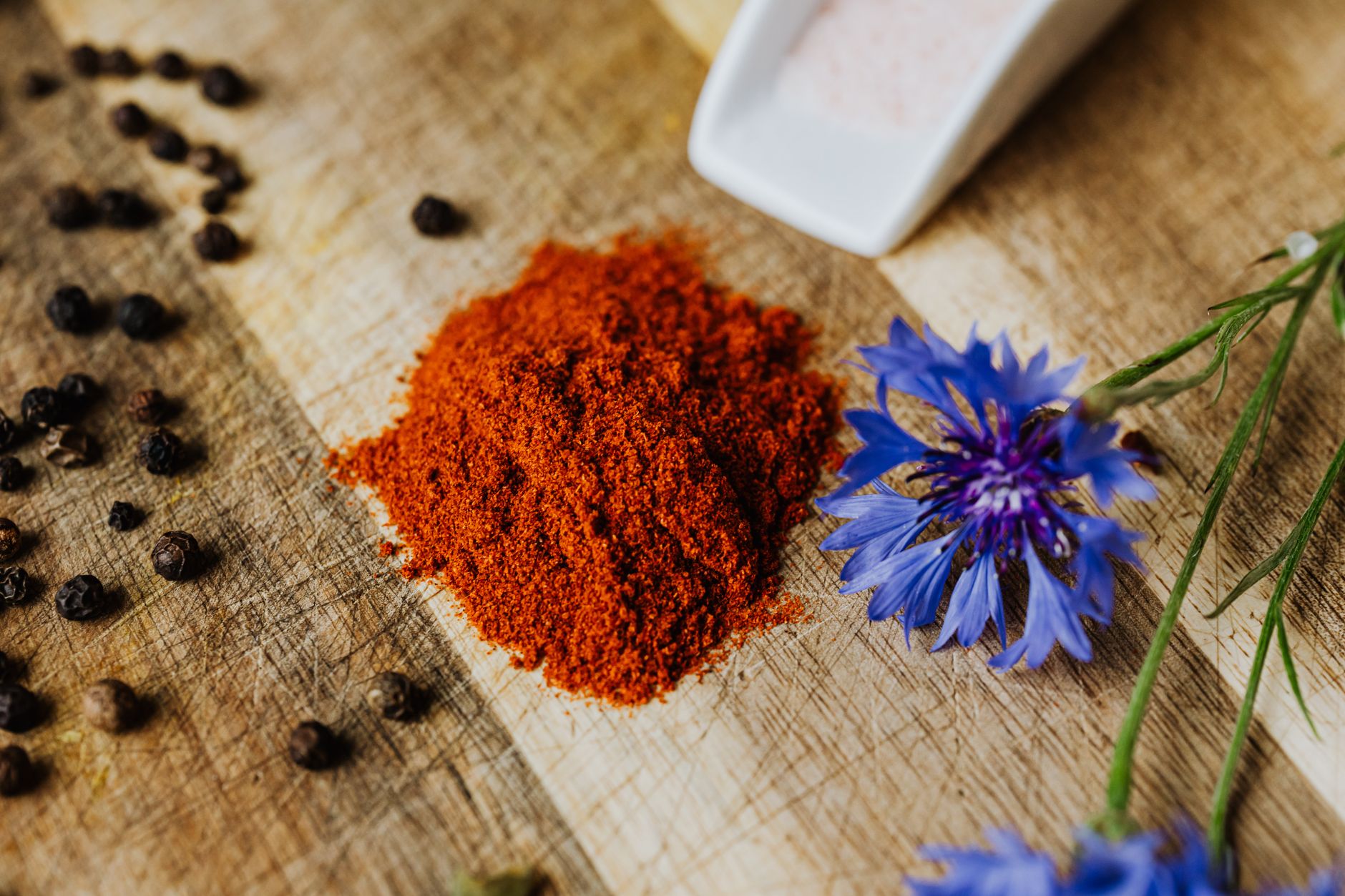
Ingredients are listed by weight, so early-listed additives dominate. Avoid unfamiliar chemical names and look for trusted certification logos. A well-placed salt cellar analogy helps: check carefully what you add to your food labeling is your guide.
Does the EU ban affect Halal snack products?
Many Halal snack producers avoid banned additives to meet both religious and health-conscious demand. This results in products free from controversial colorings like Yellow Dye 5 and 6, ensuring safer options for families.
What role does consumer demand play in ingredient bans?
Consumer preference for natural and transparent foods pressures companies and regulators alike. In Europe, this has led to bans; in the US, it encourages voluntary reformulation and Halal producers to prioritize safer formulations.
What You Might Like
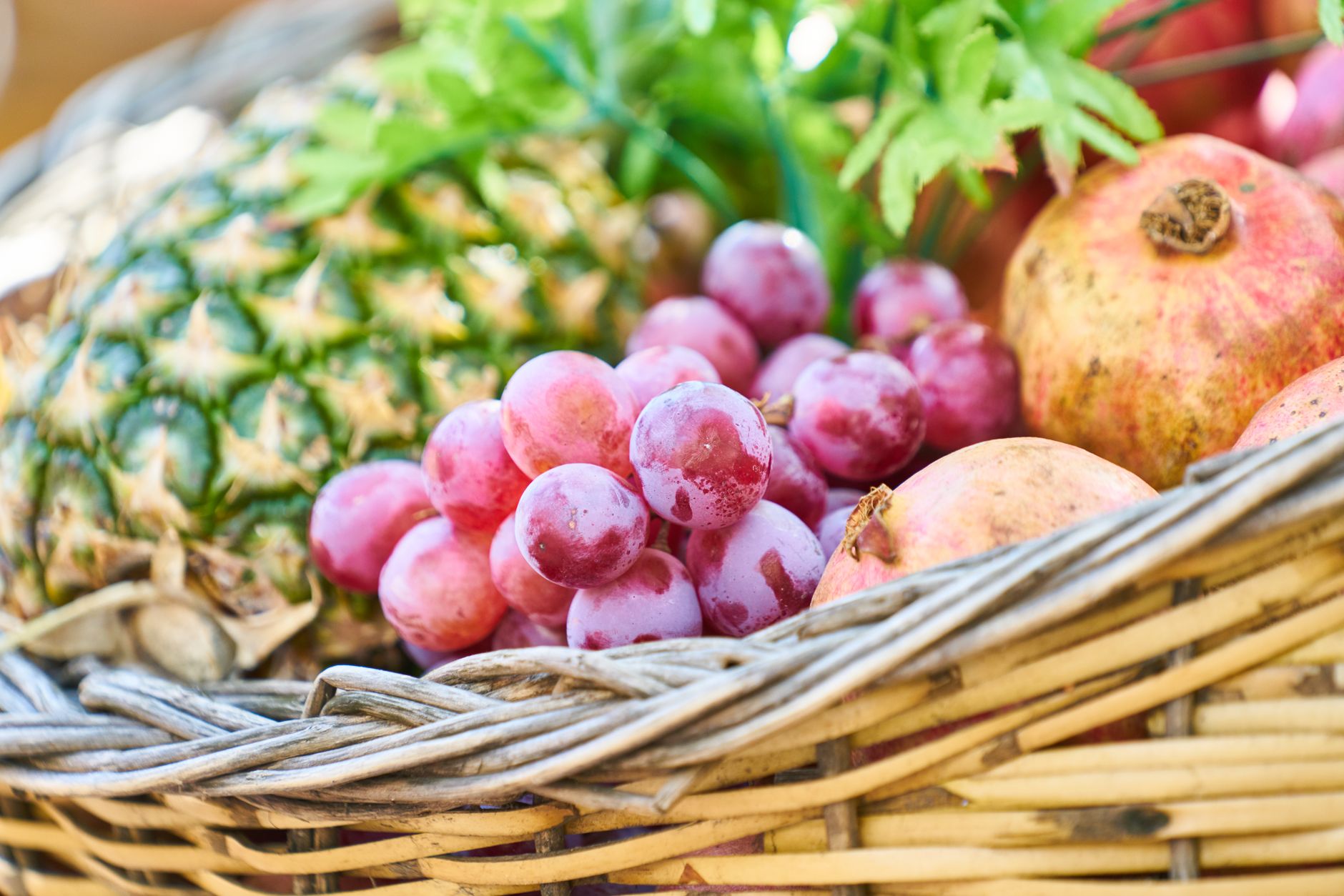
Explore how understanding your Salt cellar a simple yet powerful kitchen tool can enhance your cooking control. Also, discover the health benefits and delicious uses of Ripe pineapple for snacks that align with your clean-eating goals.
Conclusion
The list of foods banned Europe highlights a more cautious, health-first food safety philosophy compared to the US. Being aware of these differences empowers you to choose wisely, especially when seeking Halal-certified, health-conscious products. Next time you shop, check labels and certificationsyour body and values will thank you.
FAQs
Is foods banned Europe actually Halal — what should I check on the label?
Many foods banned in Europe overlap with Halal standards due to safety and ethical processing. Check for trusted Halal certification logos like JAKIM, HMC, or IFANCA, and review the ingredient list for any additives that may conflict with Halal rules.
Are these banned ingredients harmful or just regulated cautiously?
European bans often use the precautionary principle, meaning some ingredients are banned as a safety measure even without conclusive proof of harm. This contrasts with more risk-based US regulations.
How can I identify banned ingredients on product labels in the US?
Look closely at the ingredient list, especially the first few components, for names like potassium bromate, brominated vegetable oil, or titanium dioxide. Halal-certified products often clearly state avoiding these additives.
Are there safer alternatives to banned ingredients in Halal-certified foods?
Yes, Halal manufacturers often use natural preservatives and sustainable substitutes to replace banned additives, supporting cleaner ingredient lists and better environmental practices.
Do foods banned in Europe affect taste or nutrition compared to allowed products?
Many banned additives influence texture, shelf life, or appearance but have minimal impact on taste or nutrition. Choosing natural, Halal-certified products often provides a cleaner, wholesome flavor profile.