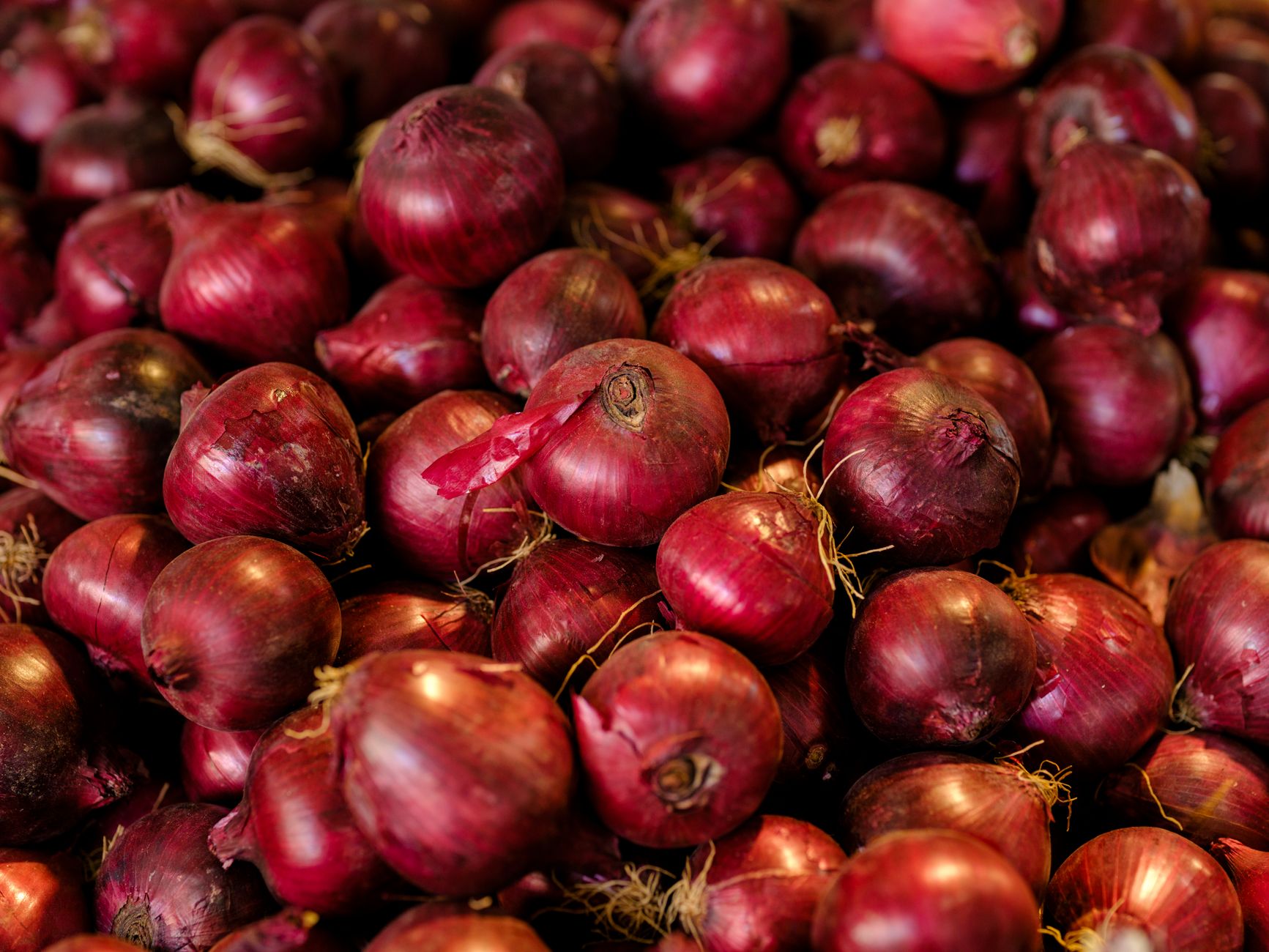
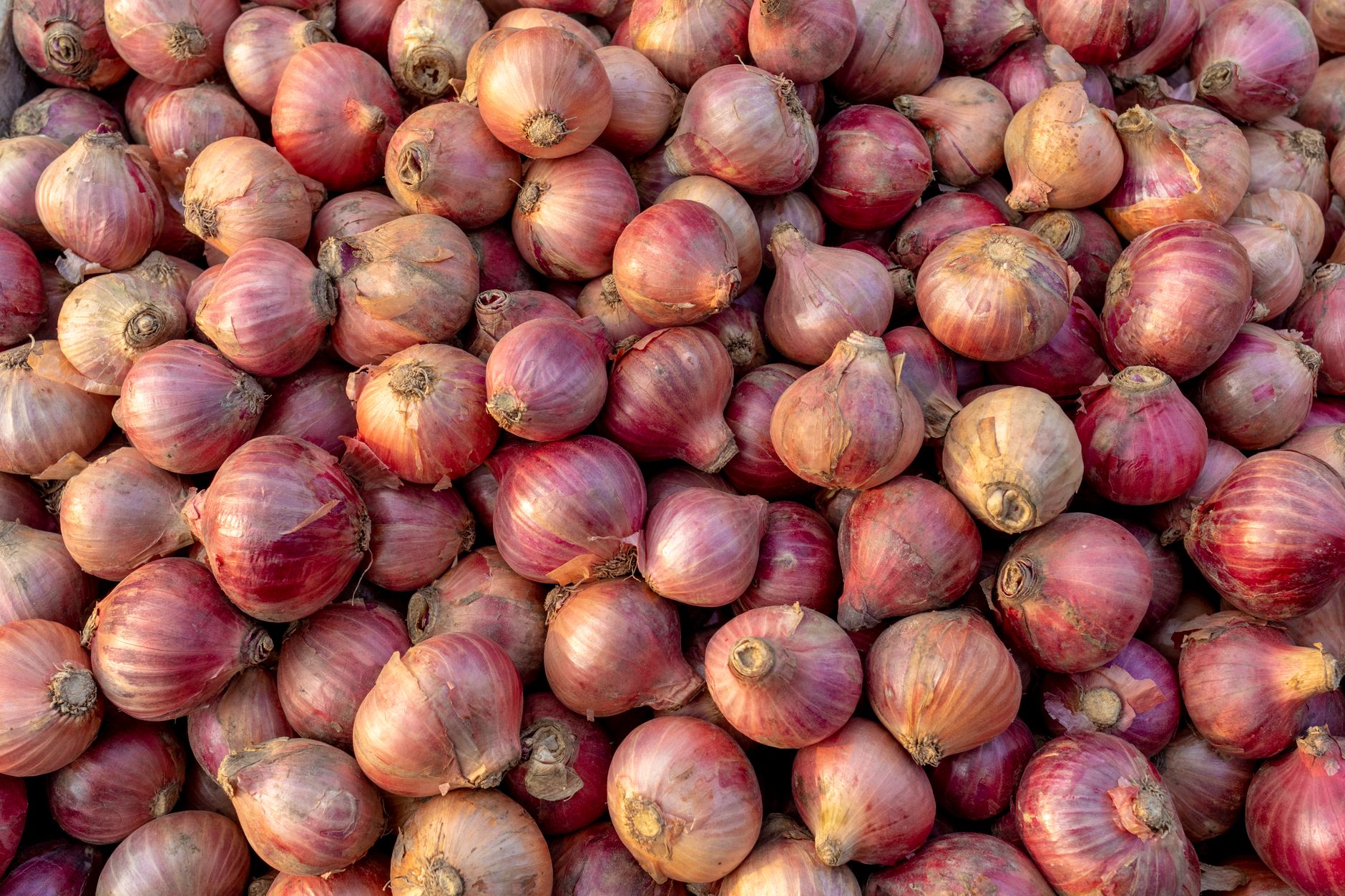
Have you ever wondered why red onions, with their vibrant purple skin and flesh, arent called purple onions? The red onions meaning is a curious blend of history, science, and language. Despite their clear purple hue, these onions carry the red name because of old color classifications and how we perceive color in certain vegetables. Exploring this quirky yet practical naming helps us appreciate both languages evolution and these tasty onions unique qualities.
Color and Language
Why Are Red Onions Purple But Called Red?
The term red onion dates back centuries when the words used for colors were broader and less precise than today. Historically, the color red covered a range of hues that included what we now call purple. Several European languages grouped blue, purple, and red under one umbrella term or shared descriptors reflecting this overlap.
Scientifically, the color of red onions comes from anthocyanins natural pigments that produce reds, purples, and blues in plants depending on pH levels. This means the purple shade can vary, sometimes leaning more red or deep violet. Because this pigment group was historically linked with red tones, the red onion label persisted.
This naming is similar to other vegetables and fruits where color terms dont match modern strict color definitions. Its a case where linguistic tradition blends with plant chemistry, and the name just stuck. Youll find this useful knowledge next time youre picking onions at your local Halal market or considering nutritional benefits tied to those purple pigments.
What is the Actual Color of Red Onions?
| Onion Variety | Typical Outer Skin Color | Inner Flesh Color |
|---|---|---|
| Red Onion | Deep purple with reddish undertones | Purplish-white |
| Yellow Onion | Golden yellow-brown | White to pale yellow |
| White Onion | Pure white | White |
| Sweet Onion (e.g., Vidalia) | Light yellow-brown | White |
Lighting conditions and even soil acidity can influence the hues intensity, sometimes making red onions appear more reddish or bluish. In grocery stores or farmers markets offering Halal-certified produce, you might spot subtle differences reflecting this variation.
Red Onion Facts
What Are Red Onions Used For?
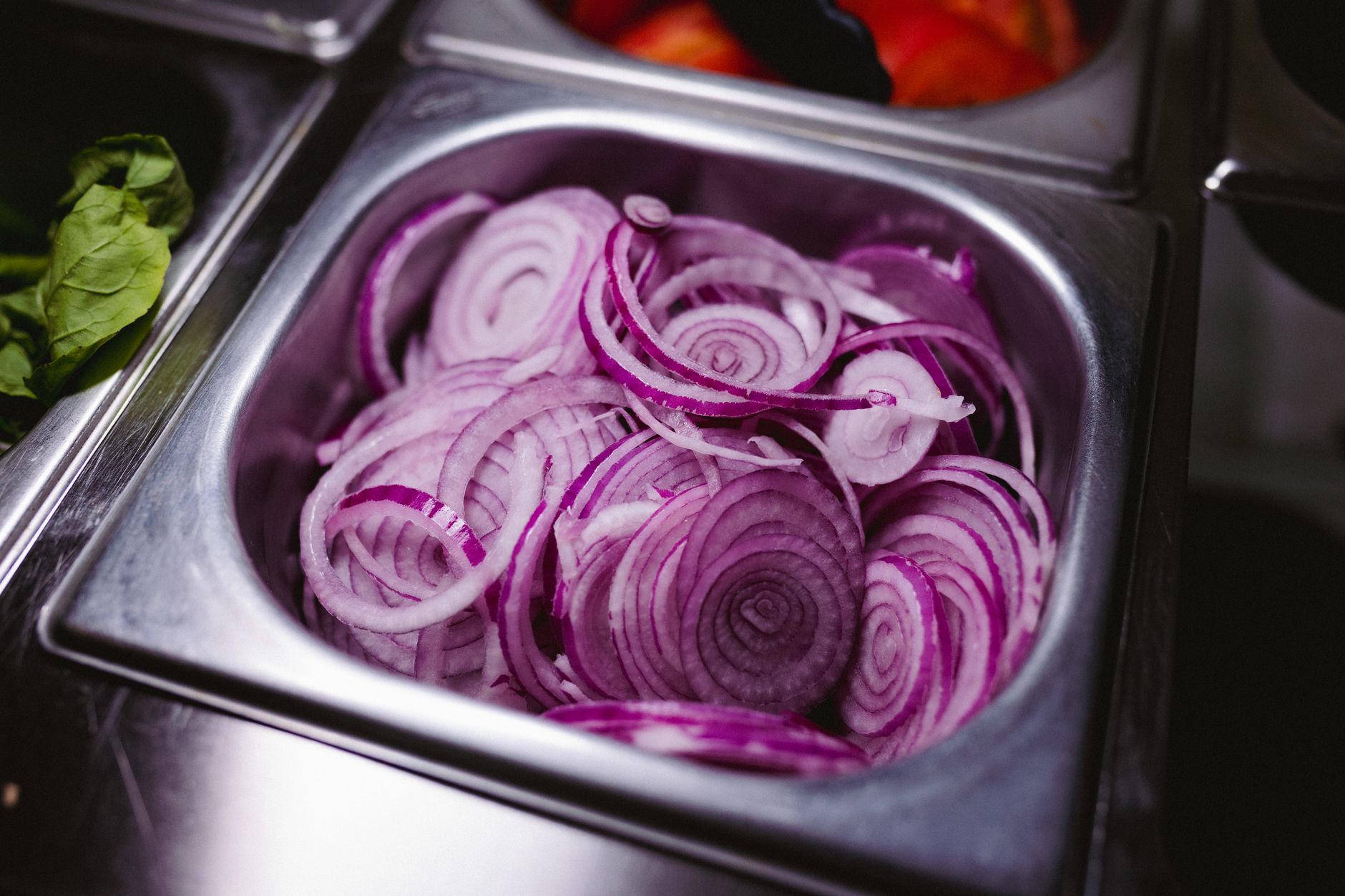
Red onions are prized for their mild but zesty flavor and crisp texture. Their vibrant color adds visual appeal to salads, sandwiches, and salsas. Theyre also great when grilled or roasted, where their natural sugars caramelize beautifully.
In Halal cooking, red onions are a versatile staple, perfect for dishes requiring a balance of sharpness and sweetness. Their color remains intact even after cooking, lending a subtle purple tint that enhances dish presentation.
Nutritionally, red onions provide important antioxidants, vitamins, and minerals. Their anthocyanins contribute to the antioxidant content, which may support heart health and reduce inflammation according to studies referenced by the USDA FoodData Central.
Are Red Onions Healthier Because of Their Color?
The purple pigments arent just for looks. Anthocyanins in red onions act as antioxidants that help fight oxidative stress in the body. Research suggests these compounds can contribute to reducing blood pressure and improving cholesterol levels.
However, red onions are not a miracle food. While offering nutritional benefits, they should be part of a balanced diet. Some people may experience digestive sensitivity or allergic reactions to onions, so moderation is key.
Interesting Red Onion Facts You Didnt Know
- Red onions have been cultivated for thousands of years and were prized by ancient civilizations for both food and medicinal use.
- The color intensity is a natural indicator of antioxidant levelsthe deeper the purple, the higher the anthocyanin content.
- They remain popular in Middle Eastern and South Asian Halal dishes for their color and flavor.
- Red onions sulfur content contributes to their distinctive taste and potential cardiovascular benefits.
Name Origins
When Language Meets Color: How Names Stick
Color naming often lags behind scientific understanding. Red onion is a phrase more about tradition than precision. Language shapes food perception, and standardizing color names isnt always practical for everyday consumers.
For example, many foods like pink salmon or black garlic show variance between the name and exact shade. Red onions name remains because its familiar and reliableconsumers know what to expect.
Has the Term Red Onion Evolved?
Looking at historical records, red onion has been the dominant term for these bulbs since at least the 16th century. Farmers, merchants, and chefs passed down the name, making it hard to change even as color knowledge grew.
Marketing and packaging also reinforce this naming. Food companies use the trusted red onion term to attract shoppers who easily identify the product. Its a great example of how consumer habits influence food language.
Could Purple Onion Ever Replace Red Onion?
While purple onion might be more color-accurate, marketing studies suggest consumers prefer familiar names with emotional connections. Changes in food labeling can confuse shoppers and affect buying habits. So, its unlikely the red onion name will be replaced anytime soon.
The takeaway? Sometimes tradition wins over technical accuracy, especially in food culture.

Is red onion actually Halal what should I check?
Red onions are naturally Halal as they are a vegetable, but ensure any processed or packaged onion products carry trustworthy Halal certifications. Look for certification logos from bodies like JAKIM, HMC, or IFANCA on labels, especially for convenience foods or pre-cut onion products. This confirms compliance with Halal dietary laws.
How should I store red onions for best freshness?
Store red onions in a cool, dry, and well-ventilated place away from direct sunlight. A pantry or mesh bag works well. Keep them separate from potatoes to avoid moisture buildup. Proper storage keeps red onions fresh for 34 weeks.
Can red onions be eaten raw safely?
Yes, red onions are safe and delicious raw. Their milder flavor and crunchy texture make them ideal for salads and sandwiches. Just rinse and peel properly before use, especially when buying loose or unpackaged onions.
Do red onions lose nutritional value when cooked?
Some antioxidant anthocyanins degrade with heat, but cooking red onions still preserves many nutrients and enhances their sweetness. Roasting or grilling deepens flavor but reduces some vitamin C content. Light cooking best preserves benefits.
Are red onions a good choice for low-sodium diets?
Absolutely. Red onions naturally contain negligible sodium, making them excellent for heart-healthy or low-sodium diets. They add flavor without increasing sodium content.
What dishes highlight red onions color and taste?
Red onions shine in salads, guacamole, kebabs, pickles, and sandwiches. Their color pops in fresh salsas, while their flavor complements grilled meats and seafood. They also add a colorful touch to Middle Eastern and Mediterranean dishes popular among Halal eaters.
How to save money on groceries while buying quality onions?
Buy red onions in season or in bulk to reduce costs. Choose firm bulbs with dry skins for better shelf life. Compare prices and look for deals, especially at stores known for Walmart groceries. Planning and shopping smarter helps stretch your food budget.
What is the best way to cut red onions without tears?
Use a sharp knife to reduce cell damage and tear-causing sulfur release. Also, chilling onions in the fridge for 30 minutes before cutting helps minimize eye irritation. Cutting near an open window or under running water can reduce tears further.
Pro tip for cooking with red onions
For a balanced flavor, saut red onions on medium heat for 57 minutes until translucent but not browned. This unlocks their natural sweetness without overpowering the dish. Adding a pinch of salt early helps draw out moisture and enhances taste.
More You Might Like
If you want to explore more food budgeting tips, check out our guide on how to save money on groceries. Also, if youre shopping for diverse food brands and items, our post on Walmart groceries offers useful insights on product variety and certification.
Conclusion
The red onions meaning is more than just a color label; its a blend of history, culture, and science. Despite their unmistakable purple shade, the name red onion has stuck because of longstanding language traditions and natural pigment chemistry. Knowing this makes your next meal or shopping trip more interesting and informed. Next time you pick up these delicious bulbs, take a moment to appreciate the story behind their nameand enjoy their rich flavor and nutritional benefits.
FAQs
Is red onions meaning actually Halal — what should I check on the label?
Red onions are naturally Halal since they are vegetables. However, for processed or packaged onion products, check for Halal certification logos from recognized bodies like JAKIM, HMC, or IFANCA to ensure they comply with Halal dietary laws.
How long do red onions stay fresh after opening?
When stored properly in a cool, dry, and ventilated place, whole red onions can last 3–4 weeks. Once cut, wrap them tightly and refrigerate; they typically stay fresh for 7–10 days.
What is the difference between red onions and yellow onions?
Red onions have a milder, slightly sweeter taste and purplish color, while yellow onions are sharper and more pungent with a golden skin. Red onions are often eaten raw for their color and crunch, while yellow onions suit cooking.
Are red onions safe to eat daily?
Yes, red onions are safe for daily consumption and provide antioxidants and nutrients. However, some people may experience digestive sensitivity or allergies, so eating in moderation is recommended.
Where is the best place to buy quality red onions?
Buy red onions fresh at local farmers markets, grocery stores, or Halal-certified food shops. Purchasing in season and choosing firm bulbs with dry skins ensures better quality and longer shelf life.