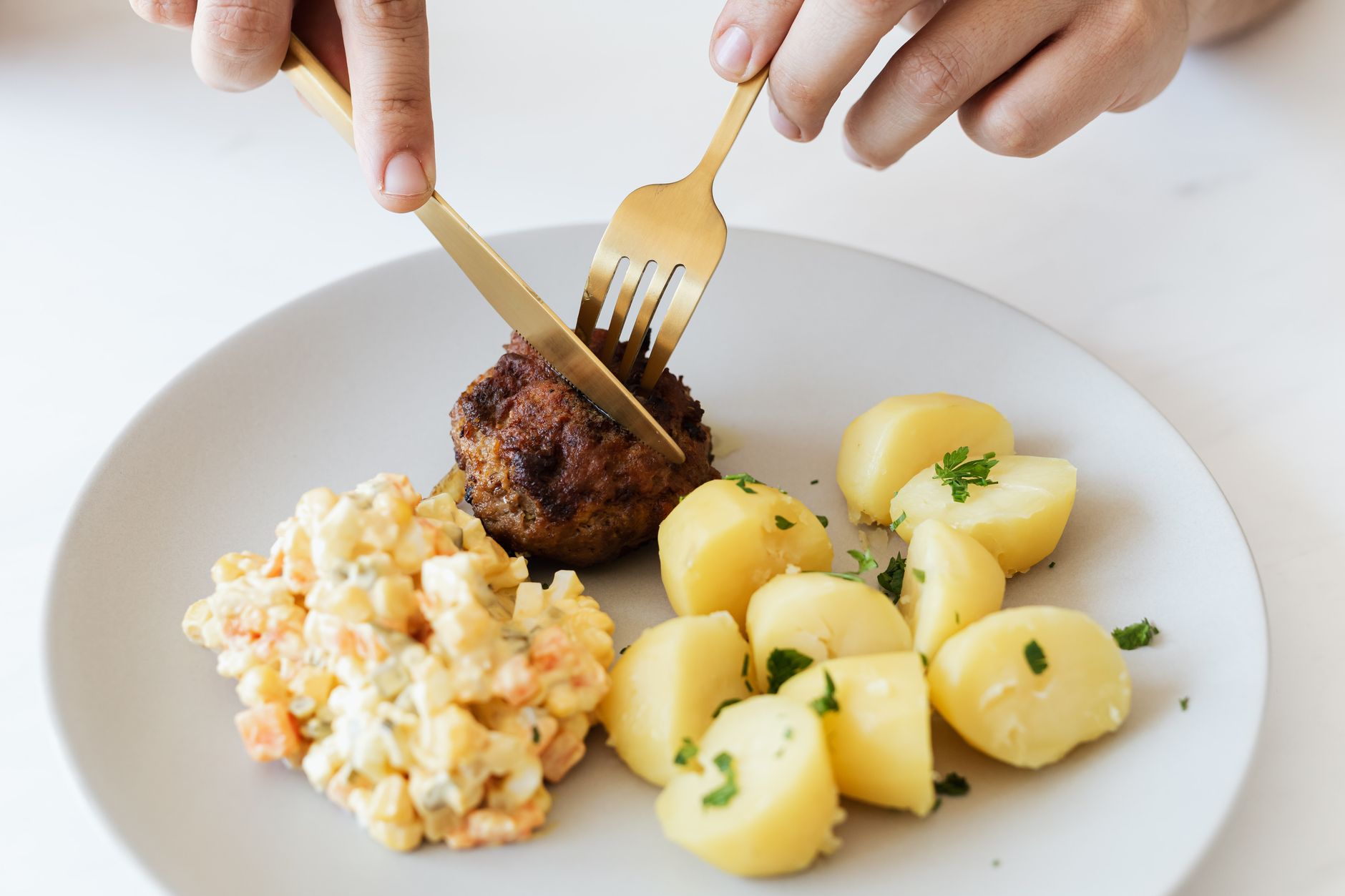
Curious about how to eat caviar the right way? This exquisite treat might look intimidating, but enjoying caviar is simpler than you think. Understanding how to eat caviar properly enhances your experience, allowing you to savor its delicate flavors without overpowering your palate or wasting a single pearl.
Choosing Quality Caviar
What Types of Caviar Are Best for Beginners?
If you‘re new to caviar, start with mild and affordable options. Beluga caviar is famous for its large, tender pearls and buttery flavor, but it can be pricey. Osetra offers a nutty taste with medium-sized eggs that many find approachable. Sevruga has smaller beads and a more intense flavor, which some beginners might find strong.
Choosing the right caviar matches your budget and taste preferences. Smaller grains tend to be saltier and pack more punch, while larger grains have a smoother texture.
How to Identify Fresh and Authentic Caviar
Fresh caviar should be firm and glossy, with each bead intact. Avoid caviar that smells fishy or sourfresh caviar has a clean, briny aroma reminiscent of the sea. Look for halal certification logos from trusted bodies like JAKIM or HMC, especially if Halal compliance is a priority for you.
Quality packaging usually includes cold storage instructions and traceability details. Certified vendors often provide proof of sustainable sourcing and freshness.
Expert Tips on Avoiding Fake or Low-Quality Caviar
- Buy from reputable retailers or online stores specializing in gourmet foods.
- Avoid suspiciously cheap caviar, as authentic caviar requires time and careful processing.
- Check product labels carefully for country of origin and certification marks.
- When in doubt, ask vendors about their sourcing and storage methods.
| Certification | Price Range | Common Formats | Shelf Life | Key Allergens |
|---|---|---|---|---|
| JAKIM, HMC, IFANCA | $50$300 per 30g | Glass jars, tins | Up to 4 weeks unopened, 35 days opened (refrigerated) | Fish eggs (potential allergens) |
Preparing and Serving Caviar
How Should Caviar Be Stored Before Serving?
Keep caviar chilled between 28F and 32F (-2C and 0C) before serving. Store it on the bottom shelf of your fridge, not in the door, to avoid temperature fluctuations. Once opened, consume within 3 to 5 days for optimal flavor and safety.
The Best Containers and Tools for Serving Caviar
Use non-metal utensils like mother-of-pearl, bone, or wooden spoons. Metal spoons can give off a metallic taste, spoiling the delicate flavor. Serve caviar in a glass or crystal bowl placed over crushed ice to maintain its chill without diluting.
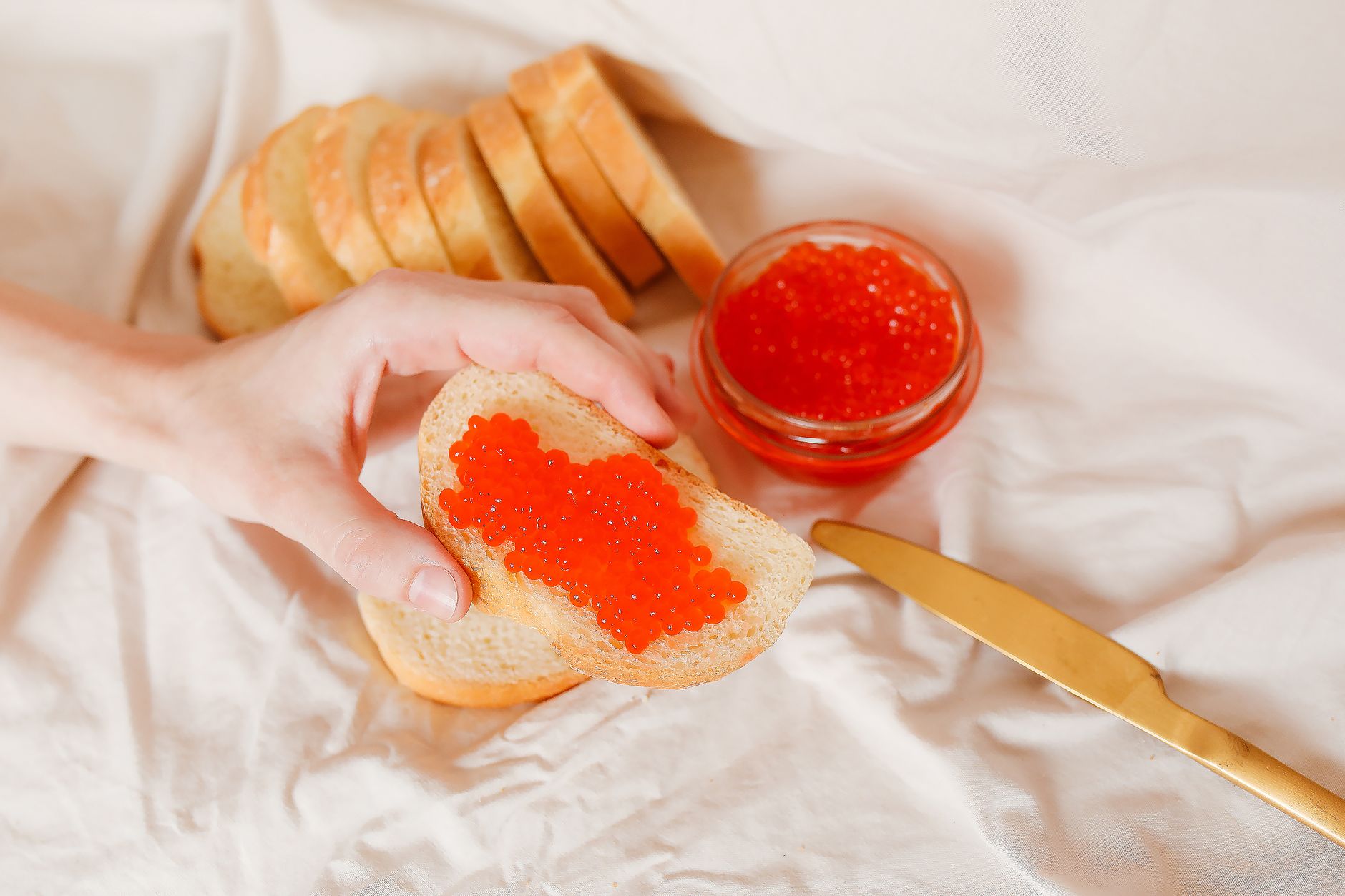
Step-by-Step Guide to Serving Caviar Elegantly at Home
- Chill your caviar jar in the coldest part of the fridge overnight.
- Prepare your serving dish over crushed ice.
- Use a clean, non-metal spoon to gently scoop small amounts of caviar.
- Arrange accompaniments like blinis or toast points nearby.
- Keep the serving time short to maintain freshnessideally under 30 minutes per serving session.
Tasting and Eating Caviar
Should You Taste Caviar on Its Own First?
The best way to appreciate caviar is by tasting it plain first. This approach lets you experience its full flavor and texture without interference. Place a small amount on the back of your hand or directly on your tongue and let it gently burst.
How to Use the Right Amount Without Overwhelming Your Taste Buds
A teaspoon per serving is enough. Hold the caviar on your tongue, allow the eggs to pop, and savor the clean, briny finish. Too much caviar at once can numb your palate and mask subtle flavors.
Classic Etiquette and Practical Tips While Eating Caviar
- Avoid strong flavors like garlic or chili; they overpower the delicate pearls.
- Take small bites and chew slowly to enjoy texture.
- Do not heat caviar or cook itits best served chilled.
- Use separate utensils for caviar to keep the flavor pure.
Common Mistakes to Avoid When Eating Caviar
- Using metal spoons that change taste.
- Pairing it with overpowering foods or drinks.
- Serving caviar at room temperature, which dulls flavor.
- Overloading the palate with too large a portion.
Pairing Caviar for Best Flavor
Classic Accompaniments for Caviar
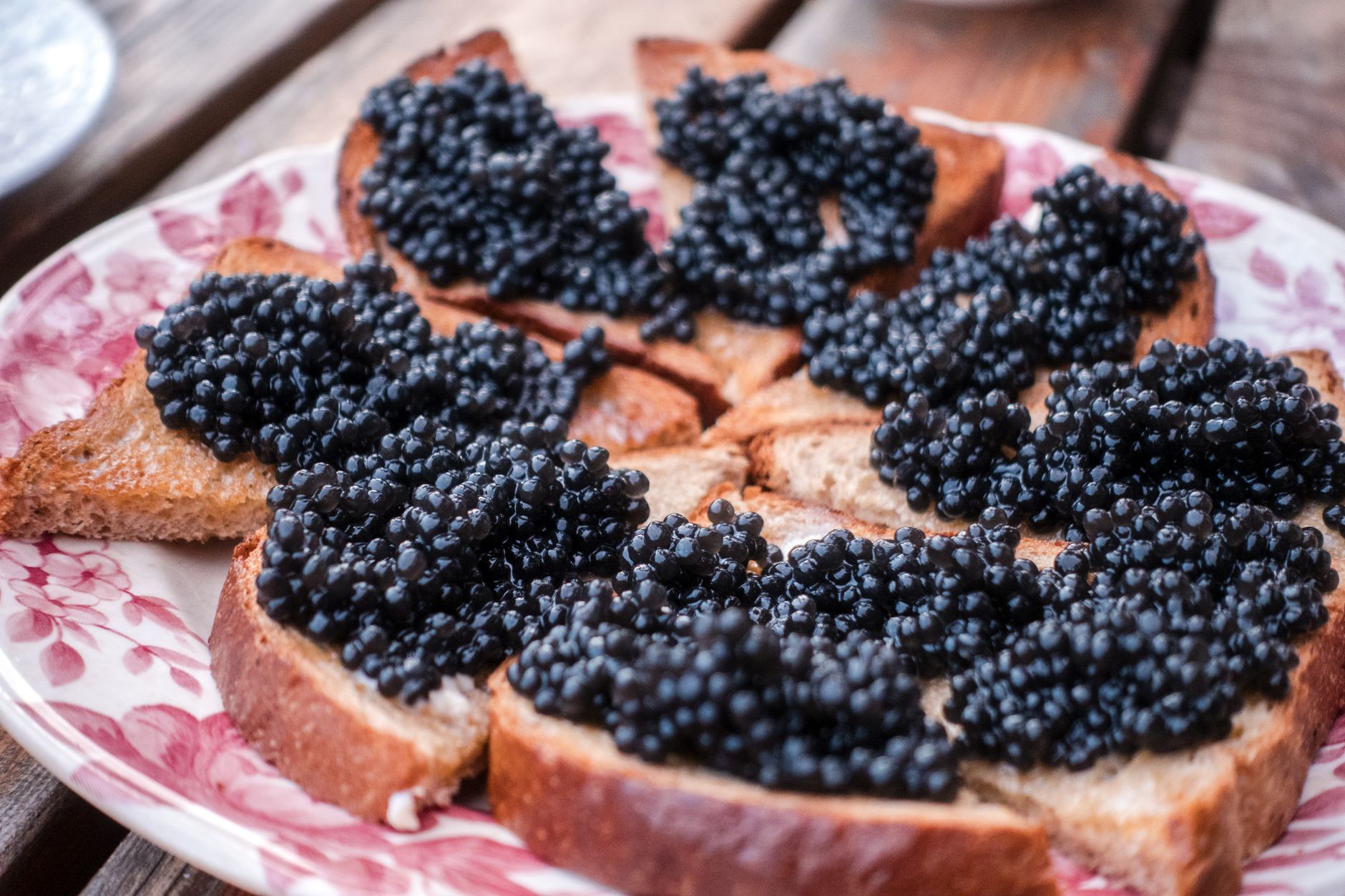
Traditionally, caviar pairs beautifully with blinis (small Russian pancakes), toast points, hard-boiled eggs, chopped onions, and crme frache. These extras bring texture and subtle richness that highlight the caviars flavor without overshadowing it.
Best Drinks to Pair with Caviar
Champagne and fresh, chilled vodka are the favored companions as they cleanse the palate between bites. Dry white wines with crisp acidity also work well. Avoid heavily oaked or sweet wines, which mask caviars delicate taste.
Creative Pairings and Flavor Combinations
If youre feeling adventurous, try pairing caviar with sliced avocado, lightly salted popcorn, or even mild cheeses like ricotta. These combos add new layers of texture without overwhelming the palate.
Quick Pairing Chart for Reference
| Caviar Type | Traditional Pairing | Suggested Drink |
|---|---|---|
| Beluga | Blinis with crme frache | Chilled Champagne |
| Osetra | Toast points and chopped onions | Dry White Wine |
| Sevruga | Hard-boiled eggs and light butter | Cold Vodka |
For snack lovers looking to expand their palate, checking out this guide on frozen meals to avoid can offer insight on other quality food decisions.
Health and Safety Considerations
Nutritional Profile and Health Benefits of Caviar
Caviar is rich in omega-3 fatty acids, vitamin B12, and selenium, which support heart health and cognitive function. According to the USDA FoodData Central, a 28-gram serving of caviar contains about 240 calories and 1,500mg of sodium, so portion control is key.
Potential Concerns and Allergies to Consider
High sodium content can be an issue for those monitoring blood pressure. Also, caviar is derived from fish eggs, so its potentially allergenic. Ethical sourcing concerns include overfishing and environmental impact; buying from certified sustainable sources helps address this.
Expert Recommendations on Safe Consumption Limits
Nutritionists suggest limiting caviar intake to no more than 30 grams per serving once or twice a week. This moderate approach balances health benefits with potential sodium risks.
Proper Caviar Etiquette
Proper Behavior and Customs at Restaurants or Events
Present yourself with relaxed confidence. Avoid double-dipping spoons or handling caviar tins unnecessarily. When offered, take small, polite bites and pair with plain crackers or blinis. Engaging in light conversation without rushing adds to the enjoyment.
How to Impress Without Overdoing It
Know basic caviar facts and pairings, but dont overwhelm others with jargon. Focus on savoring the experience alongside your guests, respecting their pace and preferences.
Insider Tips from Caviar Sommeliers and Connoisseurs
Experts advise focusing on freshness and minimal accompaniments. They recommend avoiding overly complex flavor combos during initial tastings to better appreciate caviars natural charm.

Is caviar actually Halal what should I check?
For caviar to be Halal, the fish it comes from must be Halal, and processing must follow Islamic guidelines. Look for Halal certification logos from trusted bodies like JAKIM, HMC, or IFANCA. Labels should clearly state certification details and processing methods to ensure compliance.
When is the best time to eat caviar?
The best time to enjoy caviar is during special occasions or as an appetizer before a meal. Serving it chilled and fresh during social gatherings or celebrations maximizes pleasure and social connection around this luxurious food.
Can I eat caviar if I have seafood allergies?
Caviar is fish eggs and may cause allergic reactions in people with seafood allergies. If you suspect an allergy, consult an allergist first or avoid caviar altogether to prevent adverse effects.
How long can I keep caviar after opening?
Once opened, caviar should be consumed within 3 to 5 days when kept refrigerated between 28F and 32F. Store it in an airtight container and avoid contamination to preserve freshness.
Is it okay to cook with caviar?
Caviar is traditionally served raw to preserve its delicate flavor. Cooking caviar heats and damages its texture and taste, so its best enjoyed chilled and untreated.
What utensils should I use for eating caviar?
Non-metal spoons made from mother-of-pearl, bone, or wood are preferred to avoid metallic flavors. These materials are neutral and preserve the pure taste of the caviar.
How do I know if caviar is fresh?
Fresh caviar has firm, shiny beads and a clean, sea-like aroma. If it smells sour, overly salty, or fishy, its likely past its prime. Always check the expiration date and storage conditions on the label.
Most overlooked buying mistake
Many buyers prioritize price over sourcing, buying cheap caviar that lacks freshness and proper certification. This cheap caviar often tastes overly salty and has poor texture, diminishing the overall experience.
Why cheap versions disappoint
Inexpensive caviar can come from hybrid or farmed fish with lower-quality eggs. These often have a weaker flavor profile and lack the velvety mouthfeel expected from premium caviar.
One expert buying tip
Always check for Halal certification and sustainable sourcing on the tin or jar. Combining these two factors ensures your caviar is both ethically produced and suitable for your dietary needs.
For easy appetizers to complement your caviar tasting sessions, you might enjoy making philly cheesesteak sliders they pair great with light finger foods!
Conclusion
Learning how to eat caviar opens the door to savoring one of the worlds most luxurious foods with confidence. Start with quality choices, serve it properly chilled, and pair it thoughtfully to appreciate its subtle flavors fully. Next time you shop, check the label carefully, and enjoy your delicious adventure with this delicacy. Feel free to share your thoughts or questions below!
FAQs
Is How to eat caviar actually Halal — what should I check on the label?
For caviar to be Halal, ensure the fish source is Halal and processing follows Islamic guidelines. Look for certification logos from trusted bodies like JAKIM, HMC, or IFANCA, and check that labels specify these certifications and processing methods.
How long can I keep caviar after opening?
After opening, caviar should be eaten within 3 to 5 days if refrigerated between 28-32°F (–2 to 0°C). Store it in an airtight container and keep it chilled to preserve freshness and prevent spoilage.
How does caviar differ from common fish roe?
Caviar specifically refers to salt-cured sturgeon eggs, prized for their delicate texture and taste. Common fish roe comes from various fish and often has stronger flavors, coarser texture, and less prestige compared to true caviar.
Is it safe to eat caviar daily?
Due to its high sodium content, it's best to limit caviar intake to no more than 30 grams once or twice a week, balancing health benefits like omega-3s while avoiding excess salt, especially for those with blood pressure concerns.
Where can I buy fresh and authentic caviar?
Buy caviar from reputable gourmet retailers or specialized online stores that provide proper certification, cold storage, and traceability. Always check for Halal certification if required and avoid suspiciously cheap or uncertified products.