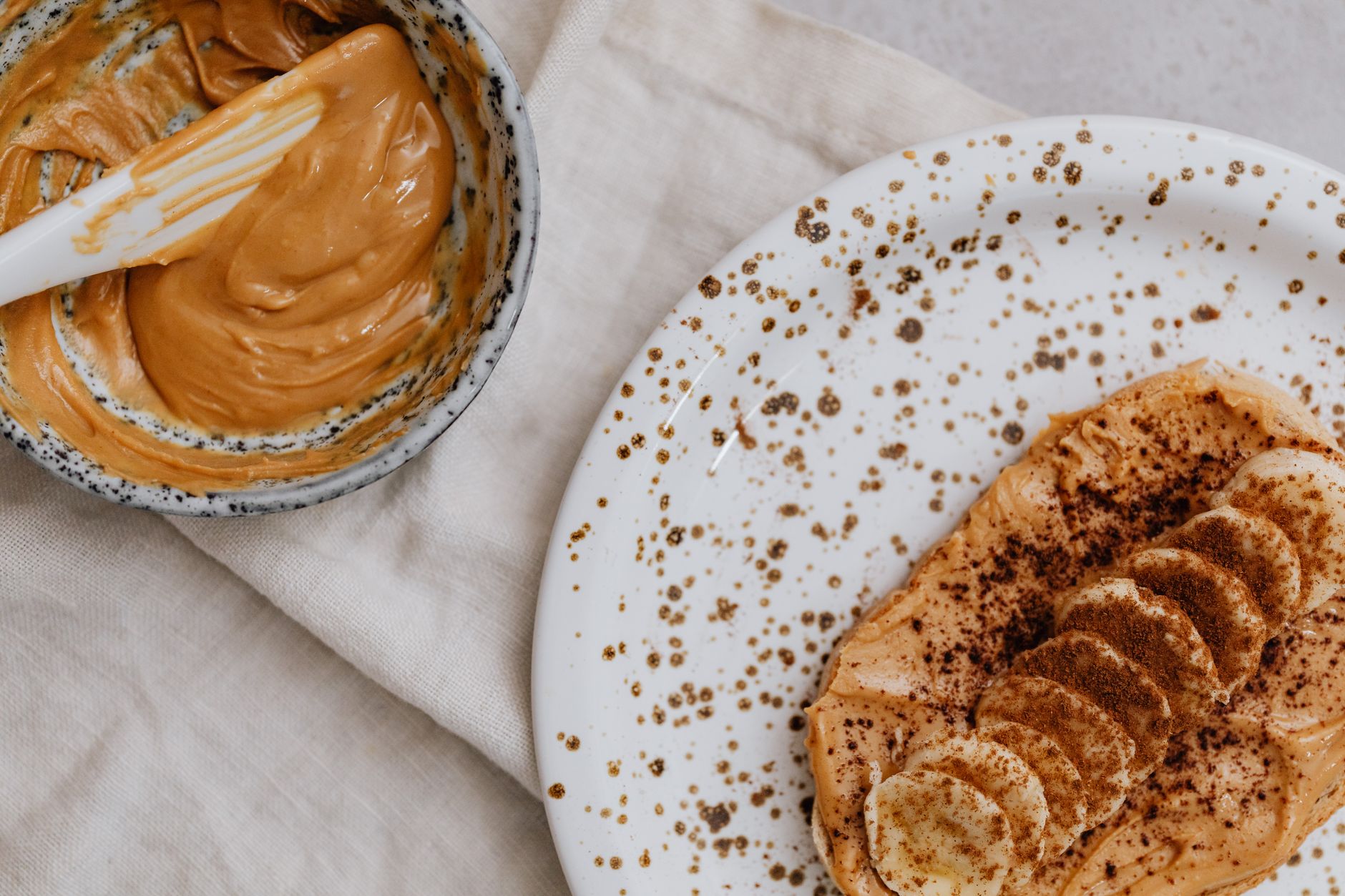
Peanut butter is a delicious and convenient source of protein, but is it a complete protein? The short answer is no. Peanut butter alone lacks some essential amino acids needed for your body to build and repair muscles effectively. However, with simple food pairings, you can turn peanut butter into a complete protein source that fits perfectly into a healthy, Halal-friendly diet.
Lets explore what makes a protein complete, why peanut butter misses the mark, and easy ways to fix it. Youll also find practical snack ideas and tips for mindful eating with peanut butter that supports your nutrition goals.
What Is Complete Protein?
Understanding Essential Amino Acids
A complete protein contains all nine essential amino acids your body cannot produce on its own. These amino acids are crucial for muscle maintenance, immune function, hormone production, and overall health. Animal-based foods like meat, dairy, and eggs generally provide complete proteins, while many plant-based foods have varying profiles.
Peanuts contain many amino acids but are low in lysine, one of the essential ones. That means peanut butter alone cannot meet your body‘s full amino acid requirements.
Why Peanut Butter Lacks Complete Protein
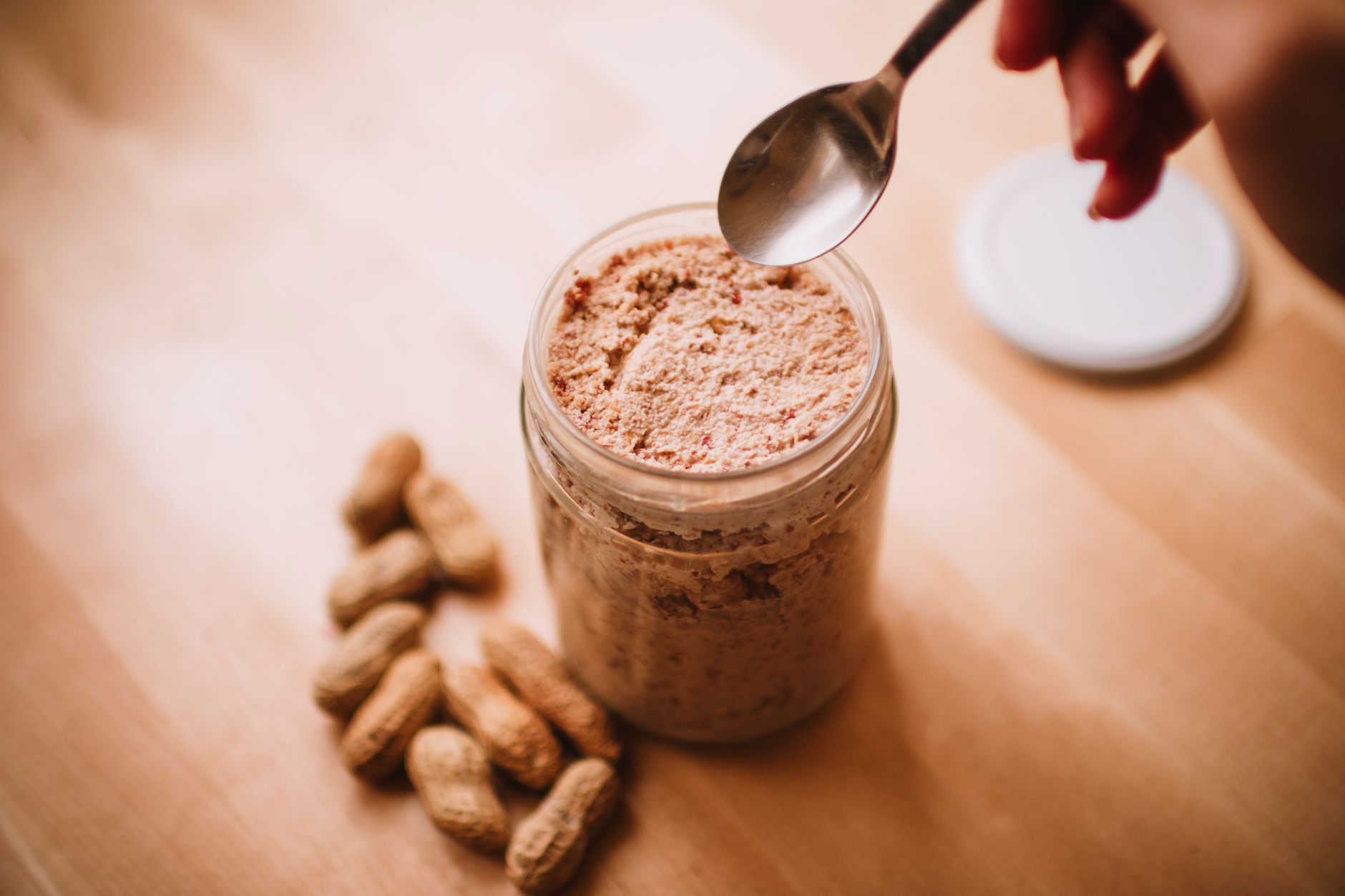
According to the USDA FoodData Central, a 2-tablespoon serving of peanut butter provides about 8 grams of protein but contains relatively low lysine levels. This makes lysine the limiting amino acid, meaning your body can‘t fully utilize peanut butter protein without other lysine-rich foods. Without this, peanut butter is an incomplete protein source on its own.
Think of it like a puzzle missing a piece. You need to add another food to complete the picture.
Completing Peanut Butters Protein Profile
Foods That Complement Peanut Butter
Pairing peanut butter with lysine-rich foods gives you the full range of essential amino acids. Whole grains, legumes, and seeds are excellent partners. Examples include whole wheat bread, oats, quinoa, chickpeas, and flaxseeds.
These combinations are especially useful if you follow a vegetarian or vegan Halal diet and want to maximize your protein without animal products.
Protein combining is a proven strategy where two or more plant foods with complementary amino acid profiles create a complete protein when eaten together or within the same day.
Sample Complete Protein Peanut Butter Meals
| Combination | Protein (g) | Key Amino Acid Added |
|---|---|---|
| Peanut butter + whole grain toast (2 slices) | 16 | Lysine |
| Peanut butter + oatmeal + chia seeds (1 cup cooked oats, 1 tbsp chia) | 18 | Lysine & Methionine |
| Peanut butter + soy milk smoothie (1 cup soy milk, banana) | 20 | Complete amino acids |
These combos not only boost your protein but add fiber, healthy fats, and essential vitamins. That makes your snacks and meals more balanced and satisfying.
Protein Content in Peanut Butter
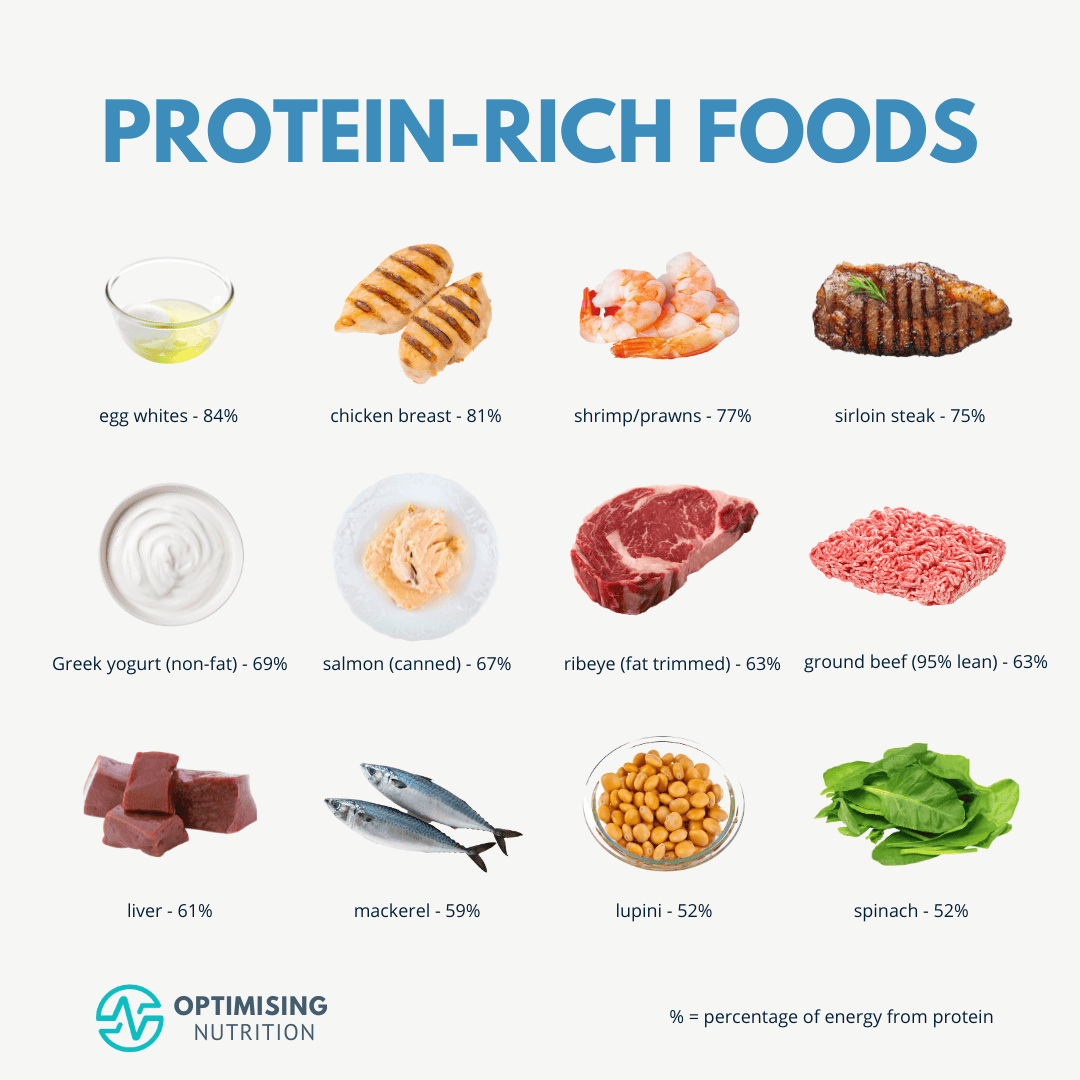
Two tablespoons of peanut butter contain roughly 8 grams of protein and about 190 calories, with the fat content mostly coming from heart-healthy unsaturated fats. While it isnt as protein-dense as animal-based sources such as chicken or eggs, peanut butter is a convenient plant-based protein option.
For context, a 3-ounce serving of chicken breast provides about 25 grams of complete protein, whereas the combination of peanut butter and complementing foods, as shown above, can approach similar amino acid completeness with fewer calories and more fiber.
Is Peanut Butter a Main Protein Source?
Relying solely on peanut butter for protein is not advisable. Its incomplete amino acid profile and high-calorie density require careful portion control. Peanut butter fits best as part of a varied diet, especially combined with whole grains and legumes to meet your essential amino acid needs.
Add diversity to your plates with foods high in protein and low in fat and try vegan foods high in protein that complement peanut butter well in Halal diets.
Health Benefits and Cautions
Nutrients in Peanut Butter Beyond Protein
Besides protein, peanut butter is rich in monounsaturated fats, vitamin E, magnesium, and fiber. These nutrients support heart health, brain function, and digestion. It also provides antioxidants that help combat cell damage.
Possible Risks of Peanut Butter Overuse
Peanut butter is calorie-dense, with about 190 to 200 calories per 2-tablespoon serving. Overeating can lead to unwanted weight gain if not accounted for within your calorie needs. Also, some commercial brands add hydrogenated oils, sugars, or salt, lowering nutritional quality.
If you have a peanut allergy, avoid peanut butter altogether and opt for other plant-based protein sources like almond butter or sunflower seed butter certified Halal by bodies like JAKIM or HMC.
Who Should Be Careful
People with nut allergies, kidney disease, or on sodium-restricted diets should monitor their peanut butter consumption carefully. Choose clean-label products showing transparent ingredients and Halal certification logos, such as IFANCA or JAKIM, to ensure product safety and compliance with dietary laws.

Frequently Asked Questions
Is complete protein peanut butter actually Halal what should I check?
Peanut butter itself is naturally Halal, but always check for certification logos from bodies like JAKIM or HMC, especially to ensure no non-Halal additives or cross-contamination. Verified Halal logos guarantee compliance with Islamic dietary laws.
Is peanut butter protein as good as animal protein?
Peanut butter offers good protein but lacks some essential amino acids, making it incomplete alone. Animal proteins provide all essential amino acids in sufficient quantities. However, combining peanut butter with complementary foods can match animal protein quality.
Can vegan diets get enough protein from peanut butter alone?
No single plant food like peanut butter supplies a complete amino acid profile. Vegans should combine peanut butter with grains, legumes, or seeds throughout the day to meet all essential amino acids efficiently.
What other plant-based foods are complete proteins besides peanuts?
Plant-based complete proteins include quinoa, soy products (tofu, tempeh, soy milk), buckwheat, amaranth, and chia seeds. Mixing these with peanut butter enhances protein quality and nutritional variety.
How to store peanut butter to maintain protein quality?
Store unopened peanut butter in a cool, dry place away from sunlight. After opening, refrigerate to extend shelf life to 36 months and prevent oil separation, ensuring protein and nutrient quality stay stable.
Does organic peanut butter have better protein?
Organic peanut butter typically contains fewer additives and no pesticides but has a similar amino acid profile and protein content as conventional versions. The choice depends more on your preference for clean labels and allergy sensitivities.
Can I use peanut butter powder for complete protein?
Peanut butter powder has less fat but a similar protein profile, still incomplete alone. Pair it with lysine-rich foods or protein powders to create a complete protein mix in shakes or meals.
Pro Tips for Buying Peanut Butter
A common mistake is choosing peanut butter with added sugars, hydrogenated oils, or excessive salt. These additives reduce nutrition and may trigger allergies or inflammation. Look for products with minimal ingredients: just peanuts and maybe a pinch of salt.
Price doesnt always guarantee quality. Some expensive brands add unnecessary flavorings or preservatives. Carefully check the ingredient list and opt for recognizable Halal certification logos (JAKIM, HMC, IFANCA) to ensure product authenticity and dietary compliance.
One expert tip: try natural peanut butter, which separates oil on top. Stir gently and store refrigerated for freshness and nutrient retention.
More You Might Like
Explore foods high in protein and low in fat to find great additions to your diet alongside peanut butter.
Discover creative meals featuring vegan foods high in protein that can boost your nutrition with variety and taste.
Conclusion
Complete protein peanut butter doesnt exist naturally, but combining it with whole grains, seeds, or legumes creates balanced meals rich in essential amino acids. Keep an eye on Halal certification and quality labels when shopping, and enjoy peanut butter as a tasty part of a varied protein diet. Next time you reach for that jar, try mixing in some oats or pair it with whole wheat bread your body will thank you for it!
FAQs
Is complete protein peanut butter actually Halal — what should I check on the label?
Peanut butter itself is naturally Halal, but always verify certification logos from authorities like JAKIM or HMC. These confirm no non-Halal ingredients or cross-contamination, ensuring compliance with Islamic dietary laws.
How long does peanut butter last after opening to maintain protein quality?
After opening, refrigerate peanut butter to keep it fresh and prevent oil separation. Properly stored, it can maintain quality for up to 36 months, preserving protein and nutrients effectively.
What makes complete protein peanut butter different from regular peanut butter?
Regular peanut butter is an incomplete protein lacking sufficient lysine. Complete protein peanut butter results from combining peanut butter with lysine-rich foods like whole grains or legumes to achieve all essential amino acids.
Is it safe to eat peanut butter daily for protein?
Yes, but in moderation. Peanut butter is calorie-dense and incomplete alone, so pair it with complementary foods. Also, choose clean-label, Halal-certified options free from additives for daily consumption.
Where can I buy Halal-certified complete protein peanut butter?
Look for Halal-certified peanut butter in supermarkets, specialty stores, or online retailers. Check product labels for certifications from JAKIM, HMC, or IFANCA to ensure authenticity and compliance with Halal standards.