At first, fast food commercials may seem like just another flashy ad interrupting your favorite show. But deep down, these quick bursts of creativity have a way of sticking with us. Whether it‘s a catchy jingle, a memorable character, or a slice of nostalgia, fast food commercials influence how we see brands, shape our cravings, and even affect our eating habits. Lets explore what makes these ads so captivating and how theyve evolved over time.
Why They Stick
What Makes a Fast Food Commercial Iconic?
Catchy jingles, lovable mascots, storytelling, humor, and nostalgic imagery all play a role. These commercials often use simple, relatable themeslike family, fun, or convenienceto connect emotionally. For example, think of the classic "Wheres the Beef?" campaign from Wendys. It became an immediate cultural catchphrase, easily remembered and repeated. The craftsmanship behind these ads isnt accidental; theyre designed to linger in your mind and make you hunger for more than just the food.
How Ads Influence Consumer Behavior
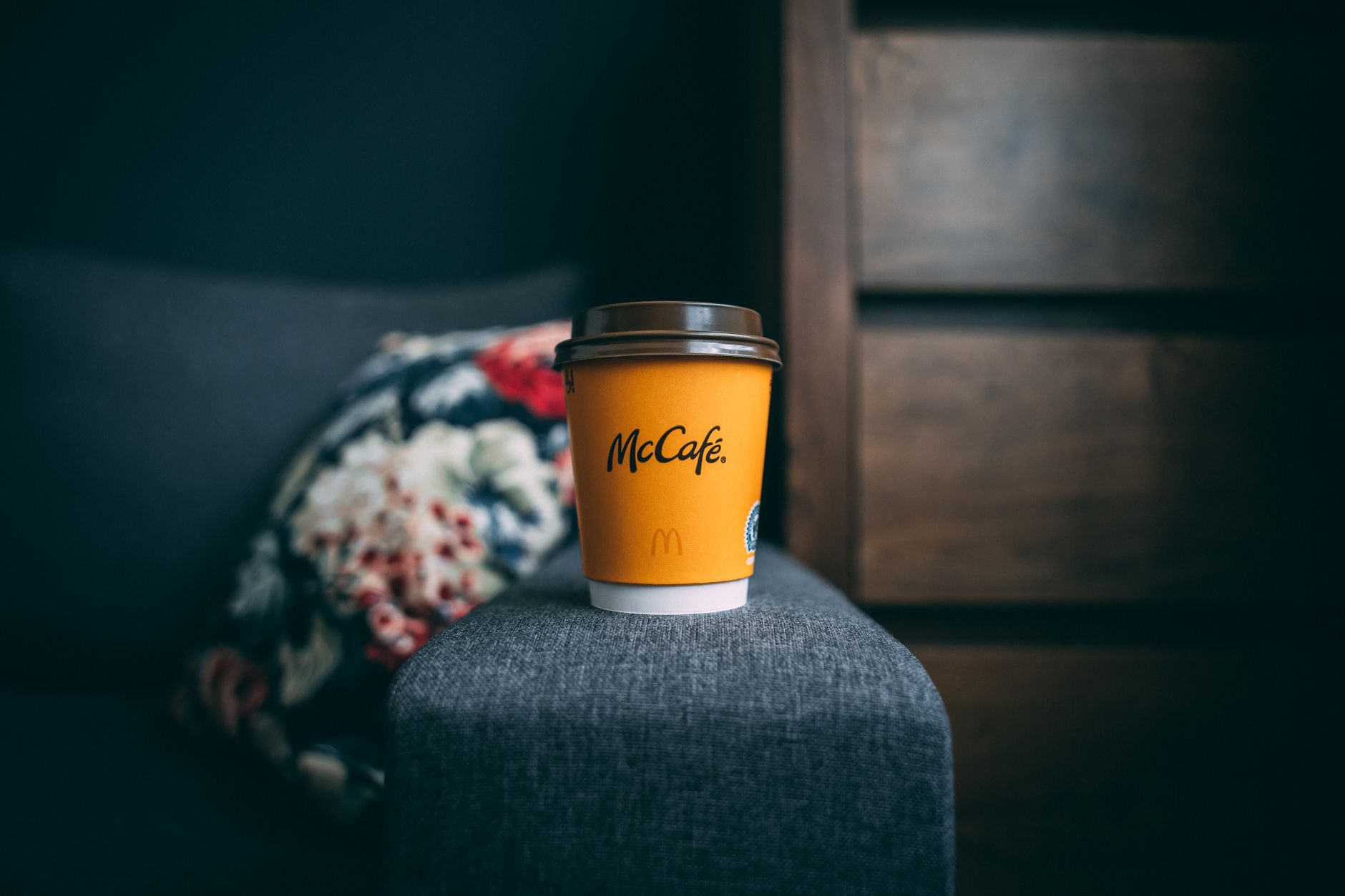
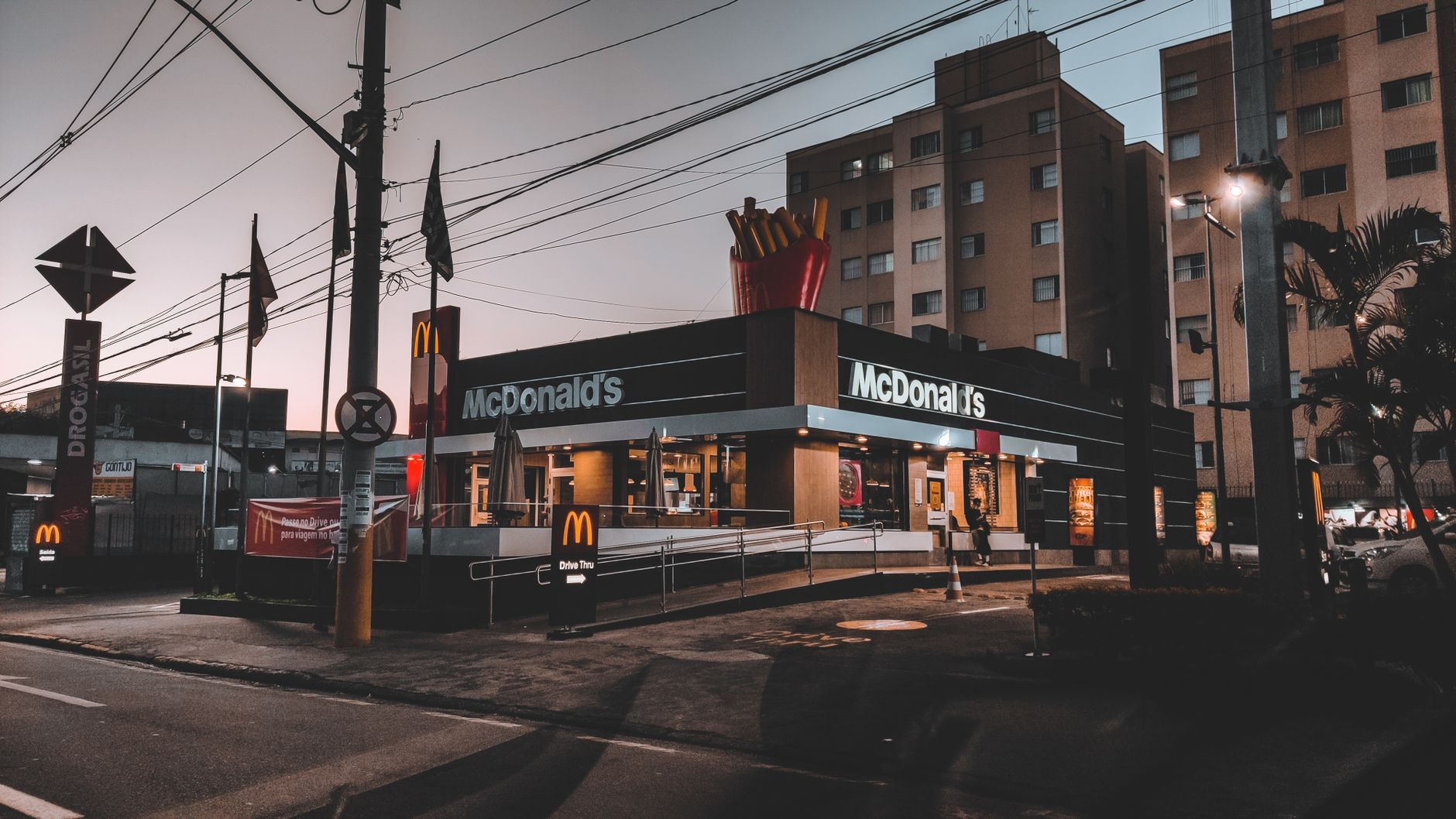
Fast food commercials dont just entertainthey trigger psychological responses. Bright colors, upbeat music, and tantalizing visuals stimulate appetite and encourage quick decision-making. Successful campaigns often use repetition and social proof, showing happy customers enjoying meals to create trust and desire. For instance, McDonalds famous Im Lovin It jingle creates positive associations that translate to brand loyalty. Marketers know these tricks well and weave them seamlessly into their messaging.
Balancing Appeal and Reality
While these commercials do a great job highlighting convenience and flavor, the reality of fast food isnt always as rosy. The marketing often glosses over nutritional drawbacks, and some ads have been criticized for promoting less healthy eating habits. Still, for brands, advertising fast food is highly effective in driving sales and shaping public perception. Being aware of this helps you enjoy the ads for their creativity without overlooking the bigger picture of food choices.
Classic Fast Food Commercials
Looking back at some iconic commercials reveals just how much creativity and culture shape these quick stories. Each ad brought something unique to the table.
1. Jim Hensons Muppets for Tastee-Freez, 1967
The innovative use of puppetry set these commercials apart. Jim Hensons Muppets made Tastee-Freezs ice cream fun and approachable, creating a whimsical world that blended entertainment with tasty treats.
2. Pepe the King Prawn for Long John Silvers, 2002
The quirky character Pepe added personality and humor to seafood advertising. His playful dialogue created a memorable mascot that helped connect with a younger audience.
3. McDonalds First TV Commercial, 1963
This simple but groundbreaking ad introduced the fast food giant to television viewers, focusing on speed and affordability, setting the stage for future marketing tactics.
4. Wheres the Beef? for Wendys, 1984
The unforgettable question became a national catchphrase. This bold commercial challenged competitors while appealing to customers wanting real, substantial burgers.
5. McDonalds Affordability Ads, 1971-1972
Focus on price was a key theme. These commercials targeted budget-conscious families to demonstrate McDonalds value and accessibility.
6. Two All-Beef Patties Jingle, McDonalds, 1974
The catchy rhyme boosted brand recall. Simple jingles like this one created an earworm effect that kept the Big Mac top of mind.
7. Have It Your Way with Singing Cashiers, Burger King, 1974
This ad emphasized customization and customer choice, positioning Burger King as a more flexible option for fast food lovers.
8. Whoppers 45th Anniversary, Burger King, 2002
Celebrating a legacy, this commercial reflected on the brands history and reinforced loyalty among longtime fans.
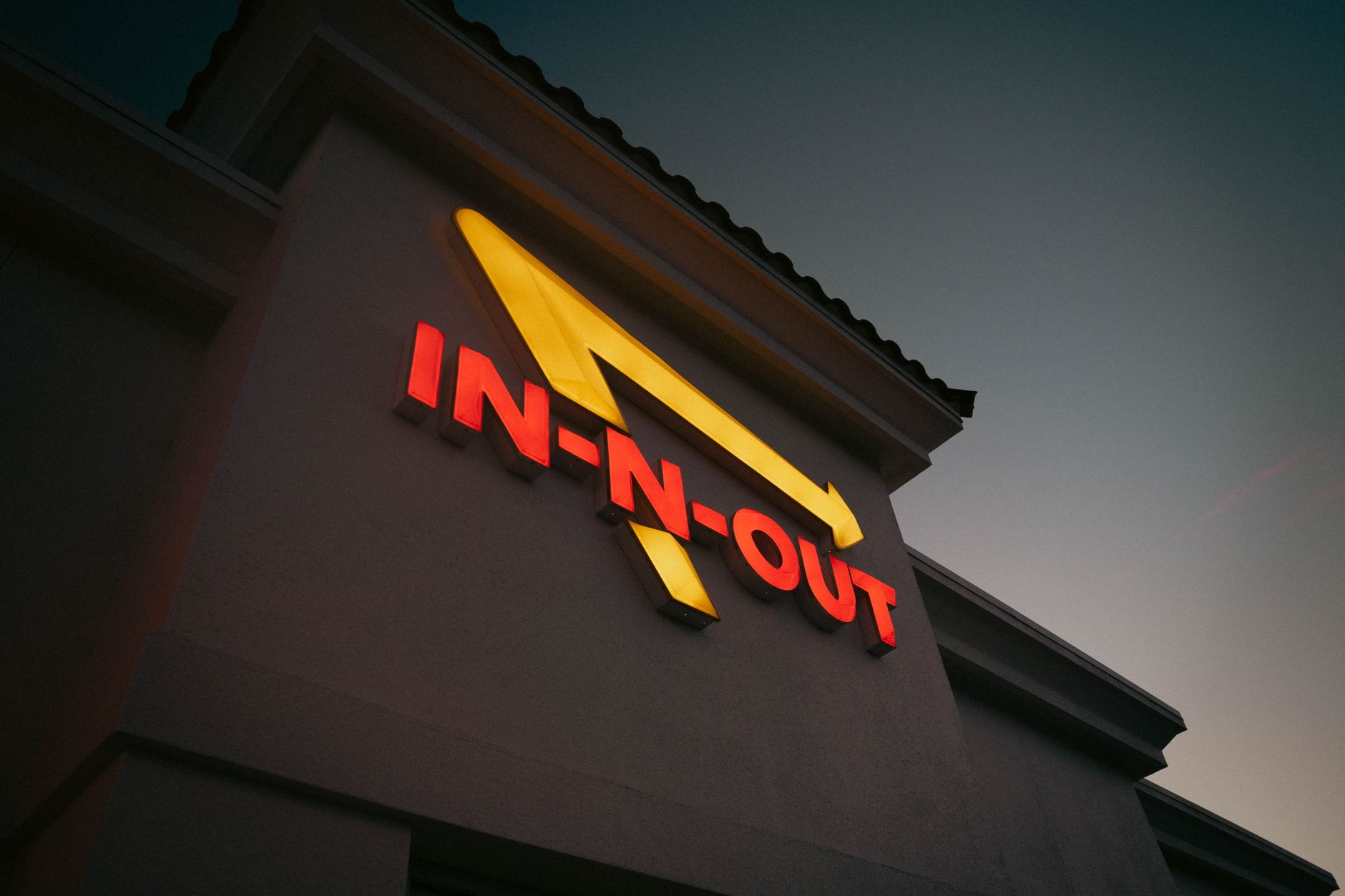
9. Basic Commercial for In-N-Out, 1987
In-N-Out kept it simple, focusing on quality and straightforward messaging that reflected its clean, fresh brand image.
10. Mel Tillis Ads for Whataburger, 19801986
Celebrity endorsements by country music star Mel Tillis helped Whataburger gain trust and visibility in the competitive fast food market.
11. Simpsonize Me, Burger King, 2007
Leveraging The Simpsons popularity, this campaign blended pop culture with personalization, engaging fans through an interactive experience.
12. Original Big Mac Commercial, McDonalds, 1967
Introducing the Big Mac visually and verbally, this ad helped turn the sandwich into a household name.
13. Escape and 1960s Ads for KFC
Portraying comfort and home-style cooking, these ads targeted customers looking for hearty, satisfying meals.
14. Yo Quiero Taco Bell, 1997
The charming Chihuahua mascot and catchy phrase created a lasting cultural moment that boosted brand recognition.
15. Lost Star Trek Ad for White Castle, 1970s
Cross-promotional novelty featured Star Trek actors, blending fandom with fast food in an unusual yet intriguing way.

Lessons From Fast Food Ads
Timeless Advertising Tactics
Storytelling, emotional connection, humor, and memorable branding remain at the core of successful ads. These elements work because they appeal to our feelings and memories rather than just the product itself.
Nostalgias Power
Many fast food commercials tap nostalgia, reminding us of simpler times or childhood favorites. This emotional pull fosters loyalty and encourages repeat visits long after the original ad aired. Nostalgia marketing ensures brands stay relevant across generations.
Evolution in the Digital Age
The role of fast food commercials has expanded from television to social media and streaming platforms. Brands now blend traditional tactics with viral videos, influencer partnerships, and interactive campaigns to engage younger, tech-savvy audiences.
For an example of clever, nostalgic food marketing, check out how Black-eyed peas tradition stays relevant while celebrating cultural roots.
Enjoying and Understanding Them
Watching fast food commercials can be more than passive entertainment. They showcase a masterclass in creativity, marketing psychology, and culture. But while you enjoy the clever jingles and fun characters, its wise to stay mindful of the messages behind the ads. They promote convenience and pleasure but sometimes at the expense of nutrition.
Taking a moment to question the advertising can make you a smarter consumer. Next time you see an ad, think about what emotions its tapping into and what its encouraging you to do. This awareness adds an extra layer of appreciation to the viewing experience.
For a tasty comfort food idea that pairs well with your takeaway burger, you might enjoy our guide to the Best grilled cheese recipes.
Is advertising fast food commercials influencing my eating habits?
Yes. Fast food advertisements use sensory cues and emotional appeals that can increase cravings and influence eating behaviors. Being aware of this helps you make conscious choices rather than impulsive ones.
Are Halal fast food options commonly featured in commercials?
Halal-certified fast food brands sometimes highlight their certification to attract Muslim consumers. Look for logos like JAKIM, HMC, or IFANCA in ads or packaging to confirm halal status according to industry standards.
Why do jingles make fast food commercials so memorable?
Jingles tap into auditory memory, lodging in your brain through repetition and melody. This makes the brand and product easy to recall when youre hungry.
How do fast food commercials use nostalgia effectively?
They remind viewers of happy, simpler moments or childhood favorites. This emotional link strengthens loyalty and makes viewers more likely to choose the advertised brand.
Are celebrity endorsements common in fast food ads?
Absolutely. Celebrities and pop culture references lend credibility and create buzz. Famous personalities appeal to fans and increase the ads reach.
What is the impact of humor in these commercials?
Humor grabs attention, creates positive feelings, and encourages sharing. It makes ads more enjoyable, increasing the chance they will be seen repeatedly.
How have digital platforms changed fast food commercials?
Digital media allows interactive and viral campaigns. Brands now create short videos, memes, and apps that encourage engagement beyond traditional TV commercials.
Pro Tips for Watching Fast Food Ads
Dont let catchy jingles override your judgmentalways consider nutritional content and Halal certification before ordering. The most overlooked mistake is assuming every ad reflects the full truth about the food. Sometimes cheap versions disappoint in taste or quality despite aggressive marketing. Look for halal logos if thats a priority. An expert tip: enjoy the commercials as art, but check the label before you bite.
More You Might Like
- Discover why Black-eyed peas tradition is more than comfort foodits a celebration of culture and health.
- Try pairing your next takeaway with the Best grilled cheese recipes that match perfectly with classic fast food flavors.
Conclusion
Fast food commercials remain a powerful mix of creativity, nostalgia, and marketing science. They entertain and persuade while shaping how we think about quick meals. Next time you watch one, enjoy the catchy tunes, memorable characters, and clever stories. At the same time, remember to check labels and certifications for the best choicesespecially if Halal and health are important to you. Feel free to share your favorite fast food commercial memories or creative ads in the comments below.
FAQs
Is fast food commercials actually Halal — what should I check on the label?
Halal certification in fast food commercials varies by brand. Look for recognized halal logos like JAKIM, HMC, or IFANCA on packaging or in ads to ensure compliance with halal dietary laws before ordering.
How do fast food commercials influence my eating habits?
Fast food commercials use sensory cues such as bright colors, catchy jingles, and emotional appeals that can increase cravings and prompt impulsive eating decisions.
Why are jingles so effective in fast food commercials?
Jingles embed themselves in auditory memory through repetition and melody, making brands easy to recall and increasing the likelihood you’ll choose them when hungry.
Are celebrity endorsements common in fast food advertising?
Yes, celebrities enhance credibility and create buzz. Their presence attracts fans and broadens the ad’s reach, making the campaign more memorable.
How has digital media changed fast food commercials?
Digital platforms enable viral videos, influencer partnerships, and interactive campaigns, expanding engagement beyond traditional TV ads to connect with younger, tech-savvy audiences.