Ever wondered if bchamel and white sauce are the same? The short answer is yes and no. Bchamel is actually a classic type of white sauce, but the term white sauce covers a wider world of creamy sauces beyond just this French staple. Understanding the subtle differences between bchamel vs white sauce can help you select the right base for your dish and achieve perfect texture and flavor every time.
What Is Bchamel Sauce?
Bchamel sauce is one of the five French mother saucesfoundations from which many other sauces are derived. Its a smooth, velvety, white sauce traditionally made by cooking equal parts butter and flour into a roux, then slowly whisking in warm milk until thickened. The sauce is usually seasoned with a pinch of nutmeg, salt, and white pepper for a delicate yet comforting flavor.
What ingredients make bchamel unique?
- Roux: Butter and flour cooked together form the base thickener, giving bchamel its classic creamy texture without lumps.
- Milk: Added gradually to the roux, heated milk smooths out the sauce and contributes the white color.
- Seasoning: Nutmeg is a signature addition; it adds subtle warmth and depth alongside salt and mild white pepper.
Bchamels simplicity is its strength. Because its a mother sauce, many recipes from creamy mushroom fillings to cheese sauces start with bchamel as the base.
Common bchamel sauce uses
- Lasagna: Adds creamy layers balancing meat and tomato flavors.
- Moussaka: This Greek casserole uses bchamel as a rich topping.
- Croque Monsieur: Classic French sandwiches often have bchamel inside for softness.
- Gratins: Bchamel helps bind and enhance cheesy vegetable or potato bakes.
This sauces versatility makes it a kitchen essential, holding a central place in both professional and home cooking.
What Is White Sauce?
White sauce is a broader term encompassing any light-colored sauce thats creamy and typically made with a dairy base. Unlike bchamel, which strictly requires a roux and milk, white sauce recipes can vary widely. They might use other thickeners like cornstarch or beurre mani and sometimes cream or broth replaces milk.
What are some basic white sauce recipes?
A simple white sauce can start with milk or cream, thickened with either flour or cornstarch. For example, a quick sauce for pasta might use cornstarch slurry instead of a roux. Some white sauces are even mayonnaise-based and used as dips or salad dressings, differing entirely from bchamel in taste and technique.
- Milk and flour white sauce: Similar to bchamel but often less precise, made by whisking flour into milk directly or using beurre mani (butter-flour paste).
- Cornstarch thickened white sauce: Offers a glossy, translucent appearance common in some Asian or fusion dishes.
- Cream-based sauces: Use cream instead of milk for a richer, thicker texture.
When people say "white sauce," what could they be referring to?
It depends on the cuisine and context. Some may mean bchamel specifically, while others think of cheese sauces like Mornay (bechamel with cheese). In casual speech, white sauce can also refer to dairy-rich dressings, garlic sauces, or even mayonnaise mixed sauces common in fast food or Middle Eastern dishes.
Because of this, its important to clarify what white sauce means when following recipes or ordering at restaurants, especially in health-conscious or Halal contexts where ingredients and preparation vary widely.
Bchamel vs White Sauce Key Differences Explained
What is the difference between bchamel and white sauce?
While bchamel is a type of white sauce, the two are not always interchangeable. Bchamel is defined by its traditional French preparation a cooked roux combined with milk and mild seasoning. White sauce, however, is a catch-all term for sauces of similar appearance but differing methods, ingredients, and textures.
Bchamel tends to be thicker and silkier, thanks to the careful roux base. Many white sauces might be thinner or use alternative thickeners that change mouthfeel and flavor. Culinary roles differ too; bchamel often serves as a base for cheese sauces or creamy casseroles, while other white sauces might be stand-alone dressings or dips.
| Aspect | Bchamel | White Sauce (General) |
|---|---|---|
| Origin | Classic French | Various, international |
| Thickener | Roux (butter + flour) | Flour, cornstarch, or others |
| Base Liquid | Milk | Milk, cream, or broth |
| Seasoning | Usually nutmeg, salt, white pepper | Varies widely |
| Culinary Use | Mother sauce for many dishes | Dips, dressings, sauces, or bases |
Knowing this helps when shopping Halal ingredients always check the labels for true dairy content and certified Halal markings like JAKIM or IFANCA to avoid cross-contamination.
Why Understanding the Difference Matters
Getting bchamel vs white sauce right impacts your dishs texture and taste drastically. Bchamels thick, creamy consistency can hold up layers in baked dishes, while a thinner or less stable white sauce might make a casserole watery. The seasoning in bchamel also brings subtle warmth, which missing seasoning can lead to flat-tasting meals.
Common cooking mistakes mixing these up
- Using cornstarch instead of roux without adjusting technique, causing sauces to become gummy or separate.
- Skipping nutmeg in bchamel, resulting in a bland taste.
- Overheating milk too fast, curdling the sauce or making it grainy.
Tips from professional chefs
French chefs stress the importance of cooking the roux gently for 34 minutes to avoid a raw flour taste before adding milk. Warm milk should be incorporated slowly with constant whisking for a smooth finish. If lumps form, straining the sauce can salvage the texture.
Sometimes, a simple white sauce works best for speedy dinners for instance, pairing with steamed vegetables or as a dip. For more traditional or intricate dishes, bchamel is well worth the extra care.
How to Make Both Sauces at Home: Step-by-Step
Classic bchamel sauce recipe
| Prep time | 5 minutes |
| Cook time | 10 minutes |
| Total time | 15 minutes |
| Servings | 4 |
| Calories | 150 per serving |
| Diet tags | Halal, Gluten-Free (with gluten-free flour) |
- 2 tbsp unsalted butter
- 2 tbsp all-purpose flour (or gluten-free flour)
- 2 cups warm whole milk
- tsp ground nutmeg
- Salt and white pepper, to taste
- In a medium saucepan, melt butter over medium heat for 2 minutes until foaming but not browned.
- Add flour and whisk constantly for 34 minutes to form a golden rouxthis cooks out the raw flour taste.
- Warm milk separately to just below boiling (about 80C or 176F).
- Slowly pour warm milk into the roux while whisking continuously to prevent lumps.
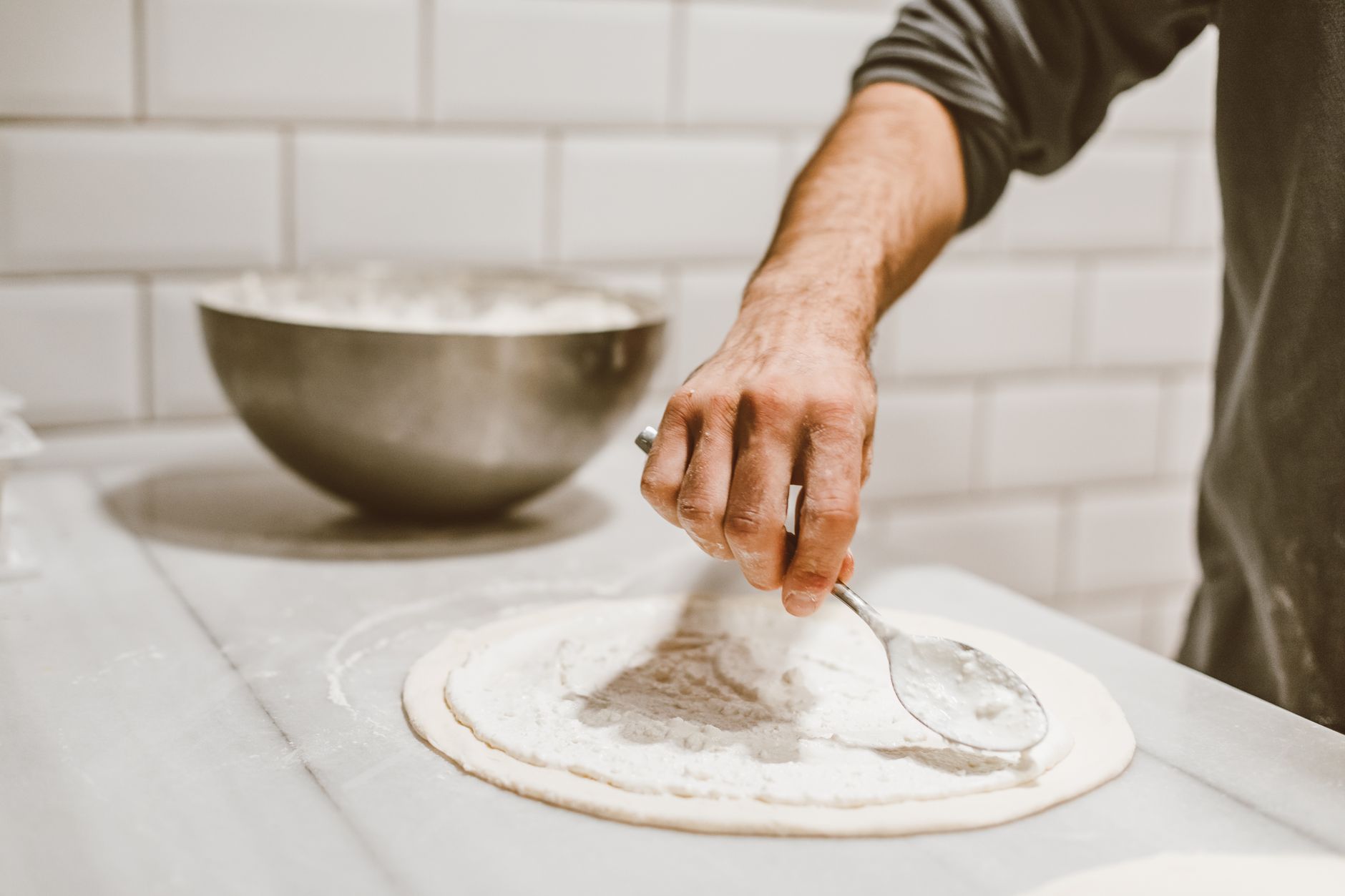
- Keep whisking and cook on medium-low heat for 57 minutes until sauce thickens and coats the back of a spoon.
- Season with nutmeg, salt, and white pepper. Stir well and remove from heat.
Troubleshooting: If lumps appear, strain the sauce through a fine mesh sieve. If the sauce is too thick, whisk in a little extra warm milk.
Basic white sauce recipe
- 1 cup milk (can substitute cream for richness)
- 1 tbsp all-purpose flour or 1 tsp cornstarch
- 1 tbsp butter or oil
- Salt and pepper, to taste
- Heat butter or oil in a small pan over low heat.
- If using flour, add and stir quickly to make a paste; cook 1 minute.
- Slowly whisk in cold milk or mix cornstarch with milk and pour in gradually.
- Cook on low heat for about 5 minutes, whisking frequently until sauce thickens.
- Season and serve immediately or use as base for dips or dressings.
This quicker version works well for beginners or simple dishes needing a creamy touch without fuss.
Bchamel Sauce Uses and White Sauce Variations in Cooking
Popular bchamel sauce dishes you should try
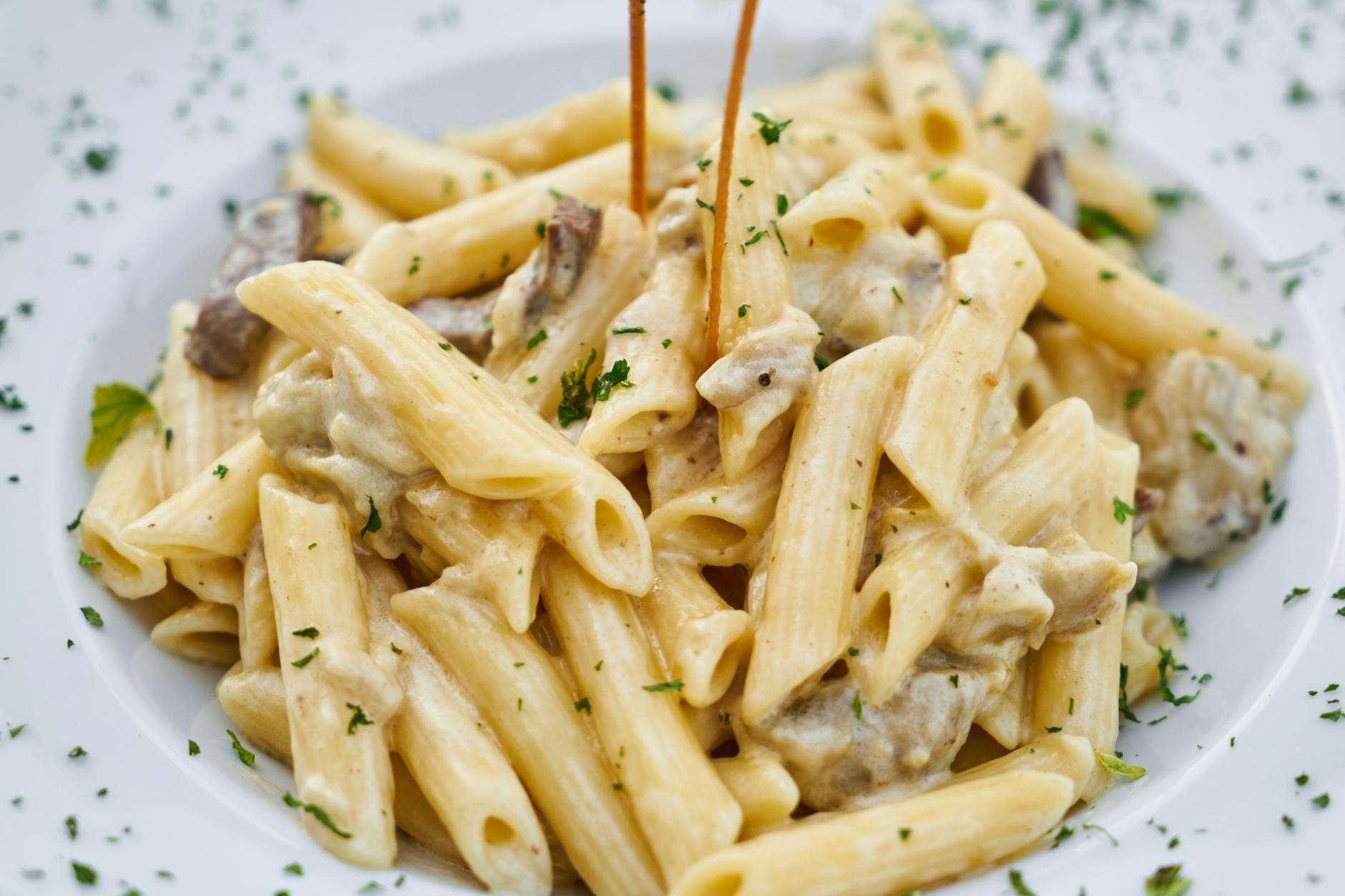
- Macaroni and Cheese: Use bchamel as the base, then stir in grated cheese for a classic creamy finish.
- Spinach Gratin: Layer blanched spinach with bchamel and cheese, then bake for a golden top.
- Chicken Mornay: Poached chicken served with bchamel mixed with sharp Parmesan or Gruyre.
Other white sauces to explore
- Cream Sauce: Uses heavy cream thickened gently, offers a richer and sweeter profile than bchamel.
- Mornay Sauce: Bchamel plus cheese, perfect for vegetable gratins and seafood dishes.
- Alfredo Sauce: An Italian-inspired white sauce with butter, cream, and Parmesan, usually without a roux.
Customizing bchamel or white sauce
You can easily tailor these sauces for dietary preferences or flavor boosts:
- Add fresh herbs like thyme or parsley for aroma.
- Use plant-based milk and vegan butter for a Halal-friendly vegan option, ensuring all ingredients hold proper certification.
- Include spices such as garlic powder or smoked paprika for depth.
- Swap wheat flour with chickpea or rice flour to make gluten-free sauces safe for sensitive diets.
Remember to always check labels for Halal certification from trusted bodies like JAKIM or HMC to maintain your halal kitchen standards.
For quick and nutritious meal solutions, check out the Trader joe‘s dinner ideas featuring simple Halal-friendly ingredients perfect complements to a bchamel-based dinner.
When is the best time to eat/drink bchamel or white sauce dishes?
Because bchamel and many white sauces are rich and creamy, they work best during lunch or dinner, complementing hearty meals. They provide a comforting element ideal for cooler weather or when seeking indulgent flavors. Avoid heavy bchamel sauces late at night if you prefer lighter digestion.
Is bchamel sauce Halal what should I check?
Bchamel sauce itself is usually halal as it contains basic ingredients like butter, flour, and milk. However, check for Halal certification on dairy products, especially butter and milk, to avoid non-Halal animal enzyme additives. JAKIM, IFANCA, and HMC logos assure compliance with Islamic dietary laws and factory hygiene standards.
Can white sauce be gluten-free?
Yes, some white sauces use cornstarch or gluten-free flour as thickeners instead of traditional wheat flour. Always verify the label for gluten-free claims and cross-contamination risks if your diet requires strict gluten avoidance.
How long can bchamel or white sauce be stored?
Store leftover sauce in an airtight container in the refrigerator for up to 5 days. Reheat gently on low heat, stirring often to prevent separation. Avoid freezing as sauces often lose creamy texture after thawing.
Why does my bchamel get lumps and how to fix it?
Lumps usually form when milk is added too quickly or not whisked continuously. To fix, strain the sauce immediately through a fine mesh sieve. Next time, warm milk and slow pouring with vigorous whisking prevent lumps.
What are some easy ways to flavor white sauce?
Additions like garlic powder, grated cheese, fresh herbs, or black pepper elevate a simple white sauce without extra fat. For a Halal twist, consider spices common in Middle Eastern cuisines such as cinnamon or cardamom, balancing sweetness and creaminess.
Can I make bchamel sauce vegan and Halal?
Yes. Use plant-based butter and milk substitutes made from soy, almond, or oat that carry verified Halal certification. Thickening with flour remains the same, but ensure no cross-contamination with animal products. Vegan bchamel works well in many dishes, offering a dairy-free option that fits both Halal and vegan diets.
Pro tips for perfect bchamel and white sauce
- Cook the roux gently and never brown it to maintain bchamels pale color.
- Use warm milk to ensure smooth blending into roux.
- Constant whisking is key to lump-free thickening.
- Season at the end to avoid over-salting during evaporation.
- For thicker sauce, use 3 tablespoons flour and butter instead of 2 but add milk gradually and monitor texture.
- Avoid overcooking; remove when sauce coats a spoon lightly.
Trying these tips will elevate your sauce-making, impressing family or dinner guests with silky, refined sauces every time.
Are you looking for quick meal add-ons that fit a Halal diet? The Publix sushi deal showcases a variety of certified Halal-friendly fish options perfect alongside creamy side sauces.
More you might like
- Trader joe‘s dinner ideas include simple, tasty Halal meals that pair beautifully with bchamel or white sauces.
- Explore recipes for Halal-certified seafood to add protein variety to creamy dishes.
Conclusion
Bchamel vs white sauce isnt just a cooking debateits about choosing the right sauce for your recipe and taste. Bchamel, with its classic French method and rich texture, works best when you want creamy depth in casseroles, pastas, or baked dishes. White sauce covers a wider range, some simpler, some richer, and all worth exploring.
Next time you shop or cook, pay attention to sauce labels or recipe details. Trying both bchamel and white sauce versions can open new flavors and cooking skills. Share your sauce success stories or questions in the commentswere here to help!
FAQs
When is the best time to eat or drink Béchamel vs white sauce?
Béchamel and many white sauces are rich and creamy, making them ideal for lunch or dinner with hearty meals. They add comfort especially in cooler weather but are best avoided late at night if you prefer lighter digestion.
How long can Béchamel or white sauce be stored after preparation?
Store leftover sauces in airtight containers in the refrigerator for up to 5 days. Reheat gently on low heat while stirring to prevent separation. Avoid freezing as texture often degrades once thawed.
What is the main difference between Béchamel and common alternative white sauces?
Béchamel is a French mother sauce made from a cooked roux and milk with delicate seasoning. Other white sauces may use flour or cornstarch thickeners, creams, or broth with varying textures and flavors.
Is it safe to consume Béchamel or white sauce daily?
Yes, when consumed in moderation as part of a balanced diet. For healthier options, use low-fat milk or plant-based alternatives and limit added salt or butter to reduce calories and fat.
Where can I buy Halal-certified ingredients for making Béchamel or white sauce?
Halal-certified dairy and butter can be found at specialty halal grocery stores or larger supermarkets with halal sections. Look for trusted certifications like JAKIM, IFANCA, or HMC on product labels.