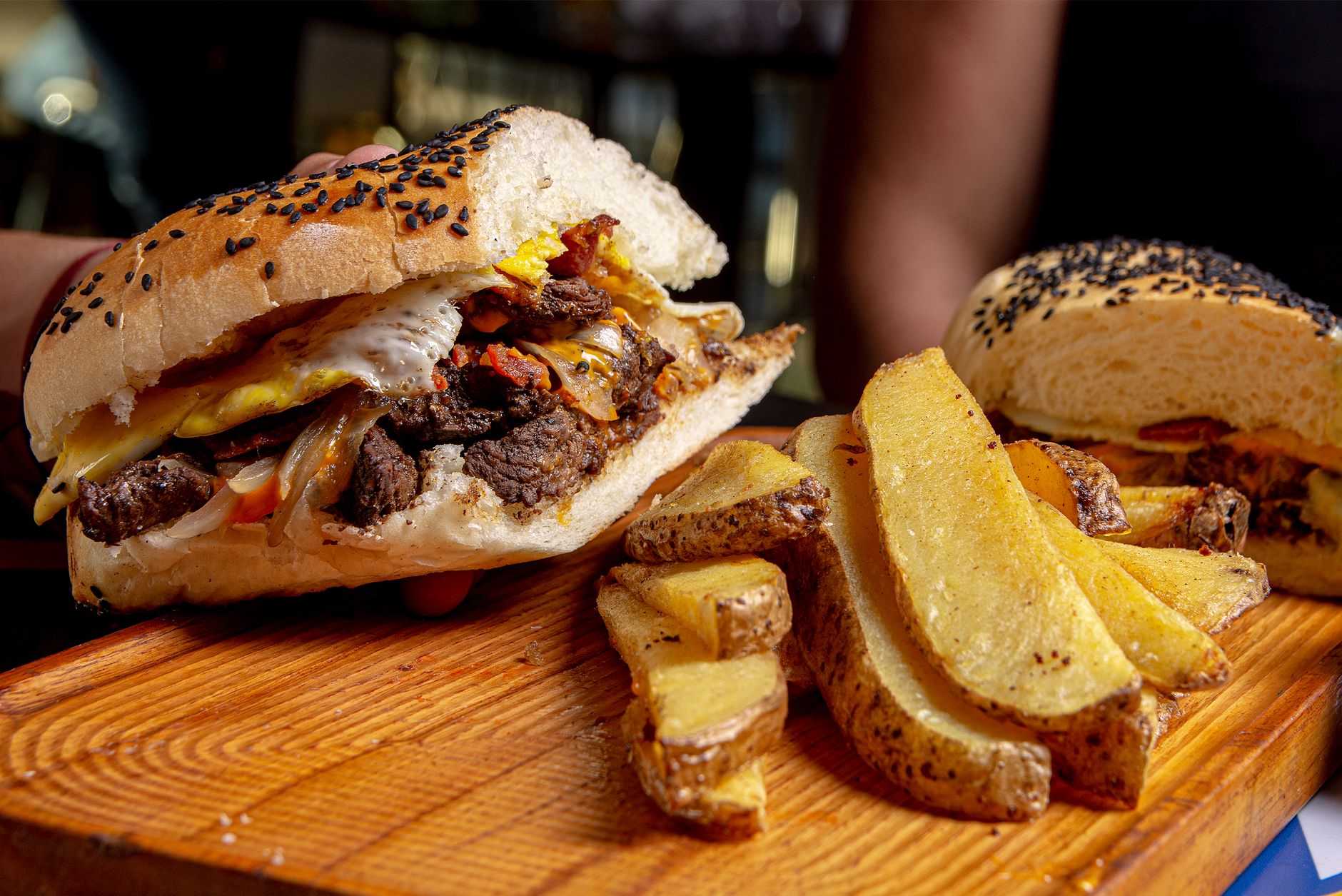
Steak fries are a fan favorite, loved for their thick, hearty texture and satisfying crunch. But the secret to making the best potatoes steak fries lies in picking the right potato variety. Whether you want ultra-crispy edges or a rich, creamy center, the type of potato you choose will make all the difference. Russet potatoes are often the go-to for classic steak fries, but Yukon Golds shine with their buttery flavor and slightly different texture. Lets explore which potatoes work best and how to bring out their full potential, so your steak fries come out restaurant-worthy every time.
Why Potato Choice Matters
Not all potatoes are created equal, especially when it comes to steak fries. The potatos starch and moisture content directly affect how the fries cook, crisp, and taste. Potatoes with high starch content will deliver a fluffier interior and crisp exterior, while waxy potatoes tend to hold their shape with a creamier texture but less crunch. Understanding these differences helps you choose the best potato for your preferred steak fry style.
What Are the Key Potato Varieties for Steak Fries?
Lets look at the main contenders when it comes to potatoes for steak fries:
- Russet Potatoes: Known for their high starch content and low moisture, russets are ideal for crispy, fluffy fries. Their rough skin also crisps nicely when fried or baked.
- Yukon Gold Potatoes: Medium starch with a creamier, buttery taste, Yukon Golds hold their shape well and add a richer flavor to steak fries.
- Other Varieties: Red potatoes and fingerlings can be used but usually dont achieve that classic steak fry texture due to their waxier nature.
How Do Russet and Yukon Gold Potatoes Compare for Steak Fries?
Choosing between Russet and Yukon Gold depends on the kind of steak fries you want:
- Texture: Russets develop a very crispy exterior with a fluffy inside. Yukon Golds have a creamier, denser interior and a moderately crispy outer layer.
- Flavor: Russets have a clean, neutral flavor, making them versatile for all seasoning styles. Yukon Golds bring a natural buttery richness even without extra seasoning.
- Cooking Time: Russets may take a bit longer to cook fully due to their higher starch, while Yukon Golds cook faster and brown quicker.
- Nutrition: Both are good sources of potassium and fiber, but Yukon Golds contain slightly more vitamin C and antioxidants thanks to their yellow flesh, according to USDA FoodData Central.
How To Make Crispy Steak Fries
Perfect steak fries rely on more than just potato choice. Here are practical tips to prep, cook, and season both Russets and Yukon Golds for outstanding results.
How To Prep Russet Potatoes for Perfect Steak Fries
Start by peeling (optional) and cutting russets into uniform - 1 inch thick steak fry shapes. Soak the cut potatoes in cold water for 3045 minutes to remove excess surface starch. This prevents sticking and improves crispiness.
After soaking, drain and dry thoroughly with a clean kitchen towel or paper towels. The drier your potatoes, the better they crisp.
When cooking, use oils with high smoke points like peanut, canola, or sunflower oil. Preheat your oven to 425F (220C) if baking. For frying, heat oil to 350F (175C). Avoid overcrowding pans to ensure each fry crisps evenly.
How To Prep Yukon Gold Potatoes for Flavorful Fries
Yukon Golds dont need peeling unless you prefer it. Cut thickness should be similar to Russets for even cooking. Since Yukon Golds are waxier, soak briefly (1520 minutes) to avoid losing too much moisture.
Pat dry thoroughly. To enhance crispiness without drying out the creamy interior, parboil Yukon Gold fries in salted water for 5 minutes, then cool before cooking. This helps set the texture.
Use olive oil or a mix of olive and vegetable oils for that rich, golden color and flavor. Bake at 425F (220C) for about 2530 minutes or air-fry at 400F (200C) for 1520 minutes, tossing halfway.
| Prep time | Cook time | Total time | Servings | Calories | Diet tags |
|---|---|---|---|---|---|
| 15 minutes | 25 minutes | 40 minutes | 4 | 220 kcal per serving | Halal, Gluten-Free, Vegan |
Best Steak Fries Recipe for Each Potato Type
Classic Crispy Russet Steak Fries
- Preheat oven to 425F (220C).
- Cut 4 large Russet potatoes into inch thick fries.
- Soak in cold water 45 minutes, then drain and dry well.
- Toss fries with 3 tbsp peanut oil, 1 tsp salt, and tsp black pepper.
- Arrange fries in a single layer on a baking sheet.
- Bake 2530 minutes, flipping halfway, until golden and crispy.
- Serve hot, optionally sprinkled with fresh herbs or garlic powder.
Buttery Yukon Gold Steak Fries
- Preheat oven to 425F (220C).
- Cut 4 large Yukon Gold potatoes into inch thick strips.
- Parboil in salted water for 5 minutes, then drain and cool.
- Toss with 2 tbsp olive oil, 1 tsp salt, 1 tsp smoked paprika.
- Arrange on baking tray in a single layer.
- Bake 25 minutes, turning halfway for even browning.
- Enjoy warm with a sprinkle of fresh parsley or your favorite dip.

| Feature | Russet Potatoes | Yukon Gold Potatoes |
|---|---|---|
| Starch Content | High | Medium |
| Exterior Crispiness | Very Crispy | Moderately Crispy |
| Interior Texture | Fluffy | Creamy |
| Flavor Profile | Neutral, classic potato | Buttery, rich |
| Cooking Time | Longer | Shorter |
| Best Cooking Methods | Deep fry, bake | Bake, pan fry |
Chef and Grower Insights
According to chefs specializing in casual dining, Russets are favored for that quintessential crispy steak fry, with their ability to hold up in a deep fryer or oven. However, Yukon Gold potatoes are cited for adding a gourmet touch thanks to their buttery flavor and golden hue. Potato growers also recommend rotating varieties based on seasonality and customer preference, hinting that experimenting with your choice can lead to delightful results. The Halal certification body JAKIM, well respected by many, ensures the potatoes and any seasonings in processed products meet strict standards, giving peace of mind in Halal kitchens.
Common Mistakes to Avoid
- Skipping the soak: Surface starch creates soggy fries and prevents crispness.
- Cutting uneven fries: Thin pieces cook faster and burn, while thick fries stay undercooked.
- Wrong oil temperature: Too low leads to greasy fries, too high burns the outside.
- Overcrowding: Fries must have space to crisp; crowding traps steam.
- Neglecting seasoning: Salt fries immediately after cooking for better absorption, seasoning earlier can cause sogginess.
Trying to speed through these steps often leads to disappointment. Taking time for each will improve your steak fries taste and texture significantly.
For frozen fries or prepping other vegetables for your meal, check out how to freeze celery a handy skill that pairs well with your homemade fries.
When is the best time to eat steak fries?
Steak fries are best eaten fresh and hot, within 1015 minutes of cooking. This is when their exterior is crispy, and the inside remains fluffy or creamy. Reheating can be done in an oven or air fryer to restore texture, but avoid microwaving as it softens fries quickly.
Is the best potatoes steak fries actually Halal what should I check?
Potatoes themselves are naturally Halal. When buying packaged or processed steak fries, check for Halal certification logos from respected bodies like JAKIM, HMC, or IFANCA. Verify ingredients and exclude any additives derived from non-Halal animals. For homemade fries, ensure all oils and seasonings comply with Halal standards.
Can I use other potato types besides Russet and Yukon Gold?
You can use red potatoes or fingerlings, but their waxier texture means your steak fries will be less crispy and more dense. These types are better suited for roasted potatoes than classic steak fries.
Should I peel potatoes before making steak fries?
Peeling is optional. Russets often have thick skins that crisp nicely and add texture, while Yukon Gold skins are thinner and tender. Leaving skins on adds fiber and nutrients but ensure they are washed thoroughly before cooking.
What is the best oil for frying steak fries?
Oils with a high smoke point, like peanut oil, canola oil, or sunflower oil, are best for deep frying. For baking, olive oil adds flavor but has a lower smoke point, so watch oven temperature. Avoid butter for high-heat frying as it burns easily.
How long should I soak potatoes before cooking?
Soaking times vary: Russets need 3045 minutes to remove excess starch, while Yukon Golds only 1520 minutes to avoid losing moisture. Soak in cold water, never hot, to maintain texture.
Can I air-fry steak fries using these potatoes?
Yes, both Russet and Yukon Gold potatoes air-fry beautifully. For Russets, set the air fryer to 400F (200C) for 1822 minutes, shaking halfway. Yukon Golds need slightly less time, about 1520 minutes, for a golden crust and tender center.
Pro Tips for Steak Fries Success
- Balance texture: For a crispy outside with a creamy inside, parboil potatoes briefly before frying or baking, especially for Yukon Golds. This helps set the starch and reduce cooking time.
- Dont skip drying: Wet potatoes steam instead of crisp. Pat dry thoroughly after soaking or parboiling for optimal crunch.
- Season last: Salt fries immediately after cooking to let the seasoning stick without drawing out moisture during cooking.
- Experiment with seasoning blends: Classic salt and pepper work well, but try garlic powder, smoked paprika, or Parmesan for gourmet twists.
- Use quality oil: Cheap oil can break down quickly or add off-flavors. Choose fresh oils with neutral taste and stable smoke points.
For added value during grocery shopping, consider pairing your purchases with a best credit card for groceries to maximize savings, especially if you buy potatoes regularly for homemade fries and other meals.
More You Might Like
- Freeze celery: Learn how to extend the shelf life of your fresh veggies with proper freezing techniques.
- Explore other Halal-certified cooking oils and how to select the best ones for frying your favorite dishes.
- Discover simple side dishes perfect with steak fries, including Halal-friendly dipping sauces and dressings.
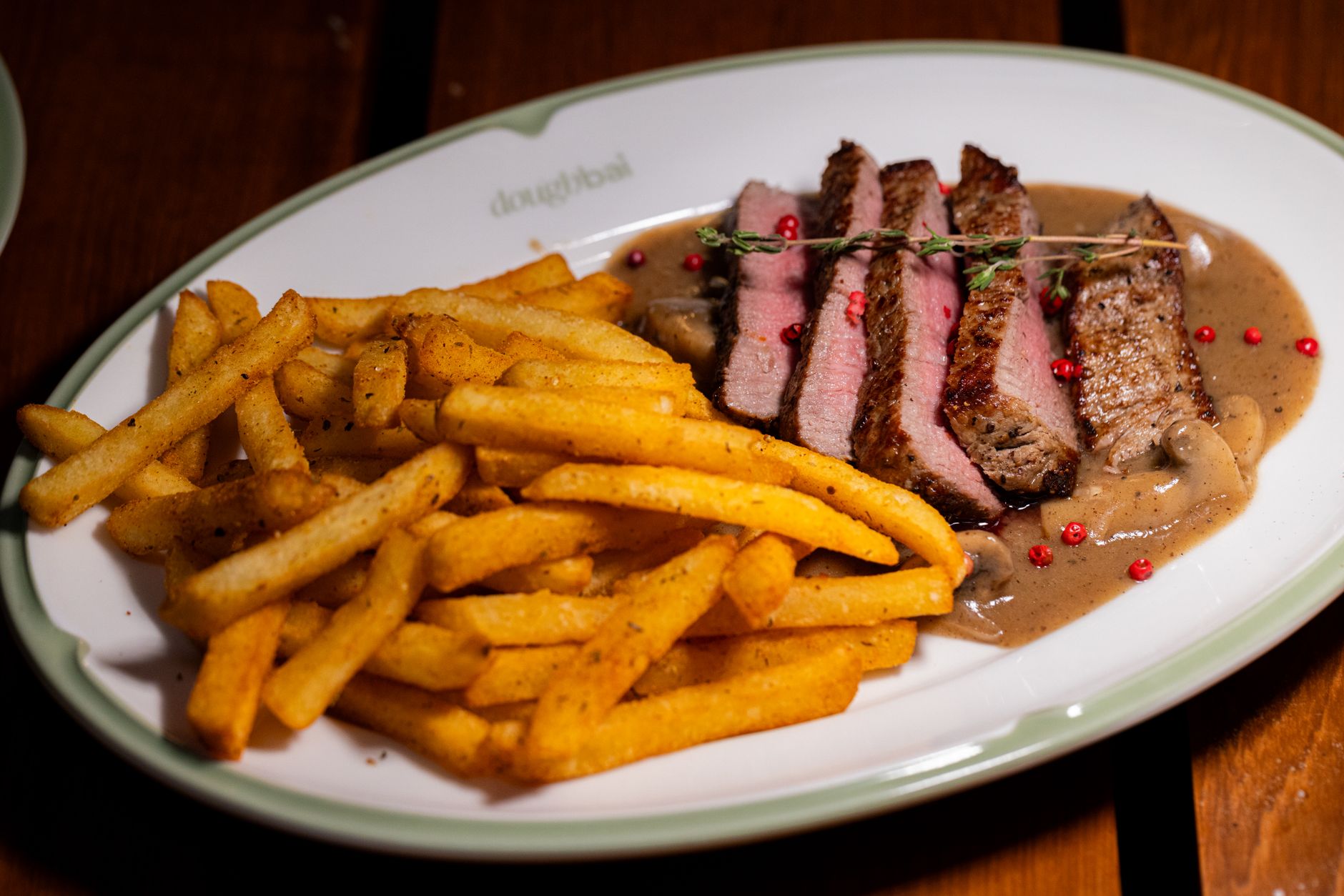
The best potatoes steak fries depend on what you want from your fries. Russet potatoes offer unbeatable crispiness with a fluffy interior, perfect for classic steak fries. Yukon Gold potatoes bring a rich, buttery flavor with a creamy texture that offers a delicious alternative. Next time you shop, check your potato labels carefully, try both types, and enjoy the journey toward perfect homemade steak fries. Feel free to share your favorite methods and seasoning tips in the comments!
FAQs
Is best potatoes steak fries actually Halal — what should I check on the label?
Potatoes are naturally Halal, but for packaged or processed steak fries, look for Halal certification logos from bodies like JAKIM or HMC. Also verify ingredients to avoid any non-Halal additives. For homemade fries, ensure oils and seasonings used comply with Halal standards.
When is the best time to eat or drink best potatoes steak fries?
Steak fries are best eaten fresh and hot, within 10-15 minutes after cooking. This timing ensures a crispy exterior and a fluffy or creamy interior. Reheating in an oven or air fryer can help restore crunch, but avoid microwaving as it softens the fries.
How long do fresh potatoes for steak fries last after opening?
Fresh potatoes should be stored in a cool, dark, and dry place and usually last 1-2 weeks after purchase. Once cut for fries, they should be cooked immediately or soaked briefly to prevent browning and spoilage. Avoid storing cut potatoes too long to maintain quality.
What is the difference between Russet and Yukon Gold potatoes for steak fries?
Russets have high starch for a fluffy interior and very crispy exterior, making them classic for steak fries. Yukon Golds have medium starch with a creamier interior and buttery flavor, offering a richer taste but less crispiness compared to Russets.
Where can I buy the best potatoes for steak fries?
High-quality Russet and Yukon Gold potatoes are available at most grocery stores, farmers markets, and online halal-certified suppliers. Look for firm, blemish-free potatoes with no green spots and check for Halal certification if buying processed fries.