When organizing your kitchen, you might wonder about the differences between a larder vs pantry. Both are dedicated spaces for storing food, but they arent quite the same. Understanding their distinct roles can help you decide which fits your kitchen style, lifestyle, and food storage needs better. Whether you want an energy-efficient way to store your essentials or a versatile modern setup, knowing the key contrasts makes all the difference.
What Are They?
What Is a Larder?
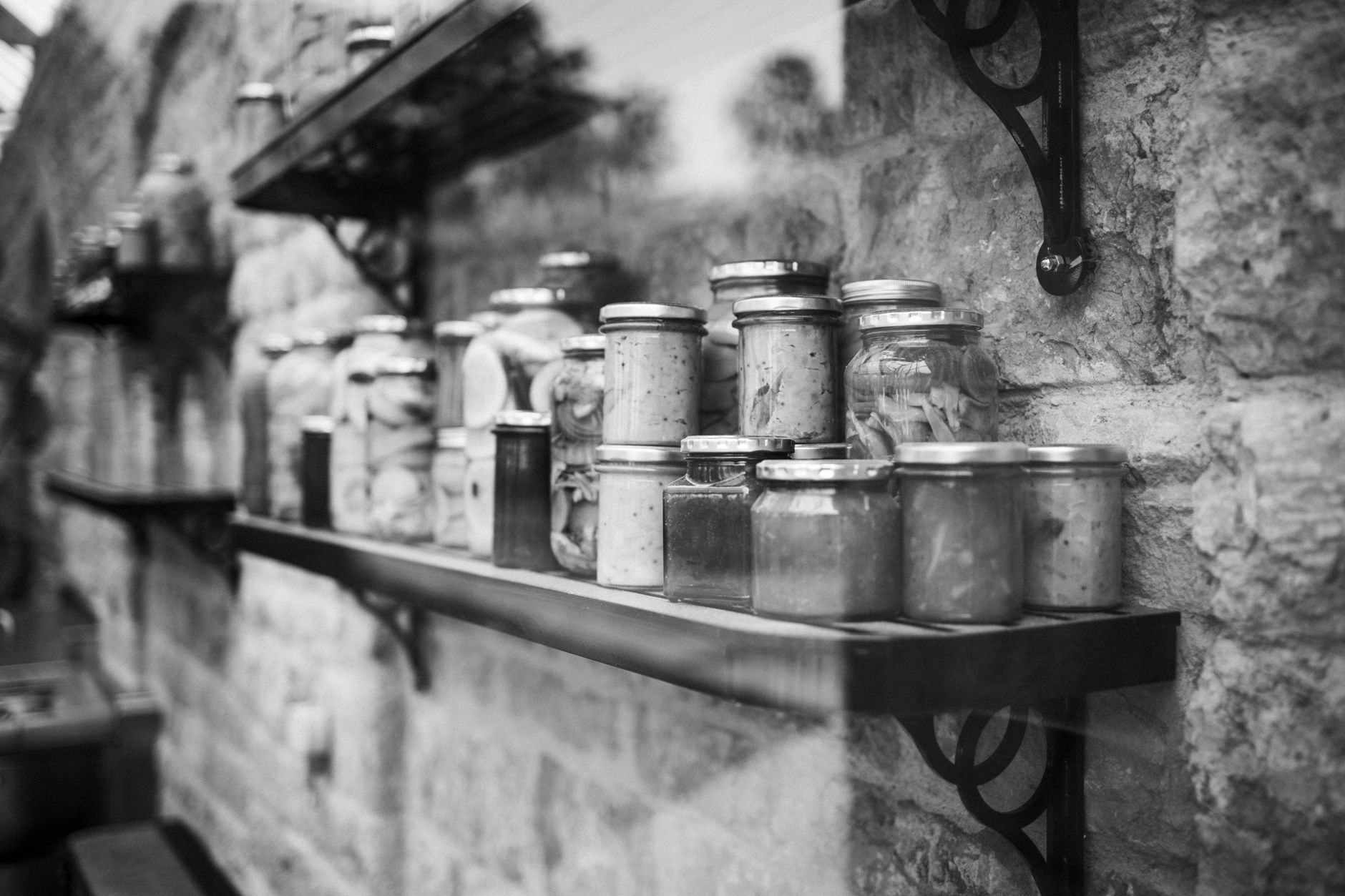
A larder is a cool, ventilated storage space traditionally used to keep perishable foods like dairy, meats, and fresh produce before refrigeration was commonplace. Historically, it was a small room or cupboard located in a cool part of the house, often with stone or tile surfaces to maintain a lower temperature naturally.
Today, larders may be integrated modern pantries with ventilation systems but still emphasize cool, dry storage. They are perfect for foods that benefit from slightly lower temperatures without freezing, such as butter, cured meats, eggs, and root vegetables.
Larder Benefits
- Natural cooling reduces energy consumption
- Preserves freshness of certain foods longer
- Compact and often closer to the kitchen workspace
- Historically known for preventing spoilage without refrigeration
What Is a Pantry?
A pantry is generally a larger, more versatile storage space designed to hold an extensive range of food products, often non-perishables like grains, canned goods, spices, and snacks. Modern pantries can be walk-in rooms or cabinetry with adjustable shelving and organizing accessories.
Pantries provide easy access to a wide variety of grocery items, allowing you to keep your kitchen counters uncluttered while storing bulk items or specialty products, including Halal-certified groceries or gluten-free snacks.
Pantry Storage Ideas
- Adjustable shelves to fit large or small containers
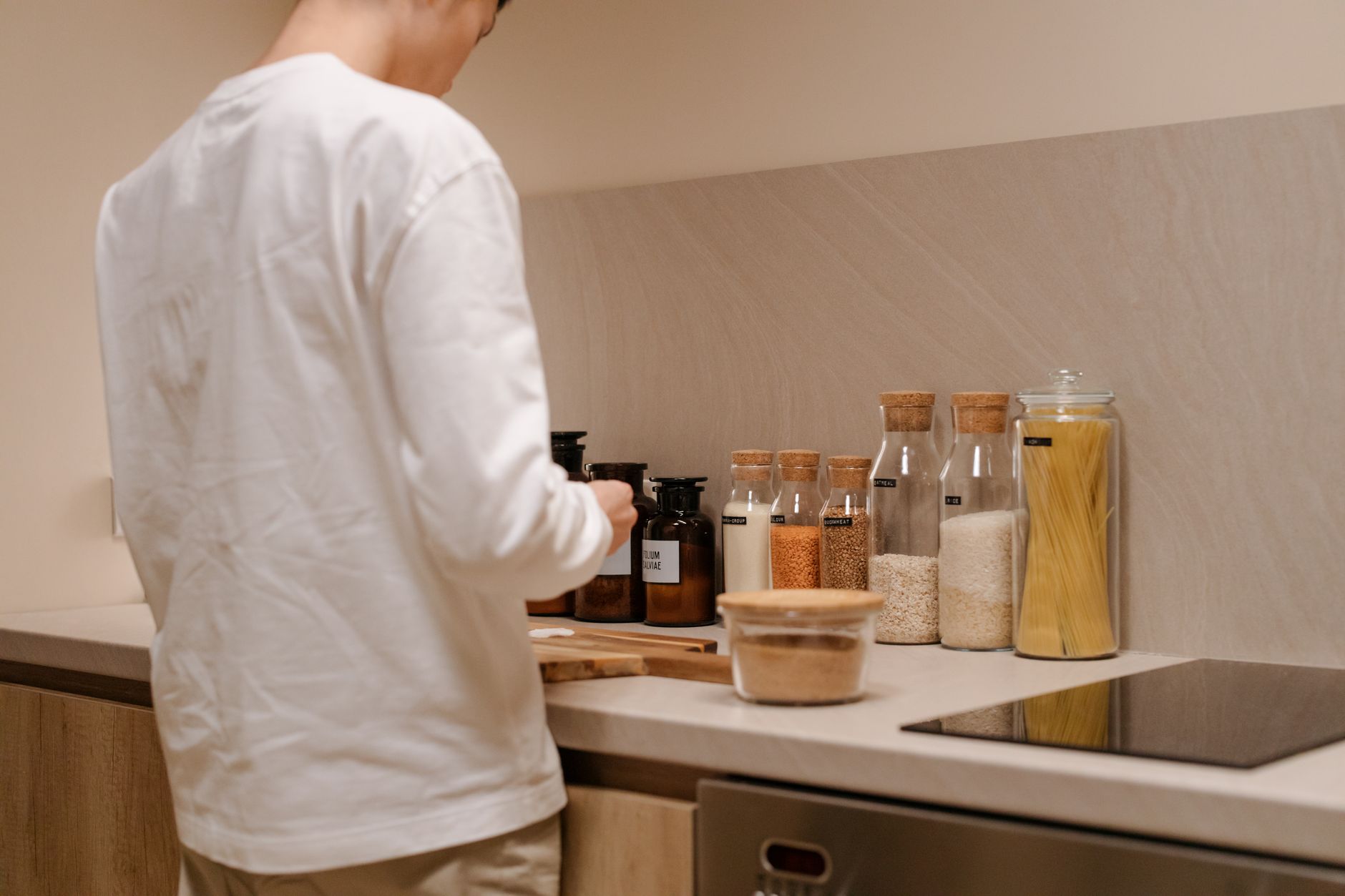
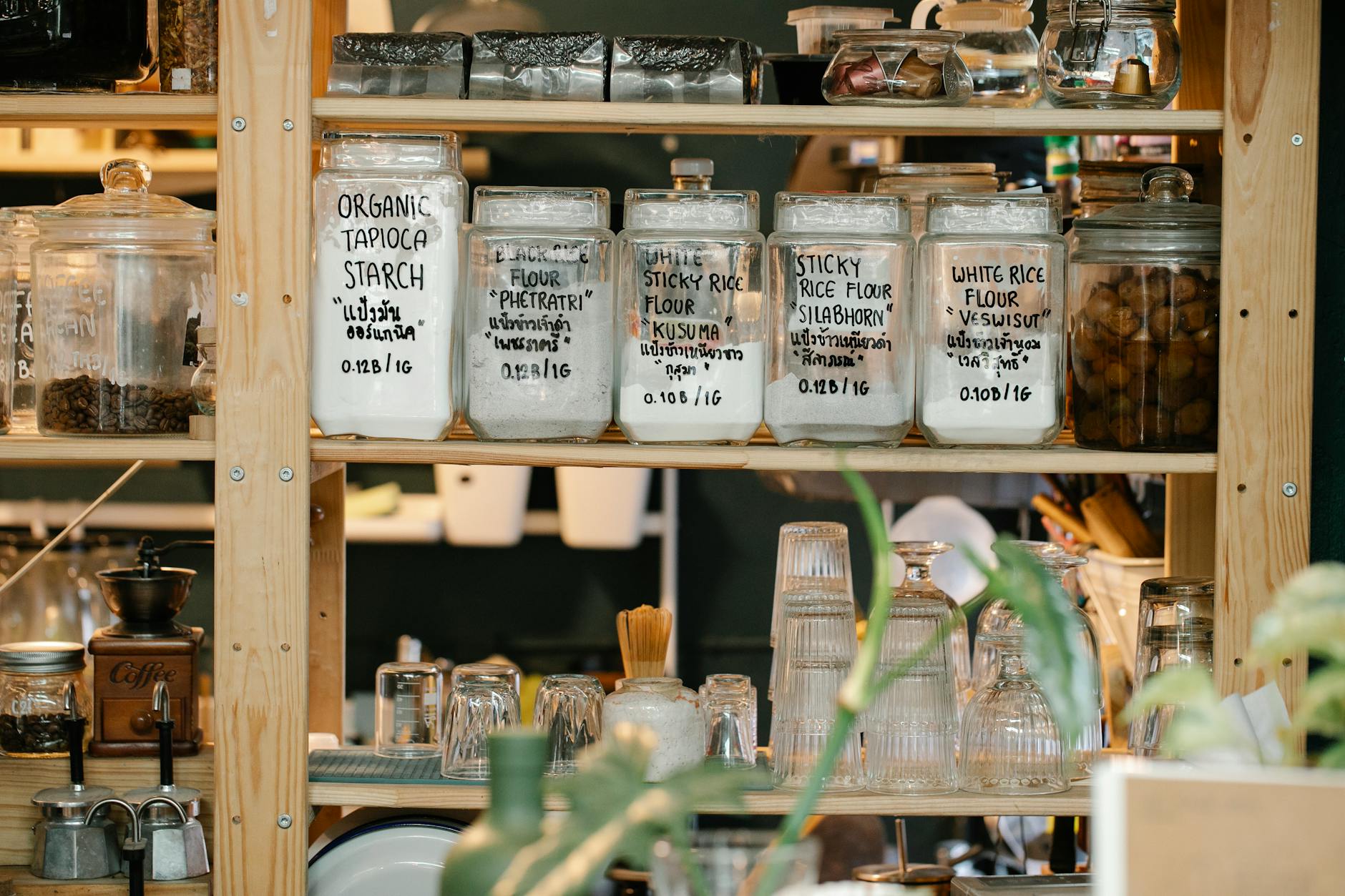
- Clear jars and baskets for visibility and air circulation
- Labeled containers for easy identification
- Use of airtight containers to preserve freshness and prevent pests
Pantry Vs Closet: Whats the Difference?
People sometimes confuse a pantry with a kitchen closet, but they serve differing roles. A pantry is food-specific storage, typically designed to support food preservation and organization. A closet, by contrast, might be used broadly for household or cleaning items and may lack the climate control or setup needed for food safety.
Key Differences
Location and Design
A larder is often positioned in a cool, shaded area, such as a basement or a thick-walled room that stays naturally cooler throughout the day. In contrast, pantries are often adjacent to or within the kitchen itself, emphasizing convenience over cooling. Pantries offer flexible shelving systems to store items of varied sizes.
Temperature and Ventilation
Larders rely on natural ventilation and thermal mass to maintain lower temperatures, ideal for slowing spoilage in some foods without refrigeration. Pantries typically are sealed, temperature-neutral spaces better suited to non-perishables. Some modern pantries even include small refrigerators or humidity controls.
Food Types Stored
Larders excel at storing fresh produce like potatoes, apples, eggs, and certain Halal-certified dairy products that need cool but not freezing temperatures. Pantries store longer shelf-life items such as grains, canned Halal meats, baking supplies, Halal snacks, beverages, and confectionery items.
Maintenance and Cleaning
Larders require occasional attention to airflow and pest prevention due to their cooler, sometimes damper environment, while pantries focus mainly on organization and avoiding clutter buildup. Pantries usually undergo straightforward cleaning since dry food storage presents fewer spoilage risks.
Which One Is Best for You?
Assess Your Kitchen Space
Consider your kitchen layout: Do you have an unused corner or adjacent small room? A larder requires a cool spot, possibly separate from the main cooking area, while a pantry can be built into a kitchen cabinet design. Small kitchens may benefit more from a streamlined pantry, but larger homes might accommodate both.
Lifestyle and Cooking Habits
If you often cook with fresh ingredients and specialty Halal meats or dairy, a larders cool storage helps prolong food quality. For casual cooks or bulk buyers stocking up on Halal groceries, snacks, and baking ingredients, a spacious pantry with easy organization is often preferred.
Budget and Renovation
Setting up a larder can be more complex and costly if you need ventilation or temperature regulation installed. Pantries, especially cabinet-style, are usually easier and cheaper to create or upgrade. While both add value, choose based on your renovation scope.
Real-World Examples
Many families with children prefer pantries for quick snack access while chefs or serious home cooks favor larders to store fresh meat, dairy, and produce safely. In hot climates, pantries with climate control may be better; cooler, temperate regions benefit from traditional larders.

Pantry Organization Tips
How to Organize Your Pantry Like a Pro
Start by grouping similar items together: grains, canned foods, snacks, beverages, and Halal-certified products in separate sections. Use clear labeling for containers and keep frequently used items at eye level. Rotate older stock to the front to reduce waste.
Best Containers and Accessories
Choose airtight glass jars for dry goods to prevent moisture and pests. Baskets or bins help corral smaller packets. Labeling helps everyone in the family locate Halal snacks and groceries quickly. Color-coded containers can separate dietary needs, such as gluten-free or organic items.
Common Mistakes to Avoid
- Overstuffing limits airflow and visibility.
- Ignoring expiration dates label storage dates clearly.
- Using opaque containers that hide contents.
- Failing to separate allergen-containing foods from Halal-certified items.
Larder Benefits
Energy Efficiency
A larders natural cooling reduces reliance on electrical refrigeration, helping you cut energy bills. For homes following stricter Halal principles, it supports storage without artificial preservatives.
Preserving Food Without Refrigeration
Foods like eggs, cured meats, fresh dairy, and some fruits last longer when kept in a ventilated and cool environment. This traditional method aligns well with health-conscious lifestyles aiming to minimize processed foods.
Design Tips
Use thick stone or brick walls for better insulation. Add screened vents to keep insects and rodents out. Install sturdy wooden or metal shelves for airflow. Keep the area tidy and check regularly for humidity or mold.
How does a larder compare to using a fridge? Are they complementary?
Larders offer cool, dry conditions ideal for certain foods, while refrigerators provide cold temperatures for perishable items requiring freezing or chilling. Many kitchens combine both a larder for stable cool storage and fridge for fresh, highly perishable foods.
Is larder storage suitable for Halal meat?
Yes, but only for specific types like cured or cooked Halal meats kept under cool conditions. Fresh Halal meats require refrigeration or freezing to prevent spoilage and maintain food safety as regulated by JAKIM or relevant Halal certification bodies.
Can I convert a pantry into a larder?
Yes, by enhancing ventilation and cooling. Adding vents, insulation, and proper shelving can improve air circulation, making it suitable for larder-type storage. However, it requires careful planning to maintain the correct temperature and humidity.
Whats the best way to store Halal-certified beverages? Pantry or larder?
Most Halal-certified beverages, such as fruit juices or canned drinks, store best in a pantry with stable, room-temperature conditions, away from direct sunlight. Refrigeration is necessary only after opening or if the beverage is perishable.
How to avoid pests in a pantry or larder?
Use airtight containers, clean shelves regularly, and avoid storing expired foods. Inspect groceries for infestation before storing. For larders, sealed vents and natural repellents like bay leaves or cloves help keep insects at bay.
Can pantry organization help with managing food allergies?
Absolutely. Designating specific shelves or containers for allergen-free or Halal products helps avoid cross-contamination. Clear labeling and consistent storage habits ensure safer access for family members with special dietary needs.
Pro Tips for Food Storage
One common mistake is neglecting airflow in both larder and pantry spaces. Overcrowding without proper ventilation can cause moisture buildup and spoilage. Experts recommend spacing containers to allow air circulation.
Cheap storage containers often lack airtight seals, leading to rapid food degradation. Investing in high-quality, BPA-free containers ensures longer freshness and easier cleaning. For Halal food storage, look for clear labeling indicating strict manufacturing standards and no cross-contact with Haram substances.
A kitchen designer suggests incorporating pull-out drawers or rotating shelves for the pantry to maximize accessibility. It makes grabbing your favorite Halal snacks or ingredients effortless, even in a larger pantry.
You might also find the Egg freshness test useful when storing fresh eggs in your larder or pantry, ensuring you use them at peak quality.
For bulk buying tips and storing diverse foods, the insights from Trump groceries storage habits might inspire your pantry setup.
Comparison Table: Larder vs Pantry
| Feature | Larder | Pantry |
|---|---|---|
| Typical Location | Cool, shaded room or basement area | Kitchen cabinet or adjoining room |
| Temperature Control | Natural ventilation, cooler temps | Room-temp, often sealed and dry |
| Food Types Stored | Fresh dairy, meats, eggs, vegetables | Dry goods, canned, snacks, beverages |
| Maintenance | Ventilation checks, pest control | Organization and cleanliness |
| Space Needed | Small to medium, location-limited | Flexible, from small cabinets to walk-in rooms |
What Are the Signs of a Well-Organized Pantry?
A well-organized pantry shows clear visibility of all items, grouped categories, easy access labels, and a lack of expired or duplicate products. This minimizes food waste and helps you stick to your healthy and Halal-conscious grocery list.
How to Store Baked Goods in a Pantry or Larder?
For Halal-certified bakery items, store in airtight containers to prevent staleness. Pantries work well for items like crackers and cookies, while bread often lasts longer in a larder with cooler temperatures and low humidity.
Are Wooden or Metal Shelves Better?
Metal shelves offer better longevity and pest resistance. Wooden shelves provide a warmer aesthetic but may absorb moisture and require more upkeep. Consider coated or sealed wood to maintain food safety and durability in either storage type.
How Often Should You Clean Your Pantry or Larder?
Clean both spaces every 1-2 months by wiping shelves, checking for pests, and discarding expired items. Regular inspections help maintain food quality and hygiene aligned with health-conscious practices.
Can a Larder Work in Humid Climates?
Traditional larders perform best in temperate climates. In humid areas, additional dehumidifying or mechanical cooling is recommended to prevent mold growth and maintain food safety.
Is It Safe to Store Fresh Produce in a Pantry?
Only certain sturdy fruits and vegetables that do not require refrigeration, like onions, potatoes, or garlic, thrive in pantries. More delicate fresh produce should go in the fridge or, if available, a properly ventilated larder.
Can You Use Plastic Containers for Pantry Storage?
Yes, but select BPA-free, food-grade plastics with airtight lids. Plastic is lightweight and convenient but can retain odors. Glass containers are often preferred for visibility and ease of cleaning.
Conclusion
The choice between a larder vs pantry depends on your kitchen size, cooking habits, and food types you want to store. A larder offers natural cooling benefits especially helpful for fresh Halal dairy and meats, while a pantry provides flexible, accessible storage for a wide range of groceries. Consider your space and needs carefully, and youll create a kitchen that keeps your Halal and health-conscious food fresh and organized. Next time you shop, check the label and think about where your food will live best in your home!
FAQs
Is larder vs pantry actually Halal — what should I check on the label?
Both larders and pantries can be Halal-compliant, but always check that stored products are certified Halal by trusted bodies. Look for clear labeling confirming no cross-contamination with Haram substances to ensure food safety and adherence to dietary rules.
How long do foods last in a larder or pantry after opening?
Shelf life depends on the food type; dry goods in pantries often last several months if sealed properly, while fresh produce in a larder may last a few weeks. Always check individual expiration dates and rotate stock to maintain freshness and safety.
What is the main difference between a larder and a pantry?
A larder is a cool, ventilated space suited for fresh dairy, meats, and produce, while a pantry is a room or cabinet primarily for dry and canned goods, focusing on organization rather than temperature control.
Is it safe to store fresh Halal meat in a larder?
Fresh Halal meat should be stored in refrigeration or a freezer to ensure food safety. Larders may store cured or cooked Halal meats under cool, ventilated conditions but are not suitable for raw fresh meat.
Where can I buy or upgrade a pantry or larder setup?
Kitchen and home stores offer pantry cabinetry and accessories, while custom builders or kitchen designers can help create or convert spaces into larders. Online retailers also provide storage containers and ventilation solutions for DIY upgrades.