Mountain Dew popularity runs deep in Appalachia, with roots that trace back to Tennessee where the beverage was originally created. This soft drink is far more than just a fizzy refreshmentits a cultural icon that grips taste buds and hearts across the Southern Appalachian region. Understanding why Mountain Dew remains so beloved here means looking beyond its citrusy flavor to the history, culture, and community connections that made it a staple on many shelves.
Appalachian Roots
What Is the History Behind Mountain Dews Creation in Tennessee?
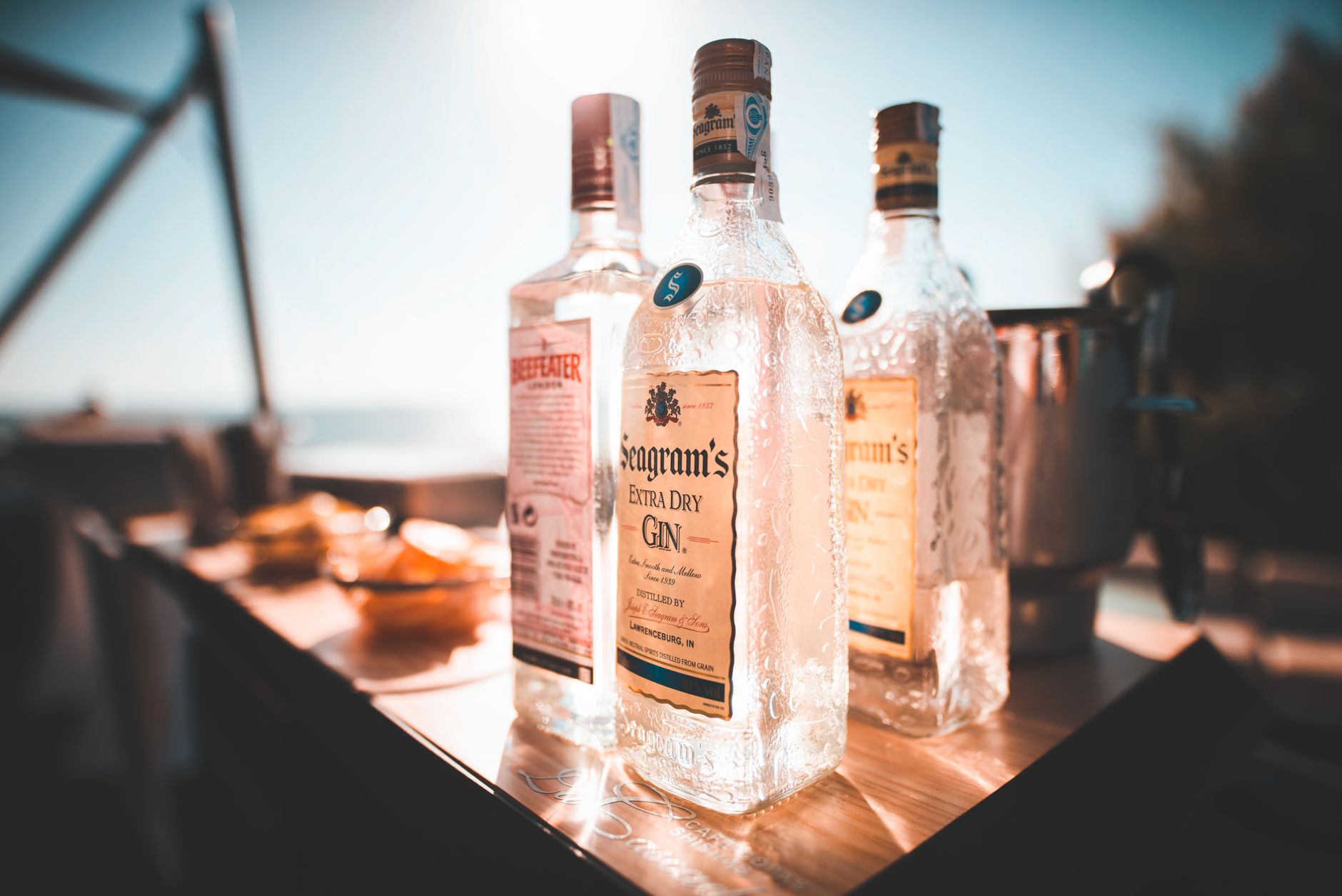
Mountain Dew began in the 1940s, invented by Barney and Ally Hartman, two beverage bottlers from Tennessee. Originally, it was formulated as a mixer for whiskey, with a bold, citrus taste that complemented Southern spirits. The earliest recipes included local ingredients like concentrated lemon and lime juices mixed with sugar. This regional drink quickly caught on beyond cocktails, becoming a soda popular for its unique flavor and affordable price.
Over time, the formula evolved, switching from handcrafted batches to mass production by PepsiCo following their acquisition in the 1960s. Despite changes, the essence of Mountain Dew‘s spirited character stayed intact, rooted in those early Appalachian flavors and traditions.
How Did Mountain Dew Become a Staple in Appalachian Households?
The rise of Mountain Dew in Appalachian homes wasnt accidental. Local marketing campaigns targeted the Souths rural populations where sugary soft drinks became an affordable luxury. Compared to other carbonated drinks available at the time, Mountain Dews energetic image and distinct taste gave it an edge, especially among younger consumers and workers needing a quick caffeine boost.
Word-of-mouth and community gatherings helped spread its popularity. Many families adopted it as their go-to soda, often associating it with outdoor activities, picnics, and meals. Mountain Dews accessibility and refreshing quality turned it into a household staple, making it a recognizable symbol of everyday life in the region.
Why Does Mountain Dew Resonate Specifically with Tennessee and Southern Appalachia Communities?
Mountain Dew embodies more than flavor; it represents regional pride. In Appalachia, where tradition and community matter hugely, the drink connects generations. Locals often view it as a nostalgic emblem, a reminder of family gatherings and childhood memories.
Its presence at local festivals and county fairs strengthens this bond, creating social rituals around the brand. Some see it as a badge of cultural identity, something that sets the region apart in a nationwide soda market dominated by larger, less regionally-focused competitors.

Popularity Benefits and Risks
What Are the Benefits of Mountain Dews Popularity in Appalachia?
Mountain Dews popularity helps inflate local economies by supporting distributors and retailers, generating jobs in bottling plants and sales channels. Its strong brand presence boosts regional convenience stores, many of which thrive on selling familiar drinks to loyal customers.
The beverage often acts as a social catalystshared Mountain Dew moments during hiking trips, sporting events, or family barbecues create shared experiences that foster community connections. Its more than a drink; its about the lifestyle accompanying it.
What Health Risks or Controversies Surround Mountain Dew Consumption?
Acknowledging Mountain Dews health considerations is important, especially for health-conscious communities. According to the USDA FoodData Central, a 12-ounce can contains around 54 grams of sugar and 54 milligrams of caffeine. High sugar content can contribute to risks such as obesity, diabetes, and dental problems if consumed excessively.
The beverages caffeine levels, while moderate, may cause issues for sensitive individuals or children. Community health advocates often encourage moderation. Balancing the enjoyment of Mountain Dew with awareness of its nutritional data helps consumers make informed choices while still appreciating the drink culturally.

Regional Drink Landscape
How Does Mountain Dew Compare to Other Tennessee Beverages?
Mountain Dew stands out among Southern and Tennessee soft drinks with its vibrant citrus flavor and energizing caffeine kick. Unlike sweeter colas or cream-flavored sodas, its tart taste meets preferences for a sharper flavor profile common in the region.
Market share data places Mountain Dew consistently among the top sodas sold in Appalachia, often outperforming competitors in smaller towns and rural areas. This strength is bolstered by brand loyalty and frequent product innovation that keeps Mountain Dew relevant among loyal fans.
Are There Notable Special Editions or Variations Tied to Appalachia?
Mountain Dew has released numerous limited editions and flavors, some targeted regionally. While not all are exclusive to Appalachia, certain collaborations feature packaging or flavors reflecting Southern culture. These releases can renew enthusiasm among collectors and locals.
Occasionally, promotional campaigns tie into Appalachian events or use imagery resonant with the regions outdoor lifestyle. These tailored editions deepen the brands local ties, making it feel fresh while respecting its heritage.
Community and Expert Views
What Do Beverage Industry Experts Say About Mountain Dews Enduring Appeal?
Experts highlight Mountain Dews success as a case study in regional branding and emotional engagement. Beverage analysts note that the sodas ability to adapt while maintaining core identity fuels its longevity. The well-balanced flavor, caffeine content, and effective grassroots marketing have kept it competitive for decades among soft drinks.
Experts also point out how regional pride translates into steady sales, showing that cultivating meaningful cultural connections pays off for brands.
How Do Locals Describe Their Personal Connection to Mountain Dew?
Many Appalachian residents recall Mountain Dew as part of daily lifefrom childhood snacks to adult socializing. Store owners cherish it as a key inventory item tied to loyal repeat customers. Some families have traditions linked with the beverage, like special recipes or seasonal outdoor gatherings featuring Mountain Dew prominently.
Its not just soda, its a part of who we are, said one longtime retailer. Such sentiments demonstrate Mountain Dews role beyond just a drink, extending into regional identity and shared history.

Is Mountain Dew Actually Halal What Should I Check?
Mountain Dews ingredients are generally considered Halal-friendly as they typically contain carbonated water, high fructose corn syrup, citric acid, caffeine, natural flavors, and preservatives without animal-derived components. However, consumers should look for certification labels from recognized bodies like JAKIM, HMC, or IFANCA on the packaging to ensure compliance with Halal standards.
How Can I Read Mountain Dew Labels for Health and Halal Awareness?
When choosing Mountain Dew, check the ingredient list carefully. Sugar content per serving commonly exceeds 50 grams, which is high, so moderation is key. Look for certification logosJAKIM or IFANCA sealsto confirm Halal assurance. Some older or specialty store bottles may lack clear certification, so choose products from trusted retailers.
What Alternatives Exist for Halal-Conscious Soft Drink Consumers?
Consumers seeking Halal-certified beverages can explore options like fresh juices, herbal teas, or other certified sodas. At thucphamhalal.com, you can find comprehensive guides to Halal beverages with detailed certification info and nutritional facts tailored for health-conscious choices.
What Economic Effects Does Mountain Dew Have Locally?
Mountain Dews production and distribution create local jobs in bottling plants and retail spaces. Regional loyalty helps small convenience stores and groceries generate steady revenue, sustaining Appalachian economies. Plus, special editions boost short-term sales and draw visitors to local events.
Are There Seasonal Peaks in Mountain Dew Sales in Appalachia?
Yessummer months see spikes due to outdoor activities, barbecues, and festivals. Cooler weather can also boost sales as people seek energy during colder days. Regional promotions and holidays tied to Southern culture often boost sales as well.
Can Drinking Too Much Mountain Dew Have Negative Effects?
Excessive consumption risks include weight gain, increased blood sugar, and dental decay, mainly due to high sugar levels. Caffeine sensitivity may cause jitteriness or sleep disruption. Drinking in moderation and balancing with healthy foods is recommended, especially for children and people with pre-existing health conditions.
Any Tips on Enjoying Mountain Dew Healthily?
Try diluting Mountain Dew with mineral water to reduce sugar per serving. Choose smaller container sizes, limit intake to one small bottle a day, and avoid drinking it late in the day to protect sleep cycles. Alternating with water or Halal-certified herbal teas supports hydration and health.
More You Might Like
Curious how other popular beverages celebrate special occasions? Check out this Starbucks birthday drink for festive flavor ideas. Understanding your favorite drinks also means knowing serving sizes well heres a helpful guide on Starbucks coffee sizes to better match your caffeine intake.
Mountain Dew Buying Guide Table
| Certification | Price Range | Common Formats | Shelf Life | Key Allergens |
|---|---|---|---|---|
| JAKIM, HMC, IFANCA (look for label) | $1$3 per 12 oz can or bottle | Can (12 oz, 16 oz), Plastic bottle (20 oz, 2L) | 69 months unopened, 12 days after opening if refrigerated | None commonly; avoid if sensitive to caffeine or sugar |
Pro Tips for Mountain Dew Fans
Many buyers overlook checking the sugar content per serving and assume all Mountain Dew products are Halal-certified. Always verify certification logos to avoid surprises, especially when purchasing in international or specialty stores. Cheap knock-offs often lack authentic flavor and certification, diminishing your enjoyment and safety. One expert tip: try Mountain Dew with fresh lime wedges for a homemade twist that balances sweetness with natural tang.
Conclusion
Mountain Dew popularity stretches beyond flavor to deep cultural roots in Appalachia, blending taste with regional pride and tradition. Whether you enjoy it occasionally or regularly, understanding its origins, health factors, and certification details enriches your appreciation. Next time you shop, check the label carefully. Have a favorite Mountain Dew story or tip? Feel free to leave a comment and share it with us!
FAQs
Is Mountain Dew popularity actually Halal — what should I check on the label?
Mountain Dew’s ingredients are generally Halal-friendly, containing no animal-derived components. However, always look for certification logos from recognized bodies like JAKIM, HMC, or IFANCA on packaging to ensure compliance with Halal standards.
What is the shelf life of Mountain Dew after opening?
Once opened, Mountain Dew should be refrigerated and consumed within 12 days for best taste and safety. Unopened cans or bottles remain good for up to 69 months if stored properly.
How does Mountain Dew compare to other Tennessee beverages?
Mountain Dew stands out with its tart citrus flavor and caffeine content, appealing more to those seeking an energizing soda. It often outsells sweeter colas or cream sodas in Appalachian rural areas.
Is it safe to drink Mountain Dew daily considering health concerns?
Daily consumption is not recommended due to high sugar (around 54 grams per 12 oz) and caffeine content. Moderation helps avoid risks like obesity, diabetes, and sleep issues, especially for children and sensitive individuals.
Where can I buy authentic Halal-certified Mountain Dew products?
Buy Mountain Dew from trusted retailers and stores that clearly display Halal certification seals like JAKIM, HMC, or IFANCA. Specialty or international stores may carry uncertified products, so checking labels is important.