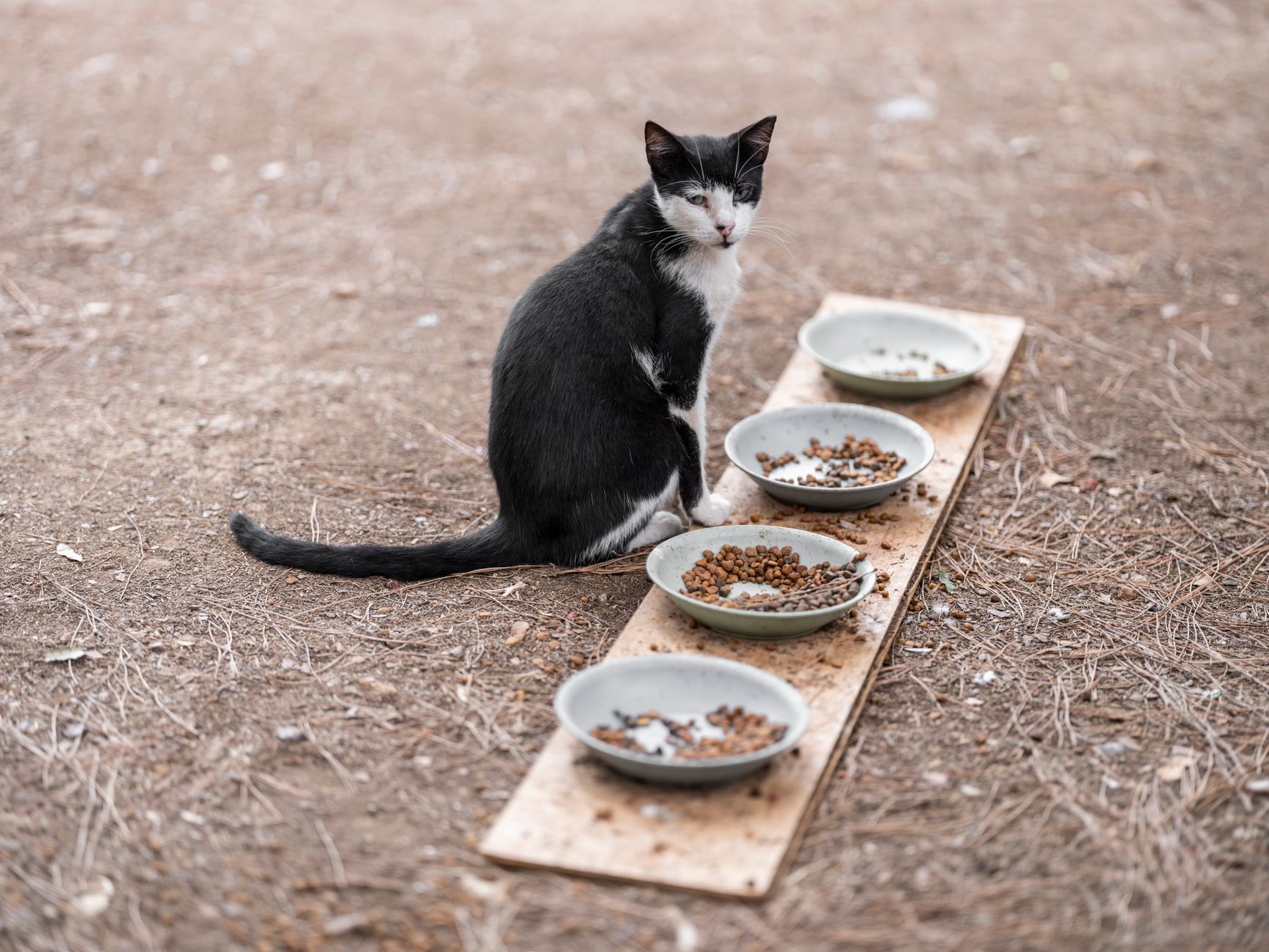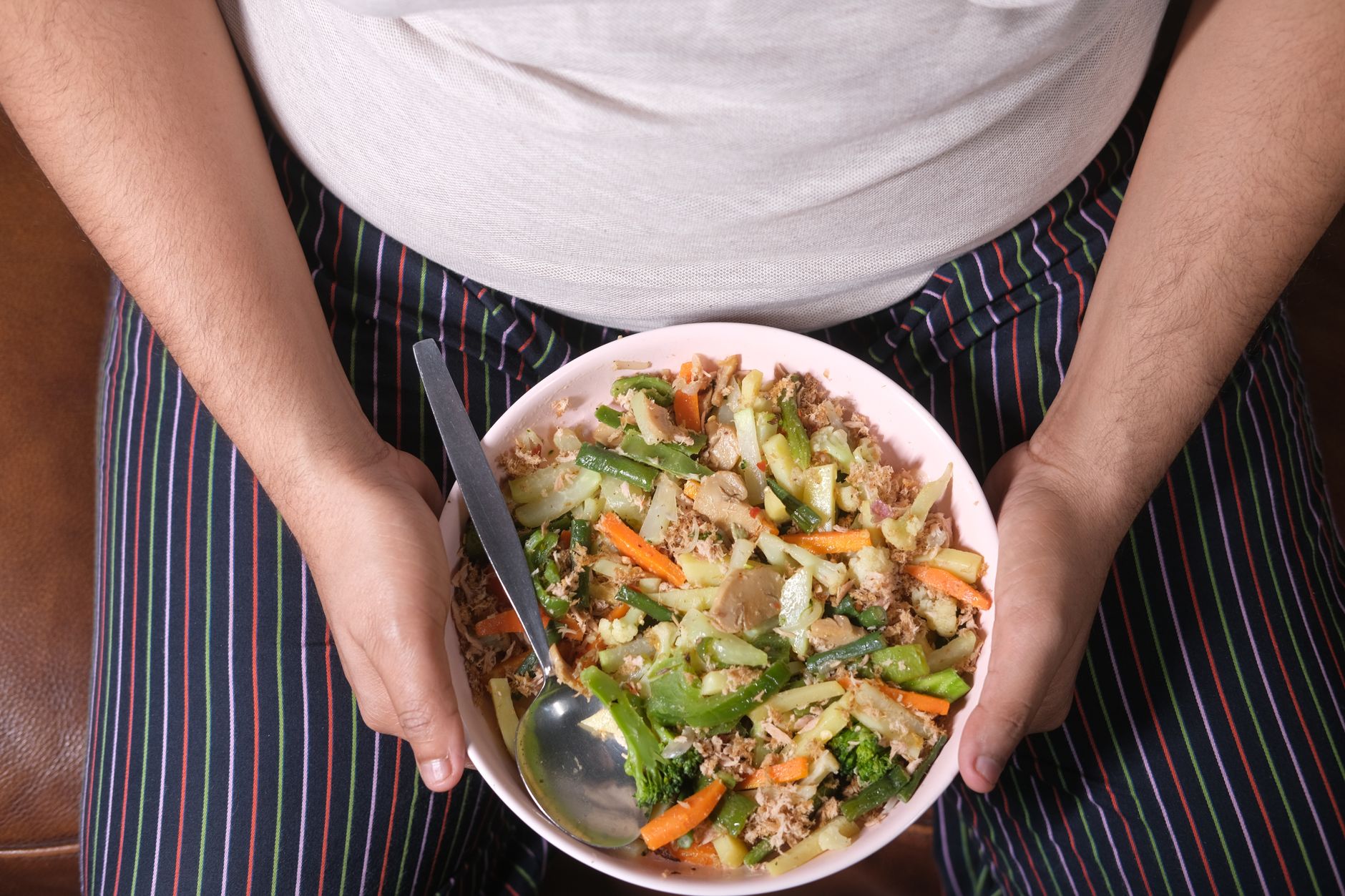
Alright, so youve noticed that your furry buddy has been tipping the scales a bit more than is healthy. Maybe its those extra treats, the relaxed lockdown lifestyle, or just a slower metabolism creeping in. Whatever the reason, youre here because you want to help your dog shed those extra pounds safely and effectively. And hey, who wouldnt want to do it with wholesome, homemade meals that you prepare yourself, knowing exactly whats going into the bowl?
Homemade dog food weight loss isnt just a trendy idea; its a thoughtful way to take control over your dogs nutrition and wellness. But its not about tossing together some random scraps and hoping for the best. Nope! Its about creating vet-approved, balanced recipes focused on lean proteins, smart carbs, and just the right vitamins to fuel healthy weight loss.
Why Homemade Food Helps With Weight Loss
You might be thinking, Why bother making homemade dog food when theres so much commercial dog chow out there? And thats a fair question. But heres the thing: homemade meals give you the superhero power to control every ingredient no mystery fillers, no sneaky calories hiding in additives. You can tailor portion sizes, ingredients, and nutrient balance specifically for your dogs weight-loss journey.
Think about it like this: commercial kibble formulas are designed for a broad range of dogs, often loaded with carbs or fats that arent ideal if your pup needs to slim down. With homemade food, you can focus on lean proteins like chicken or turkey, along with fiber-packed veggies that help keep your dog full but not stuffed with empty calories.
That said, just like with any diet, there are risks if things arent done right. Imbalances can crop up if you dont include vitamins and minerals or over-restrict calories, leading to sluggishness or nutrient deficiency. So, always approach homemade dog food weight loss with care and ideally with your vet's input.
Building the Perfect Weight-Loss Meal
Okay, now lets roll up those sleeves and talk ingredients the real keys to effective and tasty homemade dog food weight loss.
Protein: The Lean Muscle Builder
Protein should be the star of the show here, making up at least 10% of your dogs meal. Lean meats like chicken breast, ground turkey, or fish are fantastic because they satisfy hunger and help preserve muscle mass while your dog trims down. Avoid fatty cuts or processed meats; remember, we want healthy, not heavy!
Carbs & Fiber: The Energy and Tummy Helpers
Some carbs are good they fuel your dog's energy without loading on the pounds like junk food. Brown rice, oats, or sweet potatoes provide slow-releasing energy and fiber. Fiber is especially helpful because it keeps your dogs digestion on track and can curb overeating by making them feel fuller longer.
Vegetables like carrots, green beans, and broccoli are also great fibrous additions without the calorie overload. Just watch out for onions, garlic, and some other common veggies toxic to dogs.
Fats: The Essential Balancers
Dont shy away from fats completely theyre vital for healthy skin, coat, and vitamin absorption. The trick is to use healthy fats sparingly, like small amounts of fish oil or coconut oil. Balance is everything.
Vitamins and Minerals: The Silent Heroes
This is where it can get tricky. Homemade food without proper supplementation can miss out on essential micronutrients. Calcium, phosphorus, and vitamins like E, B, and D matter big time. Your vet can recommend the right supplements or multivitamins to add, or you can follow vet-approved recipes to cover all bases safely.
Starting Your Homemade Dog Food Weight Loss Journey
Its not just about the recipe; its about the whole plan. Before you toss your dogs favorite kibble to the side, do a little detective work and talk to your vet. Gauge your dogs current weight, body condition score thats a quick way vets check if your dogs under, overweight, or just right plus activity level and overall health.
Transitioning over to homemade food is like inviting your dog on a new diet adventure. Youll want to introduce the new meals gradually over 7-10 days, mixing increasing amounts of homemade food with the old diet to avoid tummy troubles. Keep a close eye on their digestion, energy, and appetite changes here matter.
Collaboration with your vet or a veterinary nutritionist is golden. They can help calculate precisely how many calories your dog should eat daily to lose weight safely (usually about 10-20% fewer calories than maintenance), and ensure the meals stay balanced.
And hey, weight loss doesnt happen overnight. Were talking weeks to months of consistent effort, love, and yes delicious homemade meals.
Try These Vet-Approved Weight Loss Recipes
Ready for some meal ideas that dont just tick the vet-approved box but are actually tasty to boot? Heres a general recipe framework to get you cooking:
Recipe 1: Lean Turkey & Veggie Mix
- 1 pound lean ground turkey
- 1 cup steamed broccoli, chopped
- 1 cup cooked brown rice
- 1 tablespoon coconut oil
- Calcium supplement (as recommended)
Cook the turkey thoroughly, steam the broccoli to soften it, and mix in the rice and coconut oil. Be sure to cool before serving. This combo hits lean protein and fiber-rich greens with moderate carbs for sustained energy.
Recipe 2: Chicken & Sweet Potato Bowl
- 2 cups cooked, shredded chicken breast
- 1 cup mashed sweet potato (without seasoning)
- cup green beans, steamed and chopped
- Fish oil capsule or drops (for omega-3s)
Combine all the ingredients thoroughly. This ones great for dogs needing a bit more energy and a dose of healthy fats for coat and skin health.
If you want more examples and tailored recipes for your pups size and preferences, you might like to check out this handy Healthy snacks for weight loss guide can be a perfect complement if your dog is a snacker!

Tips & Tricks for Success
Alright, here are some insider tips from folks whove walked this path:
- Measure EVERYTHING. Kitchen scales are your best friend. Eyeballing portions won't cut it if you want real results.
- Keep a feeding diary. Track what you feed, portions, and your dogs reaction. It helps identify whats working and whats not.
- Be patient. Weight loss in dogs usually goes slow and steady. Expect about 1-2% of body weight loss per week.
- Don't forget about exercise. Its a crucial partner to diet, but remember, joints might need gentle walks or play at first.
- Watch out for treats. Sometimes we unintentionally sabotage progress with too many yummy extras. Consider swapping in low-calorie treats or the options from the Weight loss drugs page if necessary but only under strict vet supervision.
And please, always store homemade dog food safely in sealed containers in the fridge and avoid feeding anything that smells or looks off. Food safety isn't just for humans!
When to Watch Out and Adjust Course
Because no one wants to guess whether theyre on the right track, here are some red flags to keep an eye on:
- Sudden weight loss or gain. A rapid shift can indicate illness or miscalculated portions.
- Lethargy or unusual behavior. Weight loss should come with energy improvements, not drops.
- Digestive upset. Vomiting, diarrhea, or constipation could mean a formula imbalance or intolerance.
- Loss of appetite. If your dog stops eating or picks at their food, it could be a sign to reevaluate.
If you notice any of these, pause and check in with your vet. Sometimes the best homemade recipe isnt the right one for your dogs unique health puzzle.
Final Thoughts Youve Got This
Helping your dog lose weight with homemade food isnt just about slimming down their waistline. Its about giving them a better chance at a longer, healthier, and happier life with meals made from love and care right in your kitchen.
The key is balance: providing all the nutrients your dog needs while cutting back on excess calories, doing it slowly, and staying tuned into their bodys signals. And remember, this isnt a one-person show. Your vet is your ally here, guiding the way through formulas and monitoring.
If youve tried homemade diets before or are just starting out, Id love to hear your stories or any challenges youve faced. Seriously, youre not alone and sharing experiences is how we all get better. So, what do you think? Ready to roll up your sleeves and whip up some nutritious magic for your pup? Lets do this!
FAQs
How can homemade dog food help with weight loss?
Homemade dog food lets you control ingredients, ensuring meals are low in calories but rich in lean proteins and fiber, which help your dog lose weight safely and stay full.
What proteins are best for homemade dog food weight loss recipes?
Lean proteins like chicken breast, ground turkey, and fish are ideal because they support muscle preservation while reducing fat intake during weight loss.
How should I transition my dog to a homemade weight loss diet?
Gradually introduce homemade food over 7 to 10 days by mixing it with your dog's current diet, monitoring digestion and appetite to avoid stomach upset.
Are there any risks with homemade dog food for weight loss?
Yes, improper balancing can lead to nutrient deficiencies or too few calories, so it’s important to follow vet-approved recipes and consult your vet before starting.
How often should I weigh my dog during the weight loss program?
Weigh your dog weekly to track progress, aiming for a slow and steady weight loss of about 1-2% of body weight per week to ensure safety and effectiveness.