You spot a bottle labeled "barley wine ale" and immediately ask yourself: is this wine or beer? The name tricks many people, but the truth is simple. Barley wine ale is a powerful, malt-forward ale with an alcohol content that rivals most table wines. It is not a wine at all, but rather a very strong beer style. This guide explains what makes barley wine ale unique, how it is brewed, and what to look for when you shop. By the end, you will understand why this bold ale deserves its own spotlight in the world of craft drinks.
What Is Barley Wine Ale?
Barley wine ale is a top-fermented ale known for its high alcohol strength, typically ranging from 8% to 12% ABV, and sometimes climbing above 15%. It is brewed with a large amount of barley malt, which provides a deep, sweet, and complex flavor. The name "barley wine" comes from its alcohol content and rich taste, which can resemble sherry or port, not from any grape-based wine ingredient. Brewers focus on malt character, and the result is a full-bodied drink that warms as you sip.
What‘s the Difference Between Barley Wine Ale and Regular Beer or Wine?
Barley wine ale stands apart from regular beer because of its higher alcohol content and richer malt profile. Standard ales usually have 4% to 6% ABV, while barley wine ale doubles or triples that number. Compared to wine, barley wine ale contains no grapes and is fermented with beer yeast, not wine yeast. The mouthfeel is thicker and sweeter than most beers, and the bitterness from hops is more subdued compared to IPA styles.
Why Is It Called Barley Wine If It‘s Not Wine?
The name dates back to 18th-century England. Brewers wanted a term that signaled strength and prestige, similar to vintage wines. "Barley wine" emphasized the high gravity of the brew. The modern definition from the Beer Judge Certification Program describes it as "the strongest of the strong ales." It is purely beer marketing, not a wine classification.
| Feature | Barley Wine Ale | Regular Beer | Table Wine |
|---|---|---|---|
| Alcohol content | 815% ABV | 46% ABV | 916% ABV |
| Main ingredient | Barley malt, hops, yeast, water | Barley malt, hops, yeast, water | Grapes, yeast |
| Flavor profile | Sweet, malty, fruity, caramel | Crisp, balanced or hoppy | Tannic, fruity, acidic |
| Serving temperature | 5055F (1013C) | 3845F (37C) | 5565F (1318C) |
The Brewing Process That Makes Barley Wine Ale Unique
Brewing a barley wine ale requires patience and precision. The mash uses a high proportion of base malts and specialty malts, such as crystal or caramel malts, to produce deep color and residual sugar. The boil is longer than standard beers, which concentrates the wort and develops melanoidins that add richness.
How Do Brewers Achieve Such a High Alcohol Content?
The secret is high original gravity. Brewers add more malt per gallon of water than they would for a standard ale. Yeast strains tolerant of high alcohol, such as English ale yeast, are used. Fermentation can last two to four weeks, followed by conditioning. Some brewers add simple sugars to boost alcohol further without making the beer too heavy.
Aging Barley Wine Ale: How Time Changes Flavor
Many barley wine ales are aged for months or years. Aging in oak barrels adds vanilla, toast, and tannin notes. Bottle conditioning allows the beer to mature, developing sherry-like and dried fruit characteristics. A fresh barley wine tastes sweet and hoppy, while an aged version becomes smooth, oxidative, and more complex. According to the Brewers Association, some barley wines peak after 3 to 5 years of cellar storage.
Flavor Profile and Drinking Experience of Barley Wine Ale
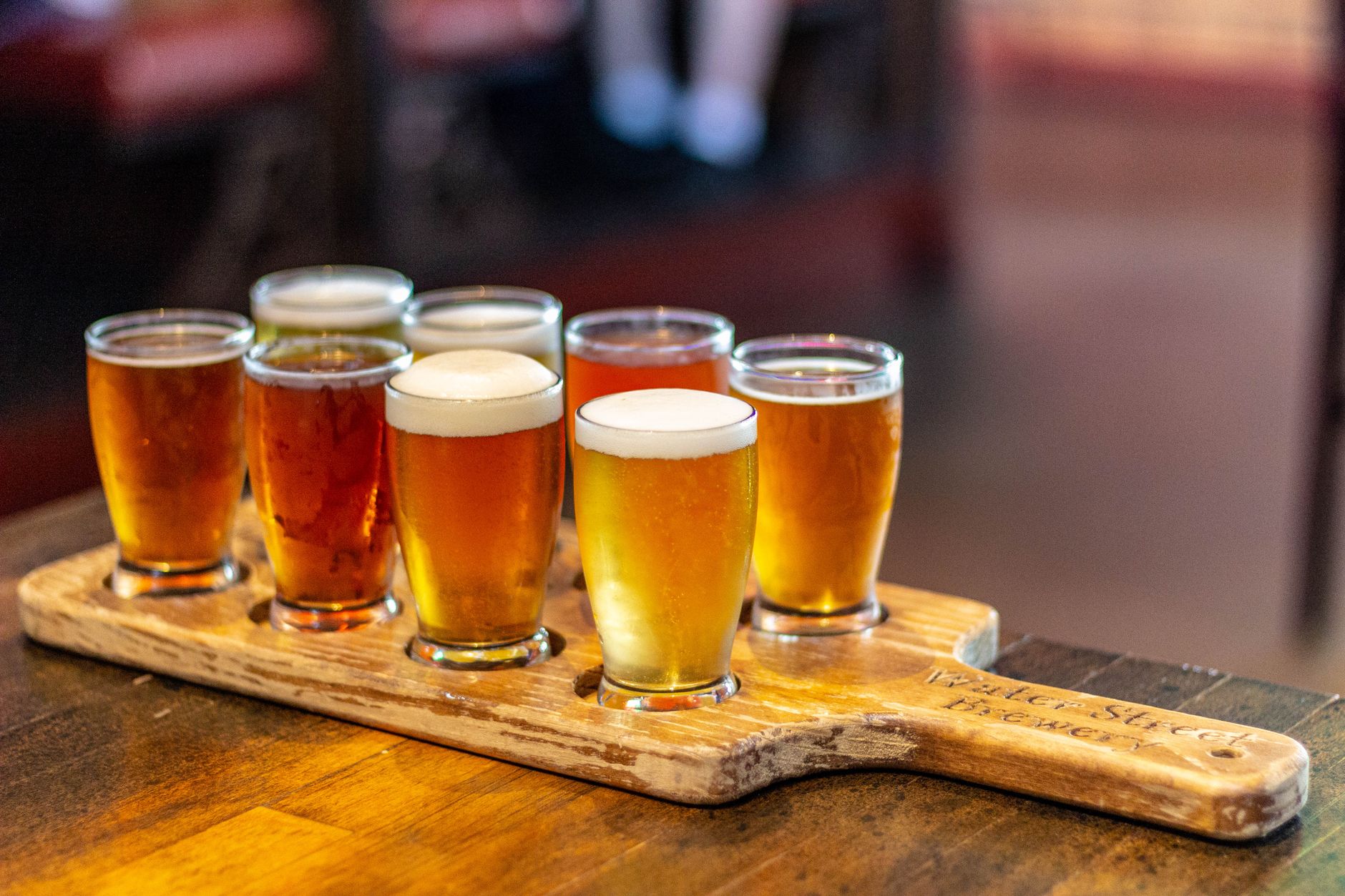
Expect a thick, syrupy texture with flavors of toffee, dark fruit, bread crust, and caramel. American versions lean into hop bitterness, while English styles prioritize malt sweetness and fruity esters. The finish can be slightly warming from the alcohol. A small pour of 6 to 8 ounces is typical because the drink is so intense.
Pairing Barley Wine Ale with Food
Pair bold flavors with bold food. Strong blue cheeses, aged cheddar, roasted lamb, or dark chocolate desserts match the sweetness and richness. Avoid light salads or delicate fish. For a surprising combination, try barley wine ale with a slice of fruitcake or a crme brle. The carbonation cuts through fat, while the malt sweetness complements caramelized sugars.
Benefits and Risks of Drinking Barley Wine Ale
The main draw is the rich, complex flavor that rewards slow sipping. It offers a unique tasting experience similar to fine spirits or fortified wines. However, the high alcohol content means you should drink responsibly. A 12-ounce bottle can contain the same alcohol as two or three standard beers. Overconsumption leads to rapid intoxication and high calorie intake one serving may have 250 to 350 calories.
Is Barley Wine Ale Suitable for Everyone?
Not everyone will enjoy its intensity. Novice drinkers may find it overwhelming. People with low alcohol tolerance or those avoiding alcohol should skip it. Because it is a strong alcoholic beverage, barley wine ale does not meet Halal dietary standards. According to JAKIM and IFANCA certification guidelines, any drink containing alcohol by volume above 0.5% is not permissible. No commercial barley wine ale is Halal-certified. If you follow Halal guidelines, consider exploring non alcoholic drinks instead.
Discovering the Strongest Barley Wines and How to Choose One
When selecting a barley wine ale, look at three things: origin, age, and bitterness. American barley wines are often hoppier and more bitter. English styles are malt-forward, sweeter, and lower in IBUs. Aged versions cost more but offer deeper flavor. Check the label for the vintage or bottling date. Fresher bottles highlight hops, while older bottles show oxidation and complexity.
Recommended Barley Wine Ale Brands and Bottles
- Thomas Hardy‘s Ale Classic English barley wine, bottle-conditioned, ages beautifully.
- Firestone Walker Sucaba American style with strong hop backbone and caramel malt.
- Sierra Nevada Bigfoot Widely available, bold hop bitterness, improves with age.
- Hair of the Dog Doggie Claws High gravity, thick body, aged in oak barrels.
Is barley wine ale actually Halal what should I check?
Barley wine ale contains alcohol, typically 8% to 15% ABV, which makes it haram under Islamic dietary laws. According to JAKIM and IFANCA certification standards, any beverage with more than 0.5% alcohol is not permissible. You will not find a Halal certification logo on any commercial barley wine ale. If you follow Halal guidelines, avoid this drink entirely and choose certified non-alcoholic options.
What is the alcohol content of barley wine ale?
Most barley wine ales range from 8% to 12% ABV. Some specialty versions exceed 15% ABV. Always check the bottle label for the exact percentage. This strength puts it in the same category as many white wines and port wines.
How should I store barley wine ale?
Store unopened bottles in a cool, dark place at 5055F (1013C). Keep them upright to minimize oxidation from the cap. A cellar or wine fridge works well. Once opened, consume within one to two days. You can age bottles for years, but taste one every year to track the evolution.
What foods pair best with barley wine ale?
Strong, rich foods work best. Try aged cheddar, Gouda, roasted duck, spicy sausages, or dark chocolate. Avoid delicate seafood or light salads. The sweetness of the beer also complements fruit-based desserts like apple crumble or pecan pie.
How long does barley wine ale last?
Unopened, a quality barley wine ale can last 3 to 5 years if stored properly. Some exceptional vintages last 10 years or more. The flavor changes over time, becoming smoother and more sherry-like. After opening, the beer stays fresh for 1 to 2 days in the refrigerator, sealed tightly.
What is the difference between English and American barley wine?
English barley wines are malt-forward, lower in hop bitterness (3050 IBU), and often bottle-conditioned. They have fruity esters and a sweeter finish. American barley wines are more bitter (60100 IBU), use bold American hops, and have higher alcohol levels. The yeast and malt choices also differ, giving each style a distinct character.
Can barley wine ale be aged at home?
Yes, you can age barley wine ale at home. Store bottles upright in a dark, temperature-stable area around 55F. Avoid temperature swings above 70F. Use bottles with cork or crimped caps, not twist-offs. Sample one bottle every year to track how the balance shifts from hoppy to malty. Some enthusiasts age bottles for five years or more.
Most overlooked buying mistake
Many buyers choose barley wine ale based on alcohol content alone, ignoring the freshness date. A young American barley wine loses its hop character within a year. Check the bottled-on or best-by date. If you want bold hop flavor, buy bottles less than six months old. If you prefer mellow, aged notes, look for bottles at least one to two years old.
Why cheap versions disappoint
Budget barley wine ales often use low-grade malt extracts or skip proper aging. The result can taste thin, overly sweet, or harsh. Quality barley wine requires high-quality malt, careful fermentation, and aging. Pay attention to the price. A solid bottle typically costs between $10 and $25. Mass-produced options under $6 rarely deliver the complexity you expect.
Expert tip for choosing
Read the label for the hop variety and malt bill. English barley wines often use East Kent Goldings or Fuggles hops. American versions use Cascade, Centennial, or Simcoe. Malts like Maris Otter, Crystal, or Munich indicate quality. When in doubt, look for a vintage year and a reputable brewery with heritage in strong ales. This guarantees you get a well-crafted product designed for aging.
If you enjoy exploring rare and intense drink profiles, you might also be curious about the rarest dr pepper flavor, another unique beverage with a cult following.
Barley wine ale is a world-class strong ale that deserves careful attention. Its deep malt character, high alcohol content, and aging potential make it a standout choice for experienced drinkers. Remember that this drink is not Halal-certified due to its alcohol content, so always check your personal dietary guidelines before purchasing. Next time you see a bottle labeled barley wine ale, you will know exactly what you are holding not a wine, but one of the most powerful and flavorful ales available. Choose a quality bottle, serve it at the right temperature, and enjoy the complexity in every sip.
FAQs
Is Barley wine ale actually Halal — what should I check on the label?
Barley wine ale is not Halal due to its high alcohol content (8-15% ABV). No commercial barley wine ale carries Halal certification. Check labels for any alcohol percentage; anything above 0.5% is not permissible under Islamic dietary laws. If you follow Halal guidelines, avoid this drink entirely.
How long does barley wine ale last after opening?
After opening, barley wine ale should be consumed within one to two days. Store it in the refrigerator with a tight seal to slow oxidation. The flavor degrades quickly due to air exposure. For best taste, drink it fresh and avoid prolonged storage after opening. Therefore, plan to finish the bottle quickly.
How does barley wine ale differ from regular beer?
Barley wine ale differs from regular beer primarily in alcohol content and flavor. It has 8-15% ABV versus 4-6% for regular beer. Barley wine is malt-forward, sweet, and full-bodied, while regular beer can be crisp, balanced, or hoppy. It is also meant to be sipped slowly due to its intensity.
Is it safe to drink barley wine ale daily?
Drinking barley wine ale every day is not safe due to its high alcohol content. A 12-ounce serving contains as much alcohol as two to three standard beers, leading to rapid intoxication and high calorie intake (250-350 calories). Overconsumption increases health risks. Enjoy it occasionally and in moderation.
Where can I buy barley wine ale?
Barley wine ale can be purchased at specialty beer stores, craft breweries, and online retailers. Look for well-known brands like Thomas Hardy's, Firestone Walker Sucaba, Sierra Nevada Bigfoot, and Hair of the Dog. Many liquor stores with craft beer sections also carry them. Check the brewery's website for local availability.