Hard boiled eggs are a kitchen staple, but steaming them instead of boiling creates a remarkable difference. Steamed hard boiled eggs have smoother whites, creamy yolks, and peel almost effortlessly. This gentle cooking method improves texture and saves you time spent wrestling with stubborn shells. Whether you meal prep or want flawless eggs for recipes, mastering steamed hard boiled eggs will elevate your routine.
Why Steam Eggs?
How Steaming Differs from Boiling Eggs
Steaming uses hot vapor instead of submerging eggs in boiling water. This means the eggs cook in a moist, controlled environment just above the water‘s surface rather than agitated water. The consistent temperature of steam allows the egg whites to set gently without becoming rubbery. Meanwhile, yolks cook evenly and retain that desirable creamy texture.
Unlike boiling, which can cause eggs to bounce around and crack, steaming reduces crack risks. The result? Cleaner, more intact eggs that peel without frustration.
The Science Behind Steamed Hard Boiled Eggs
According to the USDA FoodData Central, the ideal temperature to cook eggs for safety and texture is 160F (71C). Steaming maintains a steady, moist heat just below boiling, keeping egg whites tender and yolks velvety. This method minimizes moisture loss and denaturation, which often lead to dry or chalky yolks.
Furthermore, steaming helps loosen the membrane between the shell and the egg white. This membrane is usually the culprit behind tough peeling. When softened by steam, the shell comes off in large, smooth piecesno pitting or shell shards.
How to Steam Eggs Step-by-Step
What Youll Need
- A pot with a tight-fitting lid
- Steamer basket or heat-safe colander
- Fresh eggs (preferably less than a week old for easier peeling)
- Timer or stopwatch
- Bowl of ice water for cooling
Steaming Process
Follow these precise steps for perfect steamed hard boiled eggs:
- Pour 12 inches of water into the pot and place the steamer basket inside.
- Bring water to a steady boil over medium-high heat.
- Using a spoon, carefully place eggs in the basket in a single layer without overcrowding.
- Cover the pot and steam eggs for exactly 12 minutes for large eggs. Adjust by one minute up or down for smaller or larger eggs.
- After steaming, immediately transfer eggs to a bowl of ice water for 5 minutes to stop cooking and ease peeling.
Common Mistakes and Fixes
- Overcrowding: Steam needs to circulate around each egg for even cooking. Avoid stacking eggs.
- Skipping the ice bath: Cooling stops residual heat. Without it, eggs risk overcooking and develop the green ring around yolks.
- Ignoring freshness: Older eggs peel better. Use eggs at least 5 days old if possible.

Benefits and Risks
Benefits
- Consistently Easy Peeling: Steamed eggs shed their shells smoothly, reducing waste and frustration.
- Improved Texture: Whites are tender, yolks are creamy, striking a balance between soft and firm.
- Energy and Water Efficient: Requires less water than boiling, conserving resources.
Potential Drawbacks
- Longer Total Time: Cooling is essential, making the total prep time about 17 minutes or more.
- Equipment Needed: A steamer or suitable basket is necessary, though easy to improvise.
- Food Safety: Ensure eggs reach at least 160F internally to prevent bacteria. Steam cooking achieves this, but timing is critical.
Egg Cooking Methods Compared
| Method | Cooking Environment | Texture | Peeling Ease | Best Use |
|---|---|---|---|---|
| Boiling | Water immersion | Can be rubbery if overcooked | Often tricky | Bulk prep, salads |
| Steaming | Hot steam vapor | Tender whites, creamy yolks | Very easy | Snacks, deviled eggs, meal prep |
| Baking | Oven dry heat | Dry, firm | Not typical | Casseroles, egg dishes |
| Microwaving | Rapid heat | Uneven, risk of explosion | Not recommended | Quick egg cook |
Steaming hits the sweet spot between texture and ease, making it ideal for everyday use. If you are interested in more wholesome prepared foods, Simmons prepared foods and Whole foods prepared foods offer trustworthy options that align well with clean eating.
Recipes Using Steamed Hard Boiled Eggs
Classic Egg Salad
Use perfectly steamed eggs for smooth texture and easy shredding.
- Chop 6 steamed eggs.
- Mix with 3 tbsp mayonnaise, 1 tsp Dijon mustard, salt, and pepper.
- Add chopped celery and green onions for crunch.
- Serve chilled on whole grain bread or salad greens.
Deviled Eggs
Peeling is the key to flawless deviled eggs that look sharp and appetizing.
- Slice 6 steamed eggs in half lengthwise.
- Remove yolks and mash with 2 tbsp mayo, 1 tsp vinegar, paprika, salt, and pepper.
- Spoon or pipe the mixture back into the whites.
- Garnish with chives or smoked paprika.
Breakfast Bowl with Steamed Eggs
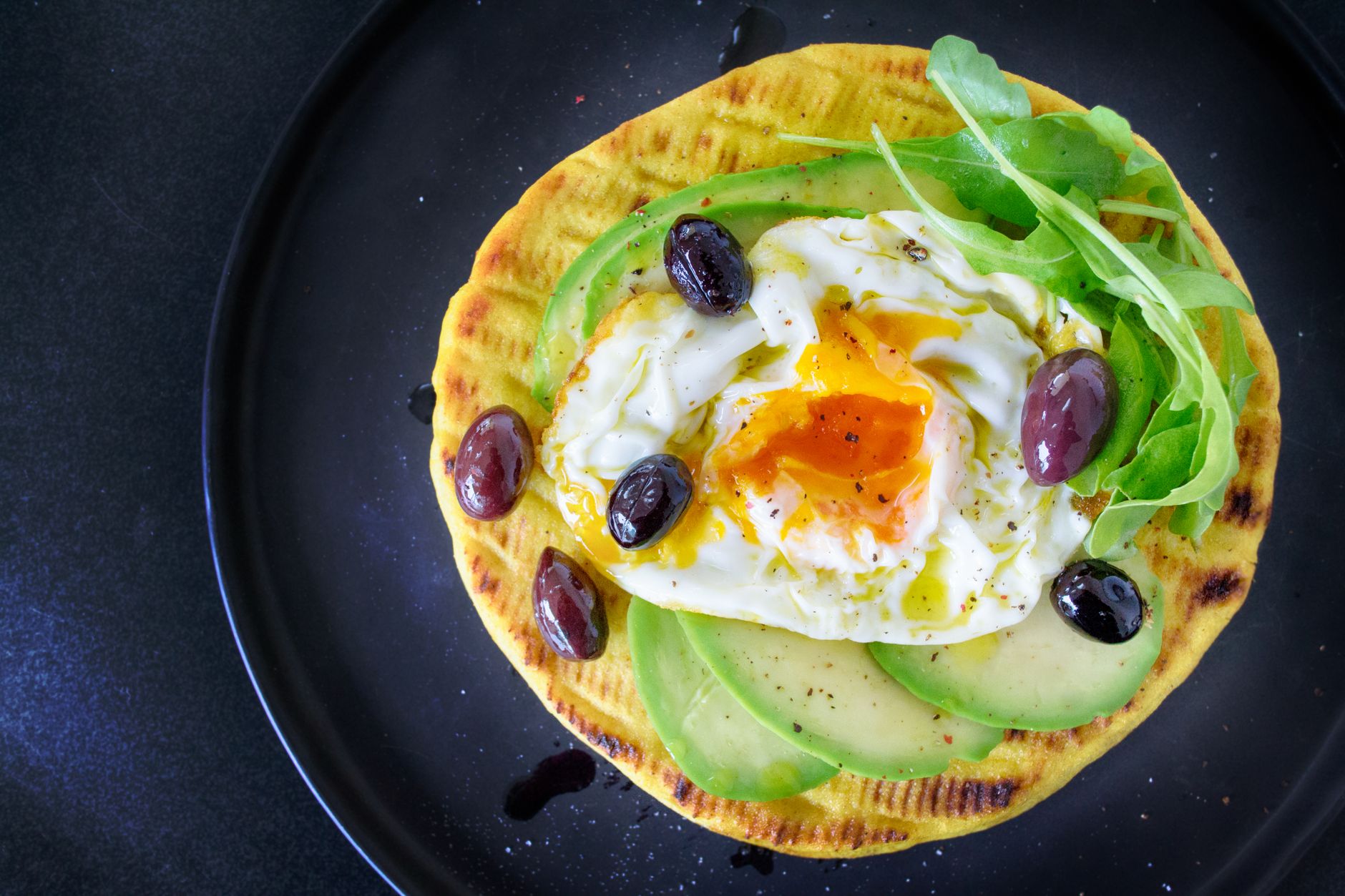
Add steamed eggs to nutrient-packed bowls featuring quinoa, avocado, and sauted greens. Slicing a tender steamed egg rounds out flavors with mild richness and protein.
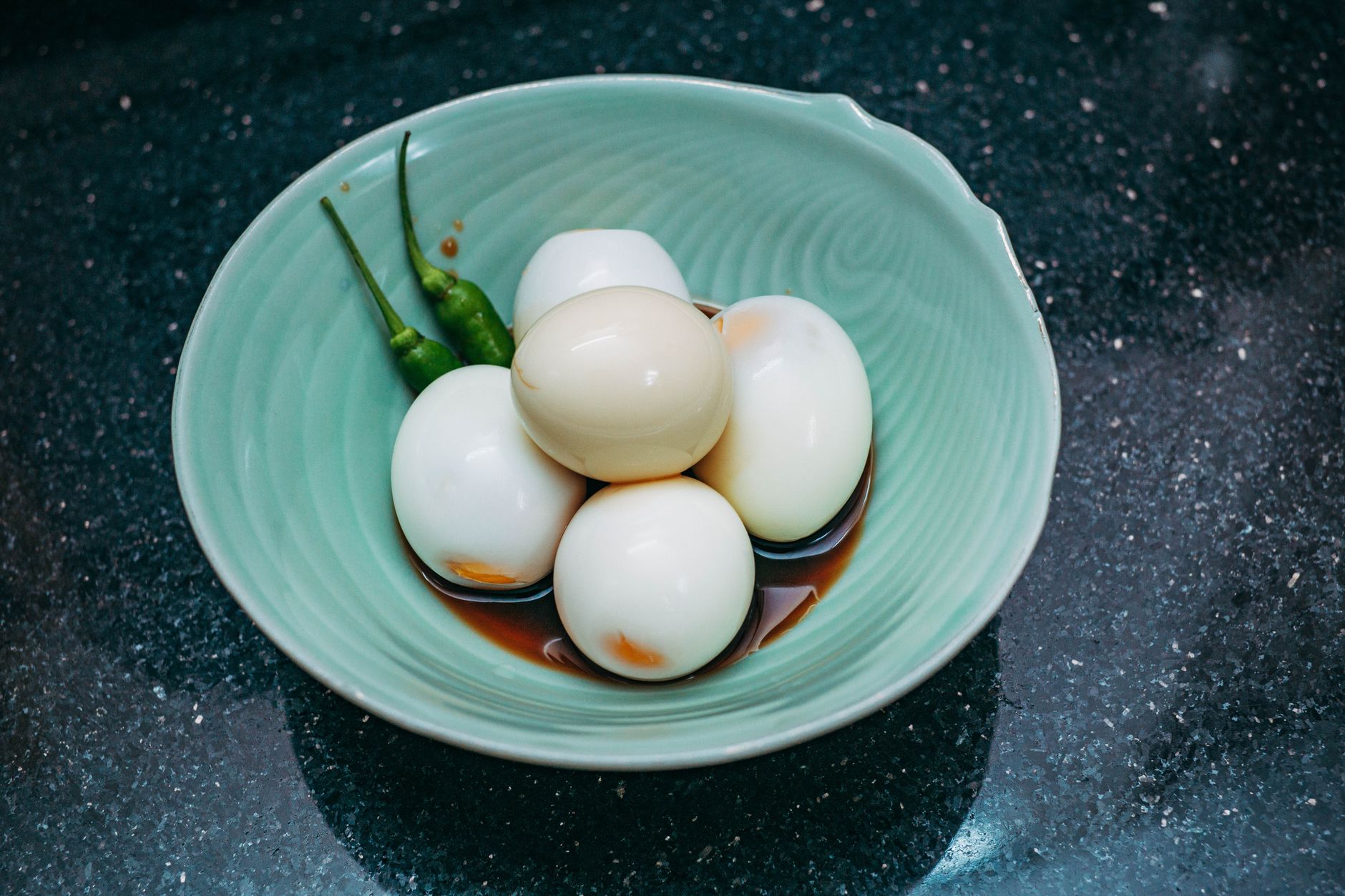
| Prep time | Cook time | Total time | Servings | Calories | Diet tags |
|---|---|---|---|---|---|
| 5 minutes | 12 minutes steaming | 20 minutes total | 6 eggs | 70 per egg | Halal, Gluten-Free, High Protein |
Tips for Perfect Eggs Every Time
Storage and Handling
Store steamed eggs in a sealed container or covered bowl in your fridge. They keep well for 57 days. Leave the shells on to preserve freshness and moisture. Label the container with the date to keep track.
Troubleshooting
- Eggs wont peel: Try slightly older eggs or increase steaming time by 1 minute.
- Yolk too soft: Add 1-2 minutes extra steam time.
- Green ring on yolk: Ensure rapid cooling in ice water to stop cooking promptly.
Pro Tips for Flavor and Texture
For extra flavor, try adding a teaspoon of baking soda to the steaming water. It can further loosen the membrane for easier peeling. However, be careful not to overdo it, as it may alter flavor.
Use room temperature eggs cold eggs straight from the fridge risk cracking due to thermal shock.
Lastly, experiment with steaming time slightly to accommodate egg size. Jumbo eggs often need around 14 minutes for that perfect creamy center.
When is the Best Time to Eat Steamed Hard Boiled Eggs?
Steamed hard boiled eggs make a nutritious snack or addition to any meal. They are ideal after workouts for quick protein or as a morning breakfast for sustained energy. Thanks to their gentle cooking, they retain maximum nutrients best enjoyed within a week of cooling.
Are Steamed Hard Boiled Eggs Actually Halal What Should I Check?
Eggs themselves are naturally halal when sourced from trusted suppliers. Always check for Halal certification logos like JAKIM, HMC, or IFANCA on processed or packaged eggs and products. Ensure they meet strict handling, sourcing, and processing standards to align with halal dietary laws.
How Do I Know If My Steamed Eggs Are Fully Cooked?
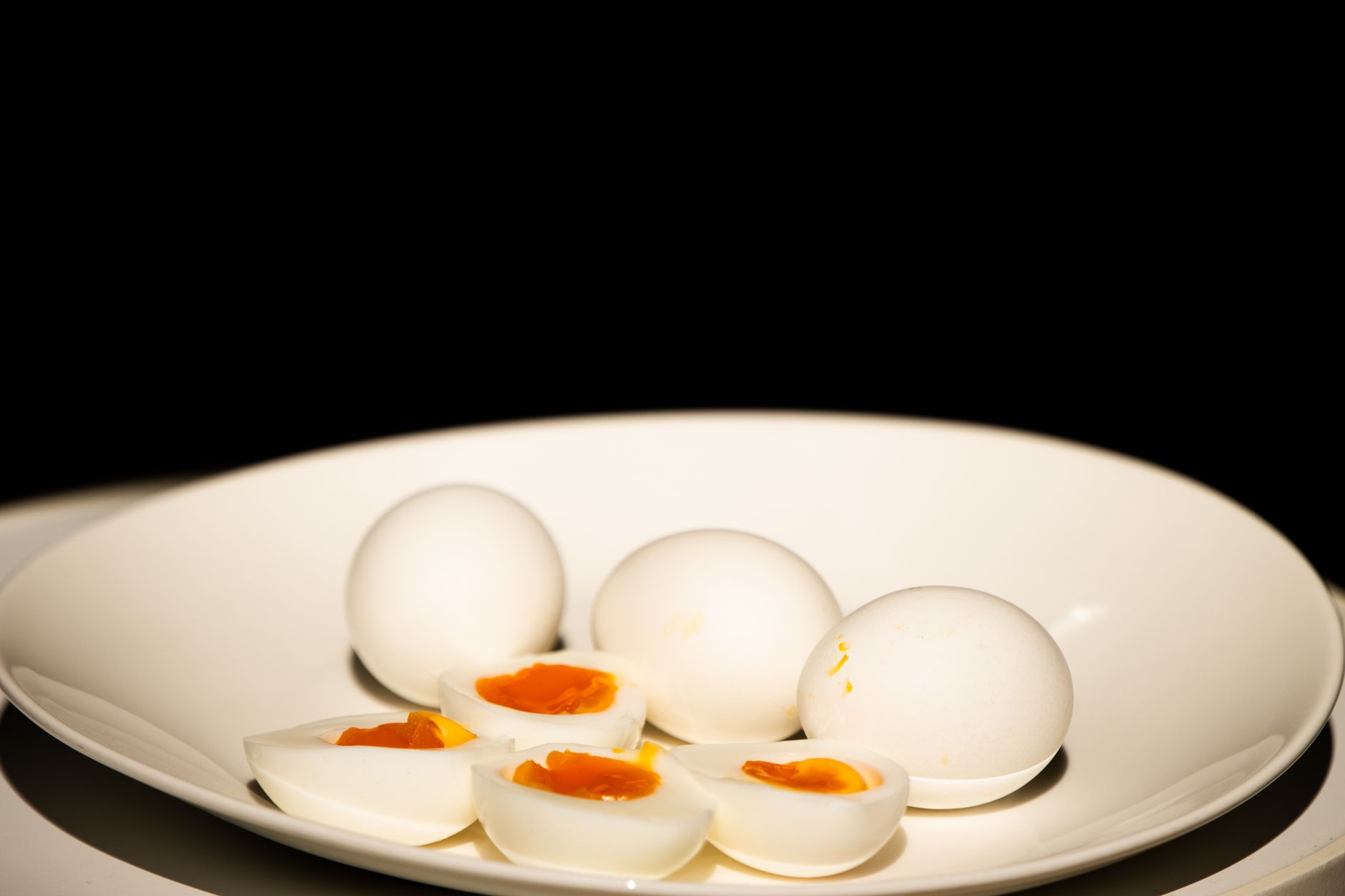
Fully cooked eggs will have firm whites and yolks that hold shape but are creamy, not runny. Using a timer and ice bath prevents overcooking. For absolute certainty, a food thermometer inserted into the yolk should read at least 160F (71C), the safe temperature advised by the USDA.
Whats the Difference Between Fresh and Older Eggs for Steaming?
Older eggs peel easier because their membranes separate more from the shell over time. Fresh eggs tend to cling to the shell, making peeling a challenge. For the best peeling experience, use eggs that are about 710 days old.
Can I Reheat Steamed Hard Boiled Eggs?
Reheating is not recommended as it can toughen the whites and overcook the yolk. If you must reheat, do so gently by microwaving for 1015 seconds or briefly steaming, but fresh steamed eggs always taste best.
Will Steamed Eggs Taste Different From Boiled Ones?
Steamed eggs generally taste cleaner and fresher due to gentle cooking. They have a smoother texture and lack the slight sulfuric aroma that sometimes comes from over-boiling eggs. Many people prefer the subtle flavor steamed eggs offer.
What Equipment Can I Use If I Dont Have a Steamer Basket?
You can improvise by using a fine mesh colander or a heat-safe metal sieve that fits inside a pot. Just ensure the eggs dont touch the water and that steam can circulate. Cover tightly to trap steam and maintain even cooking.
More You Might Like
Discover wholesome meal options with Simmons prepared foods known for their clean, Halal-certified ingredients and convenient formats.
Explore healthy, ready-to-eat choices that fit your lifestyle by checking out Whole foods prepared foodsperfect companions to your steamed egg snacks.
Conclusion
Steamed hard boiled eggs offer a simple, reliable way to enjoy perfectly cooked eggs with minimal fuss. Their velvety texture and easy peeling make them great for everyday meals and special recipes alike. Give this method a try next time you need flawless eggs. Wed love to hear how it changes your kitchen routinedrop a comment below!
FAQs
When is the best time to eat or drink steamed hard boiled eggs?
Steamed hard boiled eggs are perfect as a nutritious snack, post-workout protein boost, or part of a balanced breakfast. Their gentle cooking preserves nutrients, making them ideal to eat within a week for maximum freshness.
How long do steamed hard boiled eggs last after cooking?
Store steamed eggs with shells intact in an airtight container in the refrigerator. They remain fresh and safe to eat for up to 5–7 days when properly cooled and stored.
What is the difference between steamed hard boiled eggs and traditionally boiled eggs?
Steamed eggs cook gently using vapor, resulting in smoother whites and creamier yolks with easier peeling. Boiled eggs can be firmer and harder to peel due to more agitation and temperature fluctuations.
Are steamed hard boiled eggs safe to eat daily?
Yes, steamed hard boiled eggs are safe to consume daily as part of a balanced diet. Ensure eggs reach an internal temperature of 160°F (71°C) during steaming for food safety.
Where can I buy halal-certified steamed hard boiled eggs or eggs suitable for steaming?
Look for halal-certified eggs at trusted grocery stores or specialty halal markets. Check for reliable certifications such as JAKIM, HMC, or IFANCA on packaging to ensure compliance with halal dietary standards.