Ever reached for that bag of powdered sugar mid-bake and realized, nopeyoure out? Yeah, that moment hits like a plot twist you didnt ask for. But hey, dont worry. You dont need to dash to the store or scramble for some odd powdered sugar substitute that might throw off your whole dessert game. Making powdered sugar at home is actually super easy, and you probably already have everything you need sitting right in your kitchen.
In a matter of minutes, with just plain old granulated sugar, you can whip up silky, fine powdered sugar thatll smoothly top your cakes, dust your cookies, or get mixed into your icings with no fuss. So, if youve ever wondered How do I make powdered sugar myself? youre in the right spotand youre about to become your own sugar wizard.
Whats Powdered Sugar?
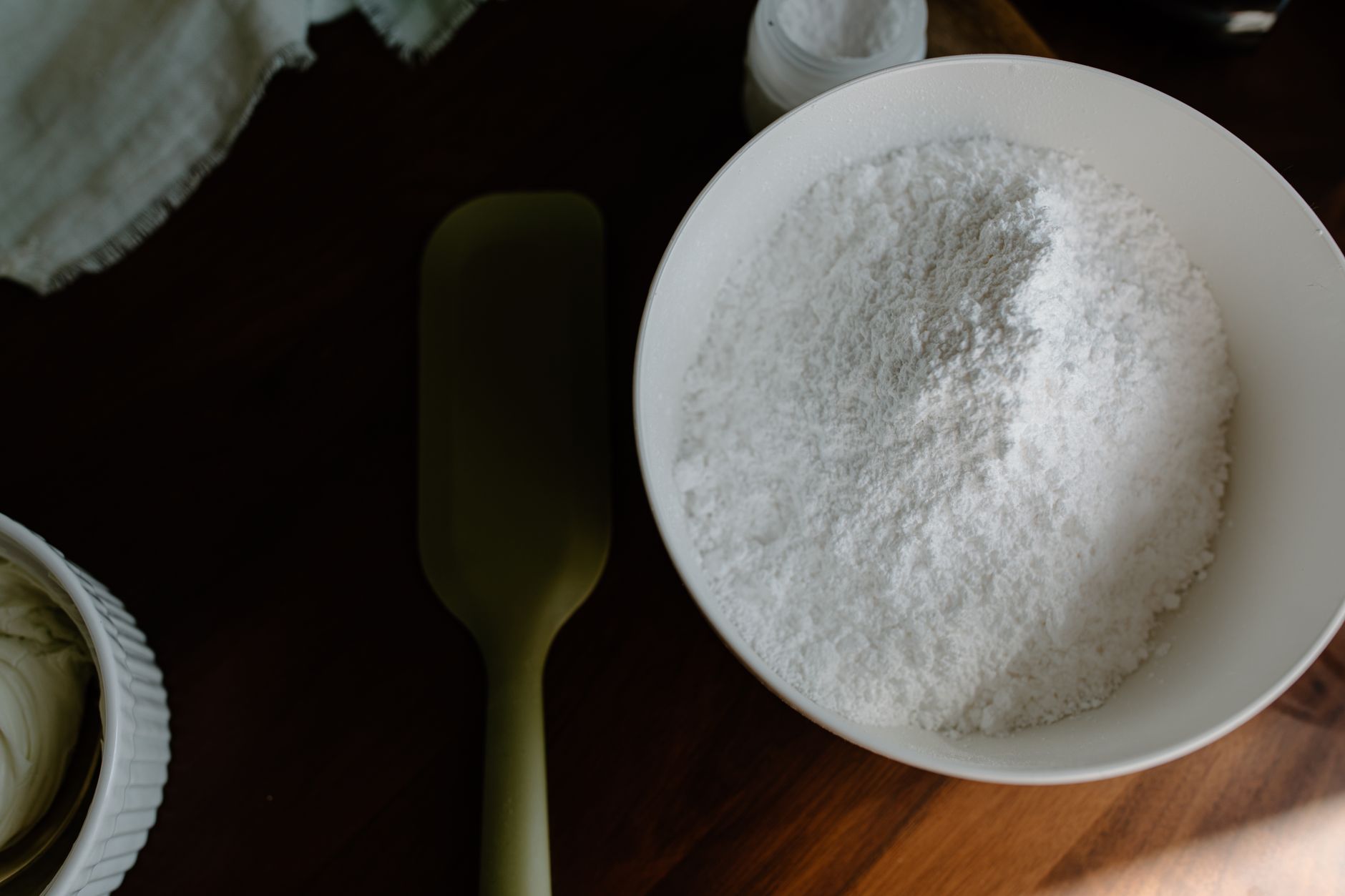
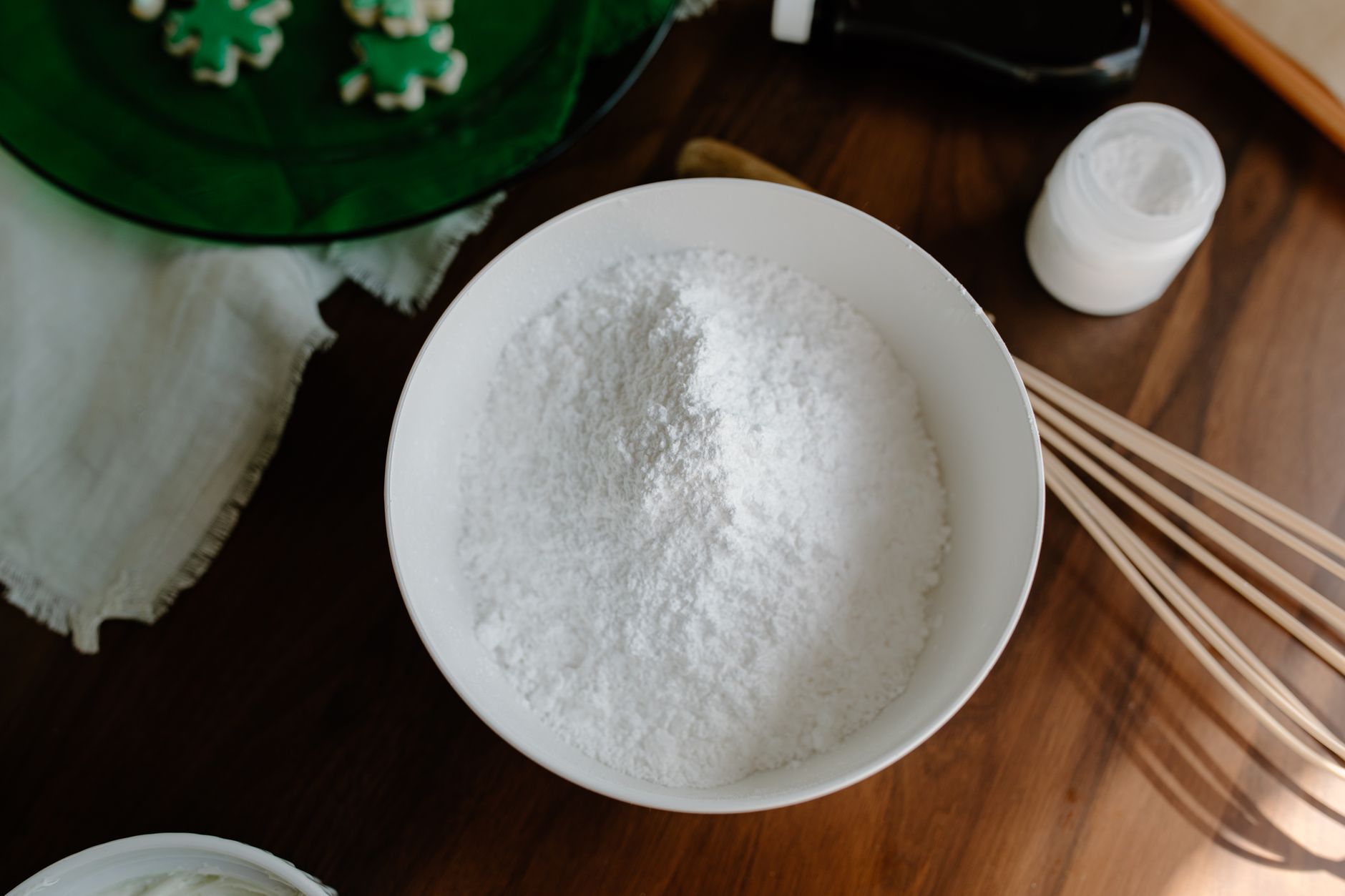
Lets kick off with the basics. Powdered sugar, sometimes called confectioners sugar, is just granulated sugar crushed into a super fine powder. But theres a tiny twist: many store-bought versions have a little cornstarch tossed in to keep things from clumping up and turning into a sticky mess over time.
This fluffy sugar is a bakers best friend because it dissolves fast and feels like magic on your tongue. Think frostings, glazes, and that delicate snow-dusting on your favorite pastries. And yeah, its not just decorativeits smooth texture and slight dryness help with consistency in batters and creams.
Why make powdered sugar at home? Well, besides the obvious I ran out and dont wanna leave the house, you get to control the texture and ingredientsand save a few bucks while youre at it. Plus, its a fun little kitchen hack to have up your sleeve.
Granulated Sugar vs Powdered Sugar: Whats the Real Deal?
At first glance, sugars just sugar, right? Nope. Granulated sugar is like tiny crystalsready for sprinkling or caramelizing but not really the best when you want that melt-in-your-mouth feel. Powdered sugar, on the other hand, is ground down into a fine dust that melts instantly. This difference in texture is why your cookie icing might go grainy if you try to substitute one for the other without adjusting.
Granulated sugar doesnt dissolve as quickly, and that can mess with the smoothness and finish of your desserts. But dont worrywell get into how to turn granulated sugar to powdered sugar in a jiffy.
Blend Granulated Sugar Into Fine Powdered Sugar
This is the heart of it. Making homemade powdered sugar is shockingly simple. All you need is granulated sugar, and optionally a bit of cornstarch if you want your sugar to behave exactly like the store-bought kind.
Heres what youll need:
- Granulated sugar (regular, white sugar works best)
- A blender, food processor, or spice grinder
- Optional: 1 teaspoon of cornstarch per cup of sugar (to prevent caking)
Just toss the sugar (and cornstarch if youre using it) into your blender or processor.
Pulse on high for about 30 seconds to 1 minute but keep an eye on it. You want fluffy, powdery sugar, not sugar dust clouds that take over your kitchen or overheated appliances.
Carefully check the texture: if its still a little gritty, give it a few more quick pulses. And voilyou have powdered sugar ready for your recipes.

Best Tools for DIY Powdered Sugar
Not everyone has a fancy spice grinder, so heres the tea: a regular blender or food processor works just fine! You just want sharp, strong blades that crush sugar crystals to a fine dust quickly without overheating or burning the sugar. If youre in a pinch, even a mortar and pestle could do the trickbut hey, who wants to spend hours on that?
Heads updon't overload your blender. Smaller batches work best for getting that perfect light texture without clumping.
Tips for Perfect Texture & Storage
Heres a quick pro tip: If your powdered sugar is a bit clumpy after blending, try sifting it through a fine mesh sieve before use. It smooths out lumps instantly. And be sure to store homemade powdered sugar in an airtight container to keep moisture out.
Remember, unlike store-bought powdered sugar which often contains anti-caking agents, your DIY version might clump a bit faster, so its best to make it fresh or use within a couple of weeks.
Powdered Sugar Substitute Options
Sometimes, making powdered sugar yourself isnt on the cardssay, you're not near a blender, or you just need something quick. You might wonder, Can I just swap a powdered sugar substitute into this recipe? Lets chat about that.
Some common alternatives include:
- Caster sugar: Finer than granulated sugar but still not quite powdered, caster sugar can work in some baking but wont give you the same smooth finish in frostings.
- Brown sugar (light or dark): A delicious option with a richer, molasses flavor, but not a powder. Its not always suitable when you want that silky frosting texture.
- DIY blends: Mixing granulated sugar with cornstarch and pulsing in a blender (our homemade powdered sugar approach).
Generally, if your recipe calls for powdered sugar, and you use a substitute, your texture and sweetness might shift a bit. Thats why knowing how to make powdered sugar at home is such a handy hack!
Using Granulated Sugar Directly?
Sure, granulated sugar sometimes slips in as a quick fix, but it does have its quirks. It doesnt dissolve as fast, so your frosting might be gritty, and it changes the moisture balance in batters.
Turning granulated sugar to powder with a blender lets you keep the flavors and sweetness you want, without sacrificing smoothness. Once you get this trick down, youll never have to panic about missing powdered sugar again.
Expert Tips for Flawless DIY Powdered Sugar
Heres where a little insider knowledge makes all the difference.
- Add cornstarch sparingly: Commercial powdered sugar includes about 3% to 5% cornstarch to avoid clumping. You dont have to add itbut if you plan to store your homemade sugar for a while, a pinch helps.
- Keep it dry: Moisture is the enemy here. When storing your powdered sugar, a dry, airtight container is your best pal.
- Dont over-blend: Give your blender breaks if youre making a big batch. Sugar can get warm and start melting or caramelizing, which we do not want.
- Texture matters: The finer the powder, the better for light frostings and glazes. For dusting on pastries, you can be more relaxed.
And reallyembrace that kitchen imperfection charm. Sometimes the homemade touch adds a little character to your bakes. Speaking of character, if youre keeping an eye on sugar intake, you might be interested in some tasty low sugar snacks you can prepare alongside your desserts for balance.

| Feature | Homemade Powdered Sugar | Store-bought Powdered Sugar | Common Substitutes |
|---|---|---|---|
| Texture | Fine, customizable | Very fine, consistent | Coarser, varies widely |
| Shelf life | Shorter if no additives | Longer, with stabilizers | Varies |
| Added ingredients | Optional cornstarch | Cornstarch included | Depends on type |
| Best for frosting | Excellent | Excellent | Sometimes less ideal |
Wrapping It Up: Why DIY Powdered Sugar Rocks
So, heres the bottom lineif you want to make powdered sugar at home, its easier than you think. You take plain granulated sugar, blitz it to a fluffy powder, and boom, dessert rescue mission accomplished. No scrambling to the store, no weird substitutes messing with your recipes.
Theres a satisfying kind of magic in turning something so simple into a game-changer for your baking. Like having a little secret weapon in the pantry thats ready whenever you need it.
That said, homemade powdered sugar isnt exactly a mirror image of store-boughttexture and shelf life can differ, and a pinch of cornstarch can make storage easier if youre not using it immediately.
Try it for yourself and see how it works in your favorite recipesdust it over cookies, stir it into frostings, or simply enjoy the DIY pride. Got any baking stories or tips that saved your day? Share em! Id love to hear how this simple trick plays out in your kitchen.
FAQs
How do I make powdered sugar using granulated sugar?
Simply blend granulated sugar in a blender, food processor, or spice grinder until it becomes a fine, silky powder. Optionally, add a teaspoon of cornstarch per cup to prevent clumping.
Can I use powdered sugar substitute instead of homemade powdered sugar?
Substitutes like caster sugar or brown sugar change texture and sweetness, so they may not give the same smooth result as homemade powdered sugar made from finely ground granulated sugar.
Why add cornstarch to homemade powdered sugar?
Cornstarch helps prevent clumping by absorbing moisture, which improves shelf life and texture, making your powdered sugar behave more like store-bought varieties.
What tools work best to make powdered sugar at home?
A blender or food processor with sharp blades works best for quickly pulverizing sugar. A spice grinder or mortar and pestle can be used but may take longer.
How should I store homemade powdered sugar?
Store it in an airtight container in a cool, dry place to avoid moisture absorption and clumping. Use the sugar within a couple of weeks for best results.