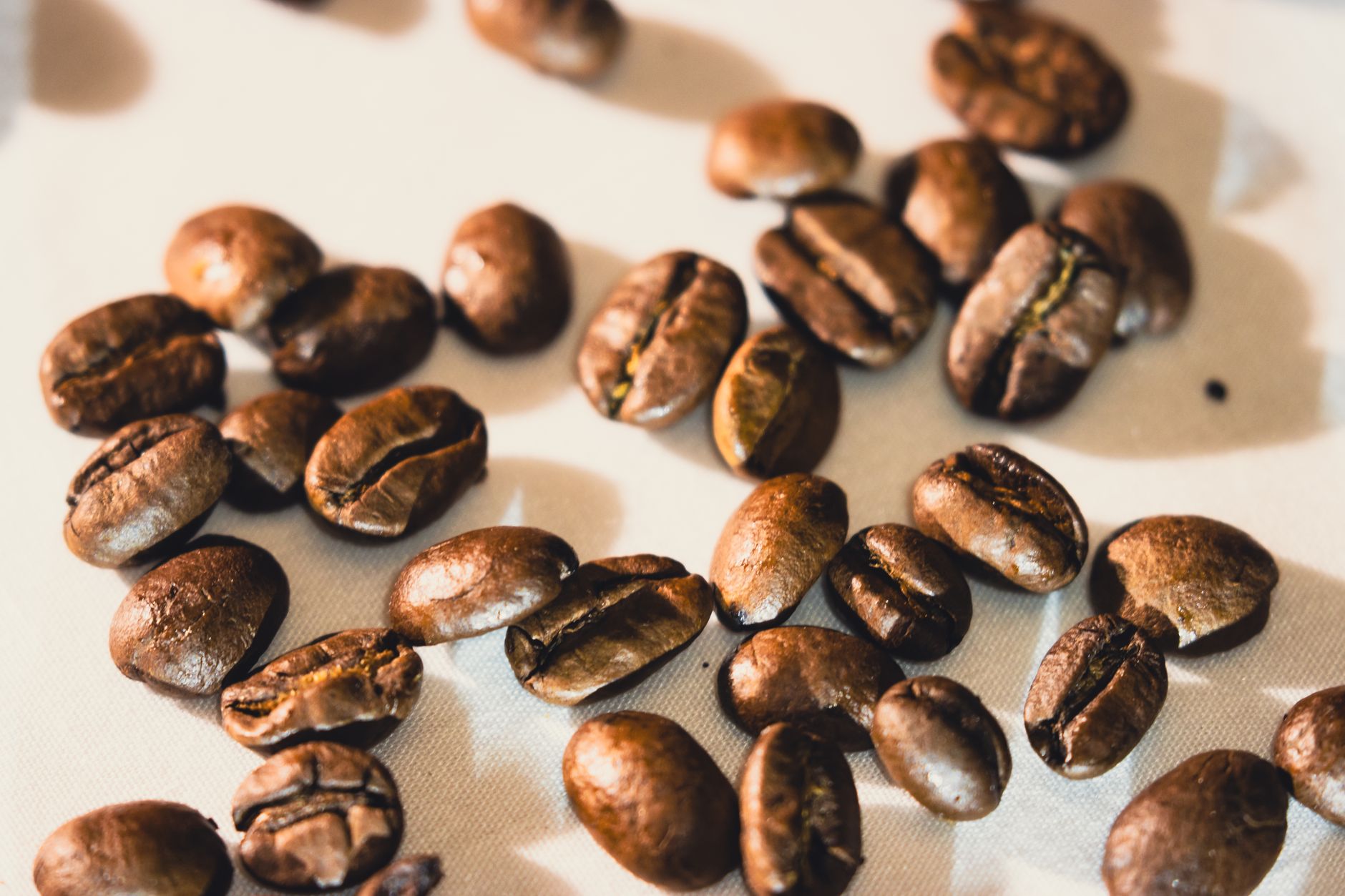
If you want a satisfying cup of coffee, it all starts with the best coffee beans. Whether you prefer a strong espresso, a smooth cold brew, or a bright pour-over, the beans you choose shape every sip. Freshness, roast style, and origin matter big time. Knowing how to select beans that match your tastes and brewing method can elevate your daily ritual to new heights.
Why Coffee Bean Quality Matters
Great coffee begins with high-quality beans. The type of bean, how its roasted, and how fresh it is, all influence the flavor, aroma, and even caffeine content of your drink. Light roasts highlight origin flavors like floral or fruity notes, while dark roasts bring bold, smoky intensity. Freshness is key coffee beans start losing flavor within weeks once roasted.
Besides taste, quality beans avoid bitterness and ensure a clean cup. Sourcing transparency also matters for health-conscious consumers wanting ethically harvested, Halal-certified products. Always look for recent roast dates and certifications to trust whats inside the bag.
The 9 Best Coffee Bean Brands
1. Best Dark Roast: Death Wish Dark Roast Coffee
Known for its intense boldness and high caffeine content, Death Wish Dark Roast is a top pick for espresso lovers who crave power in every cup. This beans deep roast delivers a rich, velvety texture with chocolate and smoky undertones. It shines in French press and espresso machines where full extraction brings out its complexity.
The beans are certified organic and fair-trade, which aligns well with Halal-conscious shoppers demanding ethical sourcing and clean production. Their airtight packaging locks in freshness for up to 3 months unopened.
2. Best Medium Roast: Five Five Coffees Ethiopia Blend
The Ethiopia Blend from Five Five Coffee balances bright acidity and smooth sweetness perfectly. Medium roasted, it preserves fruit-forward notes like jasmine and citrus, making it ideal for drip brew or pour-over methods. This versatile blend suits daily drinkers looking for a light yet lively coffee experience.
User reviews praise its consistent roast and clean finish. Its packaging includes clear roast dates and Halal certification verified through the JAKIM logo, reassuring health-conscious consumers.
3. Best Espresso Beans: Intelligentsia Whole Bean Coffee
Intelligentsia offers beans expertly roasted to highlight flavors ideal for espresso machines. Their carefully curated single-origin selections produce thick crema and balanced aroma. The roast profiles skew darker but avoid excessive bitterness, bringing caramel and nutty tones forward.
For espresso lovers, grinding right before brewing with a burr grinder makes a huge difference. Adjust grind size finely to avoid over-extraction and bitterness.
4. Best Decaf Beans: Counter Culture Coffees Slow Motion Decaf
Decaf options often lack flavor, but Counter Culture Coffee breaks the mold with Slow Motion Decaf. It uses Swiss water process decaffeination to preserve delicate floral notes and smooth body. Ideal for those reducing caffeine but not flavor, it suits drip and pour-over equally well.
This brand is committed to sustainable sourcing with transparent certification, including Halal-compliant processes documented by international bodies.
5. Best Budget Option: Caf Bustelos Supreme
If you want quality beans without breaking the bank, Caf Bustelo is a reliable choice. Their Supreme blend offers a strong, robust flavor that works in most brewing methodsdrip, espresso, or moka pot. The beans deliver consistent taste and freshness considering the price point.
Many everyday drinkers appreciate its versatility and affordability. Real users often mention using it to make rich at-home lattes and caf-style americanos.
6. Best Craft Coffee: Strait Coffee Roasters Granja La Esperanza Pink Bourbon
Craft coffee lovers will enjoy the rare Pink Bourbon beans from Strait Coffee Roasters. This single-origin offering is small-batch roasted to bring out delicate berry sweetness and bright floral notes. Its specialty grade indicates careful traceability and elevated quality standards.
Ideal for pour-over or siphon brewing, these beans highlight the vibrant complexities of hand-picked coffee, while meeting Halal certification by adherence to strict processing rules.
7. Best Beans for Percolator: Caribou Coffees Namesake Blend
Percolator brewing requires a bean that withstands longer brewing time without turning bitter. Caribou Coffees Namesake Blend comes medium-dark roasted with balanced flavors and a smooth finish, specifically suited for percolator extraction.
Its recommended to use a coarser grind with these beans for optimal flavor, avoiding over-extraction common in percolator methods.
8. Best Cold Brew Coffee Beans: Speedwells Cold Brew Blend
Speedwell Coffees Cold Brew Blend focuses on smooth, low-acidity beans that provide velvety texture and a naturally sweet finishperfect for cold brewing. The blend combines select Latin American origins known for chocolatey and nutty undertones, which shine when steeped cold for 1218 hours.
Use coarse grounds with filtered water around 4C for best results at home or in cafs.
9. Best Overall Coffee Beans: Theory Coffee Roasters Ethiopia Banko Taratu
The Ethiopia Banko Taratu from Theory Coffee stands out for its versatility. Light roast highlights juicy fruit and floral aromas, while maintaining a balanced body suitable for pour-over, drip, and even espresso extraction. With multiple awards and glowing expert reviews, these beans satisfy most palates without compromise.
They come with Halal compliance certification and transparent origin claims, making them a top pick for health and faith-conscious customers alike.
Choosing Beans for Your Brewing Method
Understanding Coffee Bean Types
Coffee beans differ by origin, processing, and roast style. Arabica beans tend to have sweeter, more complex flavors, while Robusta beans contain more caffeine and a stronger bitter note. Single-origin beans highlight unique regional traits, whereas blends offer balanced, consistent profiles suitable for various brews.
Light roasts work well for pour-over and drip brewing, highlighting delicate aromas. Medium roasts best suit drip and espresso blends, while dark roasts excel in French press or percolator methods.
Brand vs. Single-Origin Beans
Trusted brands provide consistency and quality control, important for everyday drinking. Single-origin beans offer unique, traceable flavors but can vary batch to batch. For those embracing exploration as well as reliability in flavor, a mix of both is often ideal.
Storing Coffee Beans Properly
To maintain flavor and freshness, store beans in an airtight, opaque container at room temperature away from heat, light, and moisture. Avoid storing beans in the fridge or freezer as moisture can cause deterioration. Ideally, consume within 3 weeks of opening, but beans last unopened up to 3 months when sealed.
Expert Tips for Brewing with Quality Beans
Grinding and Flavor Impact
Grinding coffee beans just before brewing preserves oils and aromas. Use a burr grinder for consistent particle size. Fine grind works best for espresso; medium grind suits drip coffee; coarse grind fits cold brew and percolators. Incorrect grind size can cause under-extraction (sour, weak) or over-extraction (bitter).
Water Quality and Temperature
Water makes up nearly 98% of coffee, so clean, filtered water is essential. The ideal brewing temperature ranges from 90 to 96C (195 to 205F). Water thats too hot results in bitterness; too cool causes flat flavor. Adjust timing and temperature based on your brewing device.
Strength and Brew Time
General dosage is 1 to 2 tablespoons of ground coffee per 180 ml of water. Experiment within this range to balance strength and avoid bitterness. Brew times vary: espresso takes 2530 seconds, drip coffee 35 minutes, cold brew 1218 hours. Always tailor timing for your taste and bean choice.
| Certification | Price Range | Common Formats | Shelf Life | Key Allergens |
|---|---|---|---|---|
| JAKIM, IFANCA, USDA Organic | $10$25 per 12oz bag | Whole beans, ground, pods | 3 months sealed, 3 weeks opened | None (pure coffee) |
Is best coffee beans actually Halal what should I check?
Pure coffee beans themselves are Halal, but always check for certification from recognized bodies like JAKIM, HMC, or IFANCA on packaging. These guarantees confirm no cross-contamination or forbidden processing methods were involved, which is especially critical for flavored or instant coffee products.
What are the differences between Arabica and Robusta beans?
Arabica beans offer smoother, more complex flavors with less caffeine, preferred by most specialty brewers. Robusta beans have higher caffeine and a bolder, often harsher taste. Knowledge of these differences helps when choosing beans that suit your flavor preference and caffeine needs.
Can you use the same coffee beans for cold brew and espresso?
Technically yes, but cold brew prefers coarse-ground beans with low acidity and smooth flavor, whereas espresso uses finely ground, often darker roasted beans for rich intensity. Using single beans across methods may require grind and dose adjustments to get the best taste.
How often should I buy fresh coffee beans?
Buy coffee beans in small quantities that you can finish within 23 weeks after opening. This timeline preserves peak freshness, as flavor and aroma degrade quickly once exposed to air.
Are organic or fair-trade coffee beans better?
Organic beans avoid pesticides which is healthier and more environmentally friendly. Fair-trade ensures fair wages and ethical farming practices. Both add value, but taste depends on roasting quality and freshness rather than certification alone.
What does single-origin mean on coffee labels?
Single-origin means the coffee beans come from one specific region, farm, or cooperative, offering unique flavor profiles reflecting that areas soil and climate. This is great for exploring diverse tastes.
Why do some coffee beans have fruity or floral notes?
These are natural flavor compounds native to the beans, especially in lighter roasts. Processing methods and altitude affect these aromas, giving certain coffees bright, wine-like, or floral characteristics prized by enthusiasts.
What common mistakes do buyers make when choosing coffee beans?
One big mistake is buying coffee beans too far ahead of time in large quantities, letting them go stale. Another is picking beans based solely on pricecheap beans often lack freshness or quality. Expert tip: always check roast dates and certifications before purchasing.
More You Might Like
Curious about refreshing Halal alcoholic alternatives? Learn about Twisted tea alcohol. If you enjoy British brews with a unique twist, discover how to Split the g guinness for a delightful drink combo.
Conclusion
Choosing the best coffee beans transforms your coffee routine. From robust dark roasts to delicate single-origin picks, options abound depending on your flavor and brewing preferences. Remember to check Halal certifications and freshness dates next time you shop. Experiment with different beans and methodsyou might find new favorites waiting to be brewed.
FAQs
Is best coffee beans actually Halal — what should I check on the label?
Pure coffee beans are inherently Halal, but to ensure compliance, check for certifications from recognized bodies like JAKIM, IFANCA, or HMC. These confirm halal processing and no cross-contamination, especially important for flavored or instant coffee products.
How long do coffee beans stay fresh after opening?
Once opened, coffee beans maintain peak freshness for about 2 to 3 weeks if stored properly in an airtight, opaque container away from heat, light, and moisture to preserve flavor and aroma.
What is the difference between Arabica and Robusta coffee beans?
Arabica beans offer sweeter, more complex flavors with lower caffeine, while Robusta beans have higher caffeine content and a stronger, more bitter taste. This affects the coffee’s body, bitterness, and overall profile.
Are best coffee beans safe to drink daily?
Yes, drinking coffee made from quality beans in moderation is safe for most people. It provides antioxidants and energy, but be mindful of caffeine sensitivity and consult a doctor if you have health concerns.
Where is the best place to buy fresh, Halal-certified coffee beans?
Look for reputable online retailers or specialty stores that clearly display recent roast dates and Halal certifications. Direct purchases from certified brands ensure quality, freshness, and ethical sourcing.