Alright, lets cut right to the chasecan you pop wax paper in the oven? The quick answer: nope, its usually not oven safe. But hey, its kinda confusing because wax paper and parchment paper look like twins separated at birth, right? Trust me, youre not alone if youve ever stared blankly at your kitchen counter wondering which one to use. So, lets clear up this mystery once and for all.
Wax paper is great for some things in the kitchen, but cooking in the oven? Thats a no-go zone for it. Its like inviting a fire hazard to your baking party. Scary thought, yeah? But dont worry Ill walk you through when wax paper works, when it absolutely doesnt, and what your best alternatives are to keep your oven-safe game strong.
What Is Wax Paper?
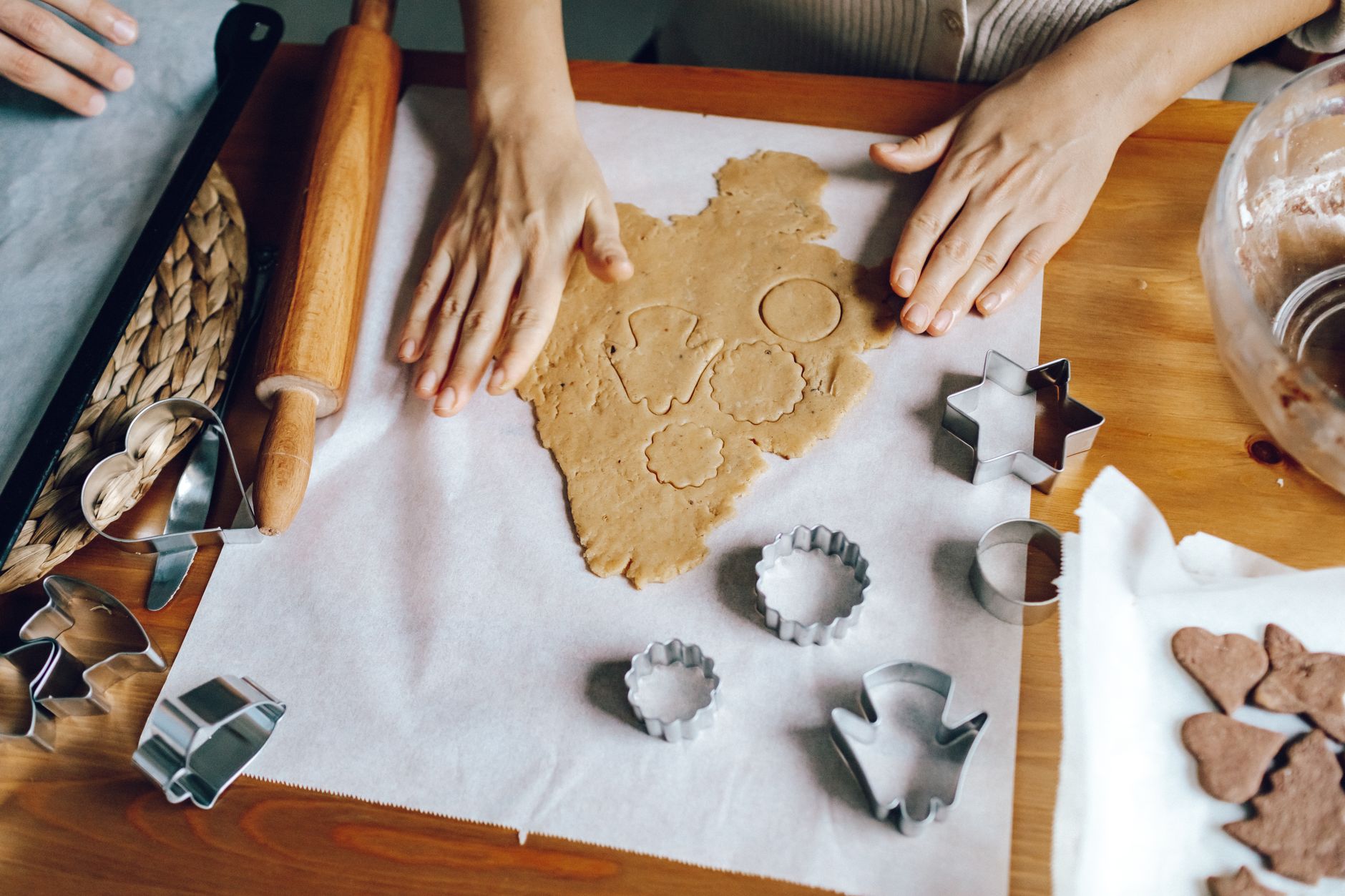
You probably already know wax paper as that slightly shiny stuff we use to wrap sandwiches or line the counter while we knead dough. Its a simple kitchen hero for keeping things tidy, wrapping up leftovers, or even stopping cookie dough from sticking before you roll it out.
The magic is in the nameits paper coated with a thin layer of wax, usually paraffin. That wax coating keeps moisture and grease from seeping through, making it perfect for those non-baking tasks. Butand its a big butbecause of that wax, when heat cranks up, the whole thing can melt, smoke, or even ignite.
This is exactly why wax paper isnt the best buddy for your oven adventures. Its made for the cold and the room temp, not the flaming hot.
Whats wax paper really used for?
Think of wax paper as your kitchens handy sidekick for:
- Lining surfaces when youre rolling dough or making candy
- Wrapping food for fridge storage or a picnic
- Separating layers of cookies or baked goods to prevent sticking
- Microwavingyes, its safe in the microwave for short bursts
But as soon as things heat beyond moderate warmth, especially in the ovens dry heat, wax papers wax coating becomes a ticking time bomb.
Why Is Wax Paper Not Oven Safe?
Okay, heres where it gets a bit scary but super important. Wax is flammablethats just kitchen science. When the ovens temperature climbs past roughly 200F (93C), the wax coating on wax paper can start melting, which might cause that melt to smoke or even catch fire.
Ever had wax paper stick to your baking pan or find those weird waxy spots on your cookies? Thats the wax breaking down under heat and trust me, its not what you want near your freshly baked goodies. The last thing you want is a kitchen disaster or weird-tasting food.
For baking and roasting, this alone should be enough to send you running to parchment paper instead.
Is there ever a safe, oven-related use for wax paper?
Honestly, no. If its going into the oven with the heat directly hitting it, its a bad call. However, for indirect heat or very low temperature environmentslike warming a food item gently inside the microwave or covering food while it sits outits usually okay. Just dont put it anywhere near an ovens heat source.
Meet the Real Oven-Safe Hero: Parchment Paper
Now, parchment paper might look like wax papers twin, but heres the BIG differenceits coated in silicone, not wax. This silicone layer is heat-resistant and can easily handle oven temperatures up to 420F (215C) or sometimes even higher, depending on the brand.
You can safely bake, roast, and even grill food on parchment paper with zero worries about melting or burning. Its like the steady friend you want around when your ovens heating up. So, the next time your recipe says use oven-safe paper, parchment paper is your go-to.
Want to know all about parchment paper oven safe uses? Theyre honestly endless from easy cleanup on roasting trays to gently baking delicate cookies without sticking or burning.
Heres a quick baking paper types breakdown:
| Type | Heat Resistance | Main Use | Benefits |
|---|---|---|---|
| Wax Paper | Not oven safe (melts ~200F) | Wrapping, storage, prep surface | Non-stick, moisture barrier |
| Parchment Paper | Safe up to 420F+ | Baking, roasting, cooking | Non-stick, heat resistant, easy cleanup |
| Silicone Baking Mats | Safe up to 480F | Reusable baking liner | Eco-friendly, non-stick, durable |
| Aluminum Foil | Safe up to very high heat | Roasting, grilling | Heat reflective, moldable |
Can Wax Paper Cause Oven Fires? Heres What You Should Know
Imagine this: youre prepping a batch of cookies, and without thinking twice, you line your cookie sheet with wax paper. You slip it into the oven, set the timer and 10 minutes later, you notice smoke and weird smells. The wax melts, the paper chars, and that usually ends with a fire or at least a smoky mess that ruins your bake.
This isnt just a scary story to keep you awake; its happened to many home cooks (including me, oncelearned the hard way!). Never underestimate wax papers fire risk in the oven. It's like playing with fire, literally.
If you want to avoid the headache, stick to parchment paper or silicone baking mats in your oven.
Tips for Using Wax Paper Safely in the Kitchen
Now that weve scared you a bit, lets end on a high note: wax paper is still really useful, just with limits. Heres how to play it smart:
- Use wax paper for cold tasks: Wrapping sandwiches, lining surfaces for rolling dough, or separating layers of baked goodies.
- Microwave with caution: Wax paper can handle short bursts in the microwave but keep an eye on it.
- Never use wax paper in direct heat: Ovens, toaster ovens, or broilers are a no-no.
- Label your papers: If you have both wax and parchment in the same drawer, keep em clearly marked to avoid oven mix-ups.
Remember, its about knowing the right tool for the job. Wax paper cooking has its place, just not in your baking or roasting.

What if Youre Looking for Oven-Safe Paper Alternatives?
When you want that easy cleanup with none of the risk, parchment paper is your best friend. It helps your baking sheets stay clean, prevents sticking, and withstands oven heat like a champ.
If you like to get extra eco-friendly and skip the disposable papers altogether, silicone baking mats are also fantasticand reusable, meaning less waste and more savings in the long run.
Want to explore more about breads and baking tips? You might find inspiration browsing some tasty stories from the Corner bakery or some really cool chef tips at Levain bakery. Theyre amazing at turning basic baking struggles into kitchen wins!

Final Thoughts on Wax Paper Oven Safety
So heres the deal: wax paper is awesome for so many kitchen tasks but putting it in the oven is asking for trouble. If you want your baking safe, smooth, and stress-free, stick to parchment paper or silicone baking mats. This simple swap can save you from a lot of smoky, melty messand possibly a kitchen fire scare.
Its totally normal to get these papers confusedtrust me, weve all been there. But knowing the difference and respecting each ones strengths will make your cooking adventures way more fun and way less messy. So, next time youre baking, remember: wax paper is cool for your sandwiches and pantry, parchment paper is your ovens best buddy.
If youve got your own kitchen stories or questions, dont be shydrop a comment or share your wax paper wins and fails. Lets keep navigating these cooking adventures together. And hey, happy baking!
FAQs
Can you use wax paper in the oven?
No, wax paper is not safe for oven use because its wax coating can melt, smoke, and even catch fire at oven temperatures.
What is the main difference between wax paper and parchment paper?
Wax paper is coated with wax, making it unsuitable for heat, while parchment paper is coated with heat-resistant silicone, making it oven safe up to around 420°F.
Is wax paper safe to use in the microwave?
Yes, wax paper can be used safely for short bursts in the microwave since it handles moderate heat well without melting.
What are the best alternatives to wax paper for oven use?
Parchment paper and silicone baking mats are excellent oven-safe alternatives that prevent sticking and withstand high baking temperatures.
Can wax paper cause a fire in the oven?
Yes, because wax paper’s coating is flammable, it can melt, smoke, and potentially ignite when exposed to high oven temperatures, creating a fire hazard.