If youre new to the world of whiskey, knowing which whiskey brands to trust can be overwhelming. Whiskey brands offer a wide range of flavors, qualities, and prices. Getting familiar with the key whiskey types and reliable brands helps you pick bottles that suit your taste and ensure quality. Whether you prefer smooth sippers or smoky delights, understanding whiskey brands puts you in control when shopping or enjoying a glass.
Whiskey Types Overview
What Are the Main Whiskey Types?
Before diving into whiskey brands, its important to know the main whiskey types. Each type has distinct ingredients, production methods, and flavor profiles:
- Bourbon: Made mainly from corn, bourbon tends to be sweet, rich, and caramel-forward. Its a classic American style.
- Rye: Known for its spicier, sharper notes. Rye whiskey uses a higher proportion of rye grain.
- Scotch: Hailing from Scotland, scotch often features peat-smoked flavors, ranging from smooth to intensely smoky.
- Irish Whiskey: Triple-distilled and usually lighter, Irish whiskey is known for its smooth and approachable character.
- Japanese Whiskey: Crafted with great precision, this style balances delicacy and flavor complexity, often reflecting Scotch techniques.
- Canadian Whiskey: Generally smoother and lighter, this whiskey often blends grains for a gentle taste.
Why Type Matters When Choosing a Brand
Your choice of a whiskey brand works best when matched to the whiskey type you enjoy. For example, if you like sweet, vanilla-rich notes, bourbon brands might be your go-to. Prefer a spicy kick? Rye whiskeys excel there. Understanding these types saves you from spending on styles that dont suit your palate and helps you explore with confidence.
Top Beginner-Friendly Whiskey Brands
Best Beginner Brands for Each Whiskey Type
Here are some beginner-friendly whiskey brands across popular types. These brands balance approachability, quality, and price:
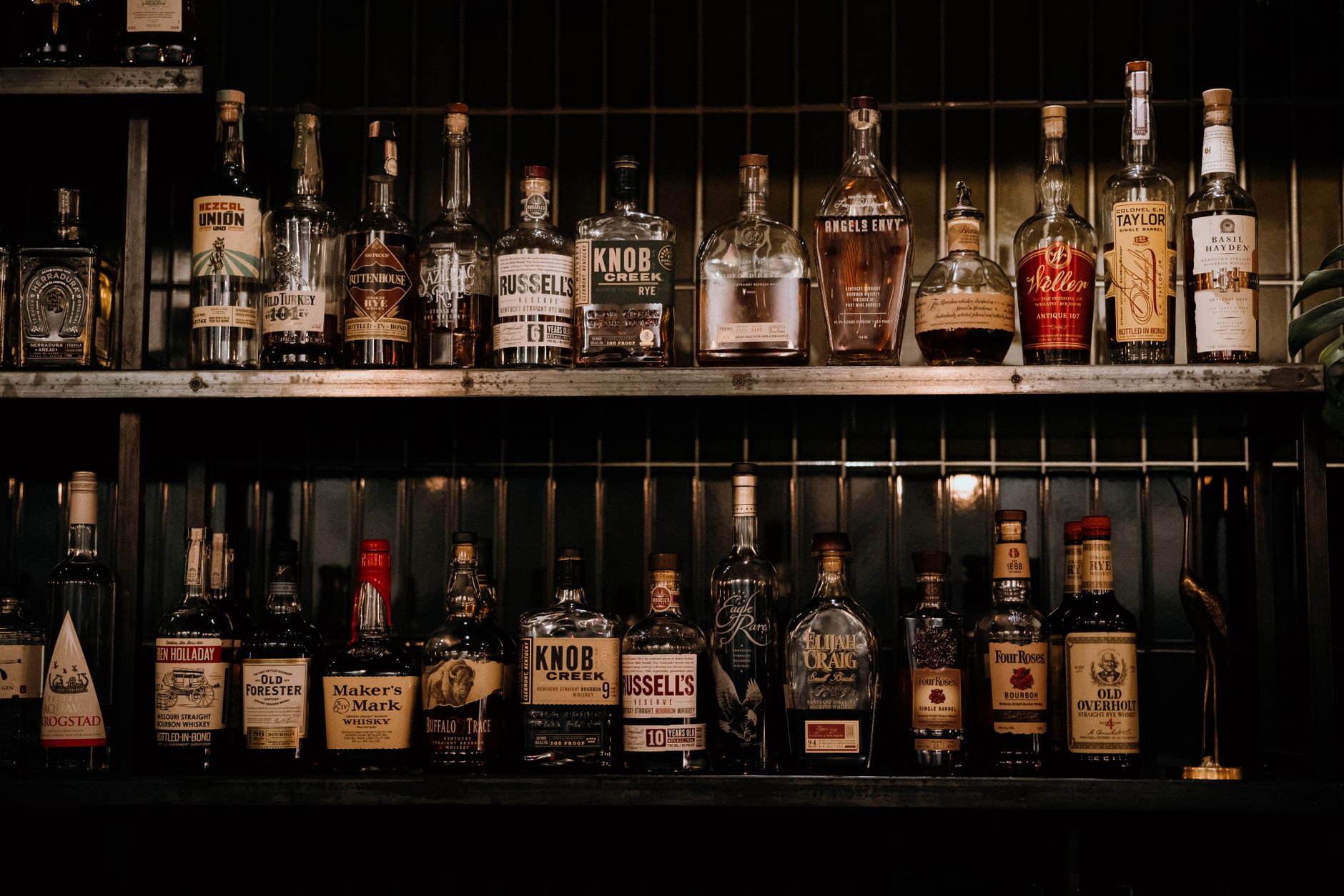
- Bourbon: Buffalo Trace, Wild Turkey
- Rye: Bulleit, Old Forester
- Scotch: Johnnie Walker, The Famous Grouse
- Irish: Jameson, Bushmills
- Japanese: Suntory, Nikka
How to Pick Beginner Whiskey by Flavor
When choosing a beginner whiskey, consider flavors first: do you prefer sweet, spicy, or smoky? Bourbons often have sweet caramel notes, while rye whiskeys are spicier. Scotch moves from light and smooth to rich smoke, depending on the region. Price and smoothness also matter. Starting under $50 can keep the experience enjoyable without overspending.
Beginner Whiskey Brand Comparison
| Brand | Whiskey Type | Flavor Profile | Price Range | Perfect For |
|---|---|---|---|---|
| Buffalo Trace | Bourbon | Rich, caramel | $30$40 | Beginners |
| Jameson | Irish | Light, smooth | $25$35 | Easy sippers |
| Nikka | Japanese | Subtle, balanced | $40$60 | Curious explorers |
| Johnnie Walker | Scotch | Smoky, layered | $30$60 | Versatile mixer |

Scotch Whiskey Brands
What Makes Scotch Unique?
Scotch whiskey stands out for its use of malted barley, peat smoke, and specific aging traditions. Scotlands regionsIslay, Speyside, Highlandsshape the flavors. Peat imparts smoky notes, while some regions favor fruity, light expressions. Scotch is typically aged at least three years in oak barrels, lending depth and smoothness to the final product.
Best Scotch Brands for Beginners
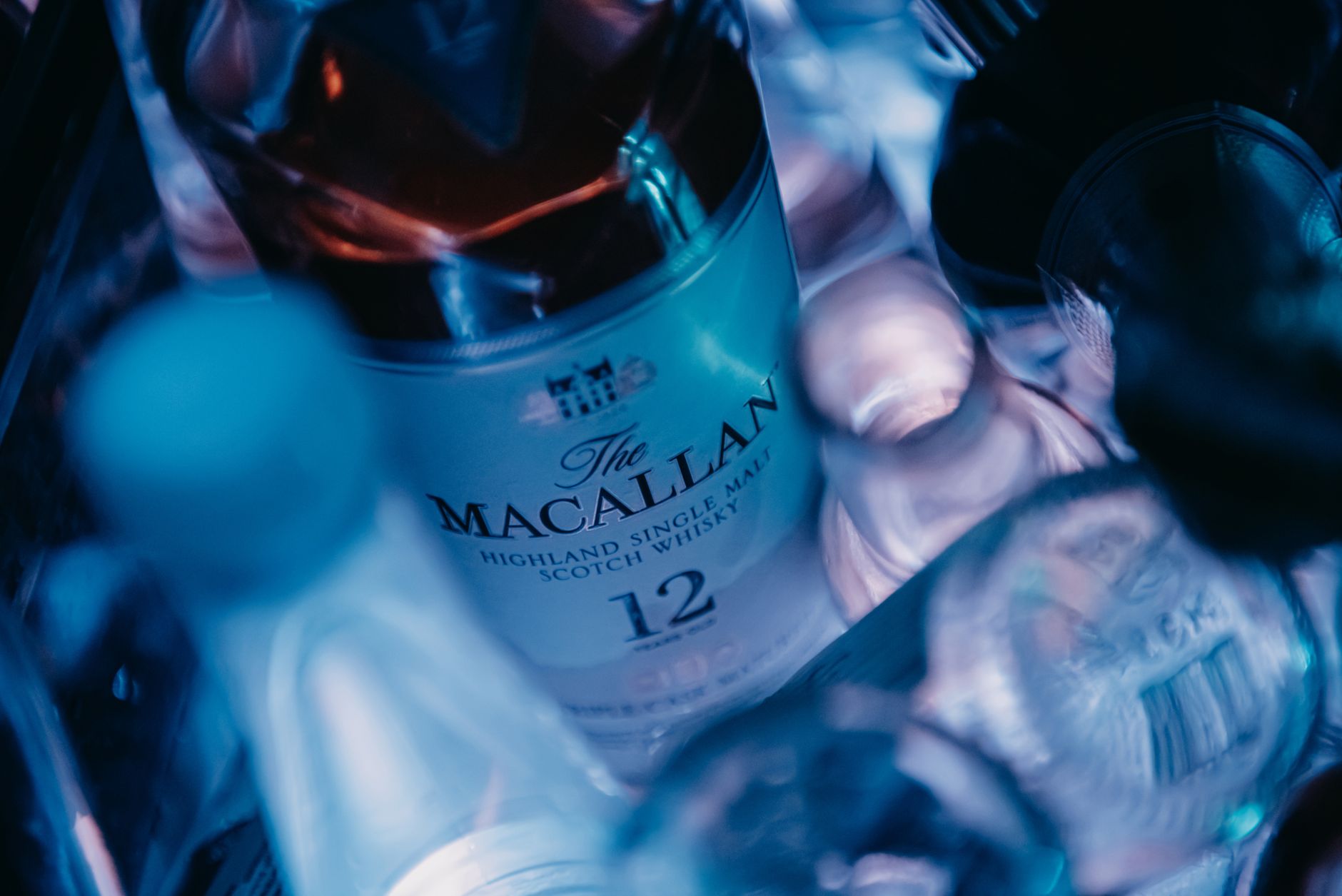
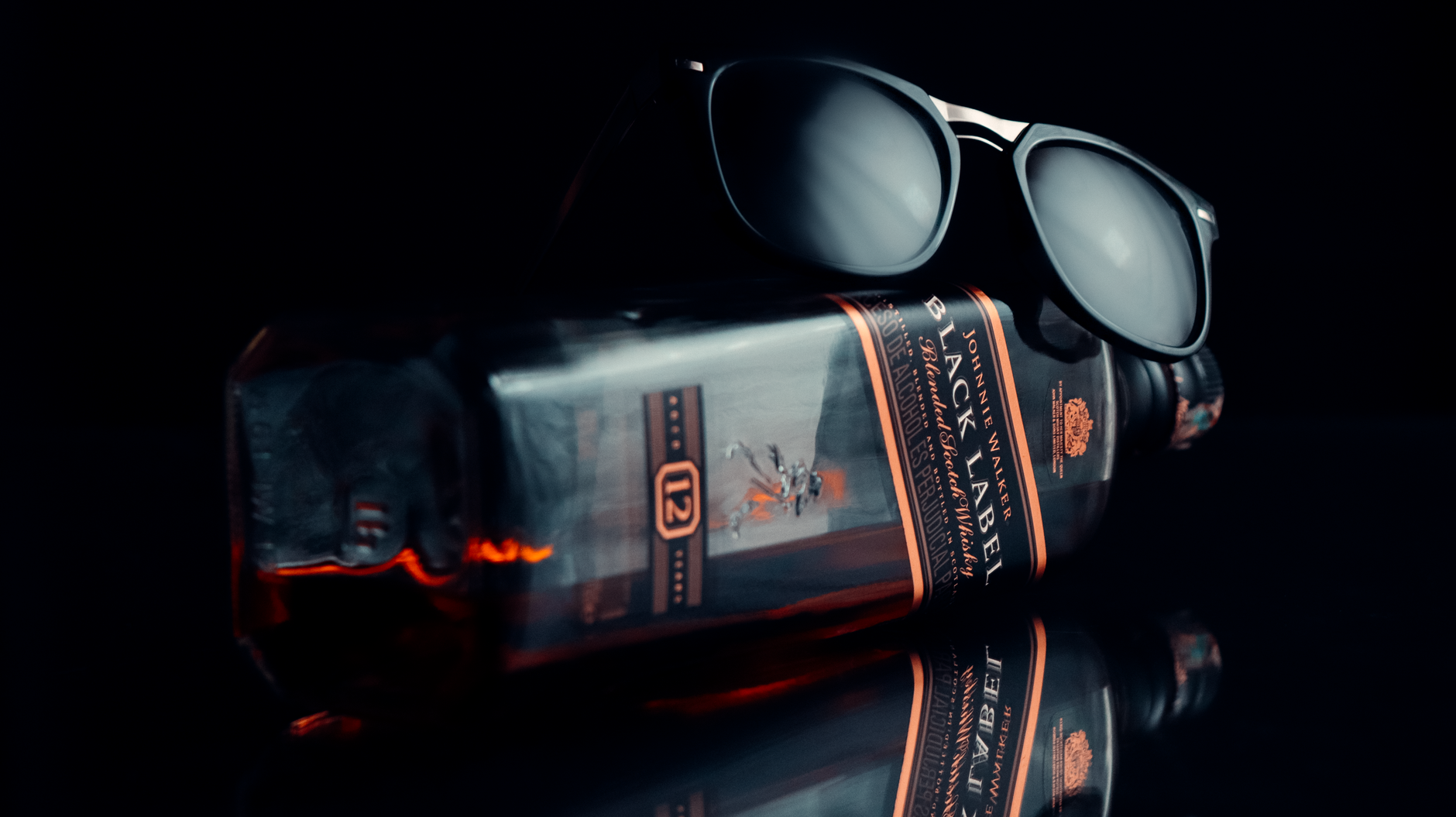
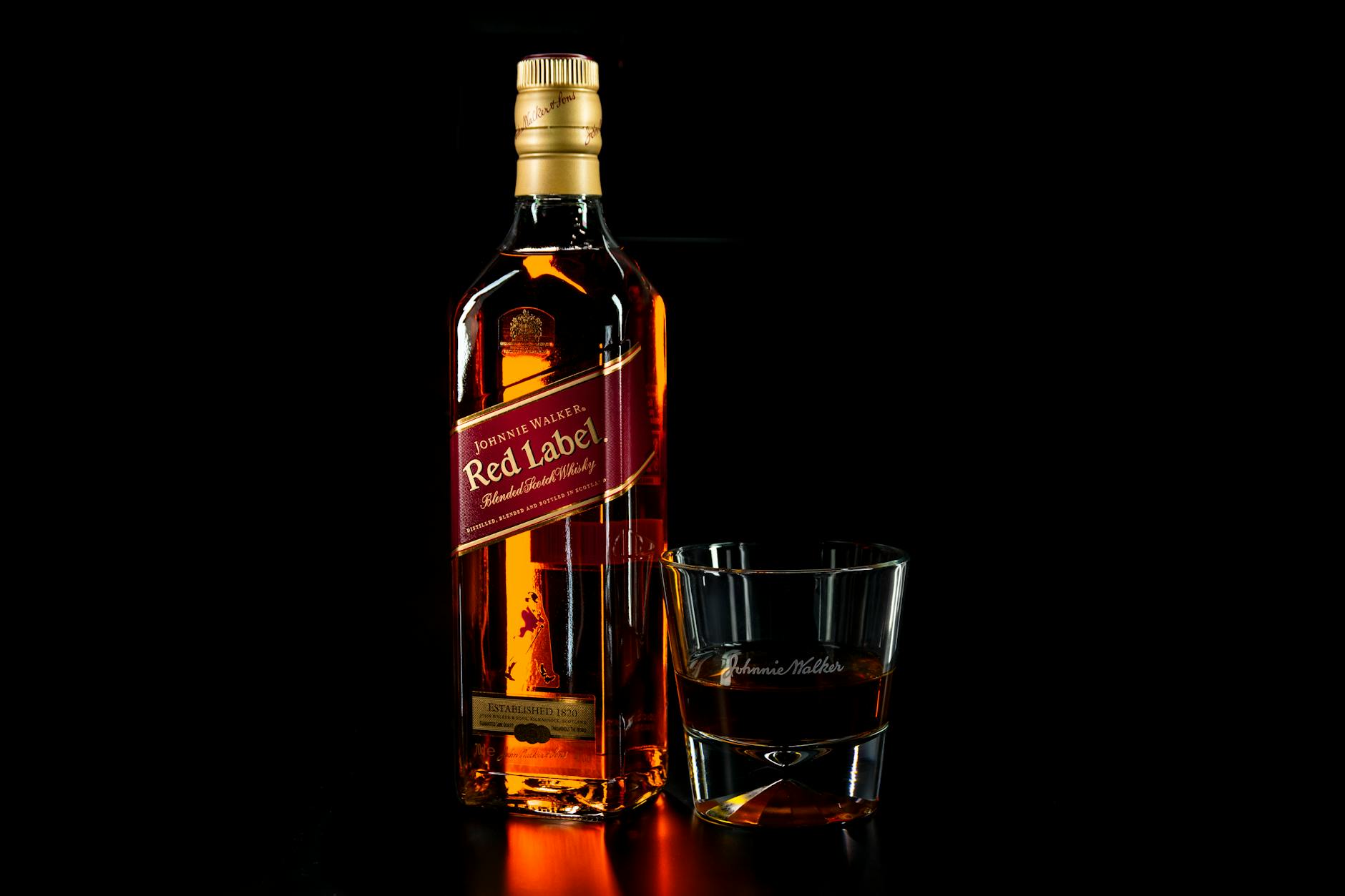
Johnnie Walker, one of the worlds most recognized Scotch brands, offers approachable labels like Red Label and Black Label. These are great for newbies wanting smoky yet smooth flavors. For single malts, Glenfiddich and The Macallan deliver quality and consistent taste, perfect for beginners exploring Scotch complexity.
Tasting Scotch Like an Expert
When tasting Scotch, try it neat first to appreciate raw flavors. Add a few drops of water to unlock hidden aromas and soften intensity if needed. Use a tulip-shaped glass to concentrate aroma. Pay attention to the mouthfeel and aftertaste. This method highlights the craftsmanship behind each brand.
Japanese Whiskey Brands
Why Japanese Whiskey Is Popular
Japanese whiskey focuses on balance, elegance, and subtlety. Inspired by Scotch traditions, Japanese distillers refine techniques and emphasize quality control. Resulting whiskeys often range from smooth and fruity to delicately smoky. Their international popularity has surged for good reasondrinkers appreciate the craftsmanship and approachable flavor.
Must-Try Japanese Whiskey Brands
Suntorys Hibiki and Nikka From The Barrel are excellent entry points. Hibiki offers a complex yet gentle experience with harmony from blended whiskies. Nikka From The Barrel packs bold flavors in a modest bottle, ideal for those ready for more character. Both brands are internationally recognized for quality and innovation.
How Japanese Whiskey Compares
Compared with Scotchs smoky, robust profile and bourbons sweet warmth, Japanese whiskey is often more delicate and floral. Production blends Scottish-style pot distillation with local ingredients. The choice depends on your taste preference but trying Japanese options expands your whiskey journey significantly.
What to Look for When Buying Whiskey
Labels and Certification
Check the whiskey label carefully. The label shows the type (bourbon, rye, scotch), age statement, alcohol by volume (ABV), and often the region its from. For Halal-conscious drinkers, its essential to know that most whiskeys contain alcohol and therefore are not Halal-certified. If you seek Halal compliance in food and beverages, look for certification logos from bodies like JAKIM, HMC, or IFANCA on other beverage types. Whiskey without such certification is generally not suitable.
Quality Indicators
Aged whiskeys (typically minimum 3 years) have more complex flavor. However, age isnt everything; the distillerys reputation matters. Avoid whiskeys with vague wording like blended without claritysome blends use neutral spirits rather than true whiskey. Also, watch out for overly cheap bottles; they often sacrifice flavor and authenticity.
Reading Ingredients and Additives
Whiskey must list ingredients on the label in some regions, though often its just grain, water, yeast, and barrel aging. Avoid bottles with artificial flavors or coloring agents if you want a natural experience. Certified Halal products also ensure no animal-derived fining agents are used, which is relevant if you explore non-alcoholic variants or similar beverages.
| Certification | Price Range | Common Formats | Shelf Life | Key Allergens |
|---|---|---|---|---|
| Not Halal-certified | $20$100+ | 750ml glass bottles | 35 years unopened | Gluten (from grains) |
Benefits and Risks of Exploring Whiskey Brands
Benefits of Trying Different Whiskey Brands
Exploring various whiskey brands expands your palate and cultural awareness. It can be a rewarding hobby, enhancing social occasions and food pairings. High-quality brands emphasize natural ingredients, craftsmanship, and regional heritage, making drinking more than just a taste but a story in a bottle.
Risks Beginners Should Watch For
Beware of overindulging or chasing expensive bottles based on marketing alone. Some cheap or mass-market options lack depth and may disappoint. Since whiskey contains alcohol, moderation is crucial. If you follow religious guidelines or health rules, be mindful about consumption.
Tips for Responsible Enjoyment
Always drink slowly, savor flavors, and pair whiskey with food to reduce alcohol impact. Keep servings to 1-2 ounces per tasting, not daily consumption. Store bottles upright in a cool, dark place to keep flavor intact for up to 5 years after opening.
For more beverage options that meet health-conscious criteria, you might want to explore Healthy energy drinks or consider mixing recipes like Miami vice cocktail.
Expert Advice and Community Support
What Whiskey Experts Recommend to Beginners
Experts suggest starting with well-known, moderately priced brands that emphasize flavor clarity over hype. Avoid buying solely for packaging or rare editions initially. They recommend tasting neat, then with a splash of water to open aromas. Seeking professional reviews and tasting notes provides helpful guidance.
Personal Stories from Whiskey Newbies
Many beginners recall their first aha moment was finding a brand that matched their palateoften a smooth bourbon or light Irish whiskey. Joining tastings or online whiskey forums fosters growth and confidence, making the journey more social and enjoyable.
Finding Trusted Advice and Reviews
For ongoing support, explore reputable whiskey blogs, tasting clubs, and forums. These communities share detailed reports and help decode confusing label terms. They offer a safe space to ask questions and discover new favorite bottles without pressure.
Is whiskey brands actually Halal what should I check?
Whiskey contains alcohol, so it is generally considered non-Halal under Islamic dietary laws. For Halal certification, look for labels from credible bodies such as JAKIM, HMC, or IFANCA on other beverages. Always confirm if the product explicitly states Halal approval. When uncertain, avoid consumption and opt for non-alcoholic alternatives.
How do I read whiskey labels effectively?
Look for the whiskey type (bourbon, rye, scotch), age statement, ABV percentage, and distillery origin. Check for additives or blended spirits if noted. Avoid unclear terms like spirit drink which may not be pure whiskey. This helps choose bottles that suit your taste and quality expectations.
What flavors should a beginner expect from whiskey?
Bourbons usually have sweet, caramel, and vanilla tones. Rye offers spiciness and peppery notes. Scotch can vary from peaty and smoky to fruity and light. Irish whiskey tends toward smooth, honeyed flavors. Japanese whiskey blends subtle floral notes and smooth textures.
How long does whiskey keep after opening?
When stored upright in a cool, dark place and tightly sealed, whiskey generally maintains its flavor for 3 to 5 years after opening. Exposure to air, temperature changes, or sunlight may degrade its quality sooner.
Are there allergy concerns with whiskey?
Whiskeys contain gluten from grains like barley, wheat, or rye. Though distillation reduces gluten drastically, people highly sensitive to gluten may wish to avoid whiskey. Some whiskeys may include additiveschecking label details improves safety.
Can whiskey be part of a health-conscious diet?
In moderation, whiskey may fit into a balanced diet. It is low in sugar and carbs compared to many mixed drinks. However, alcohols effects vary individually, so moderation and mindful consumption are key, especially for those with health concerns.
How to avoid expensive yet low-quality whiskey?
Dont be swayed by fancy packaging or rare editions alone. Research the distillerys reputation, reviews, and flavor profiles. Cheaper mass-market bottles often sacrifice depth, but extremely expensive options arent always better. Focus on taste, not just price.
What is the best way to taste whiskey at home?
Use a tulip-shaped glass for aroma concentration. Pour 1-2 ounces neat and swirl gently. Smell deeply before sipping slowly. Adding a few drops of water can open flavors. Note flavors on the palate and aftertaste. This enhances appreciation of different whiskey brands.
Pro Tips for Buying Whiskey
- Most overlooked mistake: Choosing whiskey based on price or label design rather than flavor type and brand reputation.
- Cheap whiskeys often lack depth and characterinvest slightly more for quality balance.
- One expert tip: Start with well-known beginner brands to train your palate before moving to rarer bottles.
More You Might Like
Explore more on beverages that fit a mindful lifestyle with our insights on Healthy energy drinks. If you enjoy mixing drinks, try out the refreshing and tropical Miami vice cocktail recipe.
Summary
Understanding whiskey brands means more than memorizing names. It starts with knowing whiskey types, tasting preferences, and reading labels carefully. By starting with trustworthy beginner-friendly brands, you unlock the true joy of whiskey sipping while avoiding confusion or overspending. Next time you shop, look beyond the label and find a bottle that speaks to your unique taste and curiosity.
FAQs
Is whiskey brands actually Halal — what should I check on the label?
Whiskey contains alcohol and is generally not Halal under Islamic dietary laws. To confirm, check for Halal certification logos from bodies like JAKIM, HMC, or IFANCA. Since most whiskeys lack such certification, they are not suitable for Halal consumption. When in doubt, avoid and opt for certified non-alcoholic alternatives.
How long does whiskey keep after opening?
When stored upright in a cool, dark place with a tight seal, whiskey typically maintains quality for 3 to 5 years after opening. Exposure to air, heat, or sunlight can degrade flavor faster, so proper storage is important to preserve taste.
What is the difference between whiskey and other common spirits?
Whiskey is made from fermented grains aged in wooden barrels, offering rich, complex flavors. Unlike vodka or gin, which focus on neutrality or botanicals, whiskey emphasizes taste from grain types and aging. Its alcohol content and distinctive profiles differentiate it from other spirits.
Is it safe to drink whiskey daily as part of a health-conscious diet?
Moderate whiskey consumption may fit a balanced lifestyle due to low sugar and carbs, but moderation is key. Limit intake to 1-2 ounces occasionally, as alcohol affects individuals differently. Always consider personal health conditions and guidelines before regular drinking.
Where can I find trustworthy whiskey brands for beginners?
You can find reputable beginner-friendly whiskey brands at specialty liquor stores, reputable online retailers, and well-stocked supermarkets. Look for recognized names like Buffalo Trace or Jameson and consult expert reviews to ensure quality and authenticity for your first purchases.