Not every coffee shop serves a great cup, and a bad coffee shop can ruin your caffeine craving fast. Its not just about tasteunseen factors like cleanliness, staff knowledge, and equipment also matter. Spotting a bad coffee shop early saves your time, money, and nerves. This guide will help you recognize the warning signs before you order your next cup.
Why Quality Matters
What Makes Coffee Quality Important?
Coffee isnt just a drink; it affects your mood, alertness, and even health. Good-quality coffee comes from fresh beans, clean equipment, and skilled baristas. According to USDA FoodData Central, poorly made coffee can lose beneficial antioxidants and sometimes harbor bacteria if hygiene lapses. Quality coffee enhances your drink experience and supports ethical sourcing and local businesses.
Risks of Ignoring Poor Coffee Indicators
Ignoring signs of a bad coffee shop can lead to unpleasant taste, stomach discomfort, or wasted money. Worse, poor hygiene risks foodborne illnesses. Bad coffee leaves a sour taste reputation for the shop, harming local coffee culture, which thrives on trust and quality.
Impact on Local Coffee Culture
Frequenting bad coffee shops drives down expectations for what a quality brew should be. Supporting cafes that cut corners discourages skilled baristas and sustainable practices. Choosing better shops encourages improvement across your citys coffee scene.
No Coffee Grinders Visible
Why Grinders Show Freshness and Quality
Freshly ground beans bring out fuller aromas and flavors. Seeing grinders signals a commitment to quality. Without grinders, cafes might rely on stale pre-ground coffee, losing vital oils and notes quickly.
Fresh Grounds vs. Pre-Ground Taste
Pre-ground coffee oxidizes fast, resulting in a flat or bitter cup. Fresh grinding prevents this by preserving essential oils that give coffee richness and complexity. If a coffee shop hides or lacks grinders, expect compromised taste.

Dirty Equipment and Machines
Spotting Unsanitary Machines
Look closely at espresso machines, portafilters, and grinders. Residue, coffee oils, or mold buildup are red flags. Dirty machines not only ruin flavor but may harbor bacteria.
How Cleanliness Affects Taste & Safety
Oils become rancid and cause bitter, off-flavors. According to food safety guidelines, unclean equipment risks cross-contamination, affecting health. A clean cafe prioritizes daily equipment maintenance.
Real Experience with Dirty Equipment
One customer reported their espresso shot tasted sour and stale due to a visibly grimy portafilter and neglected machine cleaning. Such overlooks ruin customer trust and reputation instantly.
Inaccurate Beverage Descriptions
What Bad Menus Reveal
Cafes that exaggerate or confuse their drinks often lack real coffee knowledge. If menus sell 100% Arabica single-origin with vague or incorrect details, take note.
Common Menu Mistakes
Mislabeling espresso as strong black coffee or offering complicated, unclear fusions suggests they focus more on marketing than craft. Honest, clear menus build trust and guide customers well.
Milk Stored Improperly
Dangers of Milk Left Out
Milk left outside refrigeration poses bacterial risks. According to JAKIM Halal certification standards, proper milk storage is essential for food safety and Halal assurance.
Milk Handling Tips for Cafes
- Keep milk refrigerated below 4C (39F)
- Use sealed containers
- Replace milk frequently, especially during busy hours
How You Can Spot Unsafe Practices
If you see milk cartons or jugs left out on counters for extended periods, avoid ordering milk-based drinks there. Your health depends on it.

Uninformed Staff
Detecting Knowledge Gaps
Baristas who struggle to answer basic questions like Where are the beans from? or How is your coffee roasted? may not be trained properly. This often correlates with poor coffee quality and service.
Why Skilled Staff Matter
Knowledgeable staff brew better drinks and can customize orders effectively. They support a coffee shops reputation for quality and customer care.
Test Your Barista
Try simple questions about origin or brewing methods. Their responses often reveal how seriously the cafe approaches coffee.
Dirty Tables and Seating
Cleanliness Reflects Overall Quality
Sticky or dirty tables signal poor hygiene standards. If staff neglect seating areas, they may overlook bar or kitchen cleanliness too.
Impact on Coffee Perception
A cramped, dirty environment kills appetite and makes any coffee taste worse. Cleanliness creates a welcoming space where you want to relax and savor your drink.
First Impressions Matter
Customers often choose cafes based on ambiance. Dusty counters or leftover crumbs spoil the mood immediately.
Uncomfortable Atmosphere
Feeling Watched or Timed
A coffee shop where staff stare or rush you feels unwelcoming. Enjoying coffee means comfort, not stress.
Relaxed Spaces Retain Customers
Welcoming cafes invite you to linger or work. This boosts sales and builds community, unlike intimidating or cold atmospheres.
Long Waits with Few Customers
Slow Service and Empty Seats
If you wait excessively with only a handful of customers, something may be off. Slow services might indicate poor management or unmotivated staff.
Busy vs. Empty Comparison
Popular cafes handle high traffic efficiently. Empty shops with long waits suggest operational problems or unpopular products.
Reading This Sign Correctly
Consider if poor service is a one-time glitch or a pattern. Your patience isnt worth bad coffee or disorganization.
Screaming Steam Wands
What Noisy Steam Wands Mean
Loud screeching or inconsistent steaming sounds hint at broken or poorly maintained equipment. Proper steaming produces a steady hiss and rich microfoam.
Recognizing Proper Steam Operation
A well-functioning steam wand should produce a smooth, consistent sound and rapidly heat milk to about 65C (149F) for optimal texture.
Overly Complicated Menu
When Too Many Choices Reduce Quality
A cluttered menu with dozens of drinks usually means diluted focus. Coffee shops excelling in craft prefer simple, refined offerings.
Simplicity Shows Expertise
By highlighting a few well-made options, cafes demonstrate confidence and skill. Overwhelming menus can confuse customers and lower quality control.
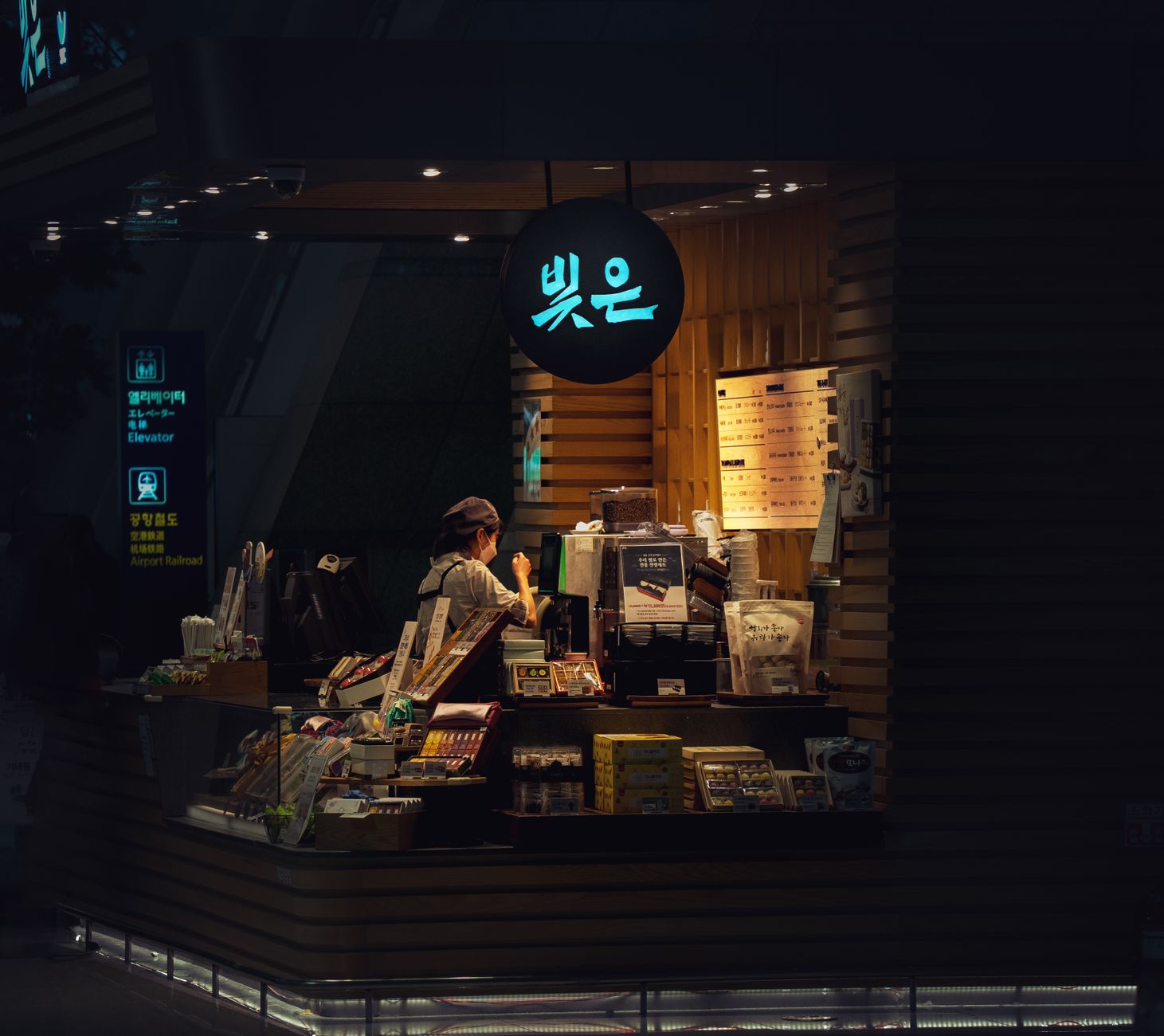
How to Avoid Bad Coffee Shops
Quick Quality Checks
- Look for visible grinders and clean machines
- Notice how milk is stored and handled
- Observe staff knowledge and caf cleanliness
- Pay attention to menu clarity and wait times
Warning Signs Checklist
| Warning Sign | What It Means |
|---|---|
| No grinders visible | Likely stale, pre-ground beans |
| Dirty equipment or sticky tables | Poor hygiene and ruined taste |
| Milk left unrefrigerated | Food safety risk |
| Uninformed staff | Low barista expertise |
| Long wait with few customers | Poor management or unpopular offerings |
Keep These Tips in Mind
Trust your senses and instincts. Sometimes, a shop just doesnt care about improving, and your best coffee moments deserve better. For some alternative beverage inspirations, check out popular Mexican drinks that might surprise you with their unique flavors.
Is a Bad Coffee Shop Actually Halal What Should I Check?
Halal certification, like JAKIM or IFANCA, ensures coffee products and additives comply with Islamic dietary laws. However, a bad coffee shop isnt necessarily non-Halal. Check for visible certification logos and ensure no non-Halal ingredients or cross-contamination risks, especially with milk, syrups, or confectionery.
When Is the Best Time to Drink Coffee?
Experts recommend mid-morning or early afternoon to time caffeine boosts optimally without disturbing sleep. Avoid late-evening coffee if caffeine sensitivity is an issue. Freshly brewed coffee at a quality shop makes your cup more enjoyable and healthful.
Can I Trust Coffee Shop Menus for Allergens?
Not always. Some cafes list allergens clearly, but others dont. If you have allergies, always ask staff directly and look for certified labeling. Halal-certified cafes often follow stricter ingredient controls.
Why Does Coffee Taste Bitter Sometimes?
Bitter coffee often results from over-extraction, stale beans, or dirty machines. A bad coffee shop may not maintain equipment or use fresh ingredients, resulting in unpleasant bitterness.
Do Bad Coffee Shops Use Non-Halal Ingredients?
It depends. Without clear certification, some shops might use non-Halal flavorings or additives. Look for Halal logos and inquire about ingredients if you require strict compliance.
How Often Should Coffee Equipment Be Cleaned?
Daily cleaning is essential for all espresso machines and grinders. Neglecting this leads to off-flavors and hygiene risks. A reputable cafe maintains a strict cleaning schedule visible in their operations.
What Makes a Great Coffee Shop Beyond Taste?
Besides great coffee, cleanliness, knowledgeable staff, a welcoming atmosphere, and transparency build trust. Such cafes respect customers needs and elevate the entire coffee experience.
Pro Tips to Avoid Disappointment
- Dont judge a coffee shop by looks alone. Ask about bean sourcing and brewing methods.
- Avoid shops with overly cheap pricesthey may cut corners on ingredient quality or preparation.
- Try simple drinks first to gauge a shops base quality before experimenting with complicated orders.
- Give small, local cafes a chancethey often prioritize quality and customer care over volume.
- If you enjoy recipes, a fresh Lemon drop shot can be a refreshing, Halal-friendly alternative for gatherings.
More You Might Like
Explore unique beverage options such as Mexican drinks, perfect for diversifying your halal-friendly menu choices.
Looking for a recipe with a zesty kick? Try the Lemon drop shota refreshing, simple drink for special occasions.
Conclusion
Knowing the red flags of a bad coffee shop helps you protect your taste buds and health. From visible grinders and clean machines to knowledgeable staff and proper milk handling, these clues make all the difference. Next time you pick a caf, check these signs and enjoy a truly satisfying coffee experience. Feel free to share your bad coffee experiences or tips in the comments below!
FAQs
Is bad coffee shop actually Halal — what should I check on the label?
Check for official Halal certifications like JAKIM or IFANCA logos on the premises or product packaging. Also, ensure there are no non-Halal ingredients or cross-contamination risks with milk, syrups, or other additives to confirm compliance.
When is the best time to drink coffee to avoid bitterness and maximize benefits?
Experts recommend drinking coffee mid-morning or early afternoon to optimize caffeine's effects without impacting sleep. Freshly brewed coffee from a quality shop tastes better and offers greater health benefits.
How often should coffee equipment be cleaned in a coffee shop?
Daily cleaning of espresso machines, grinders, and related equipment is essential. Proper maintenance prevents off-flavors, bacterial growth, and ensures hygienic, safe coffee preparation.
Why does coffee sometimes taste bitter in a bad coffee shop?
Bitter coffee often results from stale beans, over-extraction, or dirty equipment. Poor hygiene and low-quality ingredients at bad coffee shops contribute to unpleasant bitterness.
Can I trust coffee shop menus regarding allergens and ingredient accuracy?
Not always. While some cafes clearly list allergens, others may not. Always ask staff for details if you have allergies and seek Halal-certified shops for stricter controls.