The Rachel sandwich origin carries a mix of delicious mystery and intriguing history. This lesser-known sibling of the famous Reuben sandwich swaps corned beef for turkey and sauerkraut for coleslaw. But who created it, and why? The story isnt as straightforward as you might expect. Tracing its roots reveals a tale shaped by American deli culture and practical twists on a beloved recipe.
What Makes Rachel Unique?
What Are Key Ingredients?
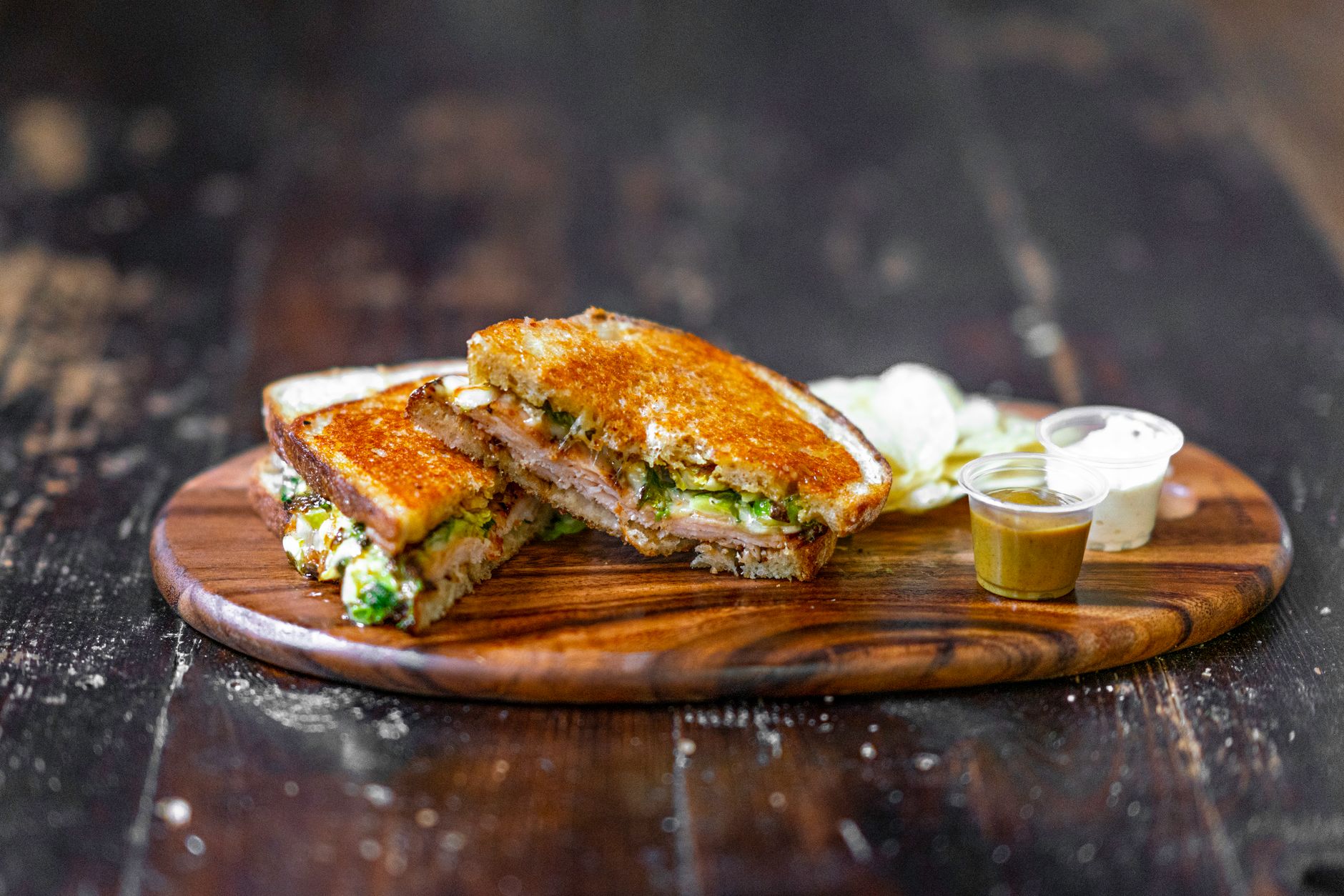
The Rachel sandwich sets itself apart through a few simple ingredient changes that make all the difference. Typically, it features sliced turkey breast instead of the Reubens traditional corned beef or pastrami. Instead of tangy sauerkraut, it layers creamy coleslaw, which adds a sweeter crunch. Russian dressing or sometimes Thousand Island dressing brings tang and richness, and its usually served on rye bread toasted with melted Swiss cheese.
This combination creates a sandwich that feels lighter and fresher. The substitute of coleslaw softens and sweetens the flavor, making it more approachable for those who find sauerkraut too sharp or sour. Meanwhile, the turkey adds a leaner protein, appealing to health-conscious eaters or anyone seeking a milder taste.
Rachel vs Reuben: Core Differences
Understanding the Rachel starts by knowing the Reuben sandwich well. The Reuben, a deli classic born in New York or Omahadepending on who you asktypically layers corned beef, Swiss cheese, sauerkraut, and Russian dressing on rye bread, grilled until crisp and oozing. Its savory, tangy, bold, and rich.
The Rachel shares the same sandwich framework but swaps out ingredients for subtle but meaningful changes that redefine its character. While the Reuben is beefy and tangy, the Rachels turkey and coleslaw create a softer, slightly sweeter profile. This difference earns the Rachel the nickname the Reubens sister or cousin. Both honor deli traditions but serve distinct taste experiences.

Origin Stories Explored
Who Invented the Rachel Sandwich?
The exact origin of the Rachel sandwich slips through the cracks of deli history. Several stories claim credit, but none come with conclusive proof. Some say it was created in the mid-20th century by delicatessens aiming to offer a lighter alternative to the Reuben. Others point to specific restaurants or diners that popularized the turkey-and-coleslaw combo as a crowd-pleaser.
Food historians note that sandwiches combining turkey and coleslaw existed before the Rachels rise, but packaging it as a Rachel with Russian dressing and rye bread likely emerged during the 1950s or 1960s, when deli culture thrived across America.
Experts suggest the Rachel reflects Americas evolving palate, with health-conscious consumers wanting familiar tastes but leaner meats. This slow transition mirrors the growth of turkey as a popular sandwich meat amid rising awareness of nutrition and uniqueness.
When and Where Did Rachel Appear?
Most accounts point to urban American delicatessens as the birthplace. New York City, Chicago, and other major cities with vibrant Jewish deli scenes likely saw the Rachel first. The sandwich probably rose in popularity through the 1950s and 1960s, coinciding with familiar deli fare adapting to changing tastes and customer demand.
Some deli legends attribute the Rachel to family recipes handed down through generations, while others credit creative chefs looking to offer alternatives to the Reubens heavy, salty flavor. The sandwich began popping up on deli menus widely by the 1970s, becoming a staple on many diner and casual restaurant lists.
Case Study: Notable Deli Claims
Certain famous delis have claimed to have inventedor at least popularizedthe Rachel. While no documented first menu item conclusively proves these claims, examples include delis on the East Coast and Midwest with decades of sandwich heritage. Some menus from the late 20th century list Rachel sandwich as a distinct item, showing it had gained clear identity by then.
Cookbooks and food writers from the era also reference the Rachel as a distinct recognized recipe. This suggests the sandwichs rise happened organically as cooks adapted familiar Reuben concepts with turkey and coleslaw to appeal to varied tastes.
Rachels Place Today
Popularity and Impact
The Rachel sandwich continues to enjoy a steady, though less flashy, presence on deli menus nationwide, especially in spots valuing tradition and variety. Though it may lack the iconic name recognition of the Reuben, many appreciate its approachable flavors and lighter profile.
Its cultural impact lies in offering a tasty alternative for those who want the deli experience without as much sodium or richness. For Halal consumers, the Rachel formatusing turkey or other Halal-certified poultrycan be adapted, opening the door to broader inclusivity in sandwich choices.
The Rachel remains a reliable choice for a comforting sandwich, perfect for lunch or dinner. Its a quiet symbol of evolving American tastes within classic deli culture.
Flavor and Nutrition
Swapping corned beef for turkey cuts calories and fat significantly, making the Rachel a friendlier option for calorie-conscious or halal diets. Coleslaw adds fiber and vegetables, increasing the sandwichs overall nutritional value. The dressing still provides richness but can be adjusted or made from scratch for a cleaner label.
According to the USDA FoodData Central, a turkey-based sandwich with coleslaw can contain around 400-500 calories, depending on bread and dressing amounts, with lower saturated fat compared to a traditional Reuben. For those watching sodium or processed meat intake, the Rachel fits more comfortably within balanced diets.

Classic Rachel Sandwich Recipe
| Prep time | Cook time | Total time | Servings | Calories | Diet tags |
|---|---|---|---|---|---|
| 10 minutes | 10 minutes | 20 minutes | 2 | Approx. 480 | Halal, Dairy |
Ingredients
- 4 slices rye bread
- 68 oz sliced turkey breast (preferably Halal-certified)
- 1 cup prepared coleslaw (use creamy or vinegar-based depending on preference)
- 4 slices Swiss cheese
- 4 tablespoons Russian dressing (or Thousand Island)
- Butter or margarine for grilling
Preparation Steps
- Spread butter evenly on one side of each bread slice. The buttered side will be the outside of the sandwich.
- On the unbuttered side of two slices, spread 2 tablespoons of Russian dressing evenly.
- Layer turkey slices evenly on each dressed slice.
- Add half a cup of coleslaw over the turkey layer on each slice. Spread Swiss cheese on top of the coleslaw.
- Top each sandwich with the remaining bread slice, buttered side facing out.
- Heat a skillet or griddle on medium heat. Place sandwiches carefully and grill for 4-5 minutes each side, pressing slightly, until bread is golden brown and cheese melts.
- Remove from heat, let rest for 1 minute, then slice in half and serve immediately.
Variations to Try
- Switch rye bread for sourdough or whole wheat for a different texture.
- Use a homemade Russian dressing with Greek yogurt instead of mayo for a lighter taste.
- Swap Swiss for provolone or mozzarella for a milder melt.
- Add sliced pickles inside for a tangier crunch.
Common Questions About Rachel
Is the Rachel Sandwich Just a Reuben with Turkey?
While similar in construction, the Rachel is more than a simple substitution. Its use of coleslaw instead of sauerkraut and turkey instead of corned beef creates a unique flavor profile. The sandwich stands on its own culinary merit as a lighter, slightly sweeter, and less salty alternative, rather than just a modified Reuben.
Can Sauerkraut Be Replaced with Coleslaw in a Rachel?
Yes, coleslaw replaces sauerkraut by adding sweetness and creaminess instead of the Reubens sharp sour notes. This switch also broadens appeal to those who avoid fermented or more acidic foods. Coleslaws crunch balances the sandwich texture while softening flavors.
Is the Rachel Healthier Than the Reuben?
Generally, yes. Turkey breast contains less saturated fat and sodium than corned beef, though dressing and bread choices affect totals. The addition of coleslaw adds vegetables and fiber. For those managing cholesterol or calories, the Rachel offers a better fit without sacrificing taste.
Can I Make a Halal Version of the Rachel Sandwich?
Absolutely. Use Halal-certified turkey breast and check that all other ingredients, including bread and dressing, meet Halal guidelines. Look for certifications such as JAKIM, HMC, or IFANCA on packaging to ensure compliance.
What Bread Works Best for a Rachel?
Traditional rye bread is preferred for its firm texture and slight tang. However, light rye or marbled rye can make the sandwich less dense. Other options like sourdough or whole wheat are popular variations that add different flavors.
Does the Rachel Sandwich Contain Allergens?
Common allergens include dairy (Swiss cheese, dressing), eggs (in some dressings), and wheat (bread). Always check labels if allergies are concerned, especially for homemade or store-bought dressings and bread.
How Should I Store Leftover Rachel Sandwiches?
Wrap leftovers tightly in plastic wrap or foil and refrigerate promptly. They keep well for 23 days but are best enjoyed fresh or reheated gently to prevent soggy bread.
Pro Tips for a Great Rachel
- Dont skimp on butter for grillingthe outside must get golden and crisp for the best texture.
- Use freshly shredded coleslaw rather than pre-packaged salad mixes for optimal crunch and flavor.
- Try making your own Russian dressing with ketchup, mayo, horseradish, and paprika for a fresher taste and cleaner ingredients.
- A press or grill pan yields even browning but flip carefully to avoid losing the filling.
- If you want a milder cheese melt, pre-slice Swiss thinly and layer closer to the bread.
For more ideas on convenient, high-quality deli foods, check out H mart prepared foods or try breakfast sandwich inspiration from Mcdonalds breakfast sandwiches, both excellent for busy mornings or casual meals.
More You Might Like
- Explore halal-certified deli meats that match the Rachels lean protein needs perfectly.
- Discover easy sandwich side recipes that pair well with any deli-style meal.
- Learn about healthy homemade dressings to customize your next sandwich experience.
The Rachel sandwich origin remains a culinary curiosity wrapped in American deli tradition. Its unique twist on a classic shows how simple changes create new favorites. When you next want a tasty, lighter sandwich, consider the Rachel. Maybe even try making one at homeyoull appreciate the layers of flavor and a story thats part food folklore, part delicious innovation. Feel free to share your experiences or recipes in the comments below.
FAQs
When is the best time to eat or drink Rachel sandwich origin?
The Rachel sandwich is ideal for lunch or a casual dinner. Its hearty yet lighter profile makes it perfect for midday meals that satisfy without heaviness. It’s also a great choice for picnics or quick deli-style meals any time you want a flavorful, balanced sandwich.
How long does a Rachel sandwich last after being made?
Leftover Rachel sandwiches should be refrigerated within two hours of preparation and wrapped tightly. They typically stay fresh for 2 to 3 days in the fridge but are best eaten fresh to maintain bread crispness and overall flavor.
What is the main difference between a Rachel and a Reuben sandwich?
The Rachel replaces corned beef with turkey and sauerkraut with coleslaw. This creates a lighter, slightly sweeter sandwich with a different texture and flavor profile compared to the tangy, beefy Reuben.
Is the Rachel sandwich origin actually Halal — what should I check on the label?
The Rachel sandwich can be Halal if prepared with Halal-certified turkey and compliant ingredients for bread and dressing. Check for Halal certification logos like JAKIM or HMC on the packaging to ensure adherence.
Where can I buy Rachel sandwich ingredients or ready-made versions?
Rachel sandwiches or their ingredients are common at Jewish delis, specialty sandwich shops, and grocery deli counters. You can also find Halal-certified turkey and appropriate bread at halal markets or large supermarkets.