When you think about how to age whiskey, many imagine simply letting time pass inside a bottle. But aging whiskey is more than just waiting. The process happens mostly inside wooden barrels under very specific conditions, creating the complex, smooth flavors we love. If you are curious about how to age whiskey yourself, it‘s wise to understand what really takes place and what pitfalls to avoid. Knowing these details can save you wasted bottles and disappointment down the line.
Whiskey Aging Process
What Actually Happens When Whiskey Ages?
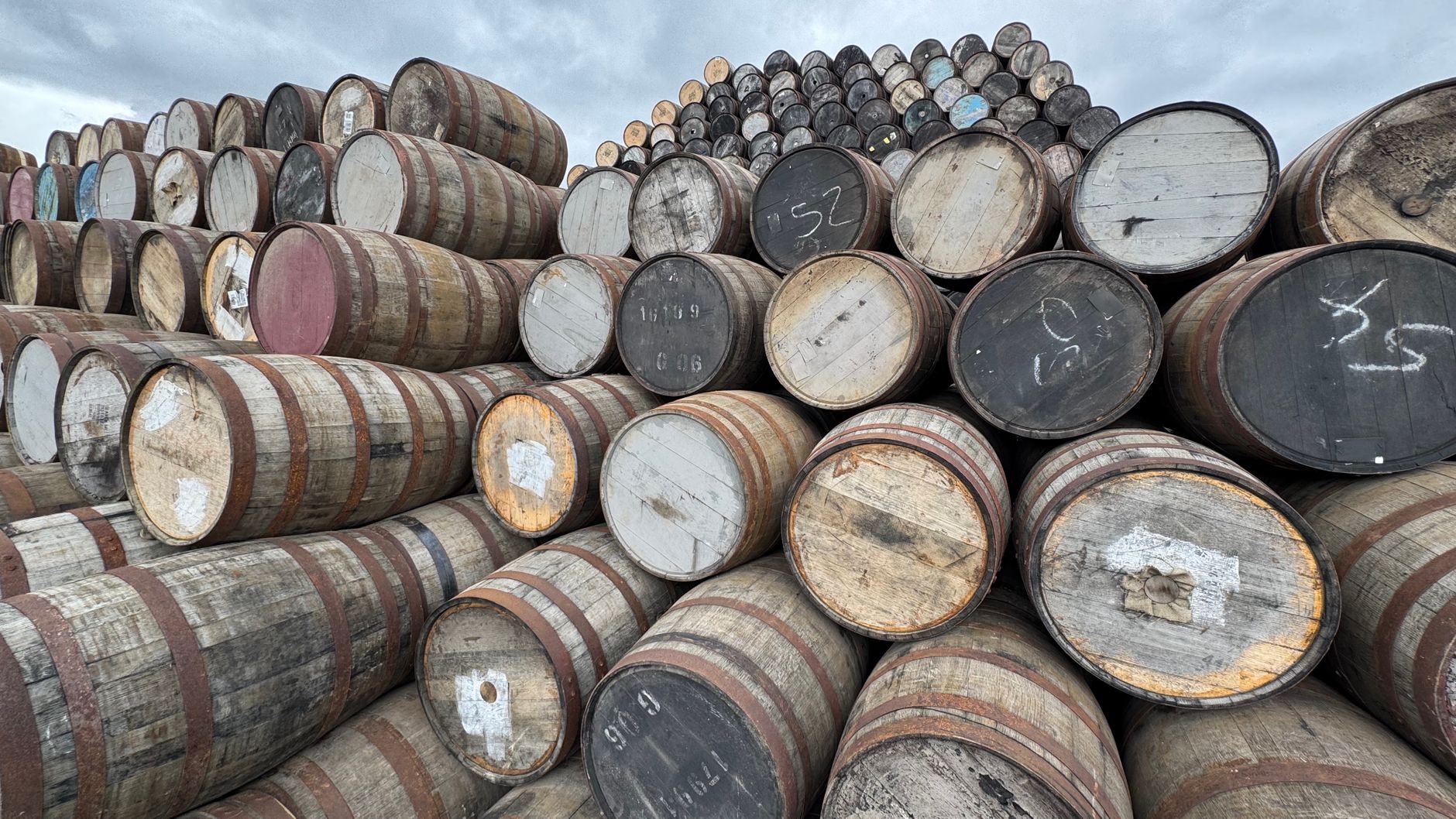
Aging whiskey involves a series of chemical and physical changes that produce its rich, bold flavors. The process mostly happens when whiskey is stored in oak barrels. The spirit interacts with the wood, absorbing compounds like tannins, vanillin, and lignin, which add vanilla, caramel, and oaky notes.
Inside the barrel, whiskey also undergoes oxidation and evaporation, known as the angels share, which slowly concentrates flavors. Micro-oxygenation softens the harsher alcohol molecules, making the taste smoother and more velvety. Climate plays a crucial role herewarmer regions, such as Kentucky, speed up aging, while colder climates slow it down, affecting flavor development.
Temperature and humidity affect how much whiskey seeps into the wood and how much evaporates. For example, higher humidity tends to reduce water evaporation and concentrate alcohol, while dry conditions do the opposite. All these factors combined create whiskeys complex character after years in barrels.
Its important to note that whiskey does not age once bottled; aging stops outside the barrel. Bottle aging may mellow the spirit slightly but won‘t enhance flavors the same way.
Why Aging is More Than Just Waiting
Many assume leaving whiskey in a bottle or glass jar will mature it, but true aging happens only in contact with wood, time, and environment. The barrel itself is a living ingredient offering oxygen exchange and flavor compounds. Simply storing whiskey on a shelf wont improve its quality.
Additionally, more time doesnt always mean better whiskey. Over-aging can lead to excessive wood flavors or bitterness. Master distillers balance time with barrel characteristics to craft smooth results. The home environment usually cannot replicate these precise conditions, so patience and realistic expectations are necessary.
Home Aging Realities
Popular Whiskey Aging Techniques & Kits
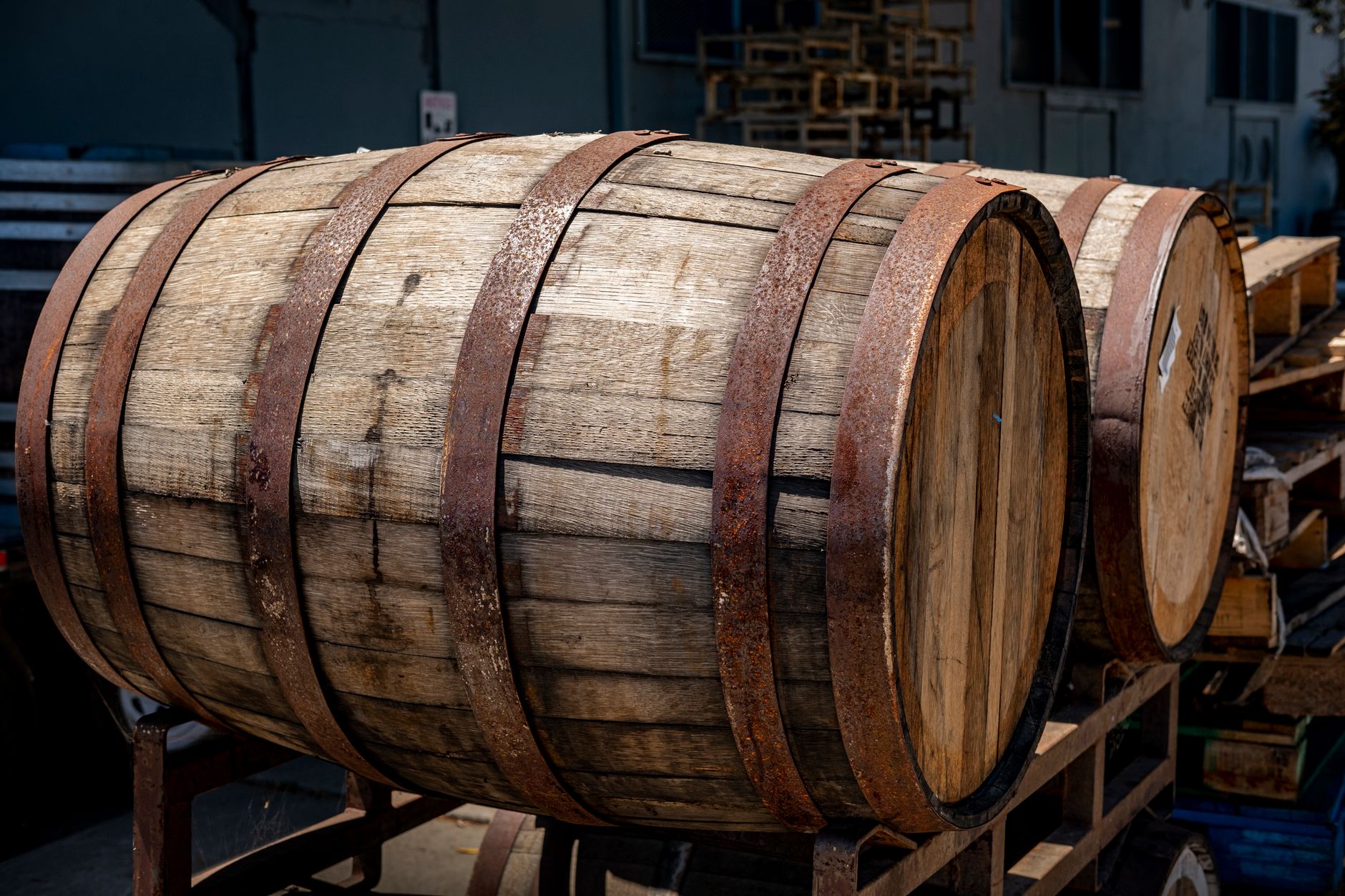
Home whiskey aging has become a hobby for some, supported by kits featuring small oak barrels or wood infusions like chips, staves, or spirals. Mini barrels range in size from 1 to 5 liters and promise faster aging due to a higher surface area-to-volume ratio.
Wood chips and spirals immerse in bottles to mimic barrel aging effects quickly. Some claim these methods impart oak flavor in days or weeks, appealing to beginners without barrels.
While these methods add noticeable woodiness, they cannot fully replace traditional barrel aging. True maturation involves slow integration of complex compounds over years, something accelerated techniques approximate but do not duplicate.
Common Mistakes in Home Whiskey Aging
- Over-aging: Using small barrels can age whiskey too fast, causing harsh wood or bitter flavors.
- Improper storage: Extreme temperatures or sunlight harm flavor development and can spoil the whiskey.
- Starting with poor-quality whiskey: Cheap or flavored whiskey limits the potential improvement through aging.
These factors often result in whiskey thats worse, not better. Many novice home agers rush the process or overlook environmental controls.
How to Age Whiskey at Home
If you still want to try aging whiskey yourself, here are key steps to improve chances of success:
- Select a neutral, quality whiskey as a baseavoid heavily flavored or blended bottles.
- Use a small food-grade oak barrel about 25 liters in size to maximize wood contact.
- Store the barrel in a cool, dark place, ideally around 1520C with moderate humidity.
- Monitor your whiskey regularly by tasting every 12 weeks to track flavor changes.
- Limit aging to 13 months with small barrels to avoid over-extraction of tannins.
Patience and attention to detail will help balance wood flavors and allow adaptation before bitterness emerges.
Risks and Downsides
Why Professionals Have the Edge
The cost, equipment, and conditions needed to properly age whiskey put home aging at a disadvantage. Commercial distilleries use massive, well-seasoned barrels, and carefully controlled warehouses to mature whiskey over years. They carefully track temperature, humidity, and barrel rotations not easily replicated at home.
Distilleries also have years of experience designing mash bills and yeast strains tailored for aging profiles. This controlled expertise yields consistent, refined flavor that home experiments rarely match.
Effects on Quality and Flavor
Without experience, home aging attempts risk harsh, overly woody flavors and imbalanced profiles. The whiskey can become rough or astringent. Environmental fluctuations accelerate spoilage or evaporation. Without tasting discipline, you may not stop the process before negative notes develop.
Is It Worth It?
From an economic viewpoint, home aging may not justify the costs and risks. The price of barrels and losses from failed attempts add up. Its better suited as a hobby than an investment. For many, simply buying pre-aged, Halal-certified whiskey offers better flavor and value.
Smart Alternatives
Buying Pre-Aged Whiskeys
Choosing bottles labeled with reliable aging statements (e.g., 8 years, 12 years) ensures quality. Look for Halal certification logos like JAKIM or IFANCA to confirm alcohol preparation and ingredients comply with standards. Such products offer complex flavors without home aging uncertainty.
Flavoring and Blending Options
If you want to add unique notes, try bitters, honey, or natural infusions that complement whiskey without altering its base profile. These options customize your drink safely and quickly.
Educational Experiences
Deepen your appreciation by joining whiskey tastings or distillery tours. Learning from experts gives insight into aging science and flavor profiles that no home DIY attempt can fully provide. Exploring these options builds your knowledge and palate.
Explore More Tastes
To complement your drink, check out Starbucks holiday drinks for festive non-alcoholic pairings. For a refreshing beverage choice, the story of Sierra mist evolution may inspire your palate with crisp citrus notes.
Is age whiskey actually Halalwhat should I check?
Alcoholic beverages are generally non-Halal, but some whiskey brands produce Halal-certified variants, usually non-alcoholic or specially processed. Always look for certification logos from trusted bodies like JAKIM (Malaysia), HMC (UK), or IFANCA (US). Check the ingredients to ensure no prohibited additives or alcohol content outside allowed levels.
When is the best time to drink aged whiskey?
Aged whiskey is best enjoyed neat or with a splash of water to open flavors, usually after dinner or during social occasions. Drinking slowly allows the complex notes to emerge and are best savored at room temperature (around 1822C).
What does angels share mean in aging whiskey?
The "angels share" refers to the portion of whiskey that evaporates through the barrel wood during aging. Typically, about 25% of the volume is lost annually, which concentrates flavors but also represents a cost factor for producers.
Can I use any wood barrel for aging whiskey?
Oak is the preferred wood due to its flavor compounds and porous nature. Other woods dont provide the same chemical interactions or safety. Untreated or unsuitable wood can cause spoilage or off-flavors.
How does climate affect whiskey aging?
Higher temperatures speed up evaporation and interaction with wood, potentially causing harsher flavors. Humidity influences whether alcohol or water evaporates more, shifting the whiskeys balance. Traditional aging regions balance these factors for optimal maturation.
What are signs of over-aged whiskey?
Over-aged whiskey often tastes dry, bitter, or overly woody with sharp tannins. It may lack smoothness and have astringent or burnt notes, indicating too much time in contact with oak.
Is small-batch home aging safe?
Yes, with proper food-grade barrels and clean conditions, home aging small batches is safe. Avoid cheap or untreated barrels and never consume if you detect unpleasant odors or flavors signaling spoilage.
Tips for Aging Success
- The biggest mistake? Rushing the process. Resist tasting too oftengive the whiskey time to develop subtle flavors.
- Cheap whiskeys rarely improve significantly with aging. Choose a decent base to start with for the best results.
- One expert tip: Rotate small barrels periodically to ensure even exposure and avoid local hotspots of evaporation.
More You Might Like
For a tasty twist on refreshments, explore our collection of Starbucks holiday drinks, perfect for festive gatherings without alcohol.
If you enjoy crisp and refreshing sodas with your whiskey, the evolution story of Sierra mist evolution offers a deep dive into beverage innovation.
Final Thoughts
Trying to age whiskey at home is an interesting adventure but requires knowledge, patience, and care. The aging process is complex, involving more than just time in a bottle. If you want to experiment, prepare thoughtfully, keep realistic expectations, and monitor frequently. Otherwise, buying quality aged whiskey with proper Halal certification delivers rich flavors with less risk. Next time you shop or sip, look closely at the label and enjoy every drop with confidence.
FAQs
Is age whiskey actually Halal — what should I check on the label?
Alcoholic whiskey is generally not Halal, but some brands offer Halal-certified versions that are non-alcoholic or specially processed. Always verify certification logos from trusted bodies like JAKIM, HMC, or IFANCA, and check the ingredients for compliance with Halal standards.
When is the best time to drink aged whiskey?
Aged whiskey is best enjoyed neat or with a splash of water at room temperature (around 18–22°C), typically after dinner or during social occasions to savor its complex flavors fully.
How long does whiskey last after opening the bottle?
Once opened, whiskey can maintain its quality for 1–2 years if stored in a cool, dark place with the cap tightly sealed, as oxygen exposure slowly alters flavors over time.
What is the difference between home-aged whiskey and commercially aged whiskey?
Commercial whiskey ages in large seasoned oak barrels under carefully controlled conditions for several years, resulting in complex, balanced flavors. Home aging attempts, especially with small barrels or chips, speed up the process but often lack the subtlety and consistency of commercial aging.
Is it safe to age whiskey at home daily, and what should I watch for?
Home aging small batches is safe with food-grade barrels and clean conditions. Regular tasting is crucial to avoid over-aging, bitterness, or spoilage. Stop aging immediately if off odors or unpleasant flavors develop.